18 April 2026
Black Pepper Summer Recipes: Light Meals for Hot Days
When April heat settles over the kitchen, heavy gravies lose their appeal and most of us start craving food that feels cool, bright and quick. Black pepper summer recipes fit that mood well: a little freshly cracked pepper gives curd, fruit and vegetables a gentle warmth and a lift of aroma, without the heaviness of a long-cooked masala. Here is how to use it across a whole season of lighter meals.
Why black pepper suits lighter summer cooking
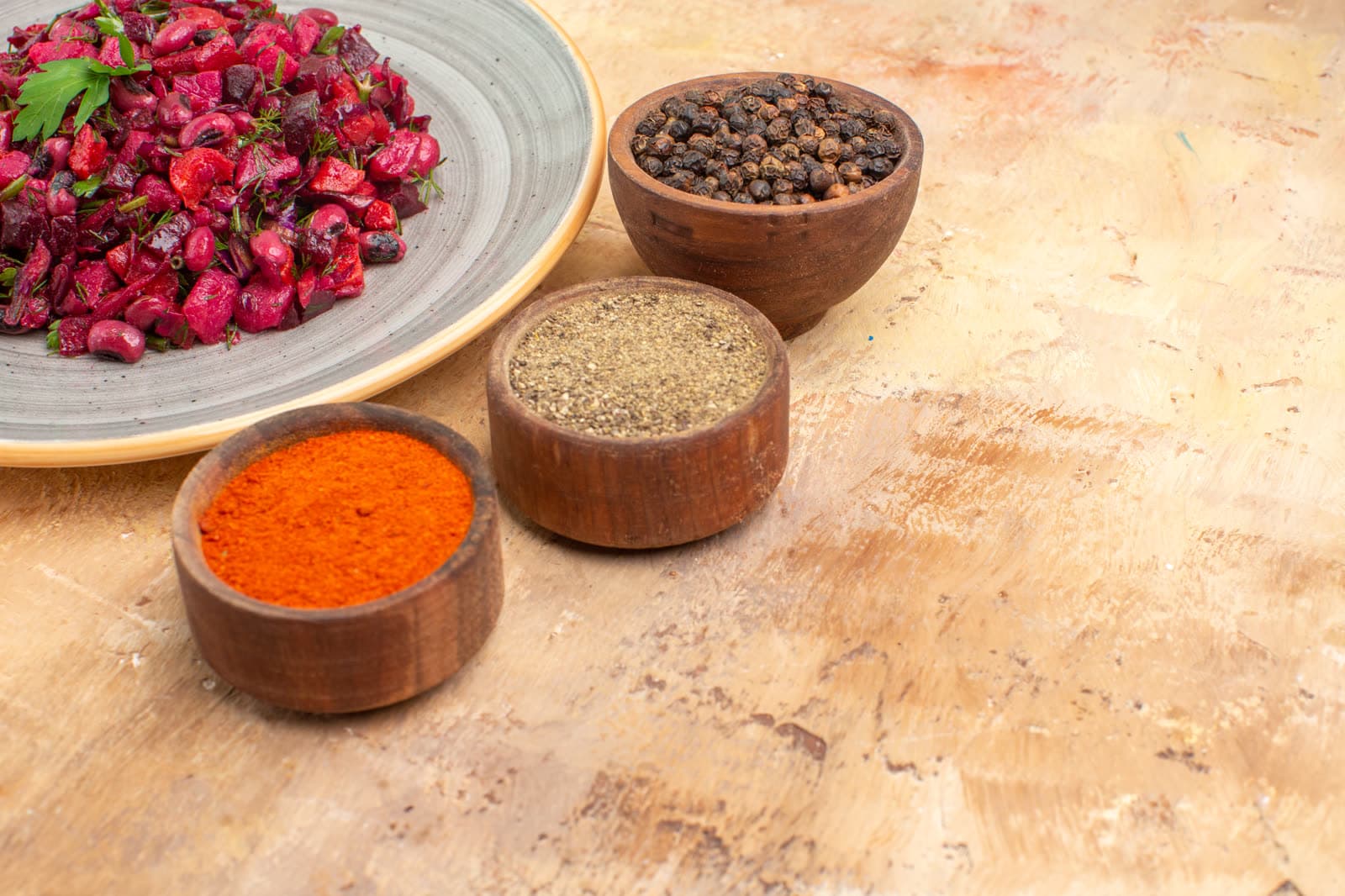
Pepper is one of the few spices that shines without cooking. Chilli powder needs oil and heat to round out, and many ground masalas taste dusty when sprinkled raw. Whole black pepper, cracked just before serving, releases its piney, citrusy top notes straight onto the plate. That makes it ideal for the dishes you barely cook in summer: raitas, salads, chaats and cold rice.
It also gives you control over heat. A few turns of a grinder add warmth that builds slowly, rather than the sharp burn of green chilli, so a meal can feel lively without leaving you uncomfortable on a hot afternoon. Many families have traditionally paired pepper with curd, lemon and cooling vegetables for exactly this balance.
Crack it fresh
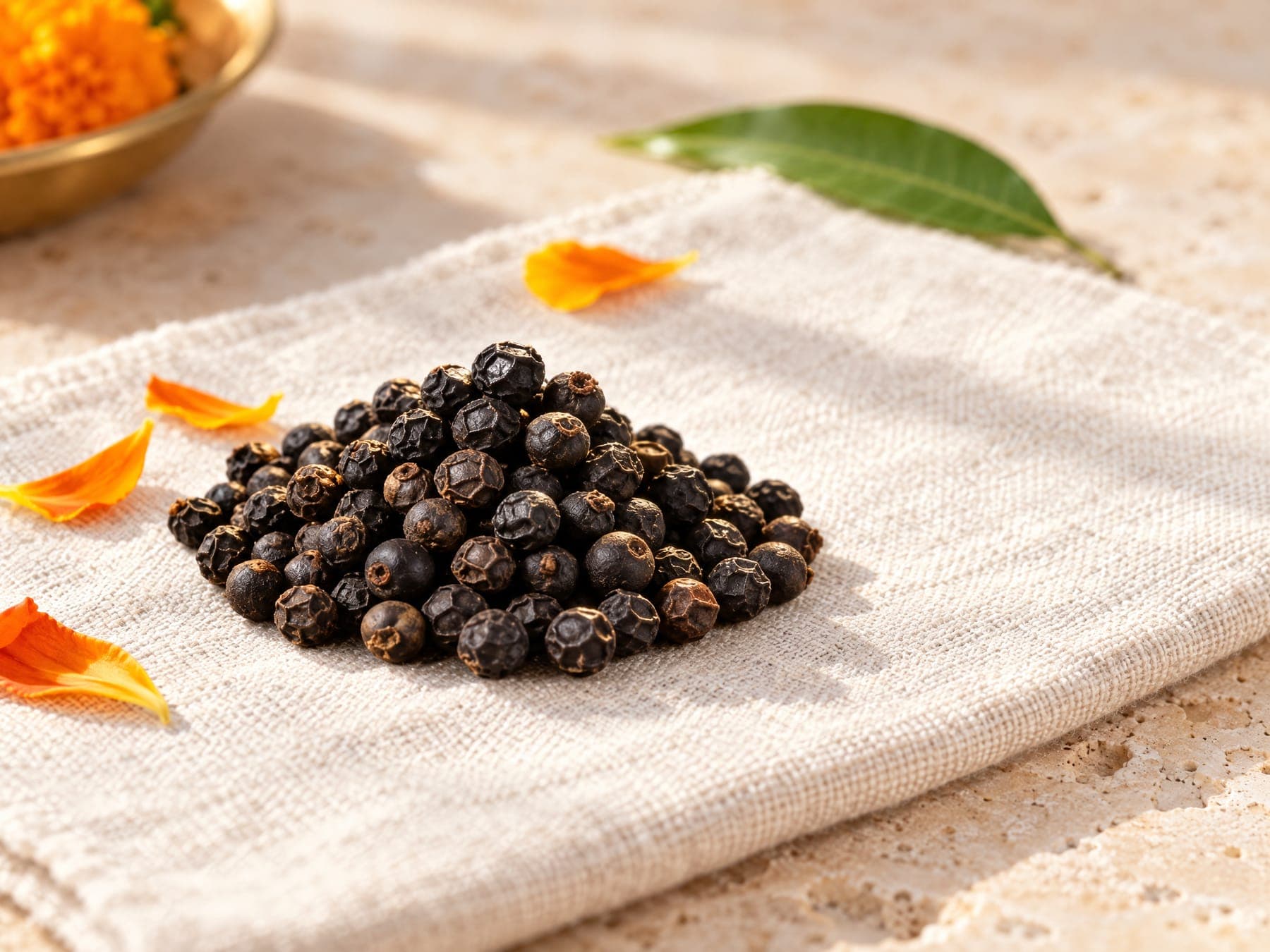
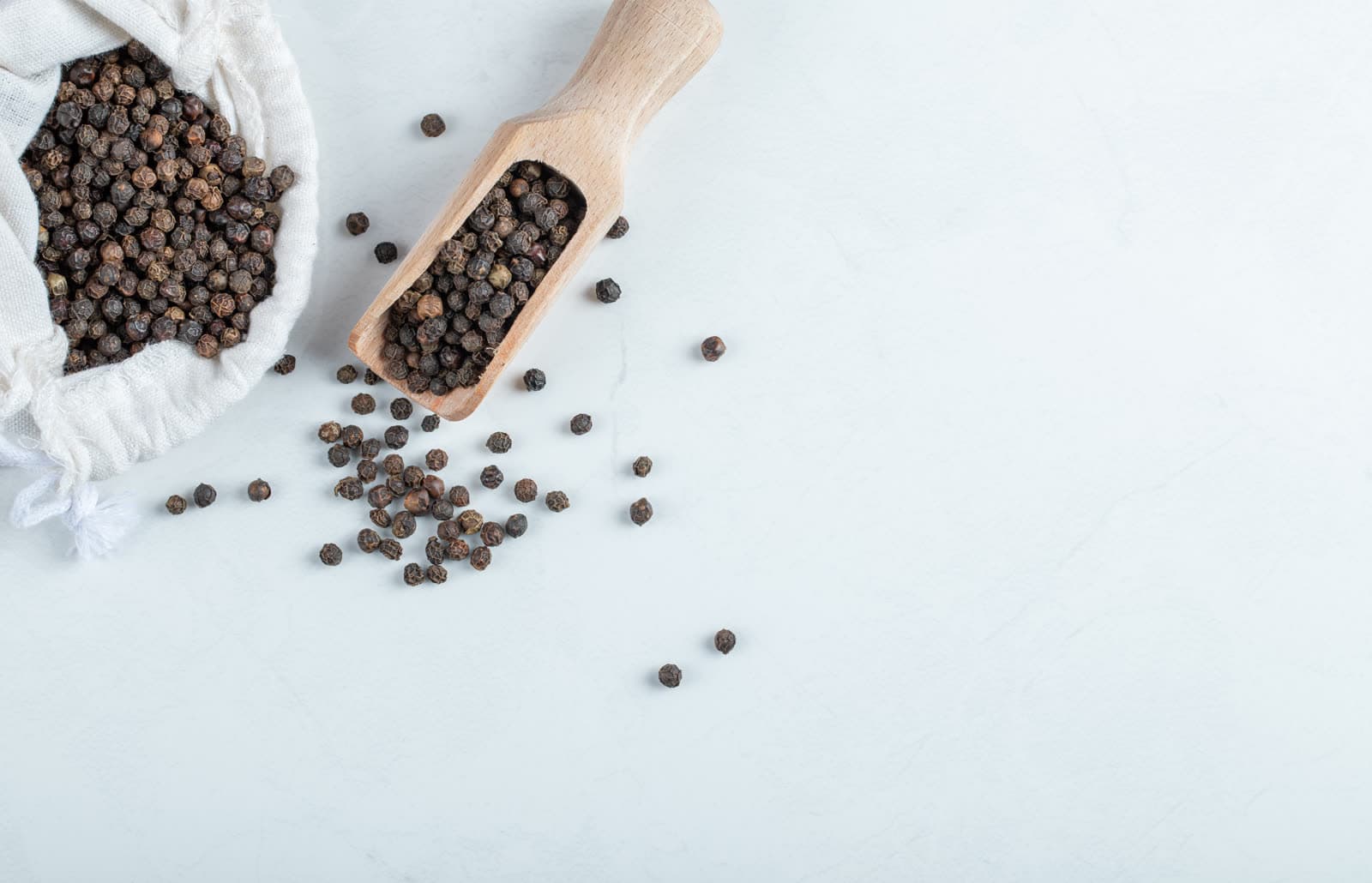
The aroma of pepper lives in its essential oils, and those start fading soon after grinding. In raw dishes, where nothing masks the spice, freshness shows immediately. Keep a jar of whole black pepper near the chopping board and crack only what you need. Look for bold, evenly sized, well-dried peppercorns with a sharp smell when you crush one between your fingers. Dull, dusty or very light berries give a flat result.
Peppery raitas for hot afternoons
Raita is the easiest place to start. Whisk 1 cup (about 250 g) of chilled, thick curd with a pinch of salt until smooth, then fold in your vegetable and finish with pepper. As a rule, ¼ teaspoon of freshly cracked pepper per cup of curd gives noticeable warmth without taking over.
- Cucumber and mint raita: 1 grated cucumber, squeezed lightly, 8 to 10 torn mint leaves, ¼ teaspoon cracked pepper and a pinch of roasted cumin powder if you have it.
- Pineapple raita: ½ cup finely diced pineapple, a pinch of sugar, ¼ teaspoon pepper and a little black salt. Sweet-sour fruit and pepper are a classic pairing.
- Lauki raita: 1 cup grated bottle gourd, steamed for 3 to 4 minutes and cooled, with pepper and a few chopped coriander leaves.
- Beetroot raita: 1 small boiled and grated beetroot with pepper, salt and a squeeze of lemon, for a pink bowl that looks as cool as it tastes.
Add the pepper at the end and stir gently. Coarse cracks look lovely on top, while a finer grind blends in better if children find visible specks off-putting.
Summer salads with a black pepper dressing
An Indian-style salad does not need an elaborate vinaigrette. A simple lemon-pepper dressing works on almost everything the summer market offers.
Basic lemon-pepper dressing
Mix 2 tablespoons of lemon juice, 1 tablespoon of cold-pressed oil (groundnut or mustard both work), ½ teaspoon of freshly cracked pepper, ¼ teaspoon of salt and ½ teaspoon of honey or jaggery syrup. Shake it in a small jar. This dresses about 3 cups of salad.
Salads to try
- Kachumber with a twist: diced cucumber, tomato, onion and raw mango, dressed just before serving so it stays crunchy.
- Sprouted moong salad: 1 cup sprouts, steamed for 2 minutes, with grated carrot, coriander and the dressing. Pepper keeps it from tasting flat.
- Watermelon and cucumber salad: cubes of both, a few mint leaves, a pinch of black salt and cracked pepper. Skip the oil here.
- Chana and corn salad: boiled kala chana and sweet corn with onion, lemon and a generous grind of pepper, filling enough for a light lunch.
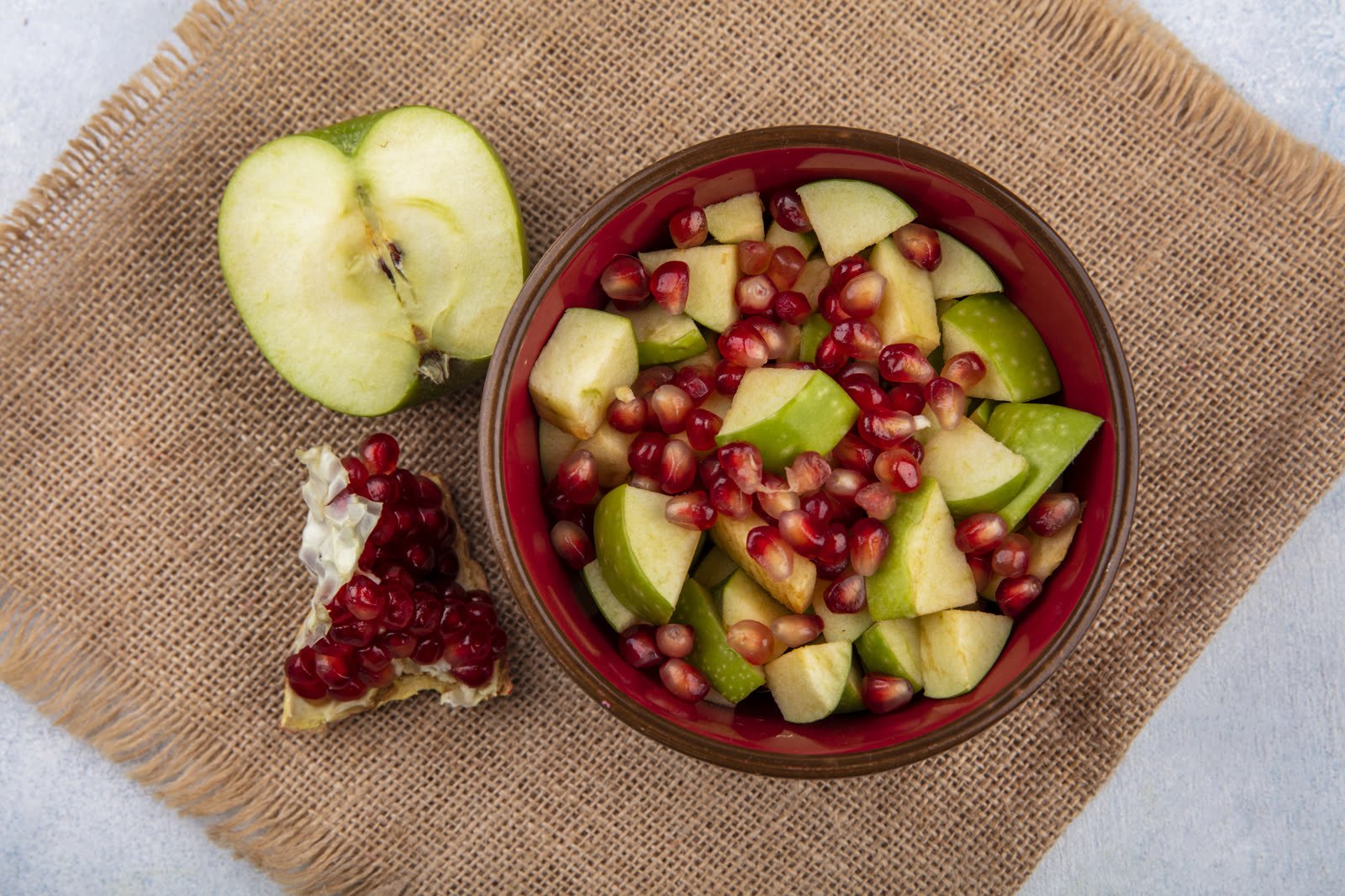
Fruit chaat with black pepper
Fruit chaat is where pepper really surprises people. Sweet fruit, tangy lemon and warm pepper create a flavour that feels much bigger than the few ingredients involved.
For a bowl serving two, take 2 cups of mixed chopped fruit: papaya, banana, apple, pomegranate, guava, early mangoes or melon. Add 1 teaspoon lemon juice, ¼ teaspoon chaat masala, a pinch of black salt and ¼ to ½ teaspoon cracked pepper. Toss and eat within 15 minutes, before the fruit turns watery.
Go easy on salt, because black salt and chaat masala are both salty already, so taste before adding more. Guava with pepper is a combination many people grew up buying from roadside carts, and it works just as well at home.
Grilled vegetables with a simple pepper rub
On evenings when you want something warm but not heavy, grilled or pan-seared vegetables are a good middle path. A tawa, grill pan or oven all work. For 500 g of vegetables (paneer cubes, capsicum, zucchini, mushrooms, baby corn, onion wedges or eggplant slices), mix the following:
| Ingredient | Quantity for 500 g vegetables |
|---|---|
| Freshly cracked black pepper | 1 teaspoon |
| Salt | ¾ teaspoon |
| Lemon juice | 1 tablespoon |
| Oil | 1½ tablespoons |
| Crushed garlic | 2 cloves |
| Dried herbs or ajwain (optional) | ½ teaspoon |
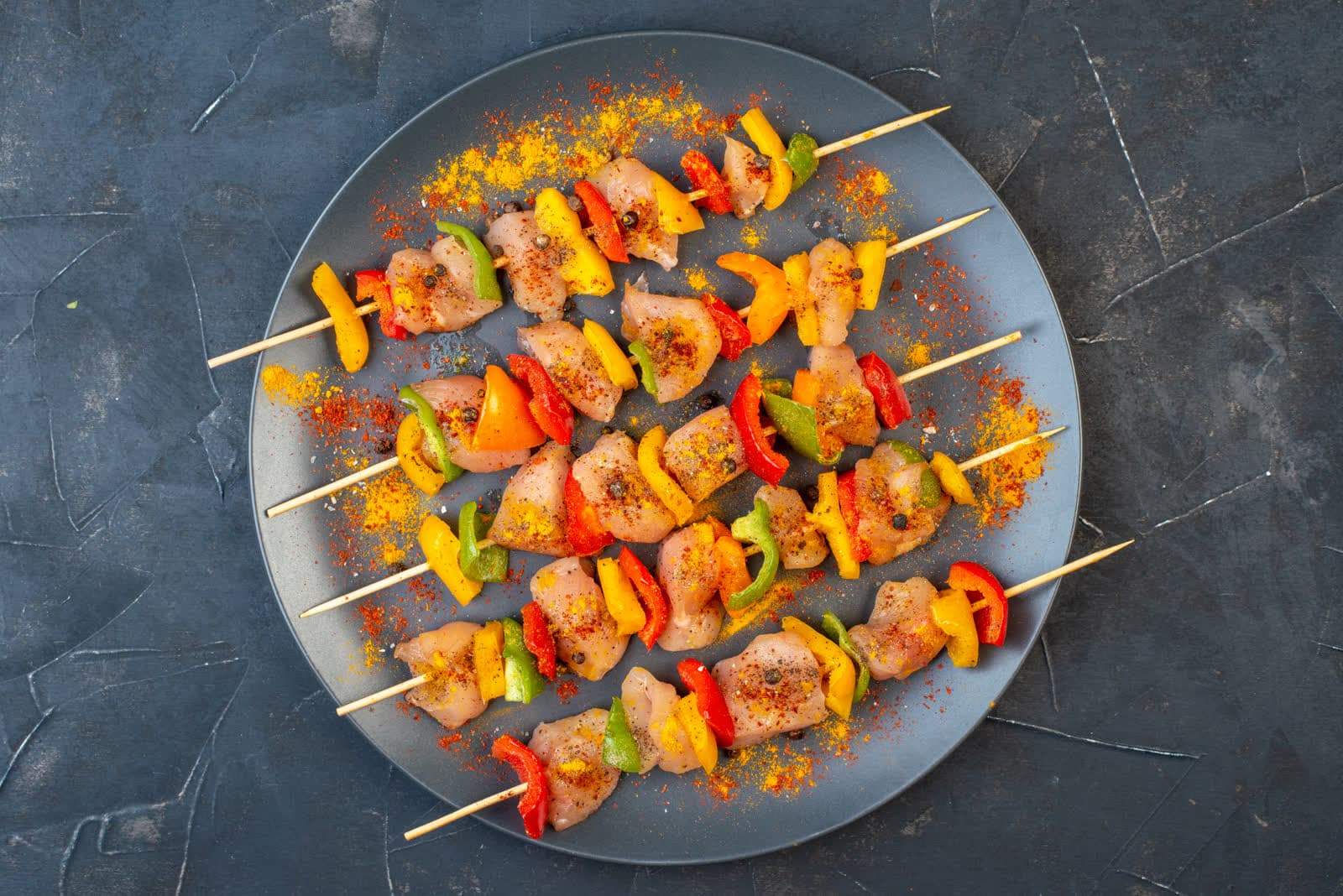
Toss and rest for 15 minutes, then cook on high heat for 6 to 8 minutes, turning once, until charred at the edges. Crack a little more pepper over the top as they come off the heat. The first dose mellows on the grill, and the second brings the fresh aroma back. Serve with one of the raitas above and a phulka for a complete meal.
Lemon-pepper rice and a curd rice tempering
Lemon-pepper rice
This is a quick way to use leftover rice. Heat 1 tablespoon of ghee or oil, add ½ teaspoon mustard seeds, 1 teaspoon chana dal, 1 teaspoon urad dal, a sprig of curry leaves and a pinch of asafoetida. When the dals turn golden, add ¾ teaspoon of coarsely crushed pepper and stir for 10 seconds. Turn off the heat, fold in 2 cups of cooked, cooled rice, salt and the juice of 1 lemon. A handful of roasted peanuts adds crunch.
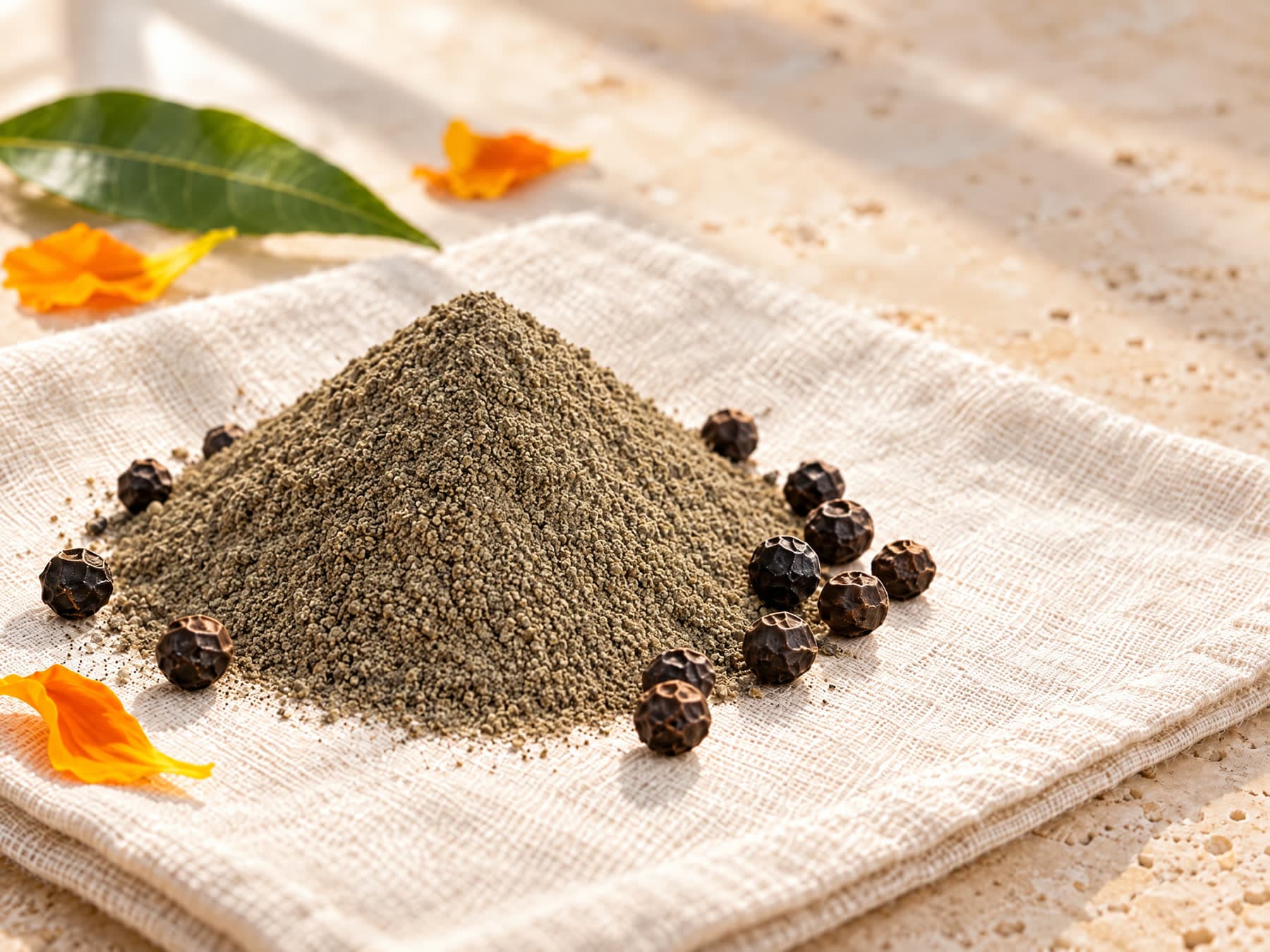
Crushing pepper coarsely, rather than using fine powder, gives little bursts of heat through the rice. If you only have ground pepper, start with about half the quantity and add it after the heat is off. A fresh, well-sealed black pepper powder is handy on busy weekdays.
Curd rice with a pepper tadka
Curd rice is the ultimate summer comfort food in many South Indian homes. Mash 1 cup of soft cooked rice while slightly warm, let it cool, then mix in ¾ cup curd, ¼ cup milk (it slows the rice from turning sour) and salt.
For the tempering, heat 2 teaspoons of oil, add ½ teaspoon mustard seeds, ½ teaspoon urad dal, 8 to 10 lightly crushed peppercorns, 1 teaspoon grated ginger, curry leaves and a pinch of asafoetida. Pour it over the rice. Grated cucumber, pomegranate seeds or a few grapes make it even more refreshing. The peppercorns bloom in the hot oil and perfume the whole bowl without making it fiery.
How much pepper is right in summer?
There is no need to overdo it. For most raw dishes, ¼ to ½ teaspoon per serving is plenty. Our guide on how much black pepper powder to use daily covers everyday amounts in more detail.
Pepper is traditionally considered a warming spice, so in peak heat many people balance it with curd, cucumber, mint and lemon, as the recipes above do. If you are pregnant, on medication or managing a health condition, check with your doctor before changing how much of any spice you eat.
Storage matters more in summer too. Heat and humidity dull pepper faster, so keep whole peppercorns and powder in airtight, resealable packs or jars, away from the stove and direct sunlight.
Frequently asked questions
Is black pepper good to eat in summer?
Yes, in normal culinary amounts. Many people enjoy pepper in summer by pairing it with cooling foods such as curd, cucumber, fruit and lemon, which balance its warmth.
How much black pepper should I add to raita?
About ¼ teaspoon of freshly cracked pepper per cup of curd is a good starting point. Add more at the table if you like it sharper.
Should I use whole or ground pepper for fruit chaat?
Freshly cracked whole pepper gives the brightest aroma in raw dishes like fruit chaat. A fresh, well-sealed pepper powder works when you want an even coating.
Can I add black pepper to curd rice tempering?
Yes. Lightly crush 8 to 10 peppercorns and add them to the hot oil with mustard seeds and urad dal. They add fragrance and a gentle warmth.
How do I keep black pepper fresh in hot, humid weather?
Store it in an airtight container away from heat and light, and grind small amounts as you need them. Whole peppercorns hold their aroma far longer than powder.
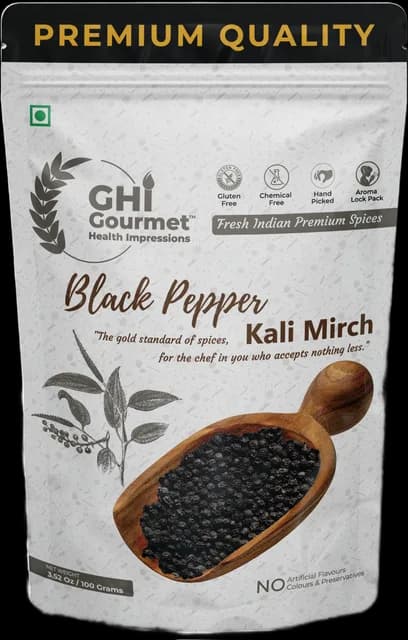
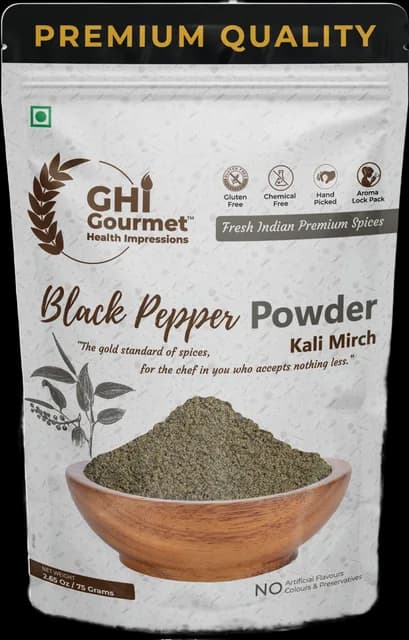
Whatever you cook this summer, start with good peppercorns: well graded, clean and properly sealed. GHI's whole black pepper and pepper powder come in resealable packs, which makes it a little easier to keep that fresh aroma through the warmer months.