17 May 2025
Spice Colour and Quality: Why Bright Isn't Always Better
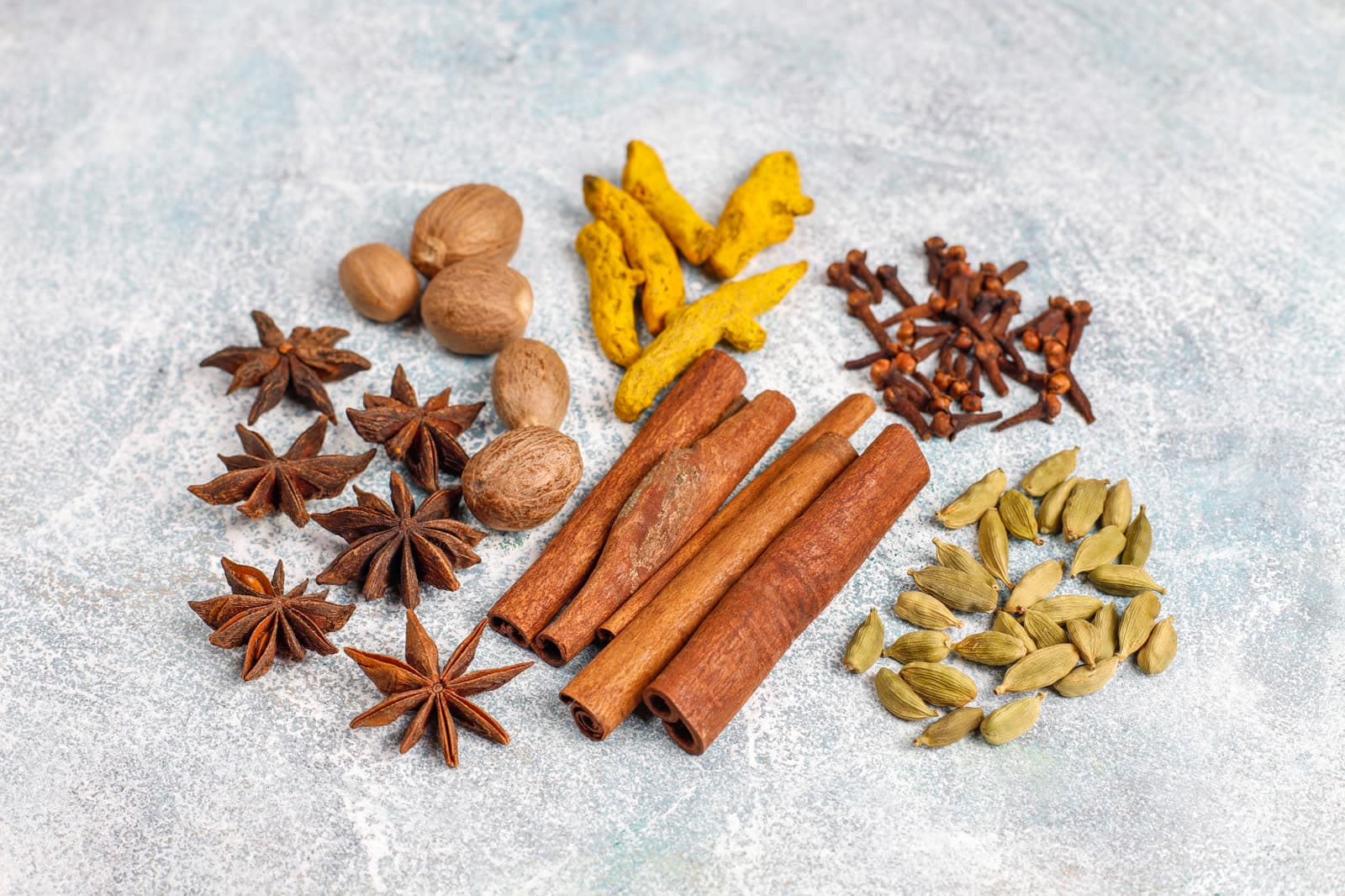
Spice colour and quality are not the same thing, even though a bright, glossy heap at the market is hard to resist. A vivid green cardamom pod or a jet-black, shiny peppercorn can look like the best on offer, yet the most flavourful spices often look quieter and more varied than you expect.
This guide explains what natural colour looks like for four everyday whole spices, why unusually bright or perfectly uniform colour can be a warning sign, and how to judge colour together with aroma and texture before you buy.
Why colour alone can mislead you
Colour is the first thing we notice, so it is also the easiest thing to manipulate. Dyes, polishing oils and sorting purely for looks can make an ordinary or ageing batch appear fresh. Meanwhile, a genuinely aromatic batch may show slight shade differences simply because it is a natural product, dried in open air.
There is also a simple practical reason. The flavour and aroma of spices come mostly from essential oils locked inside the pod, bud, bark or seed. Colour sits on the surface. A spice can keep its colour long after most of its oil has evaporated, and a spice can look slightly dull while still being full of aroma. That is why colour should start your judgement, never end it.
Natural colour of cardamom: green, but not neon
Good green cardamom is a soft, natural green, anywhere from olive to a fresher leaf green. Within one pack you will usually see slight variations in shade. The surface should look matte to faintly sheeny, not wet-looking or lacquered.
What to look for
- Plump, well-filled pods that feel firm when pressed
- A natural green with gentle variation from pod to pod
- Seeds inside that are dark brown to black, slightly sticky and strongly aromatic when crushed
Possible warning signs
- An intense, almost neon green that looks exactly the same on every single pod
- Colour that rubs off on damp fingers or tints water when a pod is soaked
- Pale, straw-coloured pods with light brown seeds, which often suggest old stock, immature pods or long exposure to light
A useful habit is to split one pod before you judge the batch. The outside tells you how it was dried and stored, and the seeds tell you how much flavour is left. Pale seeds with little smell mean the pod is past its best, however green the husk looks. For more on the different kinds, our guide to green and black cardamom varieties explains how they differ.
Clove, black pepper and cinnamon: what normal looks like
Cloves
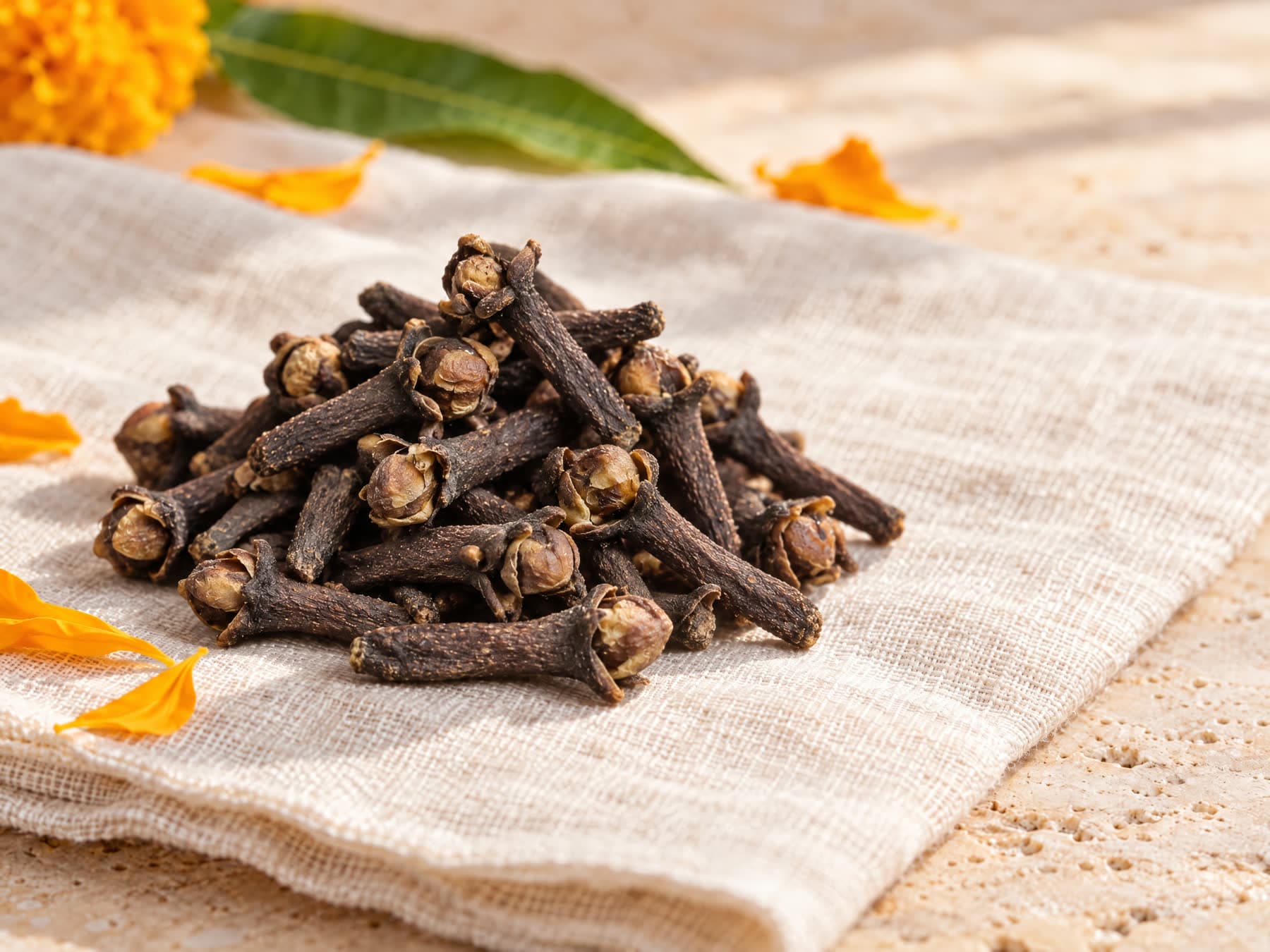
Natural whole cloves are a deep reddish brown to dark brown, with the round head often a shade lighter than the stem. They should look slightly oily and feel firm and heavy for their size. Very pale, shrivelled, lightweight cloves may be old or may have lost much of their oil, and they will taste flat. Cloves that are almost black and brittle, or that have many broken heads, have usually been stored too long or too warm.
A quick check: press the head of a clove with your fingernail. A fresh, oil-rich clove often leaves a faint oily mark and releases a strong, sweet aroma. When buying, look for whole cloves with intact heads and an even, natural brown.
Black pepper
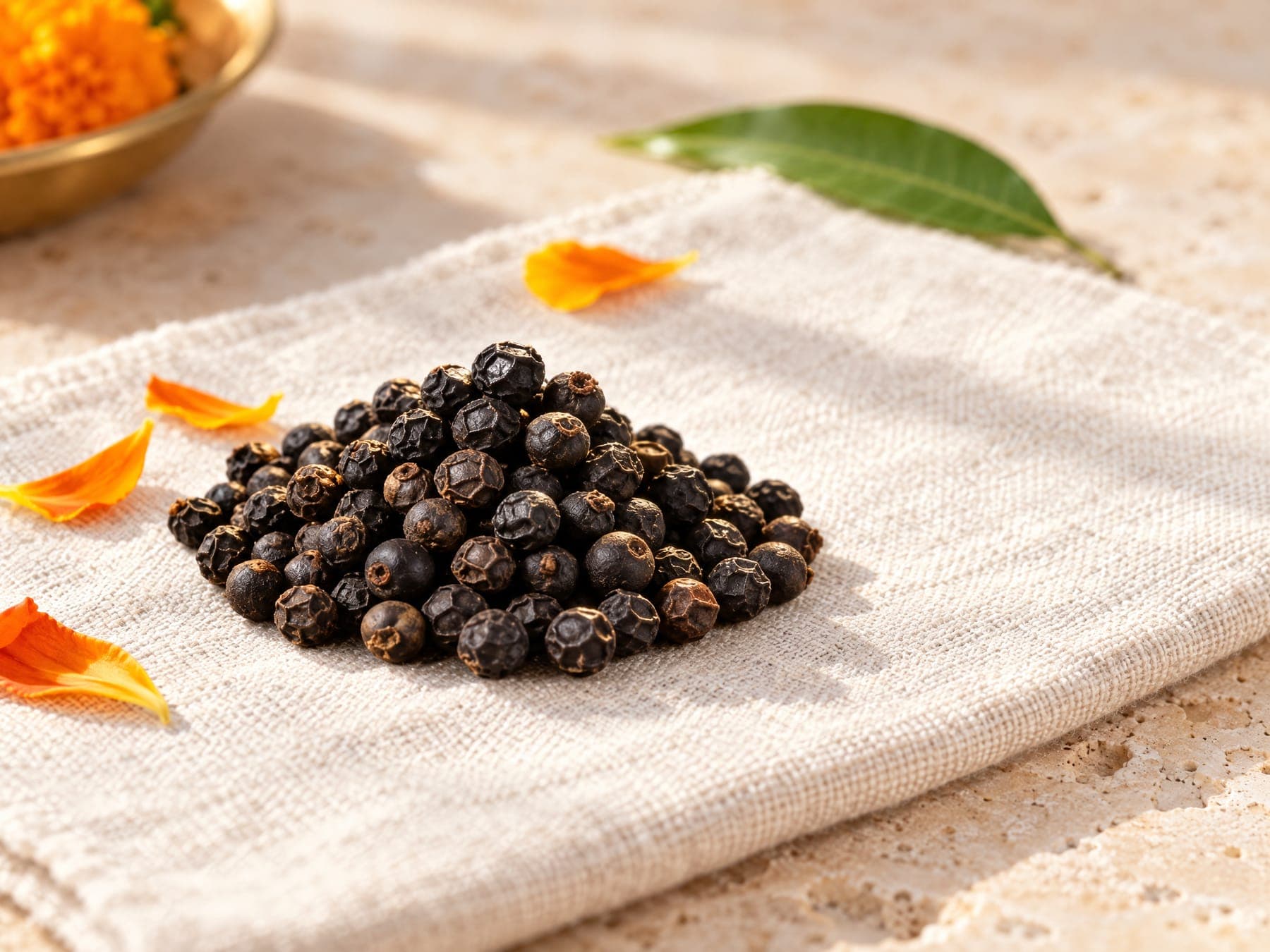
Real black peppercorns are dark brown to greyish black, with deep wrinkles across the surface. What should make you pause is a uniform, glossy, almost polished black, because an oily shine can sometimes be added to make dull pepper look fresh.
Also look out for corns that are lighter, smoother and more oval than the rest. These may not be pepper at all. Graded whole black pepper should look consistent in size, with natural wrinkles and a sharp, woody, slightly citrusy smell when cracked.
Cinnamon
Cinnamon colour depends on the type. Thin, papery quills are usually light tan to golden brown, while thicker, harder bark is a deeper reddish brown. Both are natural. Ground cinnamon should be a warm tan to brown. A suspiciously bright orange or red powder, or one that looks dusty grey, is worth questioning.
Why perfectly uniform colour can be a red flag
Spices are dried fruits, buds, seeds and bark. Sun, soil, drying speed and the exact day of picking all nudge the colour a little. So a pack where every single piece is the same exact shade, especially a very bright one, is unusual for a natural product.
There is an important difference, though, between uniform size and uniform colour:
- Uniform size is a good sign. Grading sorts spices by size and density, so a well-graded batch of cardamom or pepper should look even in size. Larger, heavier pods and corns are generally more mature and better filled.
- Slight colour variation is normal. Even within a carefully graded lot you should see gentle differences in shade.
- Identical, intense colour with a shiny or wet look is the combination to be cautious about.
The same logic applies to powders. Ground spices always look more uniform than whole ones, which is exactly why it is harder to judge them by eye. Cardamom powder made mostly from seeds, for example, tends to be a greyish brown flecked with green, not a bright green. With powders, your nose matters more than your eyes.
How to judge colour together with aroma and texture
The most reliable approach is to use all your senses together. Here is a simple routine that takes less than a minute.
- Look in natural light. Shop lighting, especially warm or coloured bulbs, can make spices look richer than they are.
- Smell as soon as the pack is open. Good whole spices release aroma the moment you open them. If you need to crush a piece to smell anything at all, much of the oil has gone.
- Touch and weigh. Fresh pods, buds and corns feel firm and heavy for their size. Light, hollow or crumbly pieces are usually old or poorly filled.
- Break one open. Split a cardamom pod, crack a peppercorn, snap a cinnamon quill. The inside should be fragrant and look natural, not pale and dusty.
- Check for dust and debris. A lot of powder, broken pieces or stalks at the bottom of a pack suggests rough handling or old stock.
Quick comparison table
| Spice | Natural colour | Be cautious if | Best confirming check |
|---|---|---|---|
| Green cardamom | Olive to leaf green, slight variation | Neon green, identical on every pod, colour rubs off | Split a pod: dark, sticky, fragrant seeds |
| Clove | Reddish brown to dark brown, head a little lighter | Very pale and shrivelled, or black and brittle | Press the head: oily feel, strong aroma |
| Black pepper | Dark brown to greyish black, deeply wrinkled | Glossy, polished, uniformly jet black, or smooth light corns mixed in | Crack one: sharp, woody, citrusy smell |
| Cinnamon | Light tan to reddish brown, depending on type | Bright orange or red powder, dull grey dust | Rub a pinch: sweet, warm aroma |
Colour, storage and how spices change at home
Once spices reach your kitchen, colour becomes a helpful signal again, because now you know their history. Light, heat and air slowly fade both colour and aroma. Cardamom stored in a clear jar on a sunny shelf can turn noticeably paler within weeks, and ground spices lose their brightness faster than whole ones.
A few habits keep both colour and flavour intact:
- Store spices in opaque containers, or in their resealable packs inside a closed cupboard
- Keep them away from the stove, oven and window
- Buy whole spices where possible and grind small amounts as needed
When buying, it also helps to choose brands that grade their spices, state clearly what is in the pack and carry recognised food safety registrations. Clean sourcing and certified handling will not change a spice's colour, but they reduce the chances of anything being added to change it for you. If you ever suspect a spice has been coloured or polished, it is best not to use it.
Frequently asked questions
Is bright green cardamom better quality?
Not necessarily. Good cardamom is a natural green with slight variation. An unusually bright, identical green on every pod can be a sign of added colour.
Why is my cardamom turning pale?
Light, air and age fade cardamom. Pods kept in clear jars or near a window lose colour faster. Pale pods with pale seeds and little aroma are past their best.
Why does some black pepper look shiny?
Pepper can have a faint natural sheen, but a uniform, oily, polished gloss is worth questioning because it may be added to make older pepper look fresh. Real pepper is wrinkled and slightly varied in shade.
What colour should good cloves be?
Good whole cloves are reddish brown to dark brown, with intact heads that are often slightly lighter. They should feel firm and a little oily, not pale, hollow or brittle.
Does colour affect the flavour of a spice?
Not directly. Flavour comes mainly from essential oils, which can fade while the colour stays. Use colour as a first clue, then confirm with smell, texture and a quick taste.
The best spices rarely shout. They look natural, feel heavy and fill the room when you open the pack. GHI grades its whole spices with that in mind, but whichever brand you choose, trust your nose as much as your eyes.