28 May 2025
Ceylon vs Cassia Cinnamon: How to Tell Them Apart
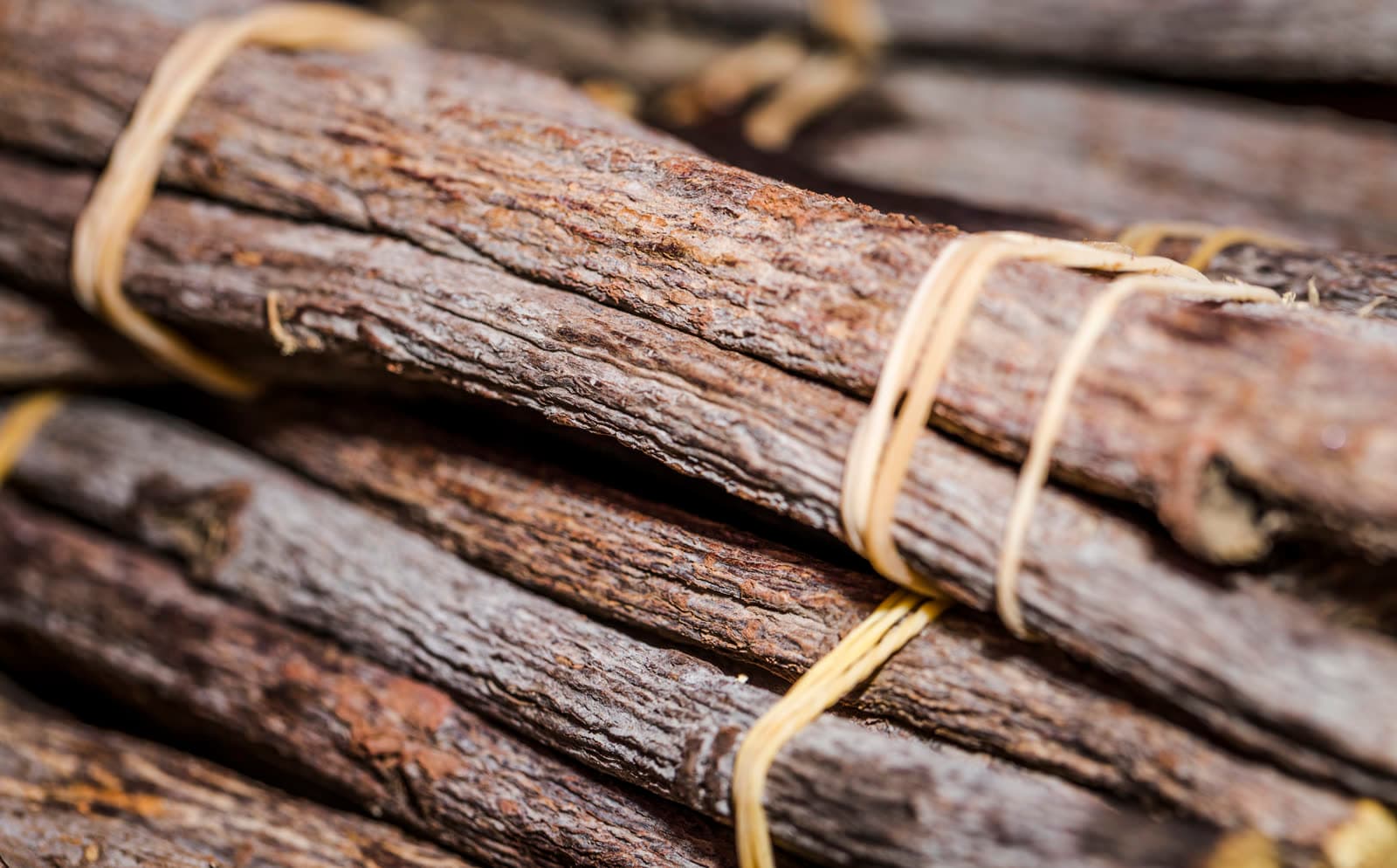
Pick up a pack labelled dalchini at an Indian market and you could be holding one of two quite different spices. The Ceylon vs cassia cinnamon question matters more than most cooks realise, because the two differ in look, taste, texture and even how much of them you may want to use. Here is how to tell them apart, and which one suits which dish.
Ceylon vs cassia cinnamon: two barks, one name
Both spices are the dried inner bark of trees in the Cinnamomum family, and both are sold simply as cinnamon. Ceylon cinnamon comes from Cinnamomum verum, also listed as Cinnamomum zeylanicum, and is often called true cinnamon. Cassia is a broader group that includes Chinese cassia (Cinnamomum cassia), Indonesian cinnamon (Cinnamomum burmannii) and Vietnamese or Saigon cinnamon (Cinnamomum loureiroi).
In many Indian kitchens, the thick, hard dalchini sticks that go into biryani and garam masala are cassia types. Ceylon cinnamon is also widely available, but it looks and behaves very differently. Once you know what to look for, you will never confuse the two again.
How to tell them apart by look and texture
The easiest test is to look at a stick end-on. The way the bark is rolled tells you almost everything.
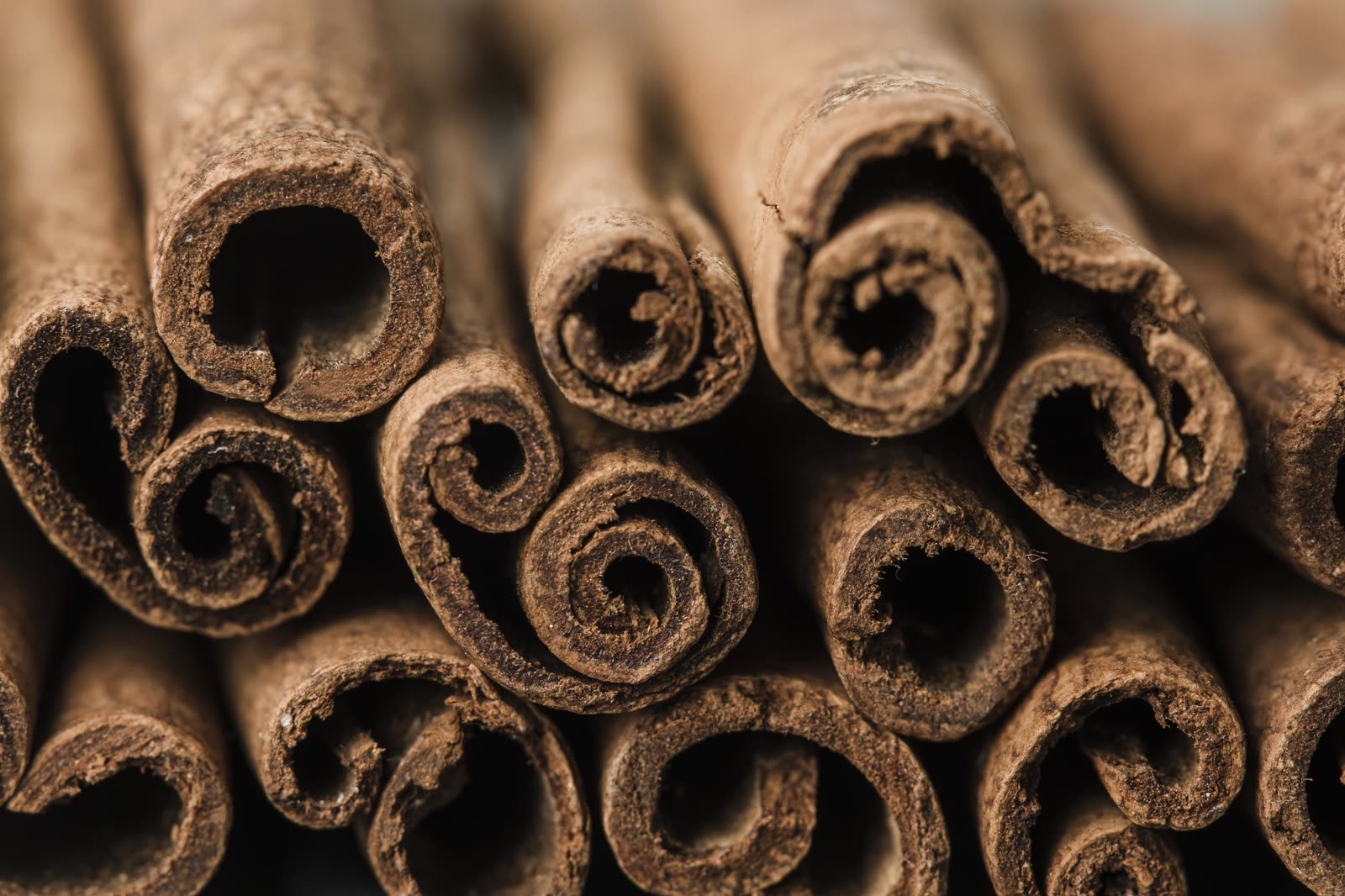
Ceylon cinnamon
- Shape: many thin, papery layers rolled together, rather like a cigar. The quill looks tightly packed and solid from the end.
- Colour: light tan to pale brown.
- Texture: soft and brittle. It snaps and crumbles easily in your fingers and grinds without much effort.
Cassia cinnamon
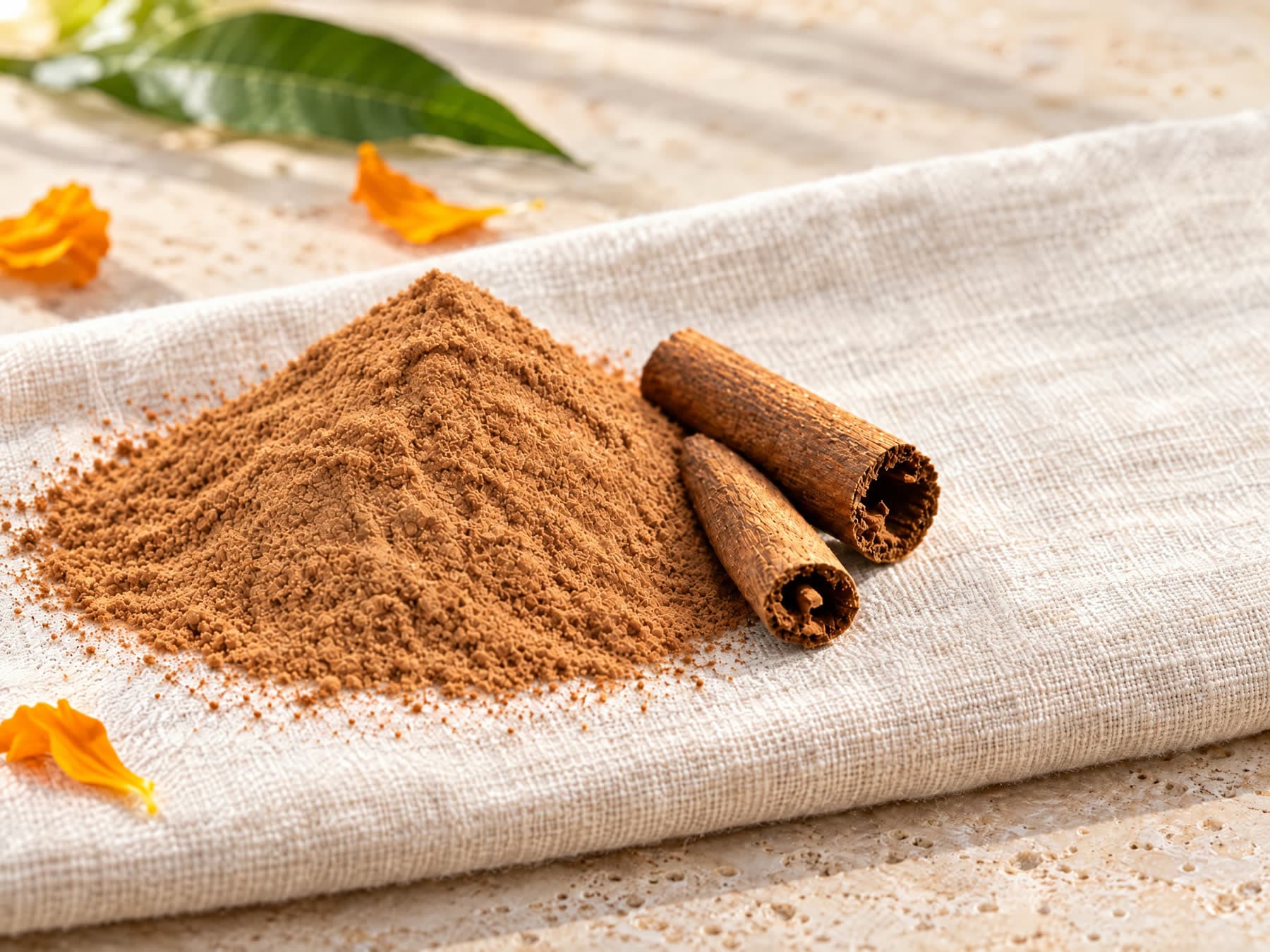
- Shape: a single thick layer of bark that curls inward, often from both sides like a scroll, leaving a hollow middle.
- Colour: darker, reddish brown, often with a rough outer surface.
- Texture: very hard. It is difficult to snap by hand and tough on a home mixer.
What about ground cinnamon?
Powders are harder to judge. Ceylon powder is usually lighter and tan, with a softer, sweeter smell. Cassia powder tends to be darker and reddish, with a stronger, spicier aroma. Colour alone is not a reliable test, though, so the label becomes your best guide.
How Ceylon and cassia differ in taste and aroma
Ceylon cinnamon is delicate. It tastes sweet and lightly floral, with soft citrus notes and very little heat. It is the kind of cinnamon that whispers rather than shouts.
Cassia is bold. It has the strong, spicy-sweet aroma most people think of as cinnamon, with a warm, slightly hot and faintly bitter edge. It stands up well to long cooking and strong flavours, while Ceylon can get lost in a heavily spiced curry.
Try a simple home test: break off a tiny piece and chew it. Cassia gives a sharp, warming tingle almost immediately. Ceylon tastes gentler, sweeter and more rounded.
| Feature | Ceylon cinnamon | Cassia cinnamon |
|---|---|---|
| Botanical name | Cinnamomum verum (zeylanicum) | Cinnamomum cassia, burmannii, loureiroi |
| Stick | Many thin layers, cigar-like | One thick layer, hollow scroll |
| Colour | Light tan | Reddish brown |
| Texture | Brittle, easy to grind | Hard, difficult to grind |
| Flavour | Sweet, floral, mild | Strong, spicy, slightly hot |
| Coumarin | Very low | Considerably higher |
| Best for | Desserts, drinks, baking | Biryani, curries, garam masala |
Which cinnamon suits which dish?
Neither is better in every situation. They simply do different jobs.
Reach for cassia when
- You are making biryani, pulao or a whole-spice tadka for chole, rajma or meat curries. A 1 to 2 inch stick is usually enough for a pot serving four.
- You are roasting and grinding garam masala, where cassia's strength balances cumin, coriander and whole cloves.
- The dish cooks slowly for a long time and needs a spice that holds its character.
Reach for Ceylon when
- You are making kheer, phirni, sheera or other milk-based sweets.
- You want a gentle warmth in chai, coffee or a summer smoothie.
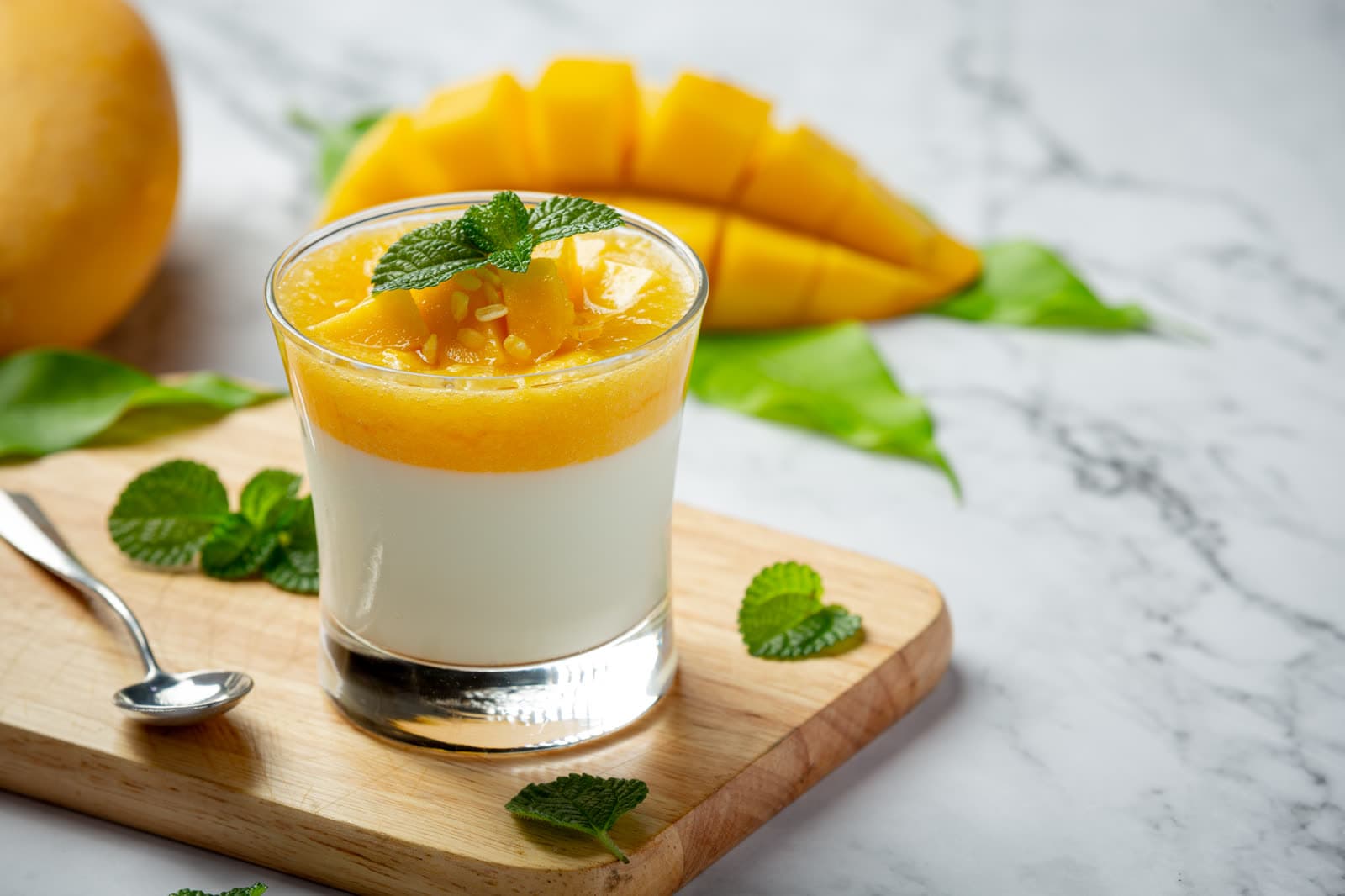
- You are baking cakes or cookies, or pairing cinnamon with fruit, such as a mango and cinnamon dessert this season.
- You like to sprinkle cinnamon on your oats or curd most days.
For baking and drinks, a fine, fresh cinnamon powder is often more practical than sticks, because it disperses evenly. Whatever type you use, freshness makes the biggest difference: an old powder of either kind will taste of dust rather than spice.
Coumarin: why moderation matters with cassia
Cinnamon naturally contains a compound called coumarin, which gives it part of its sweet, hay-like scent. Cassia types generally contain considerably more coumarin than Ceylon cinnamon.
For most people, the amounts used in everyday cooking, such as a stick in biryani or a pinch in chai, are not a cause for concern. It becomes more relevant if you take cinnamon in large amounts every day, for example spoonfuls in drinks or as a supplement, because a high coumarin intake over time may affect the liver in sensitive people.
A sensible approach is to enjoy cassia in cooking, choose Ceylon if you like cinnamon daily in larger amounts, and keep quantities moderate either way. Anyone who is pregnant, on medication, or living with a liver or other health condition should check with a doctor before taking cinnamon regularly beyond normal food amounts. For a broader look at how cinnamon fits into everyday wellness routines, see our piece on cinnamon for health and wellness.
What to look for on a cinnamon label
A good label tells you more than just the word cinnamon. Here is a quick checklist.
- Botanical name. Cinnamomum verum or zeylanicum means Ceylon. Cinnamomum cassia, burmannii, loureiroi or aromaticum means a cassia type.
- Clear claims. Words like true cinnamon are only meaningful when backed by the botanical name. If the pack says only cinnamon or dalchini, it could be either.
- Ingredients. The list should say 100 percent cinnamon, with no added sugar, fillers, colour or anti-caking agents.
- Dates. Look for a packing date and best-before date, and pick the freshest you can find.
- Certifications. An FSSAI licence number is a must in India. Food safety systems such as ISO 22000 and registration with bodies like the Spices Board suggest careful processing and handling.
- Packaging. Opaque, resealable packs protect the aroma far better than loose bags or clear plastic.
For sticks, also check that the quills are intact, dry and fragrant when snapped. Any damp patches, musty smell or white spots mean the bark has been poorly stored.
Frequently asked questions
What is the difference between Ceylon and cassia cinnamon?
Ceylon cinnamon has thin, papery layers, a light tan colour and a sweet, mild flavour. Cassia is a single thick, hard layer of darker bark with a stronger, spicier taste and more coumarin.
Is the dalchini sold in India Ceylon or cassia?
It can be either. Many of the thick, hard dalchini sticks used in Indian cooking are cassia types, while Ceylon is usually sold as thin, brittle quills. Check the stick shape or the botanical name on the label.
Which cinnamon is better for daily use?
If you like to have cinnamon every day in larger amounts, Ceylon is often suggested because it contains much less coumarin. In normal cooking amounts, either type is fine for most people.
Can I substitute cassia for Ceylon cinnamon in recipes?
Yes, but start with a little less cassia, as it is stronger and hotter. When swapping Ceylon in for cassia in a curry or biryani, you may need a slightly larger piece.
How can I tell if ground cinnamon is Ceylon or cassia?
Ceylon powder is usually lighter and sweeter-smelling, while cassia is darker and spicier. Colour is only a rough guide, so the botanical name on the label is the most reliable way to know.
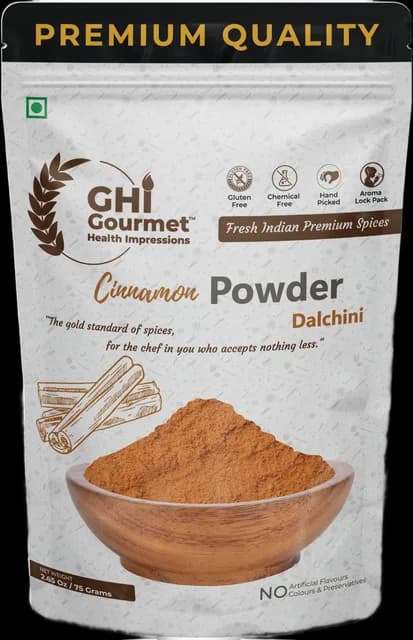
Knowing your cinnamon helps you use it well, and freshness is what makes it shine. GHI's cinnamon powder, like our other graded spices, is free of additives and preservatives and comes in a resealable pack. You can find it alongside our whole spices whenever your kitchen needs a refresh.