10 July 2024
Masala Chai Recipe: Perfect Spice Ratio for Monsoon Chai
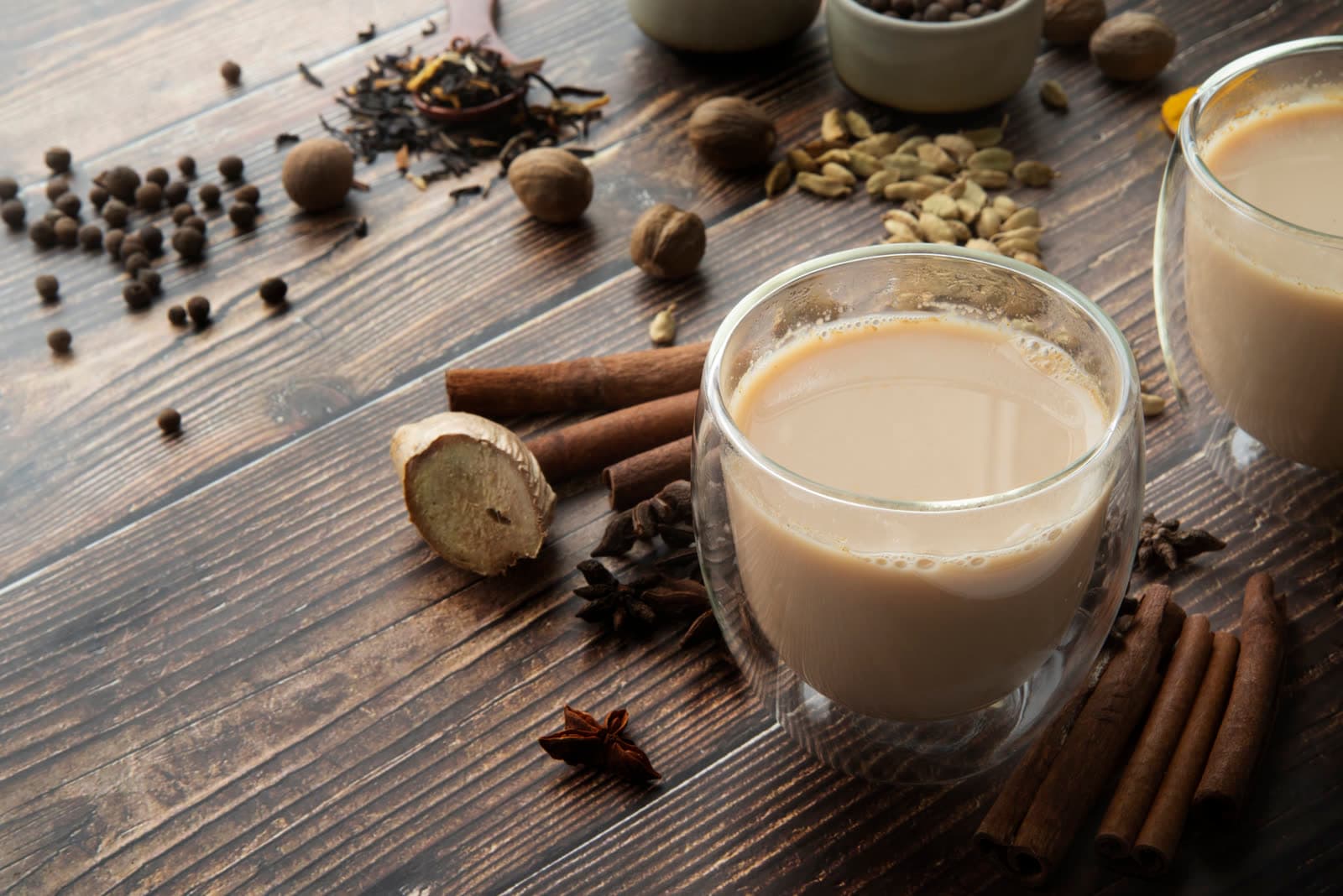
The first heavy shower of the monsoon sends half of India straight to the kitchen, and the kettle goes on before anyone asks. A well-balanced masala chai recipe turns a grey, drizzly evening into something to look forward to, and more of us are now chasing that cafe-style cup at home: a clear spice warmth, a creamy body and no bitter edge. The secret is not a fancy machine. It is the ratio of cardamom, clove, black pepper and cinnamon, and the order in which they meet the pot.
Why Masala Chai Tastes Better in the Monsoon
Rainy days bring cool, damp evenings, and our instinct is to reach for something hot and fragrant. Warming spices have been part of Indian monsoon kitchens for generations, and many people find that a spiced cup simply feels right when the windows are fogged up and the pakoras are frying.
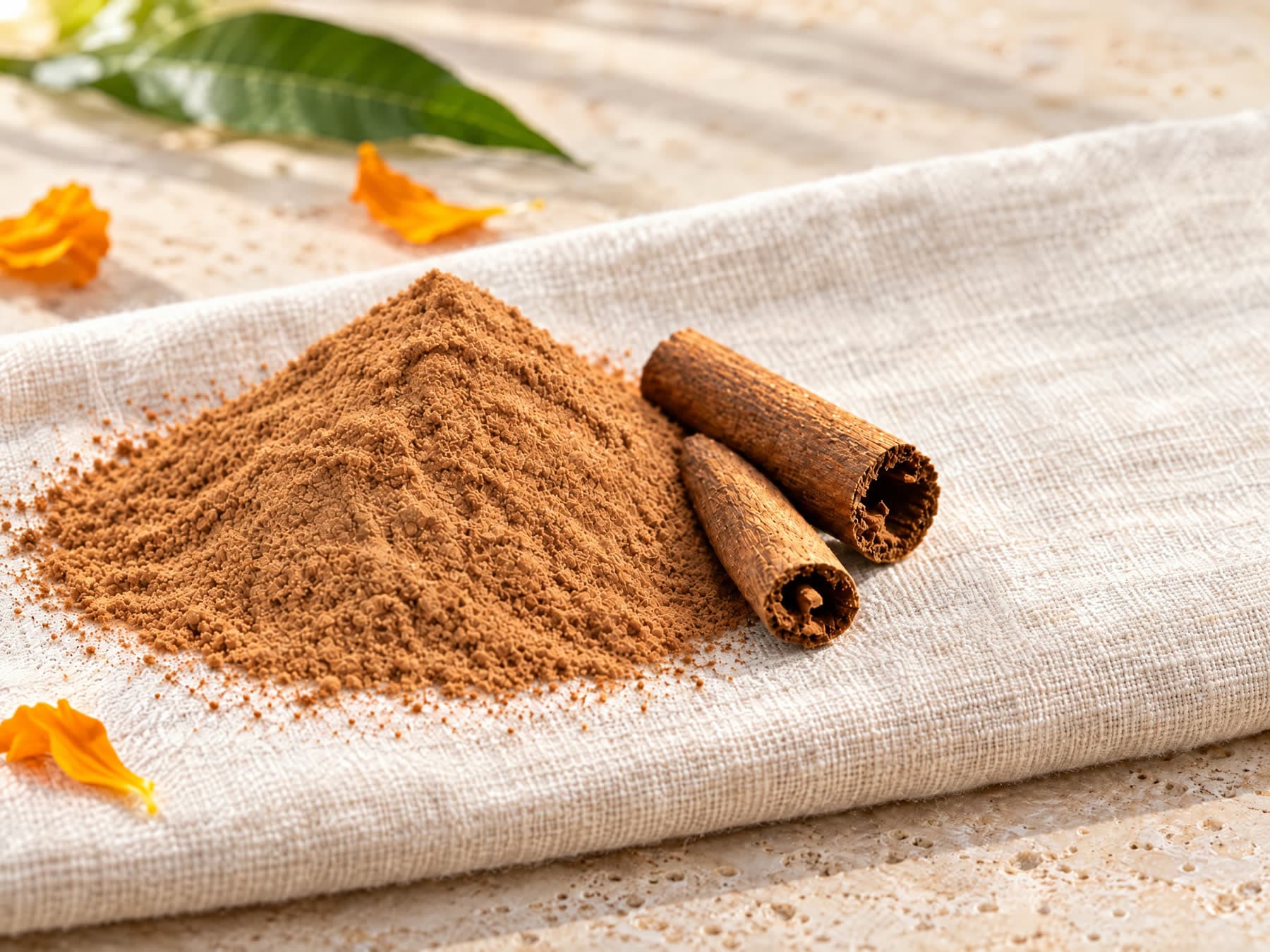
Each spice plays a clear part. Green cardamom brings a sweet, floral lift. Cinnamon rounds everything out with gentle sweetness. Clove adds depth and a slight numbing warmth, while black pepper gives a quiet heat at the back of the throat. When the four are balanced, no single spice shouts, and the tea itself still comes through.
Most families have a house style, often measured by hand and memory. That is lovely, but if you want the same cup every single time, the way a good cafe serves it, you need to measure at least once and then adjust.
The Ideal Chai Masala Ratio: Cardamom, Clove, Black Pepper and Cinnamon
Think of the four spices as a team with one lead. Cardamom is the star, cinnamon is the supporting act, and clove and black pepper are accents that should be felt rather than tasted on their own. Below is a dependable starting ratio for a dry homemade chai masala that you can grind once and store for a few weeks.
| Spice | For a small jar | Ratio by weight | What it does in the cup |
|---|---|---|---|
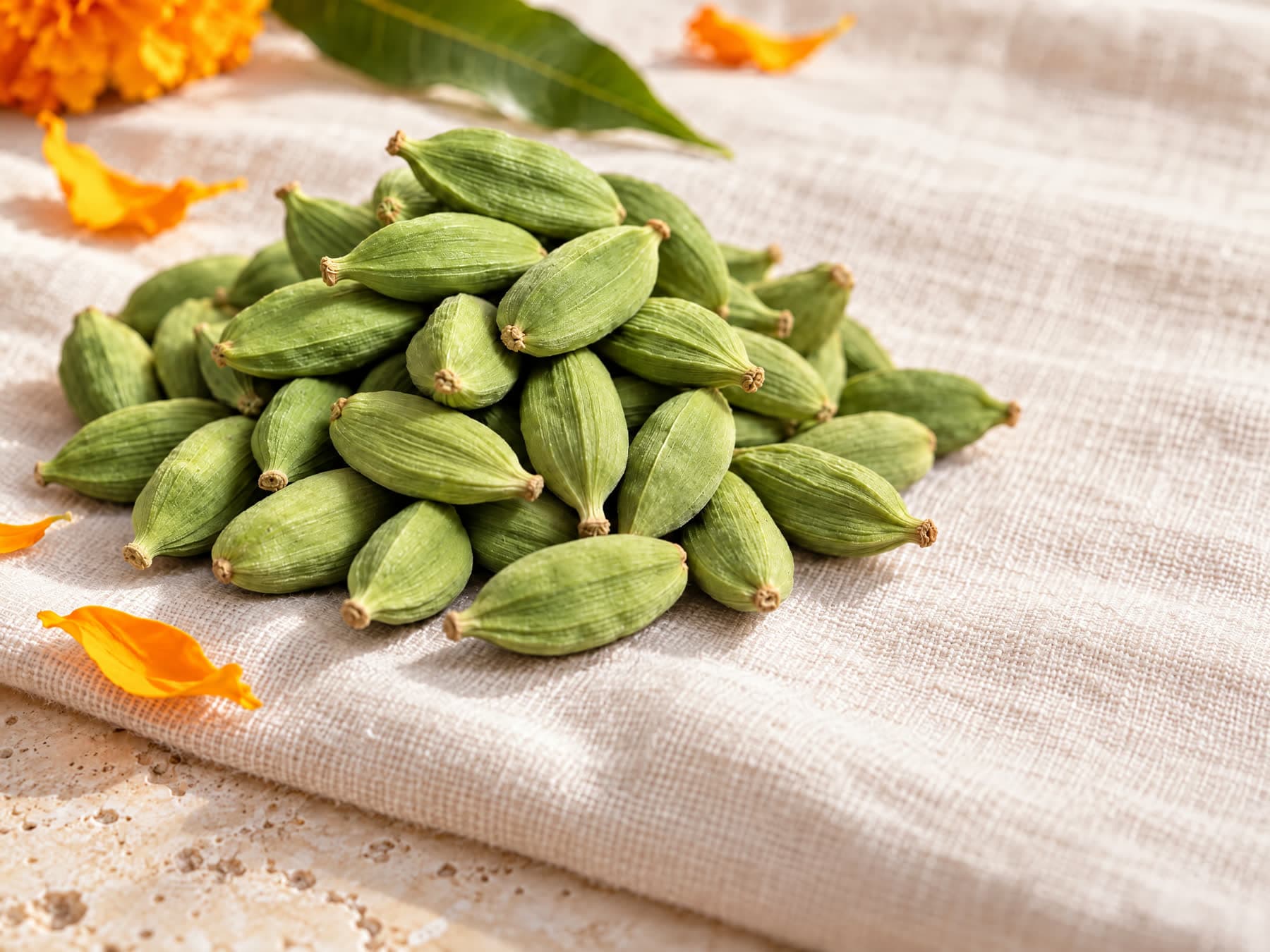
| Green cardamom pods | 20 g | 5 parts | Floral sweetness, the signature aroma |
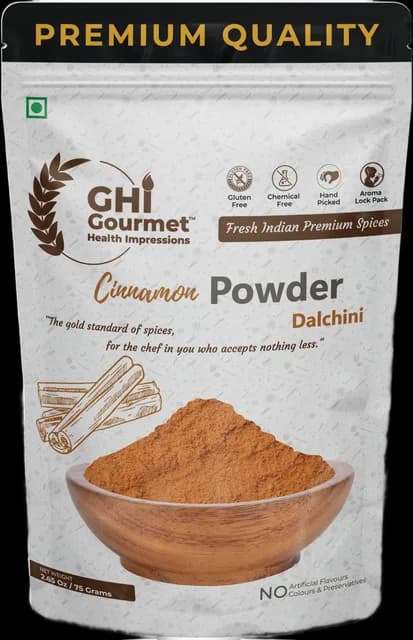
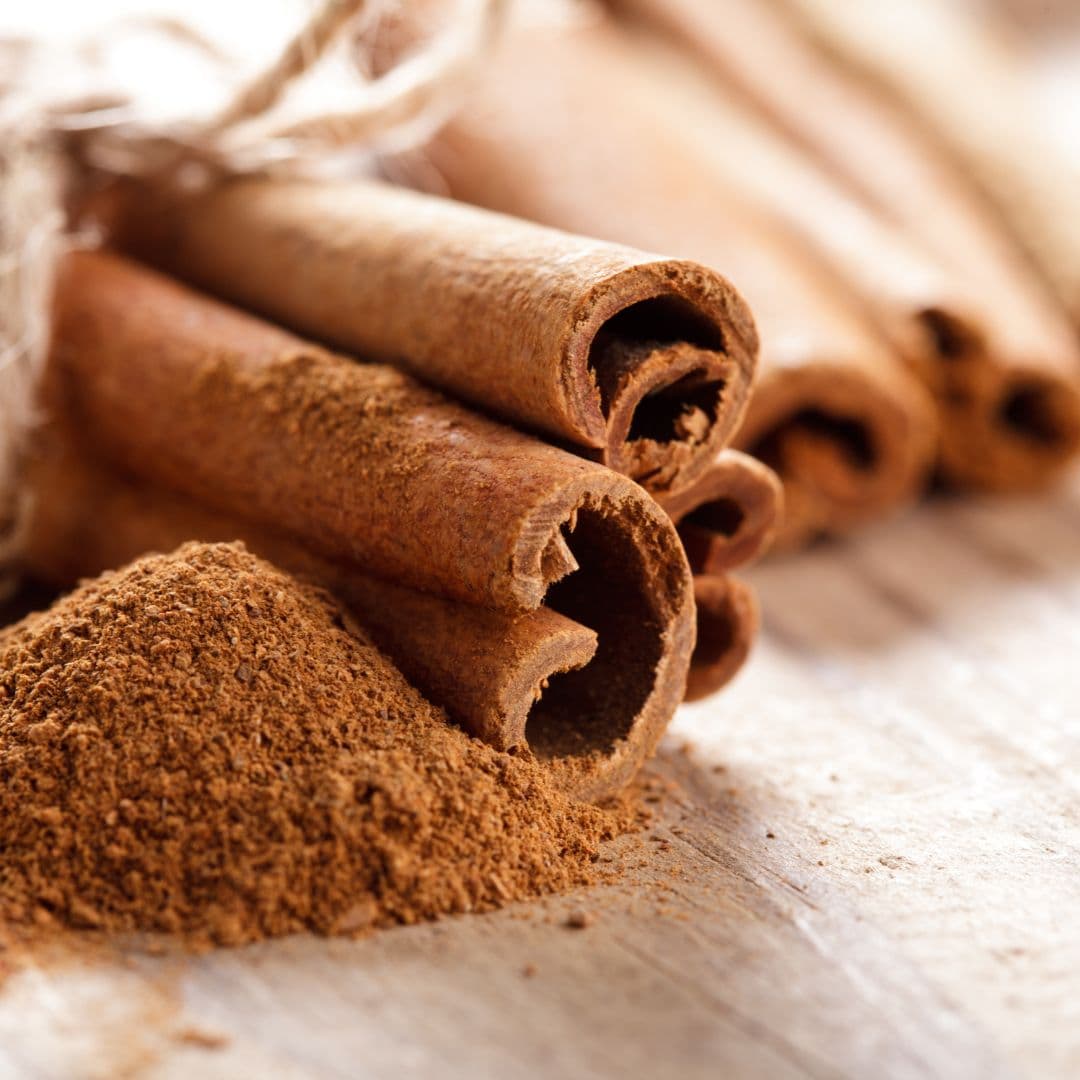
| Cinnamon sticks, broken | 10 g | 2.5 parts | Soft, woody sweetness that rounds the blend |
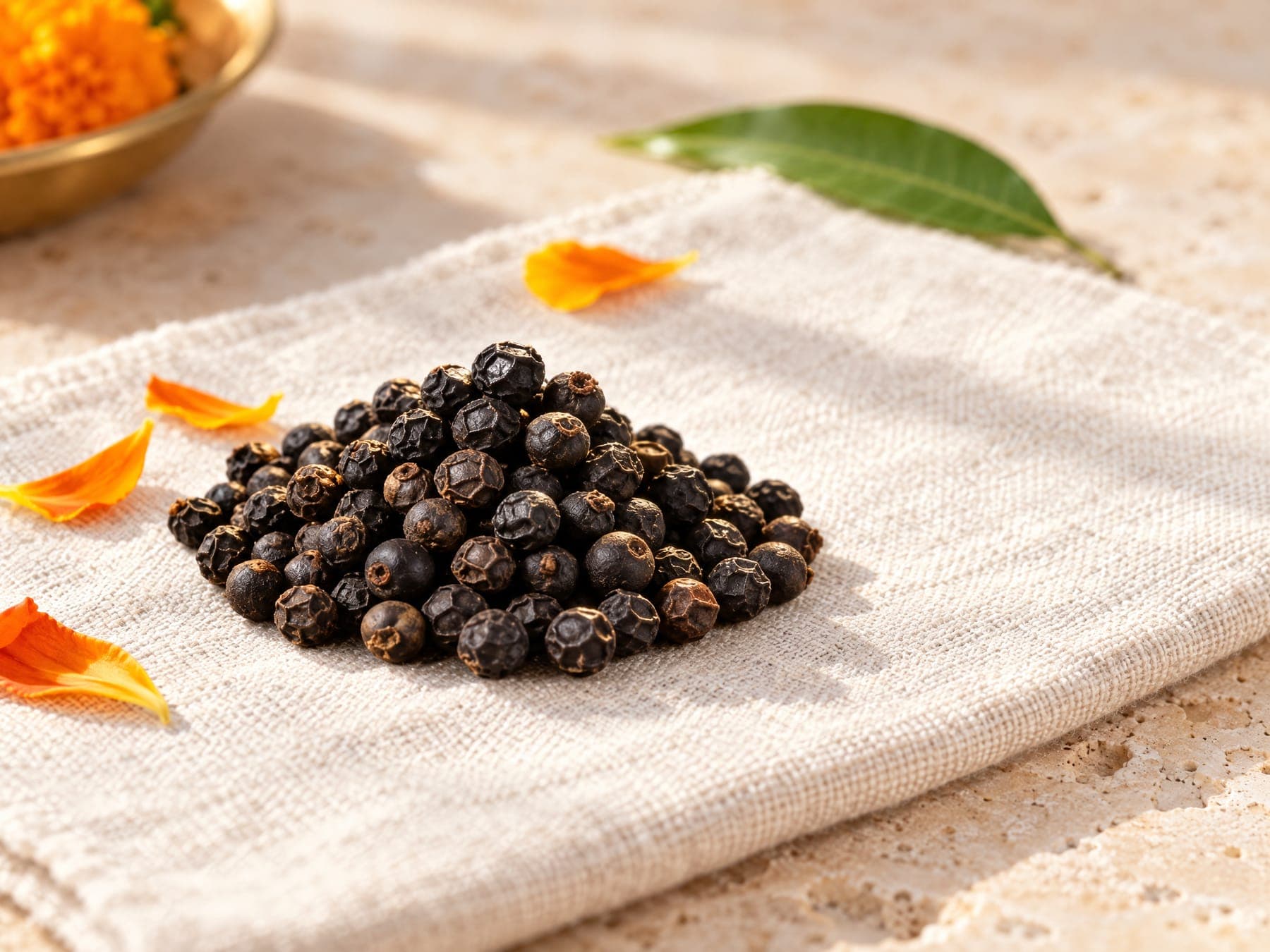
| Black peppercorns | 8 g | 2 parts | Gentle heat and a lingering finish |
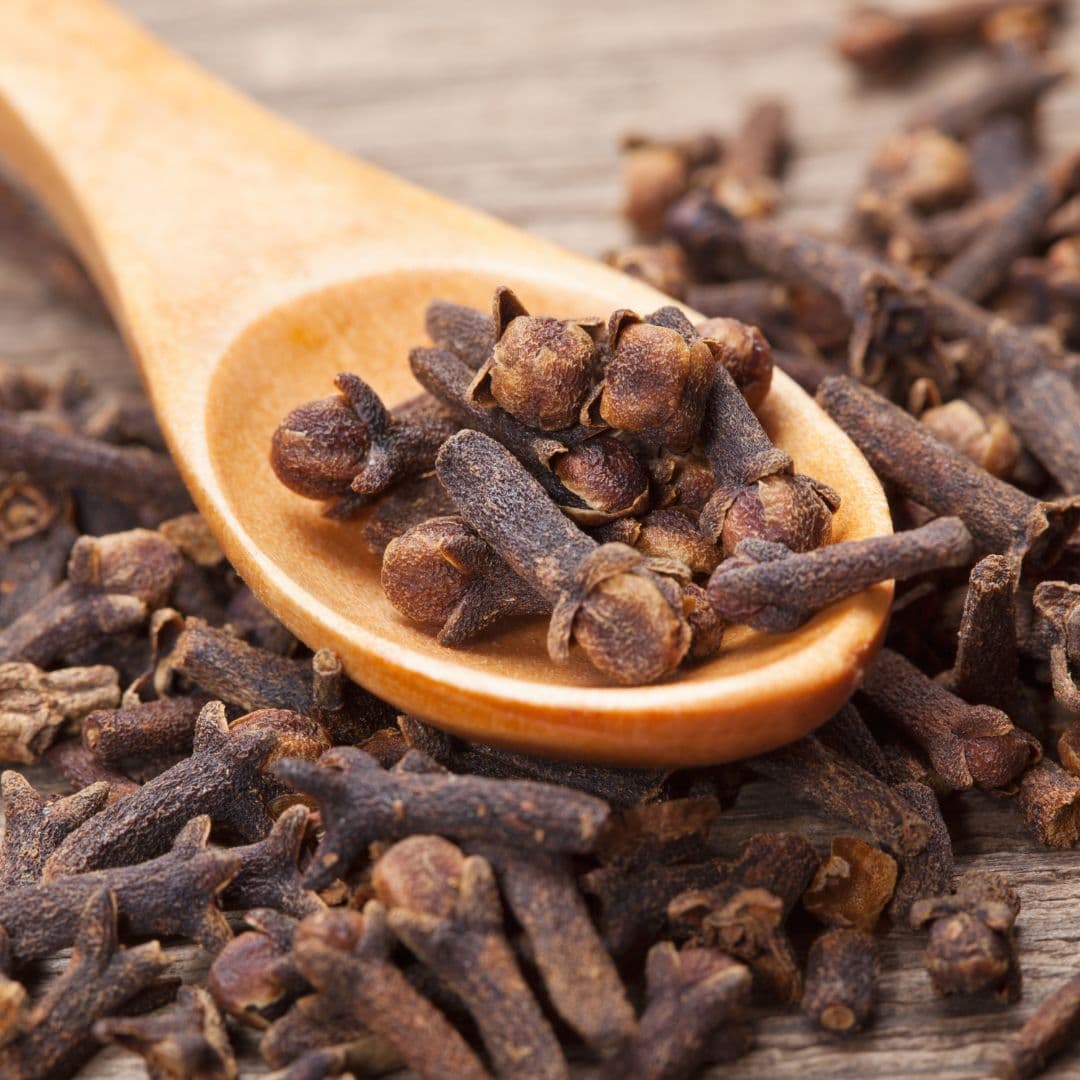
| Cloves | 4 g | 1 part | Depth and warmth, used sparingly |
| Dry ginger powder (optional) | 10 g | 2.5 parts | Sharp warmth, lovely on rainy days |
Lightly dry-roast the whole spices on a low flame for 1 to 2 minutes until just fragrant, cool them completely, then grind to a fine powder and stir in the dry ginger. Use about 1/4 teaspoon per cup for a mild chai and up to 1/2 teaspoon if you like it bold.
Fresh whole spices for a single pot
If you prefer crushing spices fresh for each brew, this is the ratio for two cups:
- 3 green cardamom pods, lightly cracked so the seeds show
- 2 cloves
- 3 to 4 black peppercorns, coarsely crushed
- A 2 cm piece of cinnamon stick, or a small pinch of cinnamon powder added with the tea leaves
- 1 cm fresh ginger, crushed (optional but traditional in the rains)
Adjusting the ratio to your taste
Start with the numbers above, then tweak one spice at a time. If the chai tastes flat, add one more cardamom pod. If it feels too sweet and perfumed, add one more peppercorn. Clove is the spice to be careful with: a third clove in two cups can tip the flavour towards medicinal and slightly bitter.
Step-by-Step Cafe-Style Masala Chai at Home
Cafe-style chai is all about body and a clean spice aroma. This method makes two generous cups.
- Crush the spices in a mortar and pestle just before you begin. Cracked, not powdered, is ideal for whole spices.
- Bring 1 cup of water to a boil in a saucepan and add the crushed spices and ginger. Let them simmer for 2 to 3 minutes. This gives the essential oils time to open up in the water.
- Add 2 heaped teaspoons of strong CTC tea leaves and boil for about 1 minute, until the water turns a deep amber.
- Pour in 1 cup of full-fat milk and bring it back to a rolling boil.
- Lower the flame and let it simmer for 2 to 3 minutes. Lift a ladleful and pour it back from a height a few times. This "pulling" aerates the chai and gives it that creamy, frothy cafe texture.
- Add sugar to taste, usually 2 to 3 teaspoons for two cups, and stir until dissolved.
- Strain into cups and serve straight away, ideally with something crisp and fried on the side.
The order matters. Spices simmered in water release their flavour better than spices dropped into milk, where the fat tends to mute them. Ginger also goes into the water first, because adding fresh ginger directly to hot milk can sometimes make it split.
Whole Spices vs Ready Chai Masala: Why Freshness Changes the Cup
The aroma you love in chai comes from volatile essential oils inside each spice. Once a spice is ground, those oils start escaping into the air, which is why an old box of chai masala smells dusty rather than sweet. Whole spices, stored well, hold on to their aroma far longer.
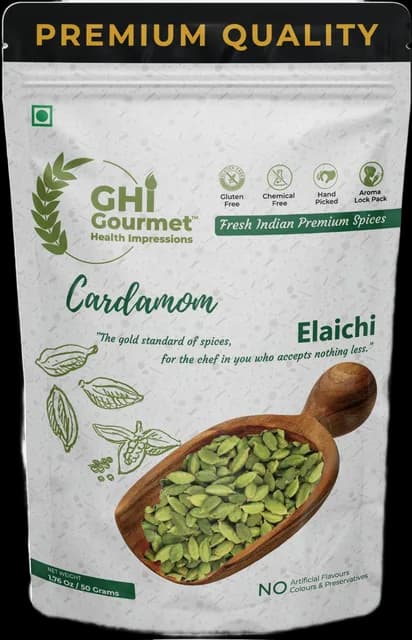
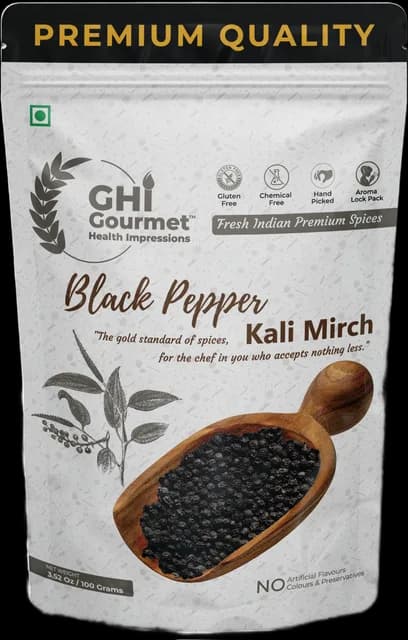
Quality starts with what you buy. Graded cardamom, sorted to a uniform size, tends to be fully mature and evenly flavoured, while small, pale or shrivelled pods give a weak and uneven cup. Plump, bold whole green cardamom pods with a natural green colour and a strong smell when cracked are what you want. For pepper, look for dark, heavy, evenly sized berries, like good whole black pepper. Cloves should have a full, rounded head and feel slightly oily when pressed with a fingernail.
A few simple habits help:
- Grind only 2 to 3 weeks' worth of chai masala at a time.
- Store spices in airtight jars or resealable packs, away from the stove and sunlight.
- Choose spices without added colour, fillers or preservatives, from brands that follow certified food-safety handling, such as an FSSAI licence.
- Smell before you use. If the aroma is faint, the flavour will be too.
Common Masala Chai Mistakes and Easy Fixes
Even with the right ratio, a few habits can spoil the cup. Here are the most frequent ones.
- Too much clove: it makes chai taste sharp and slightly bitter. Stick to one clove per cup at most.
- Boiling the tea leaves too long: over-boiling draws out tannins and leaves a harsh, dry feeling in the mouth. Add milk once the water turns amber.
- Using stale masala: if the powder has lost its smell, no quantity will fix it. Make a fresh batch.
- Very fine pepper dust: it can make the chai gritty and fiery. Coarsely crushed peppercorns give a gentler heat.
- Skipping the simmer: rushing from boil to cup leaves chai thin. The 2 to 3 minute simmer is where the body comes from.
Frequently asked questions
What is the best ratio of spices for masala chai?
A reliable starting point by weight is 5 parts green cardamom, 2.5 parts cinnamon, 2 parts black pepper and 1 part clove. For a single pot of two cups, that works out to about 3 cardamom pods, 2 cloves, 3 to 4 peppercorns and a 2 cm piece of cinnamon.
How much chai masala should I use per cup?
Use about 1/4 teaspoon of homemade chai masala per cup for a mild flavour, and up to 1/2 teaspoon for a strong, spicy cup. Add it to the boiling water before the tea leaves so the spices have time to release their aroma.
Is it okay to add black pepper to chai every day?
A few crushed peppercorns in chai is a common everyday habit in many Indian homes, and the quantity is small. If you are curious about everyday amounts, our guide on how much black pepper powder to use daily covers it in more detail. Anyone with acidity or another health condition, or who is pregnant or on medication, should check with a doctor about their spice intake.
When should I add cardamom to chai for the best flavour?
Add cracked cardamom pods to the water at the very start and let them simmer for 2 to 3 minutes before the tea leaves go in. If you are using cardamom powder, add a pinch just before straining so its delicate aroma is not boiled away.
How long does homemade chai masala stay fresh?
Homemade chai masala is at its best for about 2 to 3 weeks and remains usable for a couple of months if stored in an airtight container away from heat and light. Whole spices keep their aroma much longer, so grinding small batches is the easiest way to keep every cup fragrant.
However you take your chai, the best monsoon cup starts with fresh, well-graded spices and a little patience at the stove. At GHI, we pack our whole and powdered spices in resealable packs so they stay fragrant for your next rainy afternoon.