20 August 2025
Cardamom Grades Explained: What 8 mm Bold Really Means
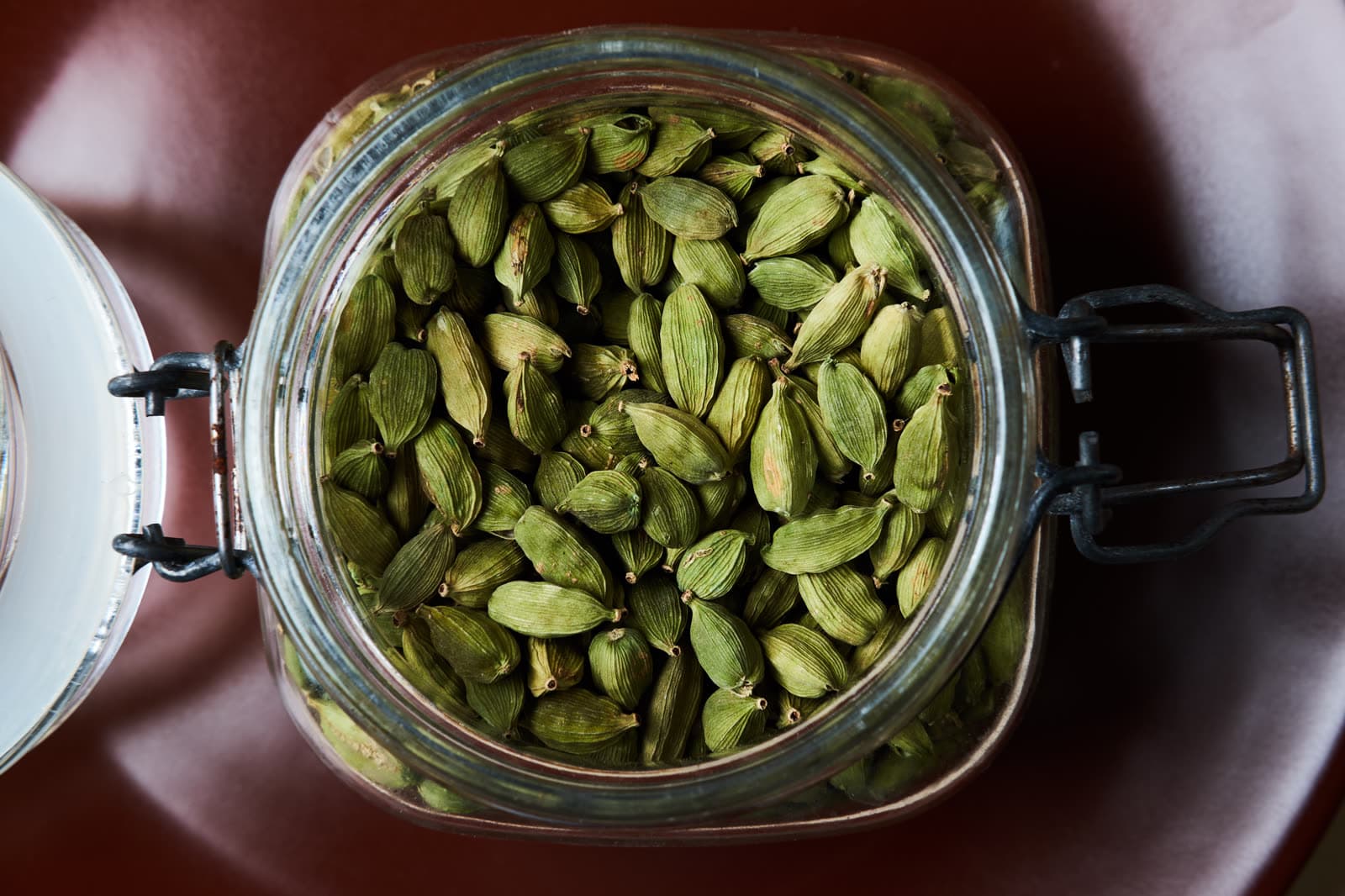
Pick up two packets of green cardamom and they can look almost identical, yet one fills the kitchen with fragrance while the other barely registers in your chai. Understanding cardamom grades is the simplest way to tell them apart before you pay. Labels like "8 mm bold" are not decoration: they describe how the pods were sorted, and they tell you a surprising amount about what you will taste.
What cardamom grades actually measure
Green cardamom is graded after it has been dried and cleaned. The pods are passed over a series of sieves with round holes of fixed sizes, and the pods that stay on top of a given sieve are grouped together. That is where millimetre grades come from: pods that do not fall through an 8 mm hole are sold as 8 mm, pods caught between the 7 mm and 8 mm sieves are sold as 7-8 mm, and so on down the line.
Size is only one part of the picture. Traders and serious buyers also look at:
- Weight for volume: how heavy a fixed measure of pods is. Well-filled pods with mature seeds weigh more than hollow or light pods of the same size.
- Colour: an even green is valued, though colour depends heavily on how the pods were dried and stored.
- Defects: split pods, empty pods, shrivelled pods and immature pods all count against a lot.
- Cleanliness: stalks, dust and foreign matter should be minimal.
Formal grading schemes, including Agmark grades in India and the specifications used in the export trade, combine several of these factors. For a home cook, four of them can be checked by hand: size, fill, colour and aroma.
What "8 mm bold" means on a pack
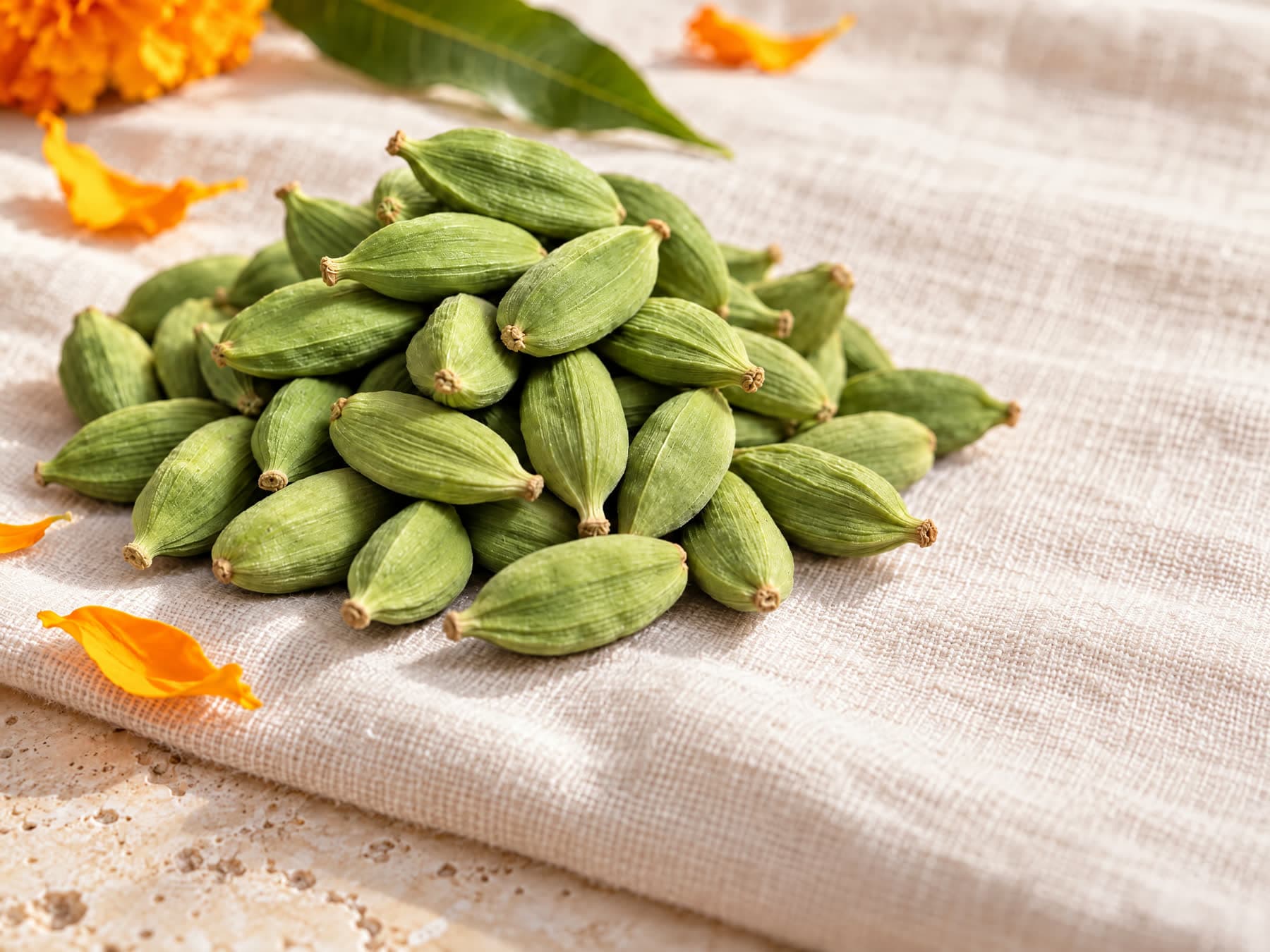
When a pack says "8 mm" or "8 mm bold", it means the pods were retained on an 8 mm sieve, so each pod is at least that wide across. "Bold" is trade shorthand for large, plump pods. In everyday retail buying, 8 mm sits at the top of the size scale, above the 6-7 mm and 7-8 mm grades you often see in loose market cardamom.
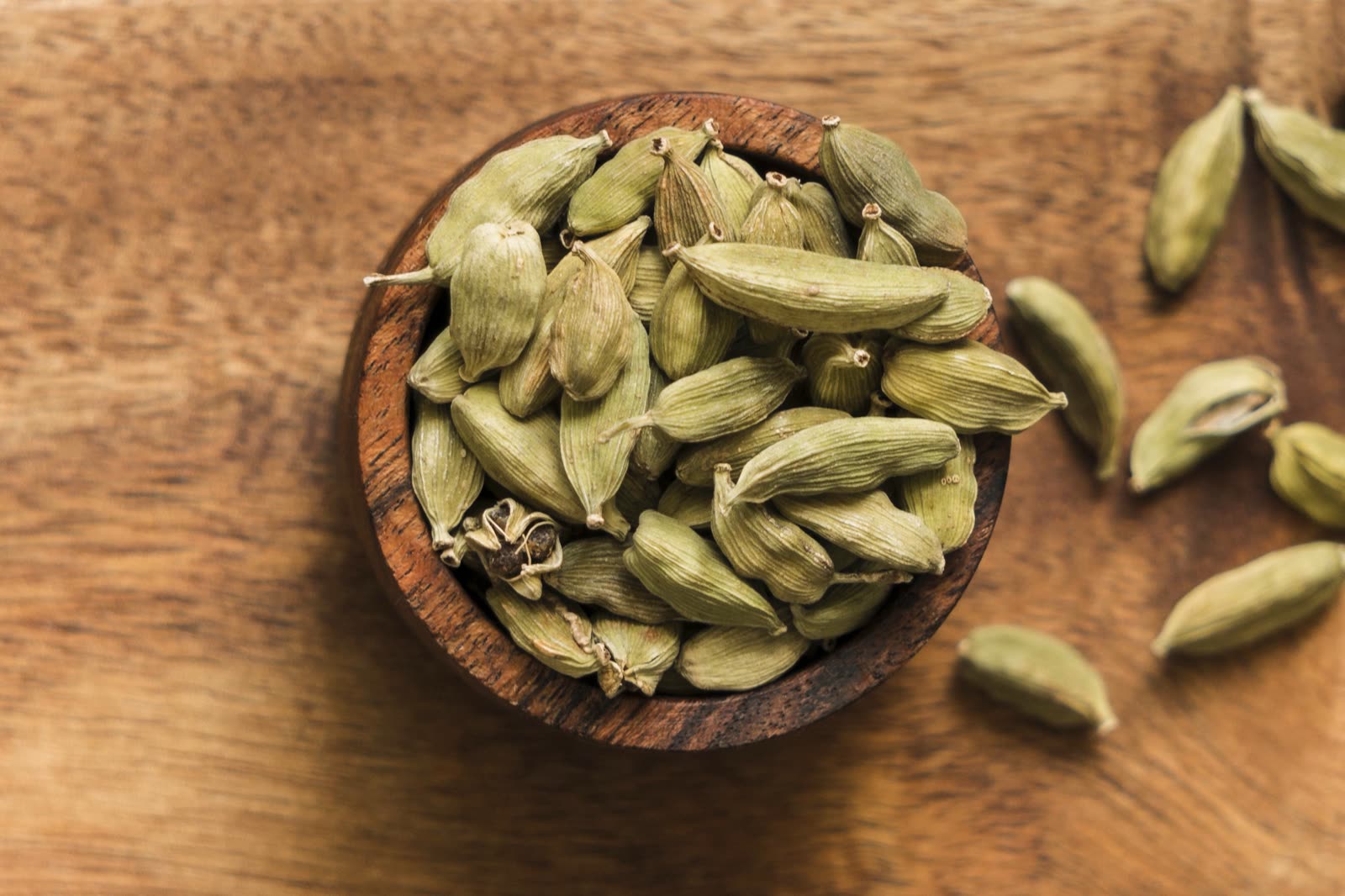
Bigger pods matter for a practical reason. A larger, well-developed pod usually holds more seeds, and the seeds are where most of the aromatic essential oil lives. The husk carries some flavour, but it is the dark, slightly sticky seeds inside that give cardamom its sweet, cool, faintly floral character. So a jar of bold pods tends to deliver more flavour per pod, which means you use fewer of them.
That said, size is a starting point, not a guarantee. An 8 mm pod that was harvested too early, dried carelessly or stored for too long will still disappoint. That is why the other checks below matter just as much.
Common size grades at a glance
| Grade on the pack | What it means | Where it shines |
|---|---|---|
| 8 mm and above (bold) | Largest, fullest pods, retained on an 8 mm sieve | Biryani, chai, whole-pod cooking, festive sweets, gifting |
| 7-8 mm | Large pods, a small step below bold | Everyday chai, pulao, kheer |
| 6-7 mm | Medium pods | Grinding at home, masala blends |
| Ungraded or mixed | Mixed sizes, often with smaller pods | Budget grinding where appearance does not matter |
Colour: what green does and does not tell you
A fresh, even, olive to bright green is a good sign. It usually means the pods were dried under controlled heat soon after picking, which helps them hold on to both colour and volatile oils. Pods that have turned pale, straw-coloured or patchy brown have often been dried poorly, or have sat in light and warm air for months.
Do not judge on colour alone, though. A green that looks unnaturally bright or perfectly uniform, or that leaves a green tinge on damp fingers, is worth being wary of, because artificial colouring of spices is a known problem. Natural cardamom shows slight variation from pod to pod. Buying from brands that hold food safety certifications such as FSSAI and ISO 22000, and that state clearly that no additives are used, is the most reliable protection here.
Seed count, seed colour and fill
The quickest honest test of cardamom quality is to split a pod with your thumbnail and look inside.
- Seed colour: mature seeds are dark brown to nearly black, glossy and slightly tacky. Pale brown or whitish seeds suggest the pod was picked before it ripened.
- Fill: the seeds should sit snugly in three neat segments. A pod with visible gaps, or one that rattles, is under-filled.
- Seed count: a large, well-filled pod often holds somewhere around 15 to 20 seeds, while small or immature pods may hold only a handful. You do not need to count every pod, but opening three or four gives you a fair idea of the batch.
- Stickiness: seeds that feel slightly oily and release a strong fragrance when pressed still have their essential oils.
Fill is also why weight matters. Two bags of the same size grade can differ noticeably in heft. If you are buying loose, the heavier handful of the same size is usually the better buy.
How to judge cardamom pods before buying
Whether you are standing at a spice shop counter or opening a new pack at home, this routine takes less than a minute.
- Look at the whole batch. Pods should be roughly even in size, plump and closed. A few split pods are normal, but many open or broken pods mean the seeds have been exposed to air.
- Squeeze gently. A good pod feels firm and a little springy. Soft, flat or papery pods are often empty or immature.
- Crush one and smell it. Fresh cardamom smells sweet, sharp and almost eucalyptus-cool straight away. If you have to hold it right under your nose to smell anything, the oils have faded.
- Open two or three pods. Check seed colour, stickiness and fill as described above.
- Read the pack. Look for a clear size grade, a packing or best-before date, a resealable closure and food safety registration details.
If you are also curious about how green cardamom differs from its smoky black cousin, our guide to black and green cardamom covers the flavour and cooking differences.
Whole pods versus cardamom powder
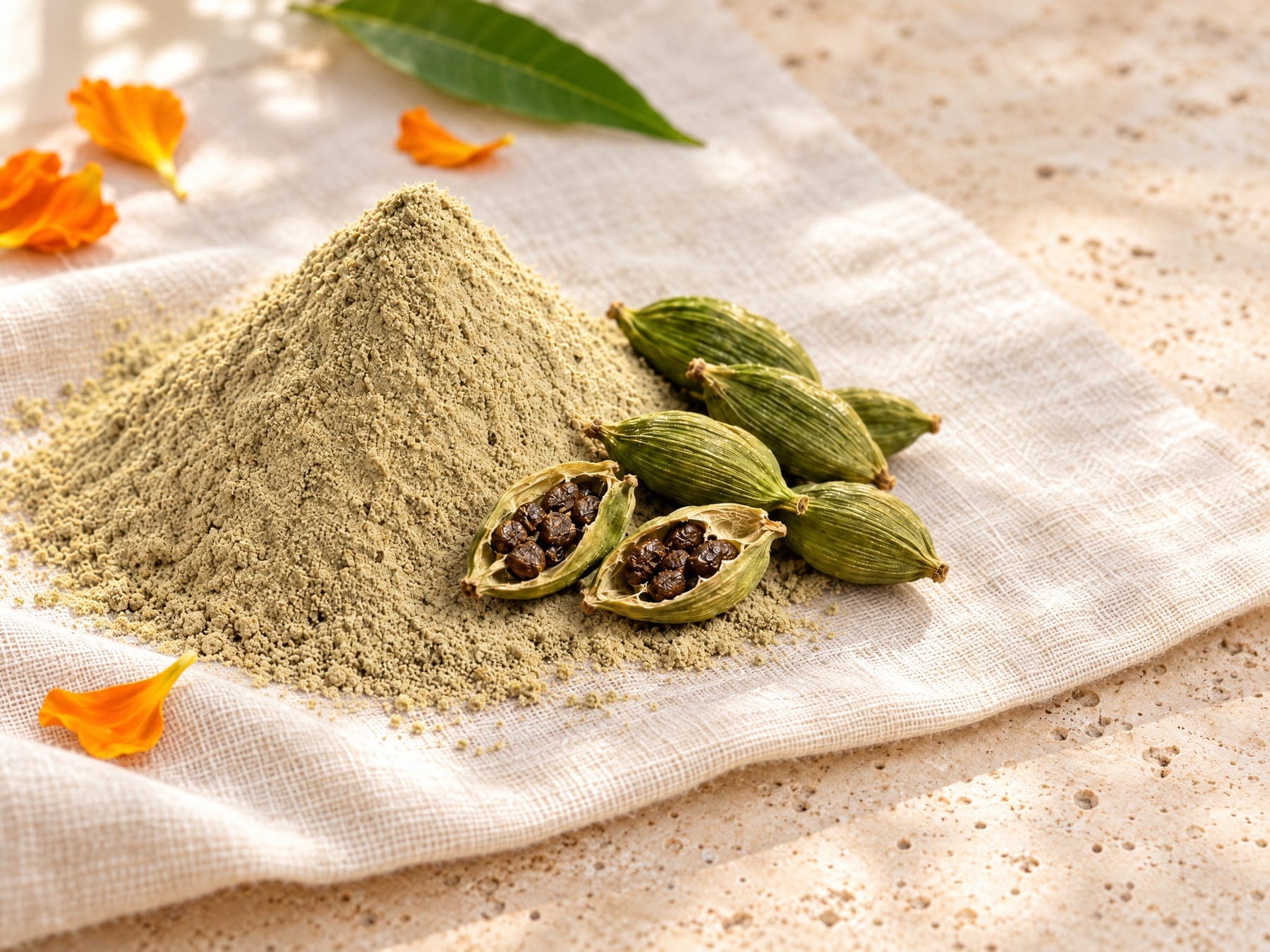
Whole pods protect their seeds. Once cardamom is ground, its essential oils start escaping much faster, so pre-ground cardamom loses its brightness sooner than whole pods do. For dishes where cardamom is the star, such as kheer, shrikhand or elaichi chai, grinding seeds from graded whole pods just before use gives the fullest flavour. A small mortar and pestle is all you need: roughly 10 pods give about half a teaspoon of ground seeds.
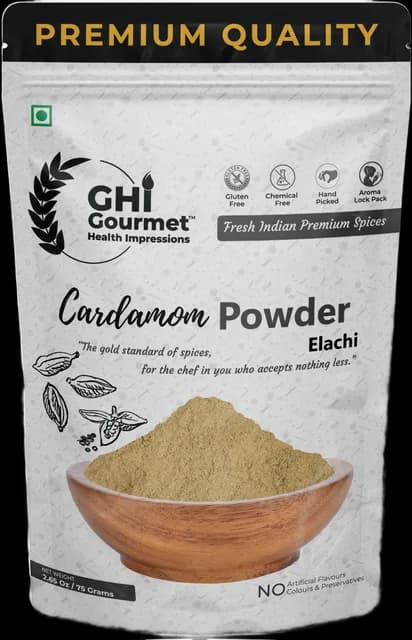
Powder still earns its place. For baking, batters, spice rubs or a quick pinch over coffee, a good cardamom powder saves time, provided it is kept sealed away from heat and used within a few months of opening. Many kitchens keep both: whole pods for slow cooking and fresh grinding, powder for convenience.
Storing cardamom so the grade is worth it
Keep pods in an airtight jar or a resealable pack, away from the stove and direct sunlight. Humid monsoon air is the enemy, so reseal promptly after every use. Whole pods stored this way stay fragrant for many months, while cardamom you grind at home is best used within a couple of weeks. With Ganesh Chaturthi modaks and the festive sweets season around the corner, now is a good time to check whether your stock still smells the way it should.
Frequently asked questions
What does 8 mm mean in cardamom?
It means the pods were retained on a sieve with 8 mm holes, so each pod is at least 8 mm across. It is one of the largest size grades commonly sold, and it usually points to plump, well-filled pods.
Is bigger cardamom always better?
Not always. Bigger pods usually hold more seeds, which makes size a useful indicator, but a large pod that is immature, poorly dried or old will still taste flat. Check aroma, seed colour and fill as well.
Why are some cardamom pods bright green and others pale?
Colour depends mostly on how the pods were dried and how long they have been stored. An even, natural green is a good sign, while pale pods are often older. Be cautious of colour that looks artificially bright or stains your fingers.
How can I tell if cardamom is fresh?
Crush a pod. Fresh cardamom releases a strong, sweet, cooling aroma immediately, and the seeds inside are dark and slightly sticky. A faint smell and dry, pale seeds point to age.
How many cardamom pods should I use in a recipe?
With bold pods, 2 to 3 lightly crushed pods flavour a pot of chai for two, and 4 to 6 pods suit a biryani or pulao serving four. Start there and adjust to taste.
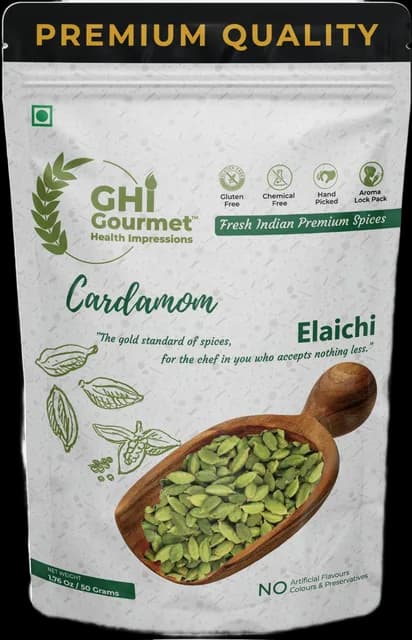
If you would like a benchmark for your next purchase, GHI's whole green cardamom is hand-selected at 8 mm and packed in resealable pouches, and the rest of our whole spices range follows the same graded approach.