29 July 2025
Freshly Cracked vs Pre-Ground Black Pepper: A Taste Test
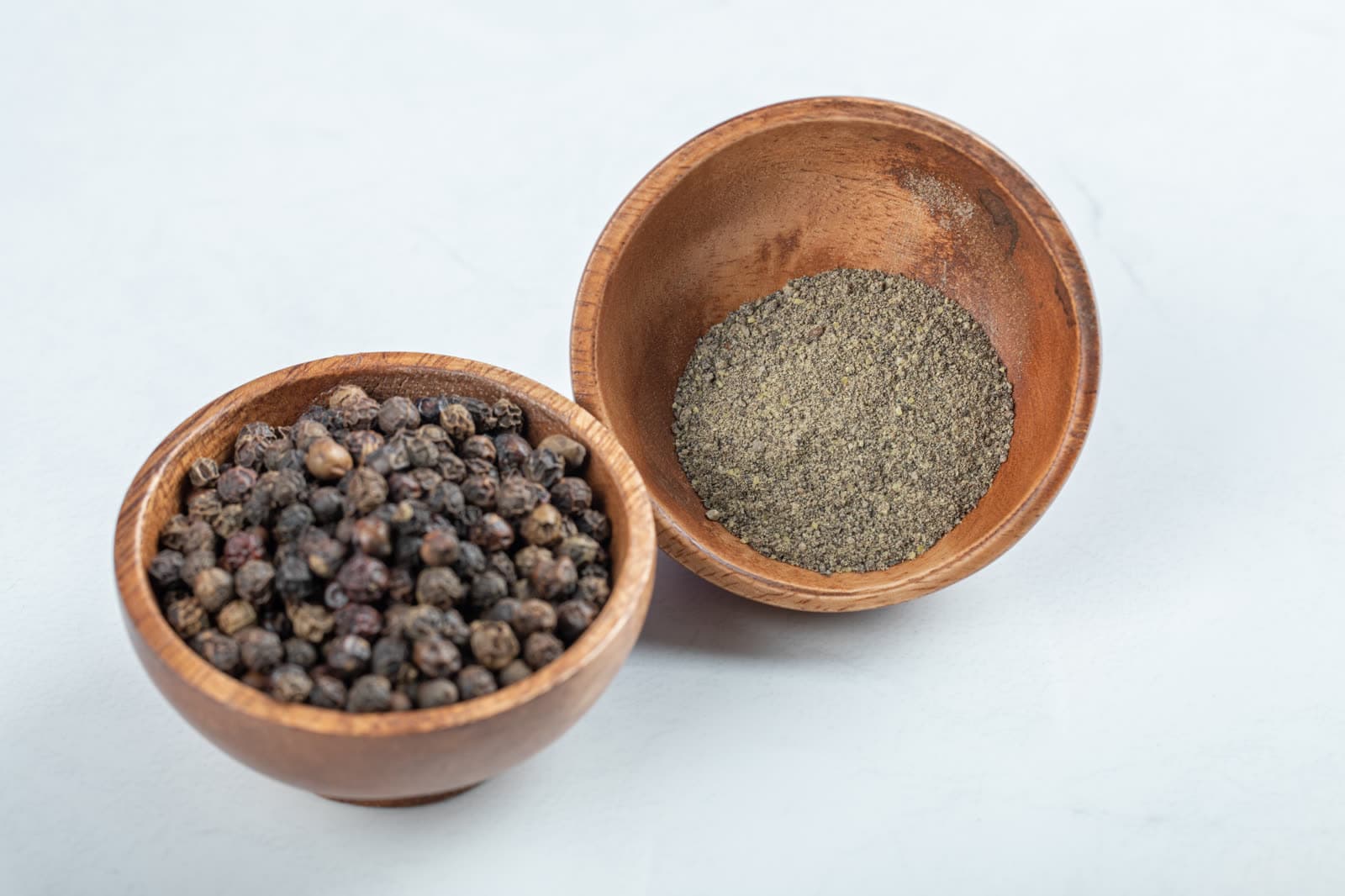
Grind a teaspoon of black pepper from a mill, open a jar of pre-ground pepper that has sat in the cupboard for a few months, and smell them side by side. The difference between freshly cracked vs pre-ground black pepper is not subtle, and once you notice it, you start cooking differently. A simple home taste test shows exactly what changes, and which dishes genuinely need the fresh stuff.
Why freshly cracked black pepper smells so different
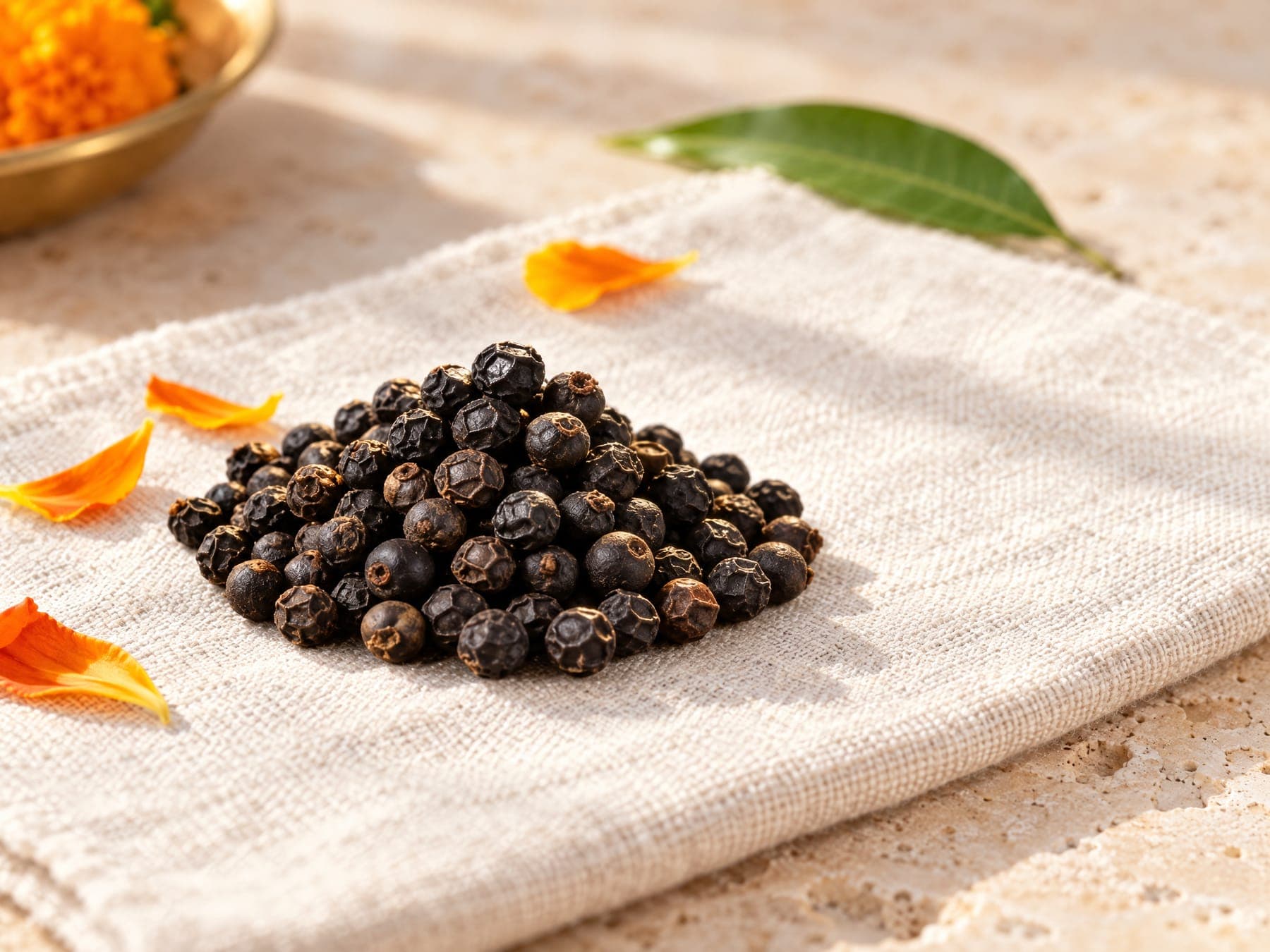
A peppercorn is a small sealed capsule. Its sharp, biting heat comes mainly from a compound called piperine, while the bright, piney, almost citrusy aroma comes from volatile essential oils stored inside the dried berry. As long as the peppercorn is whole, its skin protects those oils.
The moment you crack it, the oils meet air and begin to escape. Heat is more stable and fades slowly, but aroma is fragile. That is why a tin of powder can still taste hot while smelling flat and dusty. Grinding exposes far more surface area, so the finer the powder and the longer it sits, the more of that top-note fragrance is lost.
This is also why quality starts before the grinder. Well-graded, clean, properly dried peppercorns hold their oils better, and a pepper that was already stale when it was ground will never taste fresh, no matter how carefully you store it afterwards.
A side-by-side home taste test
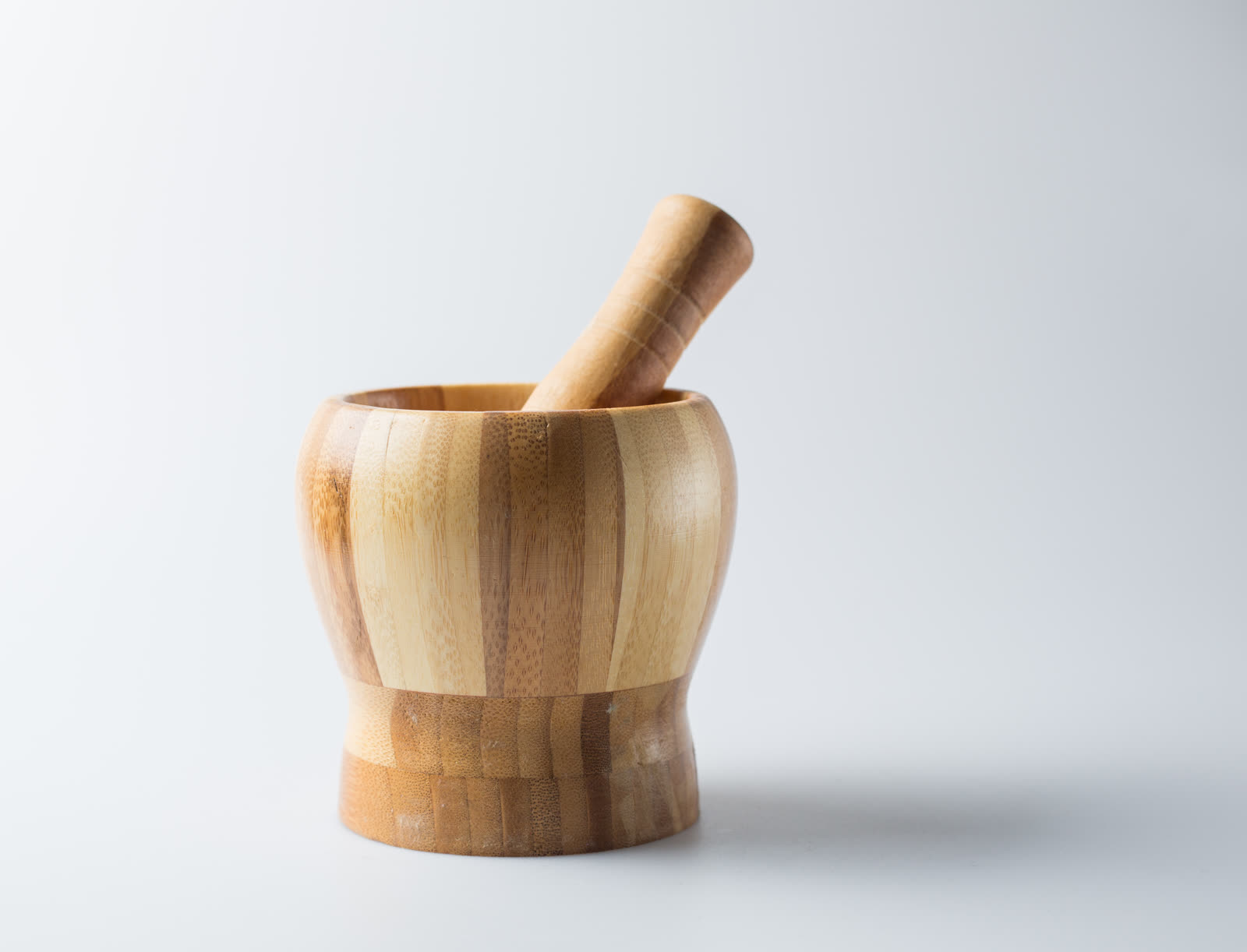
You can repeat this test in ten minutes. Use three samples: whole peppercorns cracked in a mortar just before tasting, the same peppercorns ground to a fine powder in a spice grinder, and a pre-ground pepper powder that has been open for about three months and kept in a jar on a kitchen shelf.
How to run it
- Place a quarter teaspoon of each sample on three small plates.
- Smell each one first from a little distance, then up close.
- Taste a pinch of each on a plain boiled potato cube or a spoon of plain curd, so the base does not compete.
- Sip water between samples and wait a minute before the next one.
- Finally, stir a pinch of each into three small bowls of hot dal and compare after two minutes.
What you are likely to notice
| Sample | Aroma | Heat | In one line |
|---|---|---|---|
| Freshly cracked (coarse) | Strong, piney, woody, a little citrus | Sharp at first, then warm bursts | Lively and bright |
| Freshly ground (fine) | Strong, but fades noticeably within an hour | Even, spreads quickly | Clean and intense |
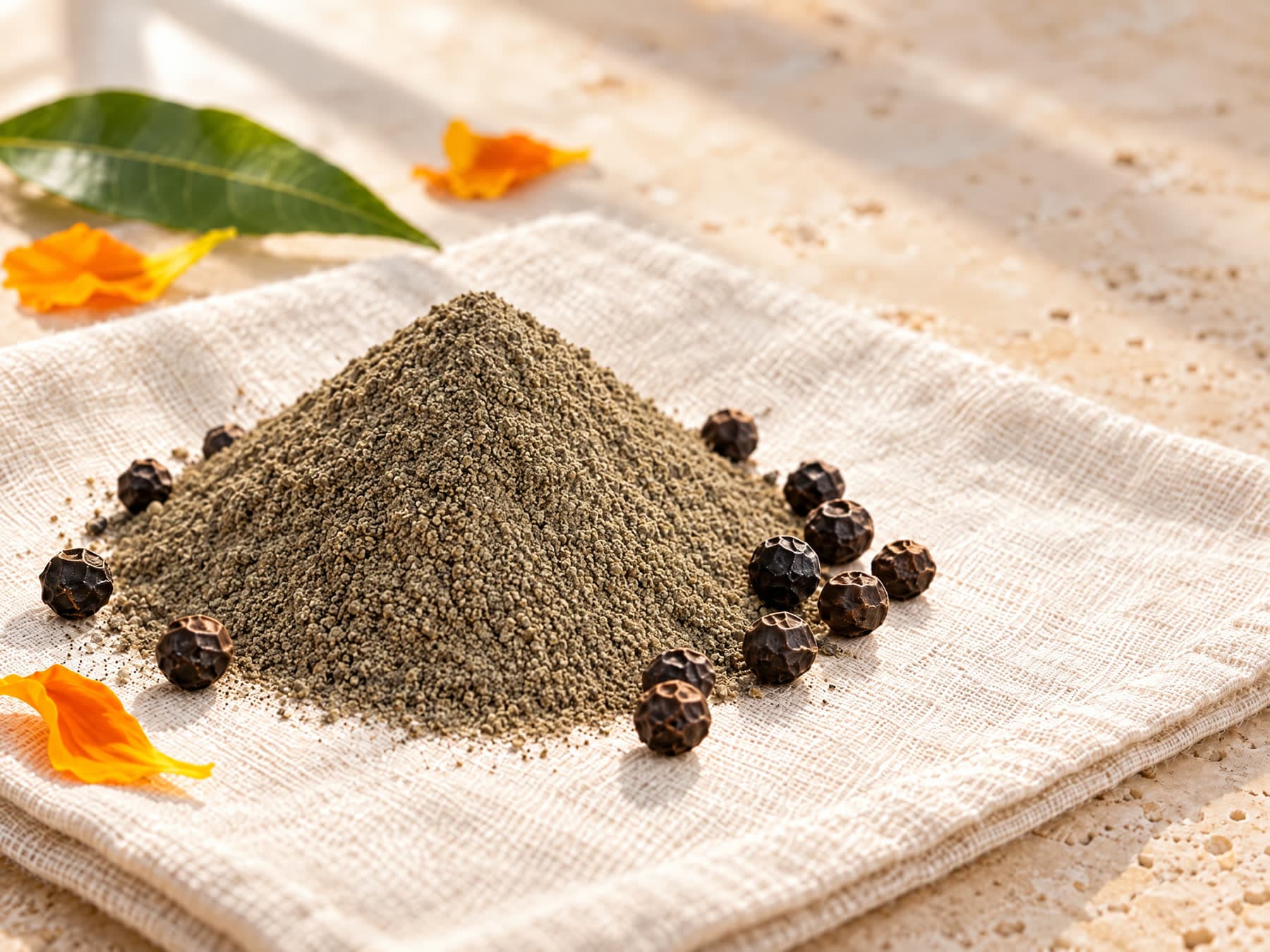
| Pre-ground, opened months ago | Faint, dusty, slightly musty | A flat, lingering burn | Heat without character |
The biggest surprise was the dal. Stirred into a hot dish, the old powder almost disappeared, leaving only warmth. The freshly cracked pepper stayed recognisable as pepper, with little pops of heat when you bit into a coarse piece. The freshly ground fine powder sat somewhere in between: very fragrant at first, but after an hour on the counter it had already lost some of its edge.
Your results will vary with the pepper you start with, how old your powder is and how it has been stored. That is the point of doing it at home: your own nose is the best quality check you have.
What changes in aroma and heat once pepper is ground
Think of black pepper as having two layers. The top layer is aroma: fresh, resinous, sometimes floral. The bottom layer is pungency: the tingle and heat on the tongue. Grinding early mainly steals the top layer, while the bottom layer lingers.
- Aroma drops first. Volatile oils start escaping soon after grinding, and a jar opened again and again loses them faster.
- Heat changes character. Instead of sharp, clean bursts, older powder tends to give a dull, uniform burn.
- Colour and texture shift. Old powder can look greyer and may clump if it has picked up moisture, which is common in the monsoon.
- Cooking changes the gap. In long-cooked dishes both forms mellow, so the difference is smaller. In finishing uses, the difference is huge.
Which dishes need freshly cracked pepper, and which are fine with powder
None of this means pre-ground pepper is useless. Good pepper powder, bought in small packs, stored well and used within a reasonable time, is genuinely convenient. The trick is matching the form to the job.
Reach for freshly cracked pepper when
- Pepper is the star: pepper rasam, black pepper chicken, milagu kuzhambu or a simple pepper fry.
- You are finishing a dish at the table: fried eggs, buttered toast, salads, fruit chaat or a hot cup of roasted sweet corn.
- The dish is cooked briefly, like a stir-fry, where there is no time for flavour to build.
- You want texture, as in a crust on paneer tikka or a pepper-crusted fish fillet.
Good-quality powder works well when
- The pepper needs to disappear evenly into a sauce, gravy, soup or batter.
- You are making a marinade, dry rub or spice mix where fine particles coat evenly.
- You are seasoning buttermilk, raita or a light soup where coarse bits would feel gritty.
- You need speed on a busy weekday and measuring from a pack is simply easier.
If you keep both, a jar of whole black pepper for cracking and a small pack of black pepper powder for sauces and marinades covers almost every need in an Indian kitchen. For a closer look at the whole spice itself, our piece on the essence of black pepper is a good companion read.
Coarse, medium or fine: choosing the right black pepper grind size
Grind size changes how pepper behaves in the mouth as much as freshness does. Coarse pieces deliver heat in bursts, while fine powder spreads it evenly. Here is how to use each.
Coarse (cracked)
Pieces roughly the size of broken rice. Crush 8 to 10 peppercorns at a time in a mortar with two or three firm strikes, or set your mill to its widest setting. Use it for pepper fry, crusts on paneer or fish, pepper chicken, roasted vegetables, and a final scatter over dal chawal just before eating.
Medium
Grains like coarse semolina. This is the everyday grind from most pepper mills. Use it for eggs, sandwiches, pasta, upma, poha, soups and rasam, where you want both aroma and a little texture.
Fine
A soft powder that melts into food. Grind in a small spice grinder in short pulses so the blades do not heat the pepper. Use it for gravies, marinades, pakora batters, chaas and spice blends. Because fine powder loses aroma fastest, grind only what you will use within a week or two, or buy powder in small resealable packs.
How to keep pepper fresh at home
Freshness is mostly about limiting air, light, heat and moisture, and this matters even more in humid monsoon weather.
- Store whole peppercorns in an airtight, opaque container away from the stove. Whole pepper keeps its character far longer than powder.
- Fill your pepper mill with only a week or two's worth and keep the rest sealed.
- Always use a dry spoon, and never grind over a steaming pot, as steam can get into the mill.
- Press the air out of resealable packs before closing them.
- Do the sniff test: if the powder smells of little besides dust, it is time to replace it.
Frequently asked questions
Is freshly ground black pepper stronger than pre-ground?
In aroma, usually yes. Freshly ground pepper has more of its volatile oils intact, so it smells brighter and tastes more complex. The heat also tends to feel sharper, while older powder often gives a flatter, duller burn.
How long does ground black pepper stay fresh?
It depends on the starting quality and on storage, but aroma starts fading soon after grinding. Many cooks aim to finish an opened pack of powder within a few months and keep it sealed in between. Whole peppercorns stored airtight keep their character much longer.
Should I add black pepper at the start or end of cooking?
Both have a place. Pepper added early mellows into a background warmth, which suits gravies and soups. Pepper added at the end, or at the table, keeps its aroma. Many recipes use a little of each.
What is the best grind size for pepper rasam?
A medium to coarse grind, freshly crushed along with cumin, works well. It releases aroma quickly into the hot liquid while still giving small bursts of heat.
Can I crush peppercorns without a grinder?
Yes. Place them in a folded kitchen towel or a zip bag and press firmly with the base of a heavy pan or a rolling pin. A mortar and pestle gives the most control over coarseness.
Whatever you choose, start with clean, well-graded peppercorns and keep them sealed. At GHI, our whole and powdered black pepper is packed without additives or preservatives in resealable packs, which makes the fresh-cracked habit a little easier to keep.