9 July 2025
How to Store Spices So They Stay Fresh in the Monsoon
July brings the monsoon to most of India, and with it the damp that every home cook dreads. If you have ever opened a jar to find lumpy chilli powder or a musty smell rising from the masala dabba, you already know why learning how to store spices properly matters most in these months. Here is a practical guide to keeping your spices dry, fragrant and safe until the rains pass.
Why the monsoon is tough on your spices
During the rains, the air in most Indian kitchens holds a great deal of moisture. Add steam from the pressure cooker, boiling dal and a kettle of chai, and your spice shelf is sitting in a humid pocket for much of the day.
Spices, especially powders, readily absorb that moisture. The results are easy to spot:
- Powders clump and cake, and stop flowing freely from the spoon.
- Aroma fades faster, because warmth and humidity speed up the loss of essential oils.
- Mould can appear as fuzzy white, green or grey spots, often with a musty smell.
- Pantry insects such as weevils and moths thrive in warm, damp conditions.
The good news is that a few simple habits prevent almost all of these problems.
How to store spices: the four enemies of freshness
Every good storage rule comes back to four things: moisture, light, heat and air. Control these, and your spices will stay fresh far longer, monsoon or not.
Moisture
This is the biggest threat in July. Always use a completely dry spoon. Never shake or sprinkle a jar directly over a steaming pot, because the steam rushes straight into the container. Keep spices away from the sink, kettle and dishwasher, and close lids immediately after use.
Light
Sunlight fades both colour and flavour. Turmeric, red chilli and saffron are particularly sensitive. Use opaque containers, or keep clear glass jars inside a closed cupboard or drawer.
Heat
The shelf right above or beside the stove is the worst spot in the kitchen, even though it feels convenient. Also avoid the top of the refrigerator, which is warmed by the motor, and window sills. A cool, dark cupboard away from the cooking area is ideal.
Air
Oxygen slowly dulls aroma. Choose containers that match the amount of spice you have, so there is little empty space inside, and press the air out of packs before sealing them.
Choosing the right containers for the rainy season
The right container does most of the work for you. Here is how the common options compare.
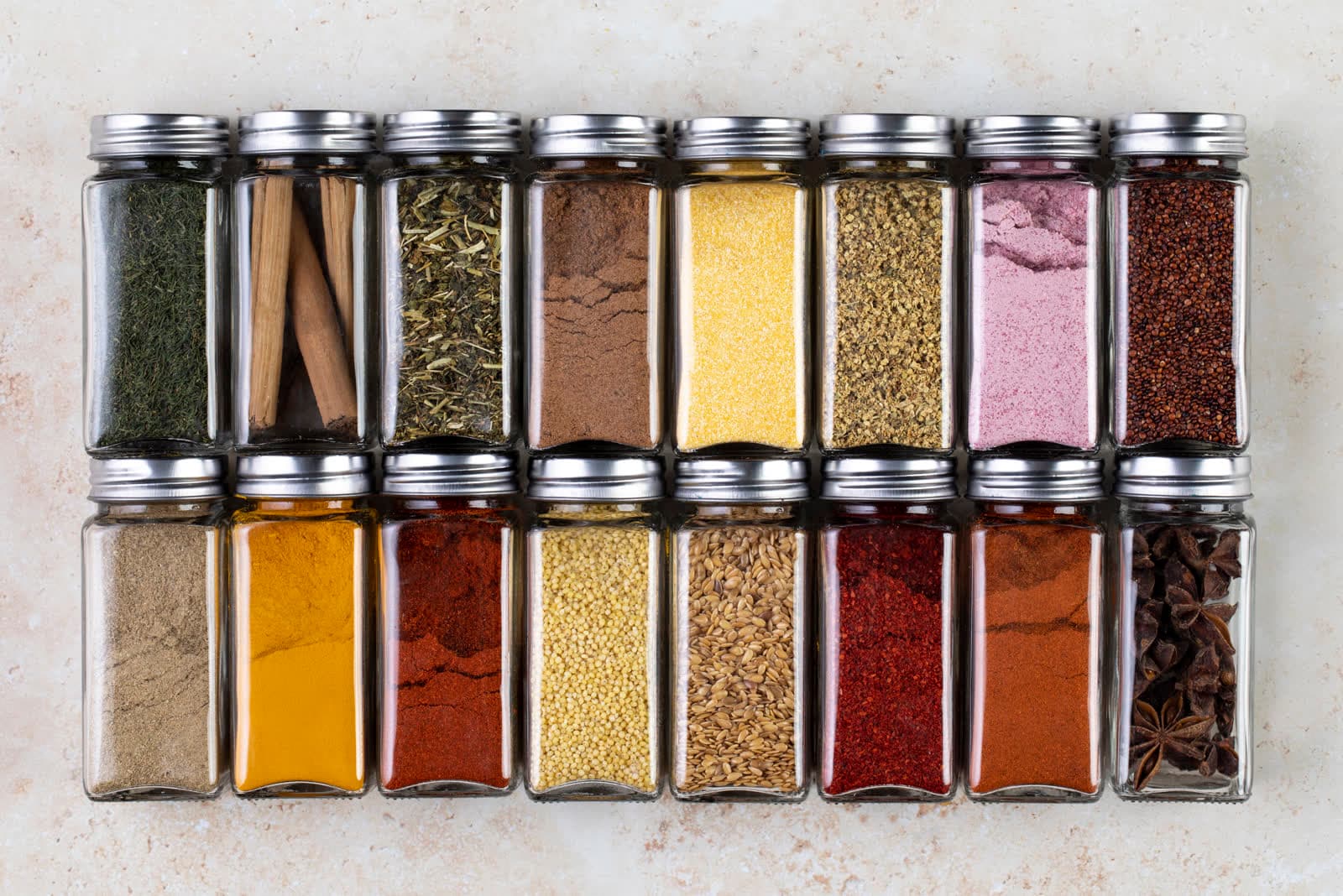
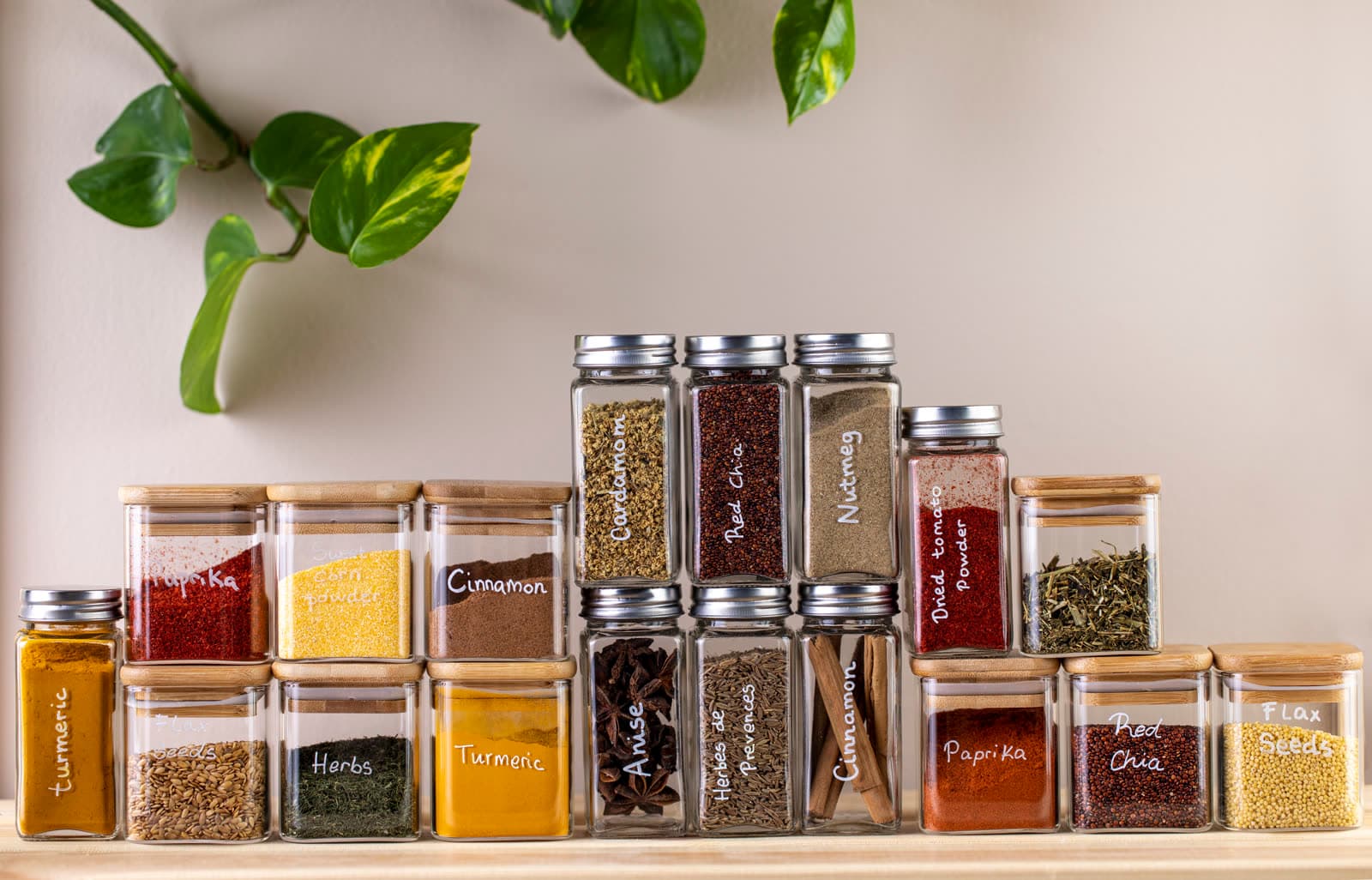
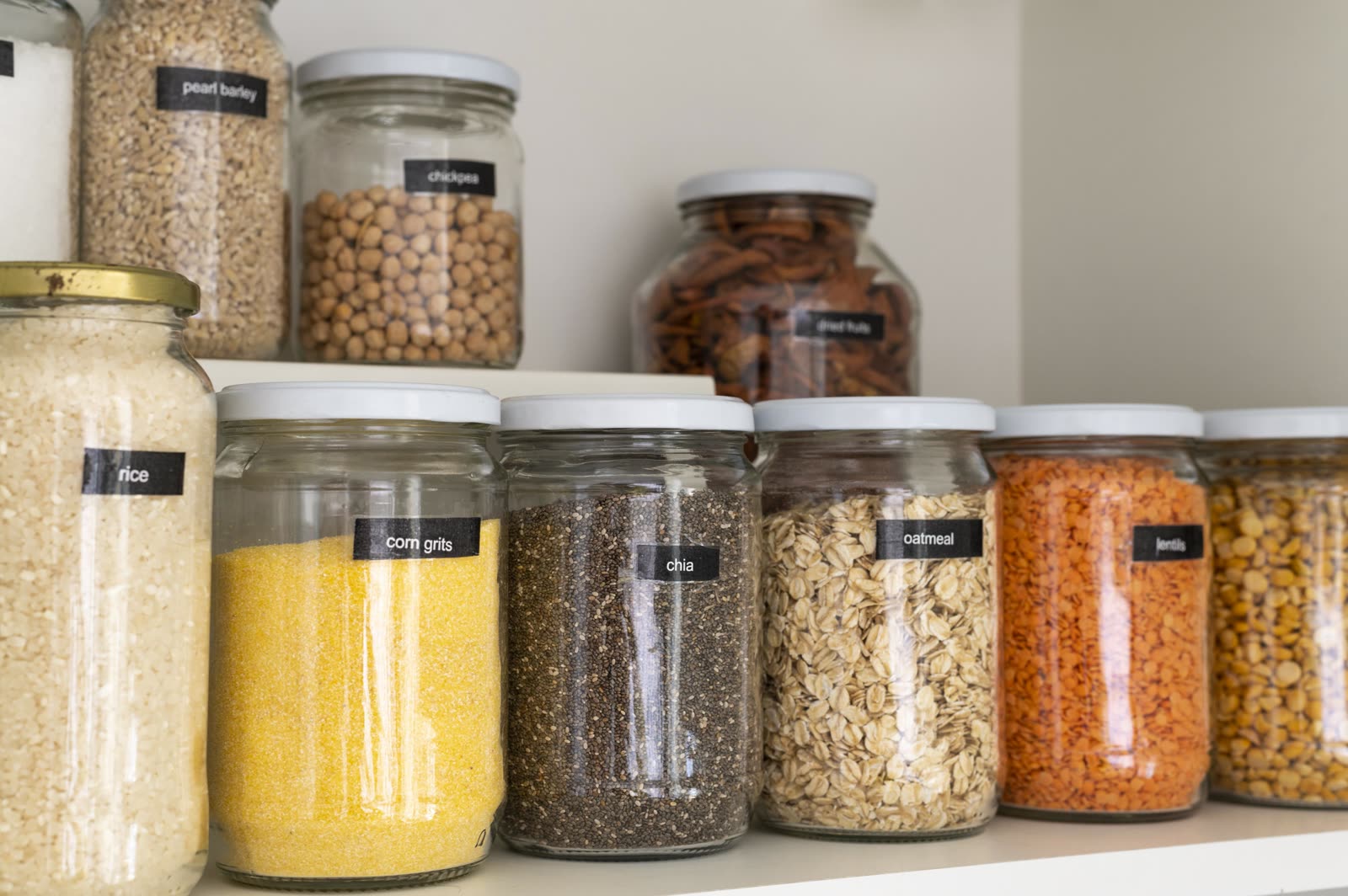
- Glass jars with airtight lids: excellent, especially those with a rubber gasket. Keep them in a dark cupboard.
- Stainless steel dabbas: opaque and durable. The classic masala dabba lid is often not fully airtight, so keep only a week or two's supply in it and refill from sealed stock.
- Food-grade plastic boxes: fine if the lid seals tightly, though plastic can hold on to strong smells over time.
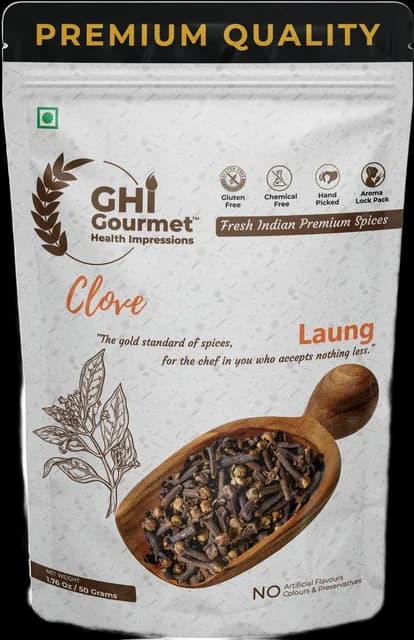
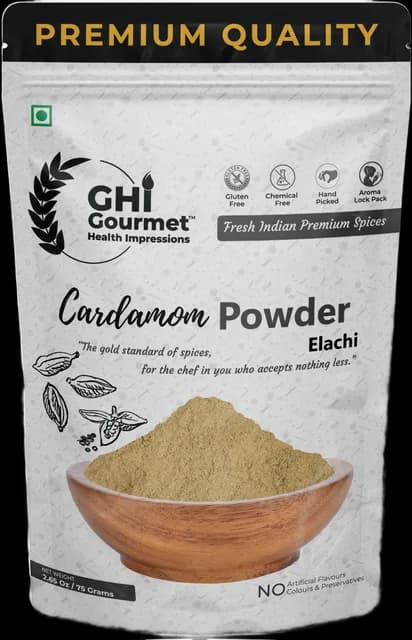
- Resealable packs: a good resealable pack keeps spices in the dark, can be pressed flat to remove air and takes up little space. Seal the zip fully every time and fold the top over for extra protection.
- Avoid: open bowls, paper bags, cardboard boxes and packets closed with a rubber band.
A simple two-tier system works well in the monsoon. Keep your main stock sealed in its resealable pack or an airtight jar in a cool cupboard, and fill small daily-use containers with just enough for a week or two. This way, the bulk of your spice is only opened occasionally.
Monsoon habits that keep spices fresh
- Buy smaller quantities. During the rains, it is better to buy what you will use in a month or two than to store large amounts.
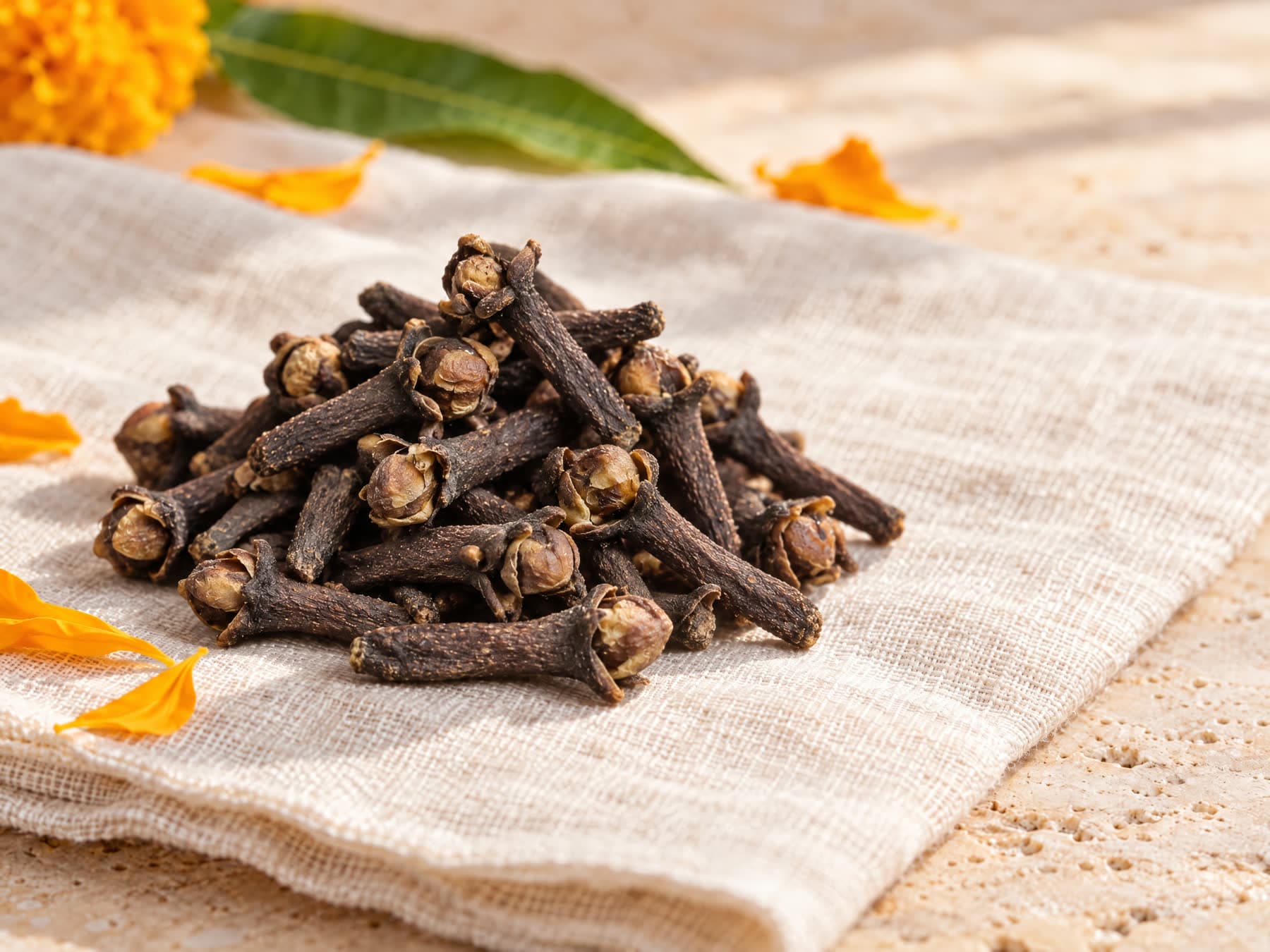
- Keep spices whole until you need them. Whole spices resist moisture far better than powders. Oil-rich spices like whole cloves keep beautifully when stored well, and you can grind small amounts as you go.
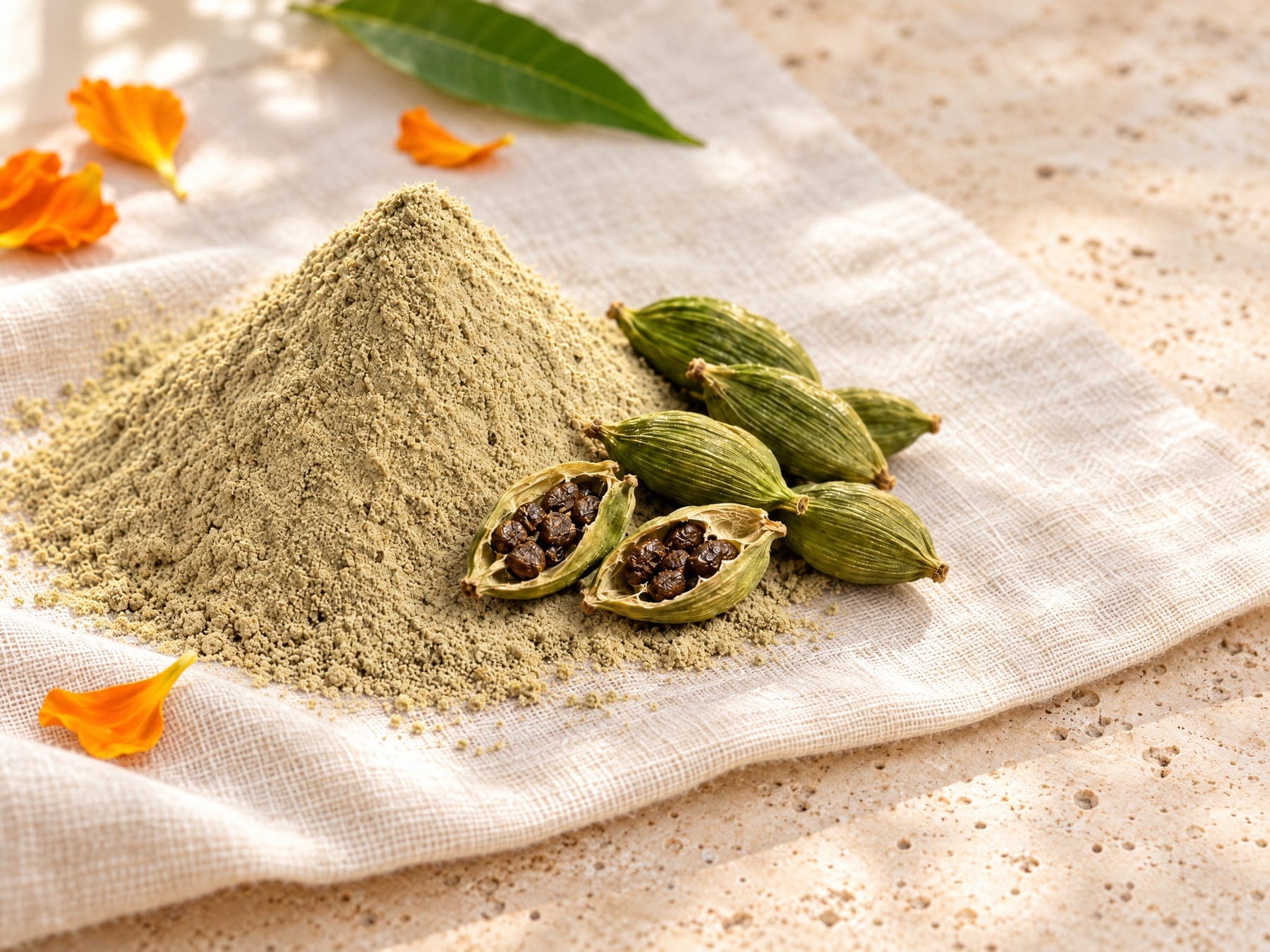
- Handle delicate powders with care. Powders such as cardamom powder lose aroma fastest, so buy smaller packs, keep them tightly sealed and use them within a few months.
- Label and date. Write the opening date on every pack or jar with a marker.
- Check once a month. Open, look and smell. Catching dampness early saves the rest of your stock.
- Refresh slightly damp whole spices. If whole spices feel a little soft but smell clean and show no mould, dry-roast them on low heat for 1 to 2 minutes, then cool completely before storing again.
- Be careful with the fridge. Taking a cold jar out into a humid kitchen causes condensation inside, which does more harm than good. Keep daily-use spices at room temperature. A sealed bulk pack can go into the fridge, but let it come to room temperature before opening.
Many households also follow traditional practices, such as placing a few dried red chillies, bay leaves or cloves in dal and rice containers. Some people keep a food-grade silica gel sachet in the outer storage box, never mixed into the spice itself.
Shelf-life guide for whole and ground spices
Spices rarely become unsafe simply with age, but they do lose flavour. The table below is a rough guide to how long spices keep their best flavour after opening, when stored well. Always follow the best-before date on the pack, and remember that monsoon humidity can shorten these times.
| Spice | Whole | Ground |
|---|---|---|
| Black pepper | Up to 2 years | 4 to 6 months |
| Green cardamom | About 1 year | 2 to 3 months |
| Cloves | Up to 2 years | 4 to 6 months |
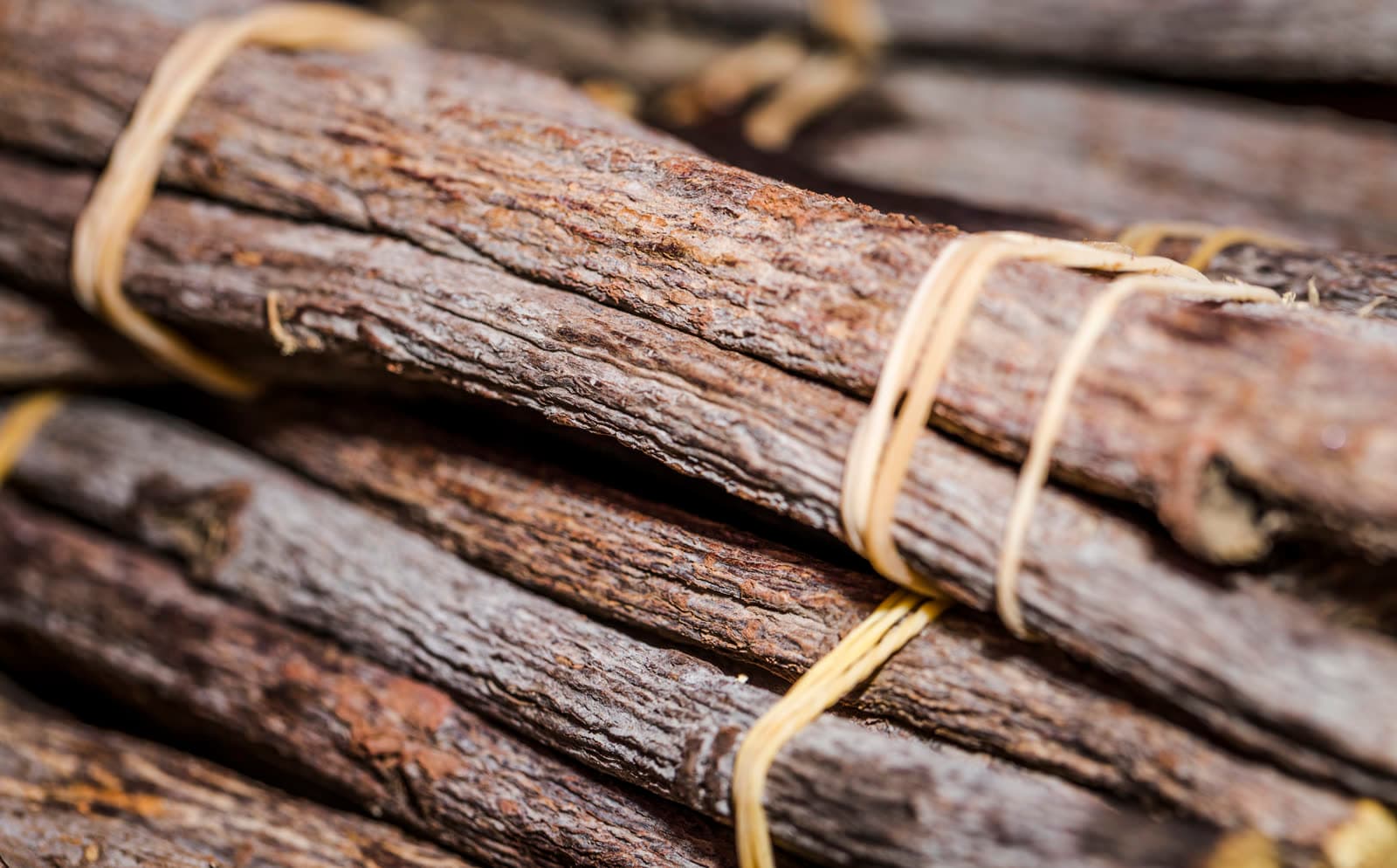
| Cinnamon | Up to 2 years (sticks) | About 6 months |
| Cumin | About 1 year | 3 to 4 months |
| Coriander | About 1 year | 3 to 4 months |
| Red chilli | About 1 year (dried whole) | 4 to 6 months |
| Turmeric | Up to 2 years (dried root) | 6 to 9 months |
| Homemade masala blends | Not applicable | 1 to 2 months |
Notice how much longer whole spices last. That is why keeping a good stock of whole spices and grinding small batches is such a useful habit in humid months.
How to tell if a spice has gone bad
Use your senses. A quick check takes less than a minute.
- Look: mould spots, webbing, tiny insects or small holes in whole spices mean the spice must be thrown away.
- Smell: a musty, damp or rancid smell is a warning sign. A faint smell usually just means the spice is stale.
- Feel: hard lumps that do not break apart easily, or a sticky texture, show that moisture has got in.
- Taste: a flat, dusty taste means most of the essential oils have gone.
Stale but clean spices are generally fine to use, they simply taste weaker. Anything with mould, insects or a musty smell should be discarded, along with the container's contents, and the container washed and dried thoroughly before refilling.
Why buying well makes storage easier
Storage can only preserve the freshness a spice already has. Spices that were properly dried, graded, cleaned and packed under certified food safety systems, such as FSSAI licensing and ISO 22000, start with lower moisture and fewer impurities, which makes them far less likely to spoil in humid weather. Poorly dried spices, on the other hand, can turn mouldy within weeks in the monsoon.
When you buy, check that the pack is intact with no damp patches, clumps or torn seals, look for a clear packing and best-before date, and prefer resealable packaging that you can close properly after each use.
Frequently asked questions
How do I stop spices from clumping in the monsoon?
Store them in airtight containers in a cool, dark cupboard, always use a dry spoon and never sprinkle spices over a steaming pot. Buying smaller quantities also helps.
Should I store spices in the fridge during the rainy season?
It is best not to keep daily-use spices in the fridge, because condensation forms when a cold jar meets humid air. A sealed bulk pack can be refrigerated if you let it reach room temperature before opening.
How long do spices last once opened?
As a rough guide, most whole spices keep good flavour for one to two years, and most ground spices for three to six months, when stored well. Humidity can shorten this.
What is the best container to store spices in India?
Airtight glass jars kept in a dark cupboard, well-sealed steel containers or good resealable packs all work well. The key is a tight seal and protection from light, heat and steam.
Can I use spices that have clumped?
If the clumps break easily and the spice smells normal with no mould, it is usually fine to use. If it smells musty or shows any mould or insects, throw it away.
A little care goes a long way during the rains. At GHI, our graded whole and powdered spices come in resealable packs designed to keep them fresh, which makes monsoon storage one less thing to worry about.