25 June 2025
Moisture in Spices: Clumping, Mould and When to Throw Out
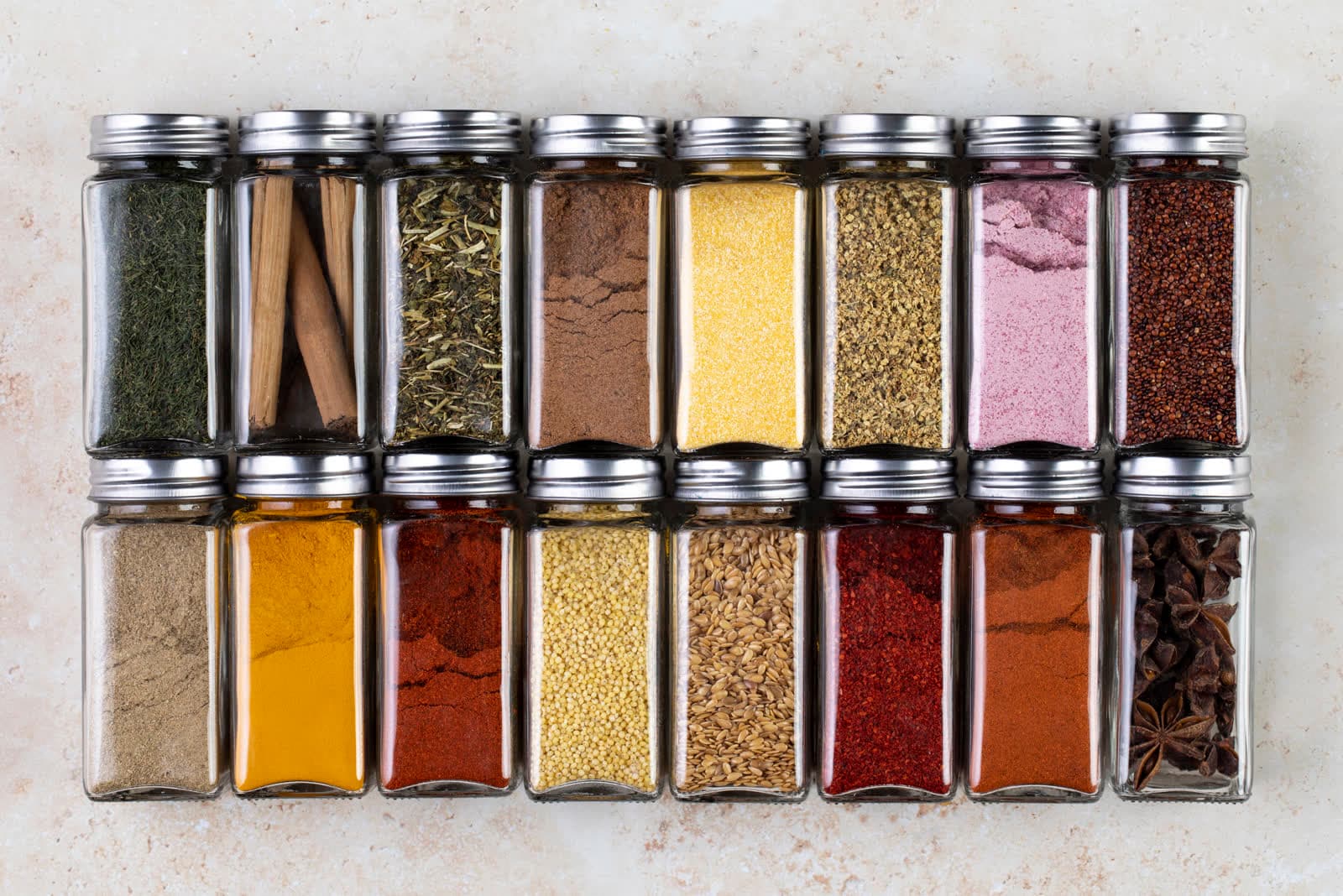
Moisture in spices is the quiet problem that shows up just as the rains arrive. A jar of powder that was loose last month suddenly sets into a cake, a pack of cloves loses its snap, or a faint musty smell greets you when you open the box.
This guide explains why dryness matters so much, how to spot damp or mouldy spices early, what you can rescue, and when it is safer to throw a pack away.
Why dryness matters for spices
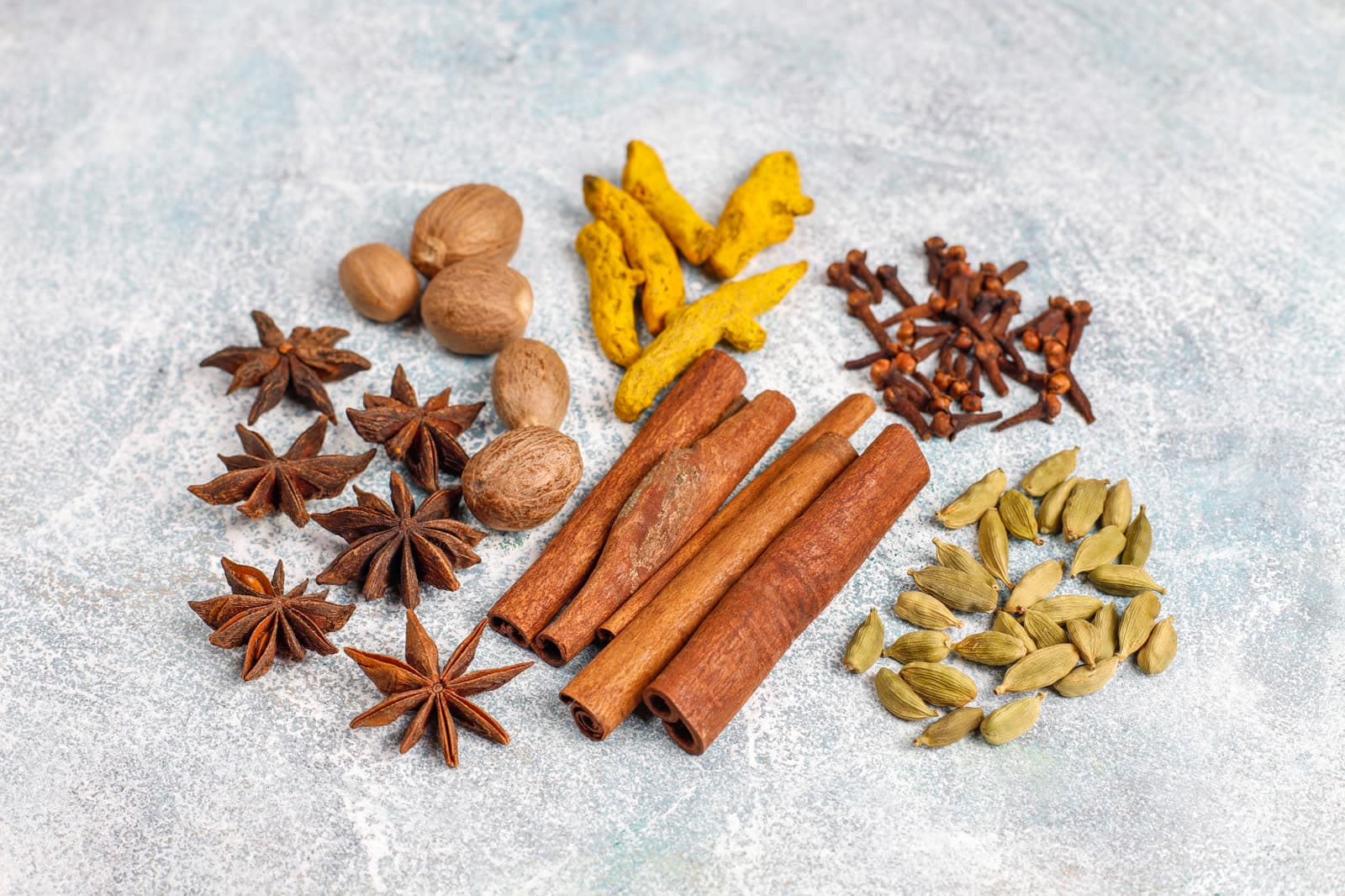
Almost every spice in your kitchen is a dried product. Cardamom pods, cloves and peppercorns are dried after harvest precisely so they can be stored for months without spoiling. Once they absorb moisture from the air, three things start to happen.
- Texture changes. Powders clump and cake, and whole spices turn soft or leathery.
- Aroma fades faster. Damp conditions speed up the loss and breakdown of the essential oils that give spices their flavour.
- Moulds and pests find a home. Mould needs moisture to grow, and damp spice is also more attractive to pantry insects.
Powders are the most vulnerable because they have a huge surface area. Whole spices, protected by their husks and skins, hold up much better, which is one reason many cooks keep whole spices as their main stock and grind small amounts as needed.
Why the weeks around the monsoon's arrival matter
As the monsoon spreads across India in late June and July, indoor humidity climbs, even in homes that stay dry for the rest of the year. Kitchens are hit hardest, with steam from cooking, damp dishcloths and the constant opening and closing of containers.
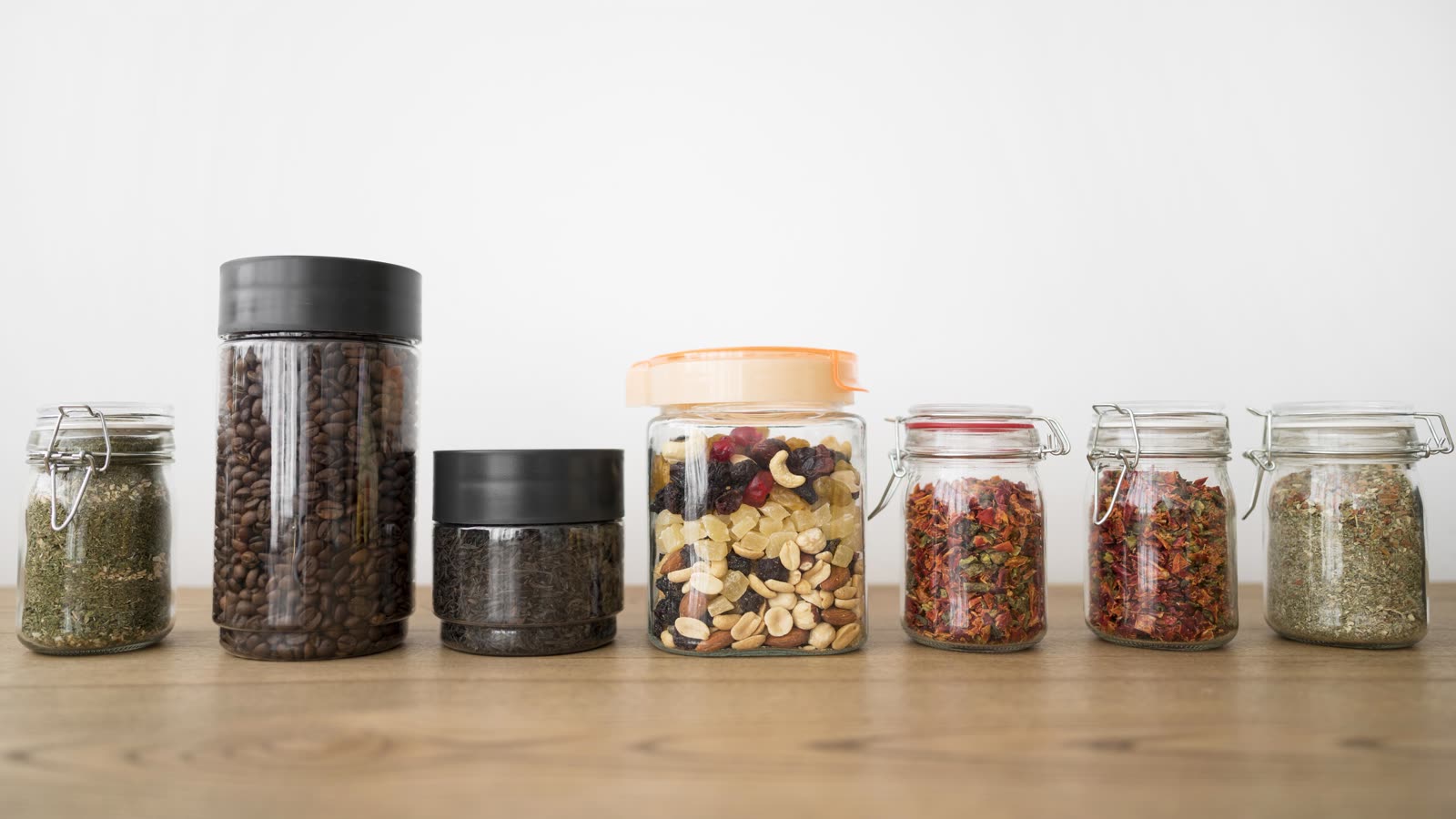
This is the right moment to go through your spice shelf once, before the heaviest rain sets in. Spices that go into the monsoon dry, sealed and fresh have a far better chance of coming out of it in good condition. Spices that are already old or half-open are the first to suffer.
A few minutes of checking now saves you from discovering a spoiled jar in the middle of cooking.
How to spot damp or musty spices
Use your eyes, fingers and nose together. Here is what each sign usually means.
Clumping and caking
Soft lumps that crumble easily between your fingers mean a powder has picked up a little moisture. Hard cakes that need a knife to break, or lumps that feel cool and slightly damp inside, mean it has absorbed a lot.
Changes in the texture of whole spices
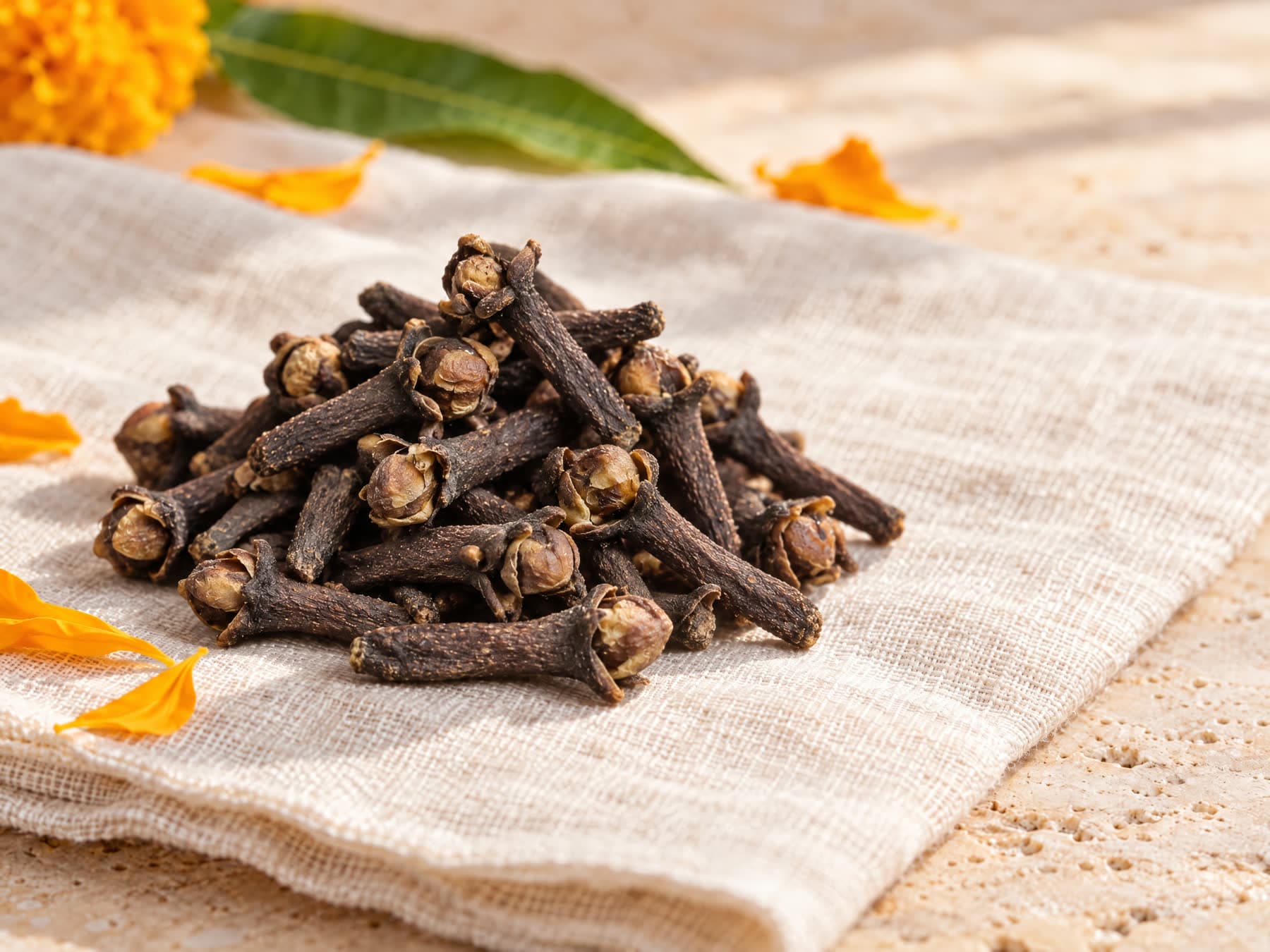
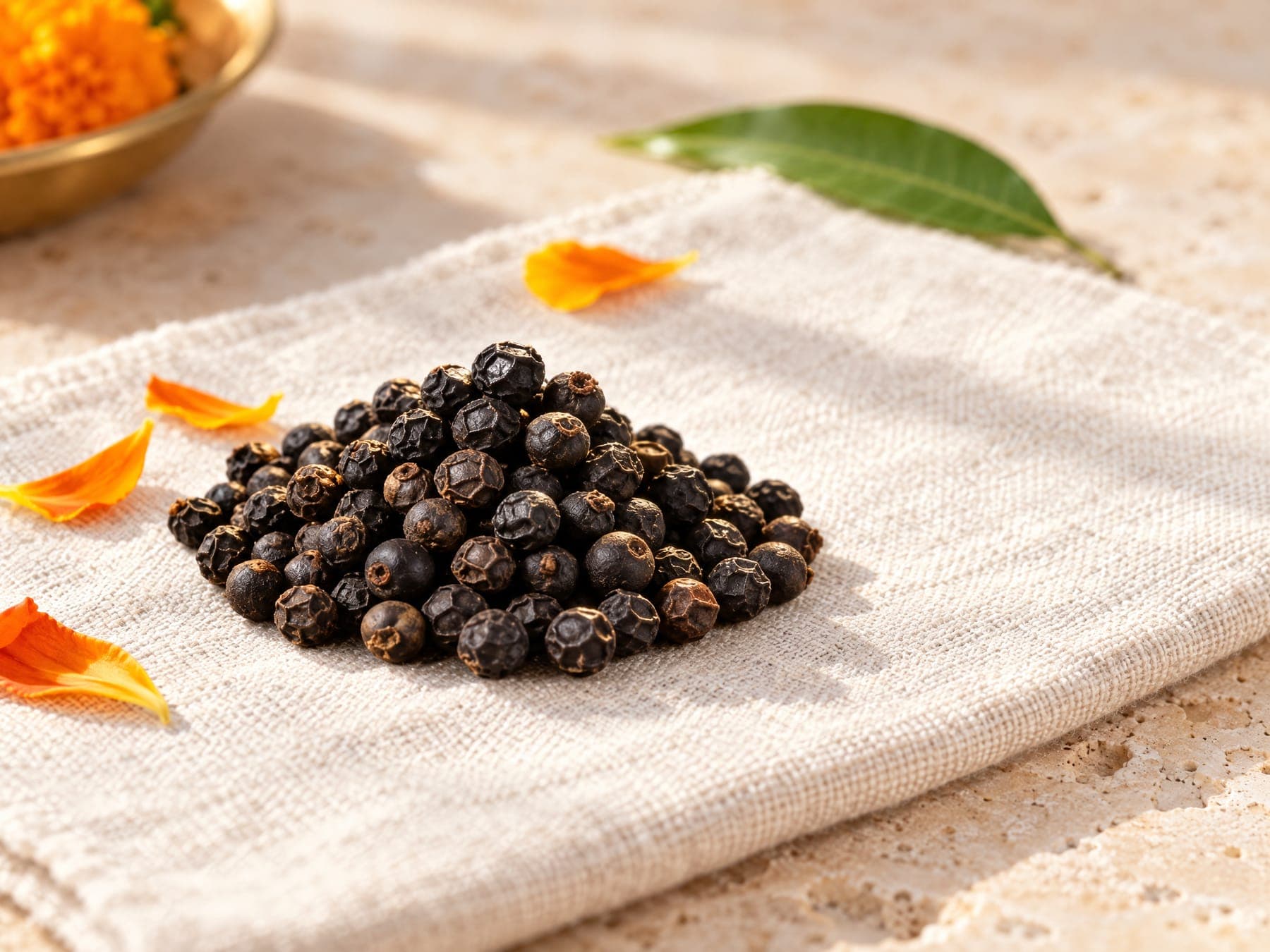
Fresh cloves feel hard and snap cleanly. Fresh peppercorns are rock hard. Cardamom pods are firm and papery. If cloves bend instead of snapping, pepper feels slightly soft, or pods feel limp and leathery, they have taken on moisture.
Smell
Good spices smell of themselves. A musty, earthy, damp-cloth or sour smell that sits on top of the normal aroma, or replaces it, is a strong warning sign even if nothing is visible yet. Smell from a short distance rather than breathing in deeply over the jar.
Visible signs
- Fuzzy white, grey, green or black spots, especially on the surface or around the rim of a jar
- Dark, wet-looking patches in a powder
- Fine webbing, tiny holes in whole spices, or small insects or larvae
- A dull, faded or blotchy colour compared with how the spice looked when fresh
What to do if a pack has taken on humidity
If a spice shows only mild clumping or slight softness, with no musty smell, no visible growth and no insects, it can usually be rescued and used soon.
For powders with soft lumps
- Tip the powder onto a clean, completely dry plate.
- Break the lumps gently with the back of a dry spoon.
- Leave the plate uncovered in a dry, airy spot indoors, away from the stove and out of direct sun, for 2 to 3 hours.
- Transfer to a clean, dry, airtight jar and plan to use it within the next few weeks.
For whole spices that feel soft
- Warm a heavy pan on the lowest heat for a minute, then turn the flame off.
- Add the spices and stir for 1 to 2 minutes in the gentle leftover heat, just until they feel dry and hard again. Do not let them darken.
- Spread them on a plate and let them cool completely, about 20 minutes. Storing them while still warm creates condensation inside the jar.
- Store airtight and use them first.
Avoid leaving spices in strong sun for long hours to dry them. Heat and light drive off aroma, so you may end up with spices that are dry but flavourless. Gentle, shaded drying or a brief warm pan is enough.
When to throw spices out
Some damage cannot be fixed, and it is not worth the risk. Use this table as a quick guide.
| Sign | What it likely means | What to do |
|---|---|---|
| Soft lumps, normal smell | Mild moisture uptake | Break up, air-dry indoors, use soon |
| Whole spices slightly soft, normal smell | Surface moisture | Dry briefly in a warm pan, cool, store airtight |
| Hard, damp cakes | Heavy moisture exposure | Discard if the smell or colour has changed |
| Musty or sour smell | Mould growth has likely started | Discard |
| Fuzzy spots or discoloured patches | Visible mould | Discard the whole container |
| Webbing, holes or insects | Pest infestation | Discard and clean the shelf |
Do not scrape off a mouldy top layer and use the rest. Mould can spread through a powder well beyond what you can see, and some moulds produce toxins that cooking does not reliably destroy. After throwing a spoiled spice away, wash and fully dry the container before reusing it, and check the jars that were sitting next to it.
If you have a mould allergy, asthma or another health condition, avoid handling mouldy food closely, and speak to a doctor if you feel unwell after eating something you suspect was spoiled.
Keeping spices dry through the rains
Prevention is easier than rescue. A few simple habits make a big difference:
- Always use a dry spoon. A wet or steamy spoon is one of the most common ways moisture gets into a jar.
- Never shake spices directly over a steaming pot. The steam rises straight into the container.
- Keep spices away from the stove, sink and kettle. A cupboard on the other side of the kitchen is better than a rack above the hob.
- Close packs straight after use. Resealable packs only protect spices when they are actually sealed, so press the zip fully closed each time.
- Buy smaller quantities in the monsoon. A 50 g or 75 g pack you finish in a few weeks is better than a large one that sits open for months.
- Favour whole spices. Whole spices such as cloves and black peppercorns resist humidity far better than powders.
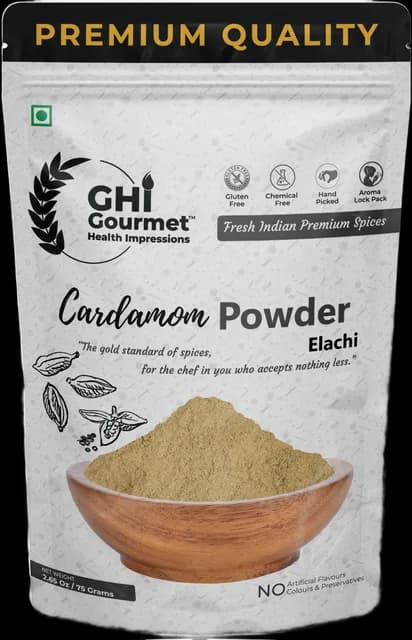
Quality at the source matters too. Spices that were properly dried, cleaned and sealed before they reached you start with less moisture and fewer contaminants, so they cope better with a humid kitchen. Recognised food safety certifications and sensible packaging are good signs that handling was taken seriously. When a powder does arrive in a well-sealed pack, such as a fresh cardamom powder, keep that seal working for you by closing it every time.
Frequently asked questions
Why do my spice powders clump in the monsoon?
Spice powders absorb moisture from humid air, and the particles stick together. Steam from cooking and wet spoons make it worse. Airtight storage away from the stove helps prevent it.
Is it safe to use clumped spice powder?
If the lumps are soft, the smell is normal and there is no visible mould or insects, it is usually fine to break up, dry indoors and use soon. If it smells musty or shows spots, throw it away.
How can I tell if spices have gone mouldy?
Look for fuzzy or coloured spots, dark damp patches and a musty or sour smell. Any of these means the spice should be discarded, not cleaned and reused.
Can I dry damp spices in the sun?
Brief, gentle drying is fine, but long hours in strong sun drive off aroma. Air-drying indoors in the shade, or a minute or two in a warm pan for whole spices, works better.
Do whole spices last longer than powders in humid weather?
Yes. Whole spices are protected by their husks and skins, so they absorb moisture more slowly and hold their aroma longer. Grinding small amounts as needed keeps the flavour fresh.
A dry, well-sealed spice shelf is one of the easiest kitchen habits to keep, and it pays you back every time you cook. GHI packs its whole and powdered spices in resealable packs, but whichever you use, the dry spoon rule is what keeps them at their best.