16 September 2026
How to Check Clove Quality at Home: 4 Easy Tests and Best Uses
Cloves are small, but by weight they are one of the costlier spices in an Indian kitchen, which is exactly why they are sometimes mixed with poor stock. The good news is that you do not need a laboratory to spot the difference. This guide shows you how to check clove quality at home with four easy tests, what good laung should look and smell like, and how to get the most out of it in cooking.
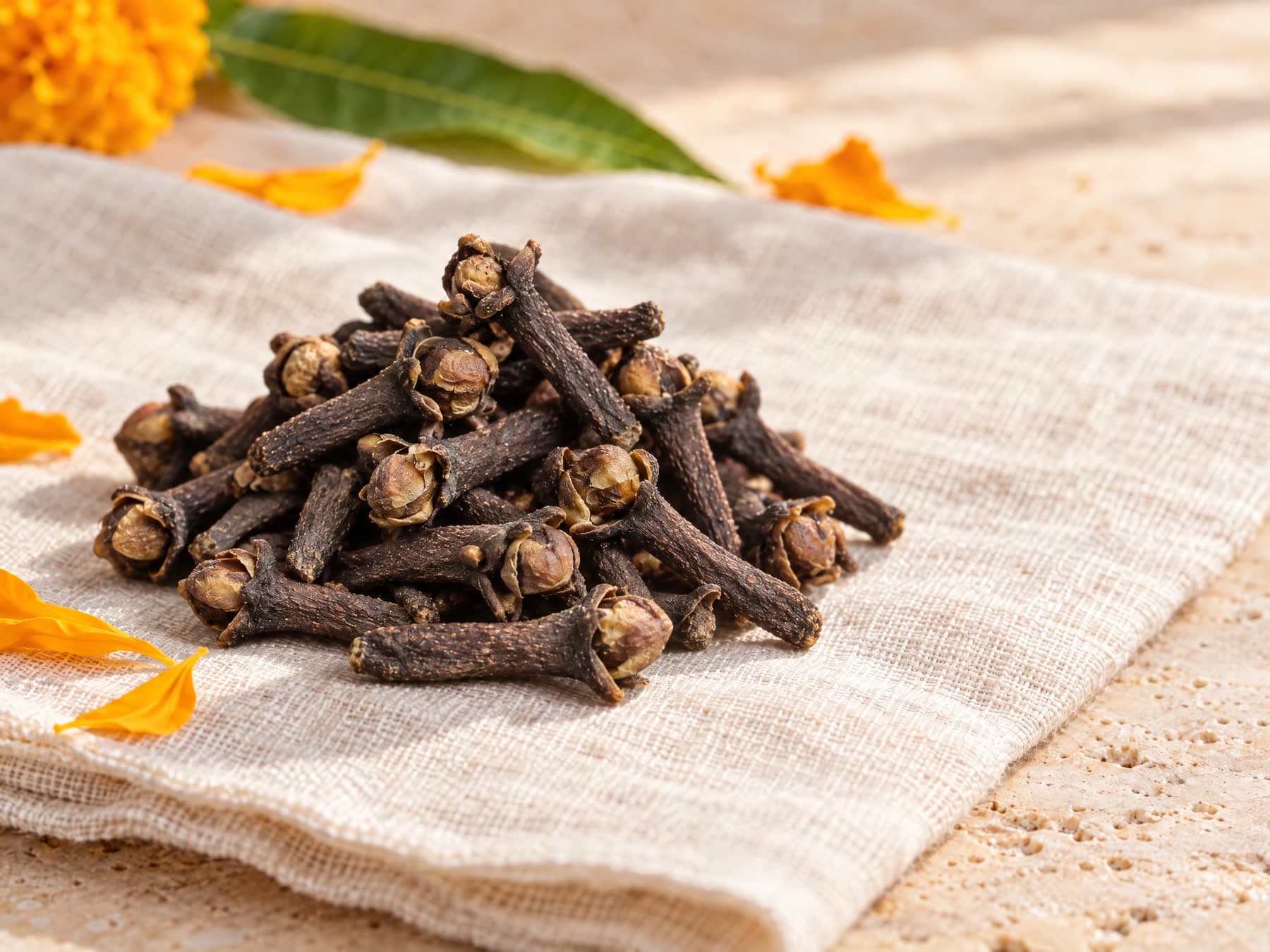
What a good clove looks like
A clove is the dried, unopened flower bud of the clove tree. Each one has two parts: a slim stem, and a small round head on top made of the folded petals, held by four tiny pointed sepals. A good clove is:
- Plump and whole, with the round head still attached.
- Dark reddish brown, not grey, pale or dusty.
- Slightly oily to the touch, not dry and brittle.
- Strongly aromatic, even before you crush it.
Poor cloves tend to be thin, shrivelled, pale, headless or mixed with loose stems. Clove stems do carry some flavour, but far less than the buds, and they add weight to the pack.
Test 1: the float test
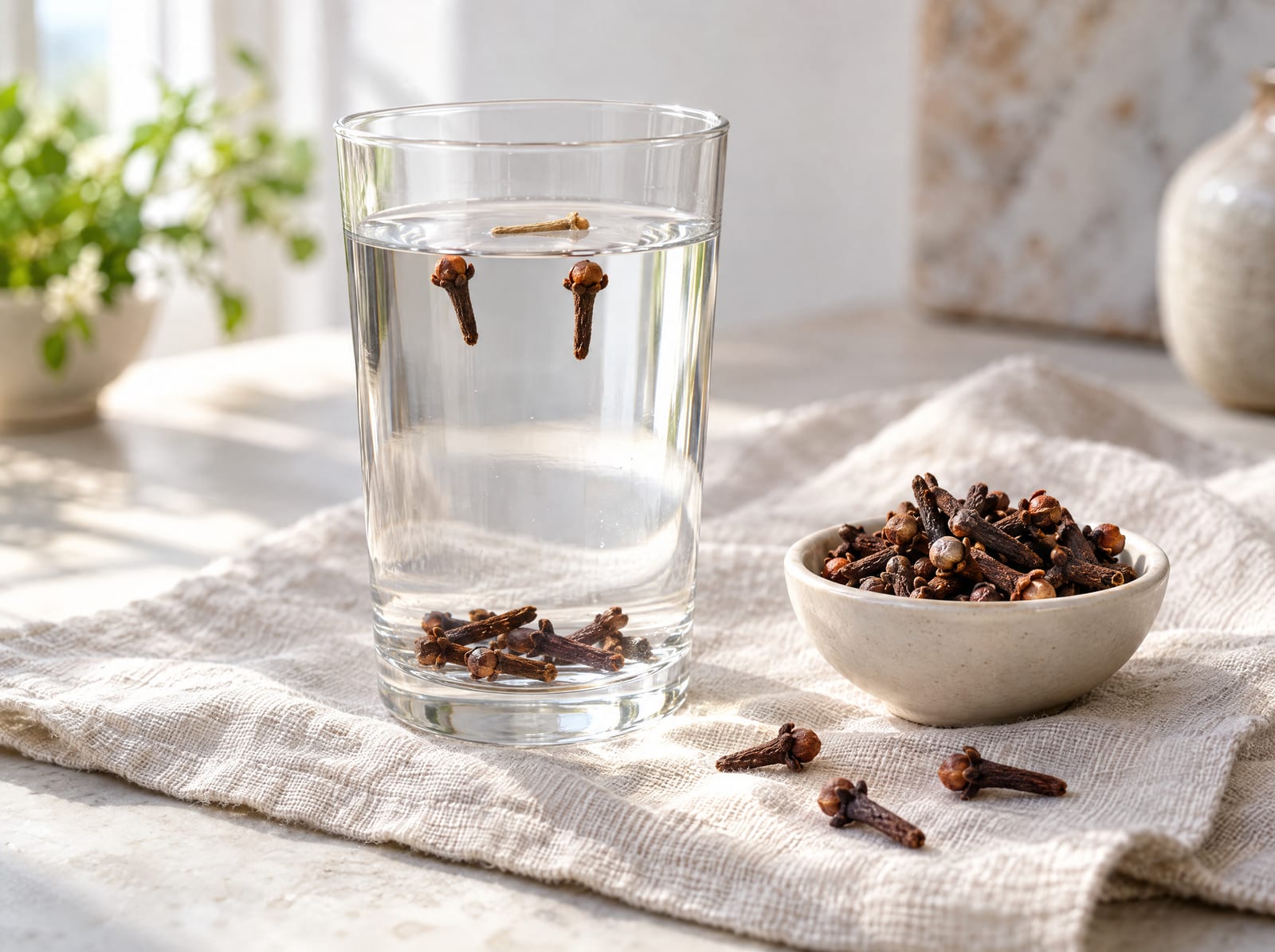
This is the best known check, and FSSAI uses it in its DART guidance (Detect Adulteration with Rapid Test) to spot "exhausted" cloves, meaning cloves whose oil has been extracted before they are sold.
- Fill a clear glass with water.
- Drop in 8 to 10 cloves.
- Wait a minute and watch.
What it means: good, oil-rich cloves settle at the bottom or stand upright in the water with the head pointing up. Exhausted cloves are light and dry, so they float flat on the surface. If most of your sample lies flat on top, those cloves have lost much of their oil, through extraction or simply through age.
One note: in a fresh batch, a few cloves may bob upright for a while before sinking. That is normal. It is the ones lying flat on the surface that should worry you.
Test 2: the oil test
The flavour of clove comes mainly from its essential oil, which is rich in a compound called eugenol. Good cloves carry enough of it that you can feel it and even see it.
- Press your fingernail firmly into the head or stem of a clove. You should feel a slight oily moisture and get a sharp, sweet burst of aroma.
- Crush a clove between two sheets of plain white paper with a rolling pin. Fresh cloves usually leave a small oily mark on the paper.
If the clove snaps like a dry twig and leaves no trace, it is old or spent.
Test 3: the head check
Pour a spoonful of cloves onto a white plate and look closely. Count roughly how many still have their round heads. Heads break off easily when cloves are dried roughly, stored badly or handled too much, so a high share of intact heads is a sign of care. A pack with many headless cloves, loose stems or a layer of dust at the bottom has usually been sorted poorly.
Test 4: the smell and taste test
Crush one clove and smell it. It should be warm, sweet and strong enough to fill your nose. Touch a tiny piece to your tongue: good cloves give a quick tingle and a slightly numbing warmth. If the aroma is faint or musty, or there is no tingle at all, the cloves are past their best. A damp or musty smell can also mean they picked up moisture in storage, so do not use those.
How to store cloves
- Keep them whole until you need them. Whole cloves hold their oil far longer than ground clove.
- Store them airtight, in a resealable pouch with the air pressed out, or in a glass jar with a tight lid.
- Keep them away from heat, light and moisture, which means not on the shelf right above the gas stove.
- Use a dry spoon every time.
Stored well, whole cloves keep their aroma for a long time, though they do slowly fade. Repeat the smell test every few months, and follow the best before date on the pack.
How to use cloves in Indian cooking
Cloves are strong, so a few go a long way. Some everyday uses:
- Tadka and tempering: add 2 to 4 cloves to hot ghee or oil with cumin, bay leaf and cinnamon at the start of a pulao, biryani or dal. Let them sizzle and swell for a few seconds before adding the rest.
- Chai: crush one or two cloves with ginger and cardamom for a warming masala chai.
- Garam masala: lightly roast cloves with black pepper, cardamom, cinnamon and cumin, cool them, then grind in small batches.
- Sweets and pickles: a clove or two adds depth to mango or apple chutney, and a single clove traditionally pins a folded meetha paan.
- Dhungar smoking: place a hot piece of charcoal in a small steel bowl inside the pot of dal or raita, add a clove and a few drops of ghee, and cover for a couple of minutes for a smoky aroma. Remove the bowl before serving.
Fish out whole cloves before serving, or warn your guests. Biting into one is an intense surprise.
How many cloves to use
As a rough guide, 3 to 5 cloves are enough for a pulao or biryani for four people, and 1 or 2 for a pot of chai. Ground clove is stronger still, so start with a small pinch and taste.
How to check clove quality before you buy
Before you even open a pack, a few details tell you a lot. Choose whole cloves over powder, since whole buds are much easier to judge and harder to adulterate. Look for a clear window or a good product photo that shows plump, dark buds with heads. Check that the ingredient list says only cloves, that there is an FSSAI licence number, and that the pack is resealable so the oil stays in after you open it. Once you get the pack home, run the float and smell tests on a small handful. It takes two minutes and tells you whether the seller deserves your next order.
Our cloves
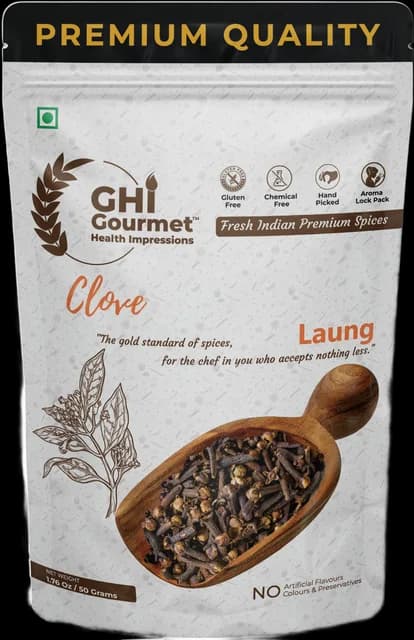
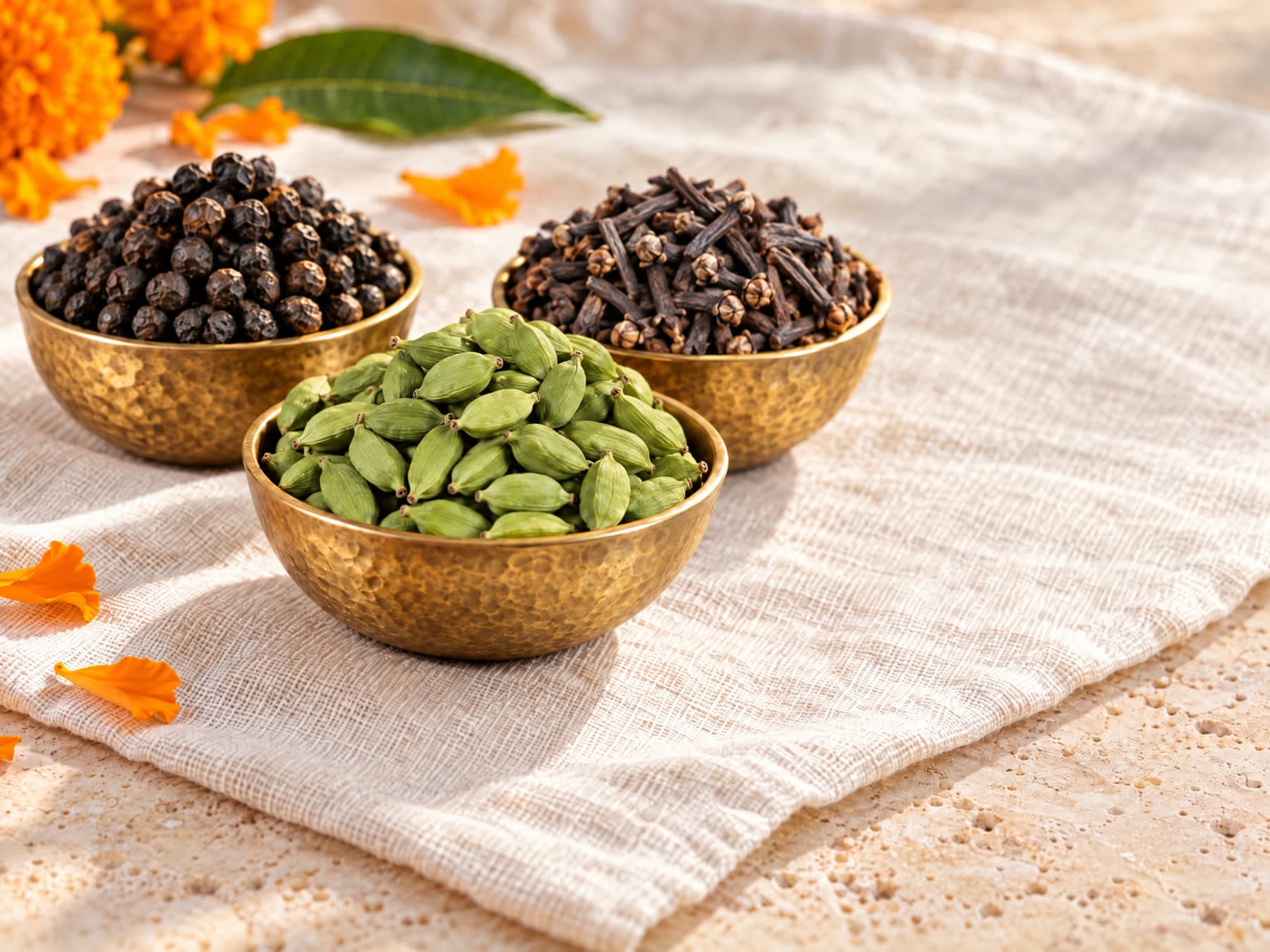
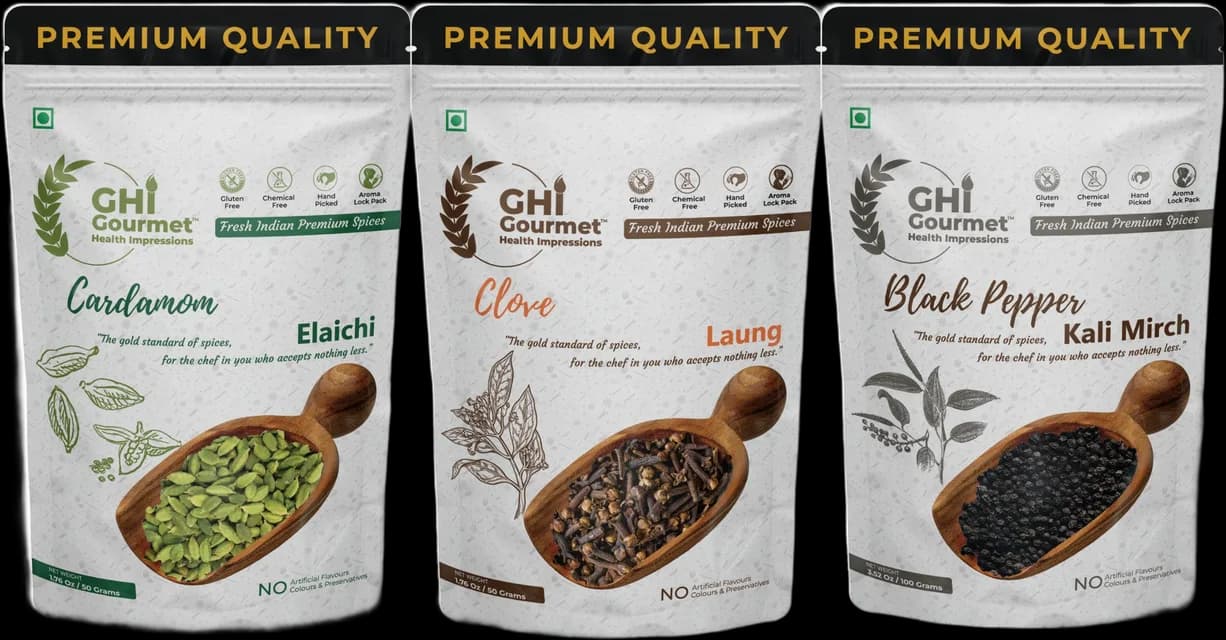
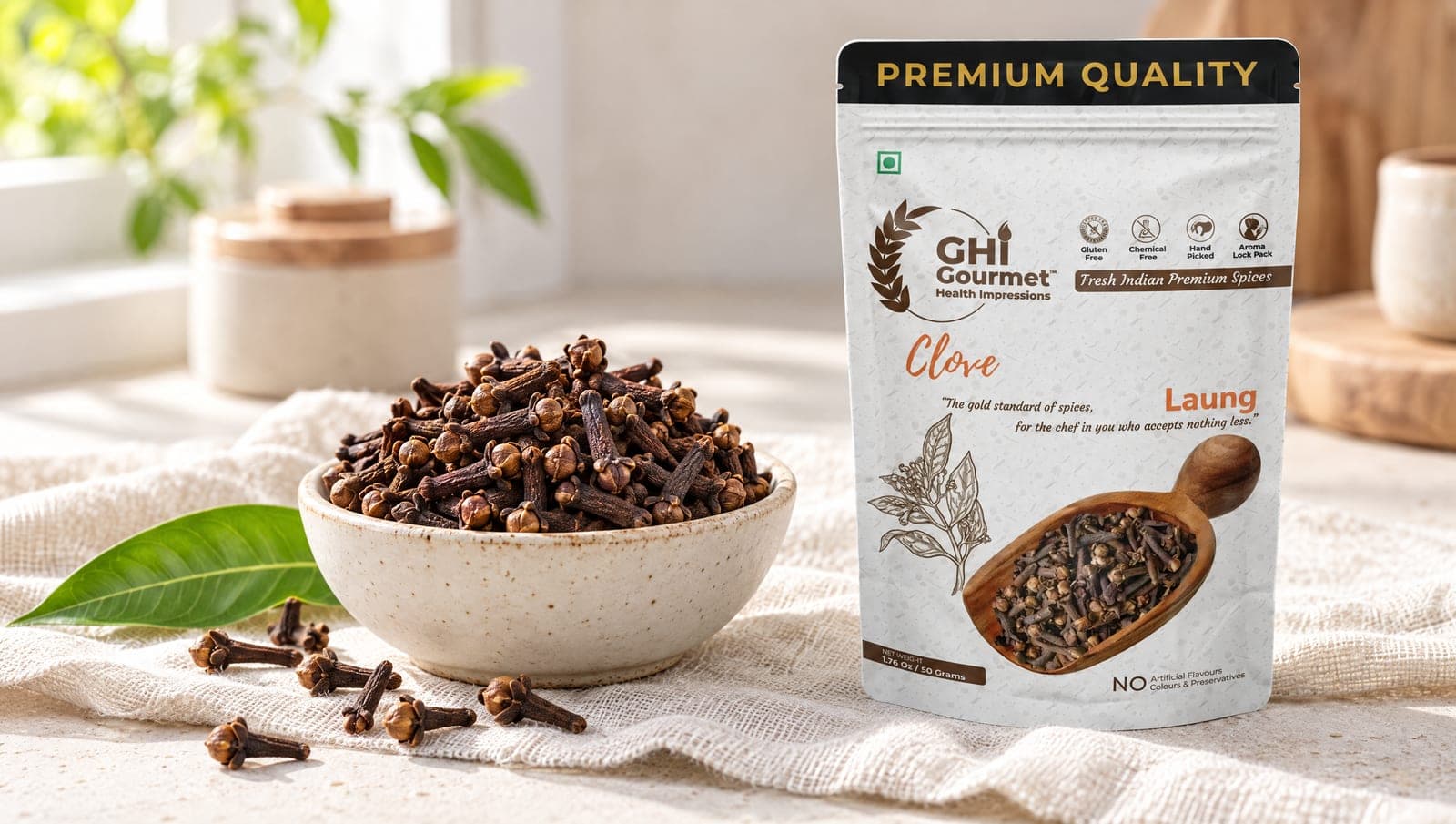
Our whole cloves are handpicked for size and packed in a resealable aroma-lock pouch, with no additives or preservatives. You are welcome to try the float test on them yourself. If you want cloves alongside pepper and cardamom, the Whole Spice Trio brings all three together, and the whole spices collection has the rest.
Frequently asked questions
Do good cloves sink or float in water?
Good, oil-rich cloves sink or stand upright in water with the head pointing up. Cloves that lie flat and float on the surface have usually lost their oil through extraction or age.
What are exhausted cloves?
They are cloves whose essential oil has been extracted before they are sold. They look similar but are lighter, drier and far less aromatic. FSSAI's DART guidance uses the float test to help spot them.
Why are some cloves missing their heads?
Heads can break off during drying, handling and packing. A few are normal, but many headless cloves and loose stems point to rough handling or poor grading.
How long do whole cloves last?
Whole cloves keep their aroma for a long time when stored airtight, dry and away from heat, much longer than ground clove. Follow the best before date on the pack and use the smell test as your guide.