13 September 2026
US FDA Registration for Indian Food Brands, Explained Simply
If you shop for Indian spices, rice or snacks online, you have probably seen a line like "US FDA registered" on a pack or a website. It sounds impressive, and it does mean something. It is also one of the most misunderstood phrases in the food business. This guide explains US FDA registration for Indian food brands in simple terms: what it is, who needs it, what it proves, and why "FDA registered" and "FDA approved" are not the same thing.
What is US FDA food facility registration?
The US Food and Drug Administration (FDA) keeps a register of food facilities that make, process, pack or hold food meant for consumption in the United States. The requirement comes from the Bioterrorism Act of 2002, and it was strengthened by the Food Safety Modernization Act (FSMA) in 2011. Foreign facilities, including those in India, must register before their food can be shipped to the US, unless an exemption applies.
Registration exists so that FDA knows who is making food for American consumers and where they are. If there is a foodborne illness outbreak or another food safety emergency, it helps the agency trace the source and quickly contact the facilities that may be affected.
What a registration includes
- The facility's name, address and contact details.
- A unique facility identifier. FDA accepts the DUNS number for this.
- For a foreign facility, the name and contact details of a US agent: a person or company in the United States who acts as the facility's point of contact with FDA.
- The categories of food handled at the facility.
- An assurance that FDA will be allowed to inspect the facility.
Once the registration is submitted, FDA assigns a registration number. FDA does not charge a fee to register.
Renewal every two years
Registrations must be renewed in every even-numbered year, between 1 October and 31 December, even if nothing about the facility has changed. That means the next renewal window opens on 1 October and runs to 31 December 2026. A registration that is not renewed in time is treated as expired, and food linked to an expired registration can be held when it arrives in the US.
What FDA registration is not
This is where most of the confusion starts. FDA registration is a listing. It is not a quality test, an inspection report or an approval. FDA's consumer guide "Is It Really FDA Approved?" explains that the agency does not approve food products. Certain ingredients, such as food additives and colour additives, need FDA approval before use, but ordinary foods like pepper, cardamom or rice do not go through any approval process at all.
"FDA registered" vs "FDA approved"
| Question | FDA registered | FDA approved |
|---|---|---|
| What does it mean? | The facility is on FDA's register of food facilities | FDA has reviewed and approved a specific product |
| Does it apply to spices? | Yes, required for facilities that supply the US | No, FDA does not approve ordinary foods |
| Does it prove quality? | No | Not applicable to spices |
| Is it a fair claim on a spice pack? | Yes, if the registration is current | No, it would be misleading |
So if you see "FDA approved spices" or "FDA certified masala", treat it as a warning sign. At best it is careless wording. At worst it is meant to mislead.
What about FDA certificates?
You may see framed "FDA registration certificates" on websites or at trade fairs. FDA itself does not issue registration certificates. Those documents are usually produced by private consultants who help companies with the paperwork. They can be a handy record, but they are not official FDA documents, and they say nothing about quality.
What else a food brand needs to sell in the US
Registration is only the first step. For spices and other foods going to the United States, several other rules also apply:
- Prior notice: FDA must be told about each food shipment before it arrives, and the notice includes the registration number of the facility.
- Food safety plans: under FSMA, many facilities must keep a written food safety plan based on hazard analysis and preventive controls.
- Importer checks: under the Foreign Supplier Verification Program, the US importer usually has to verify that its foreign supplier produces food safely.
- Labelling: English labels with the common name, net quantity, ingredients, allergen information and the name and place of business of the maker, packer or distributor.
- Border checks: FDA can examine, sample and refuse shipments at the port. For spices, Salmonella and filth are the most common problems. FDA's risk profile on pathogens and filth in spices found an average Salmonella prevalence of about 6.6 percent in imported spice shipments sampled between 2007 and 2009.
After the 2024 ethylene oxide recalls in Hong Kong and Singapore, news reports, including in Deccan Herald, said FDA was gathering information about the Indian spice products involved. It was a reminder that the US market watches what arrives at its ports, whatever the paperwork says.
Why registration still matters for Indian brands
If registration is not approval, why do brands mention it at all? Because it is a real legal requirement for supplying the US, and it comes with obligations. A registered facility has named a US agent, agreed that FDA may inspect it, and accepted that its shipments can be sampled and refused at the port. That is a different position from a brand that has never shipped outside its home state.
On its own, registration says little. Combined with Indian certifications such as FSSAI, APEDA and ISO 22000, it tells you that the business is used to working inside formal food safety systems. It is one useful signal among several, not a guarantee of what is in any particular packet.
How to read a brand's claims as a shopper
- Look for precise wording. "US FDA registered" is a fair claim. "FDA approved" on a spice is not.
- Check the Indian basics first. An FSSAI licence number on the pack is required for packaged food sold in India, and it matters more for your kitchen than any foreign registration.
- Look at the product itself. Registration tells you nothing about freshness. Grading, a packing date, a single-ingredient label and a strong aroma tell you far more.
- Ask questions. A genuine exporter can usually tell you which markets it ships to and which certifications it holds.
Where GHI stands
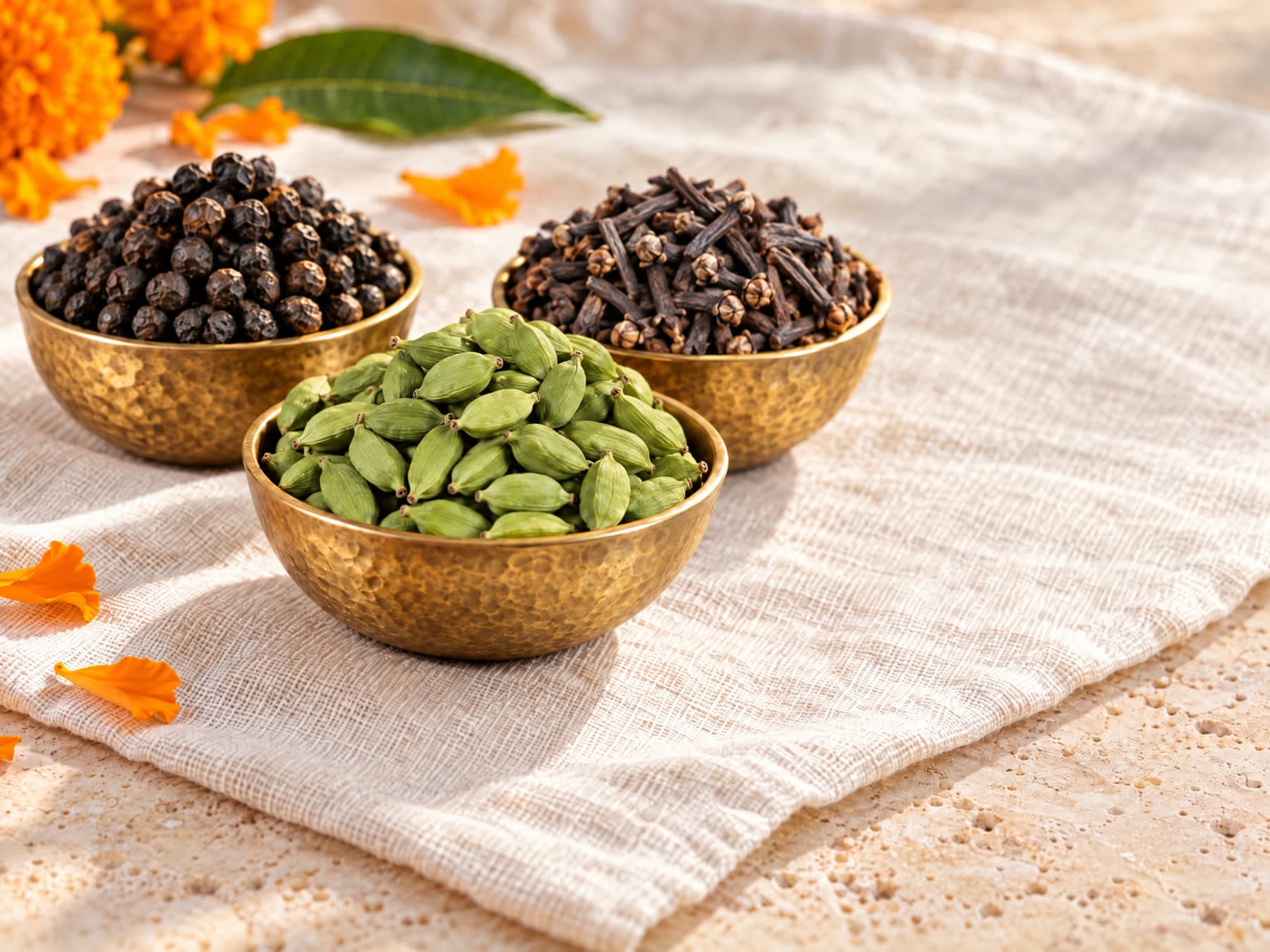
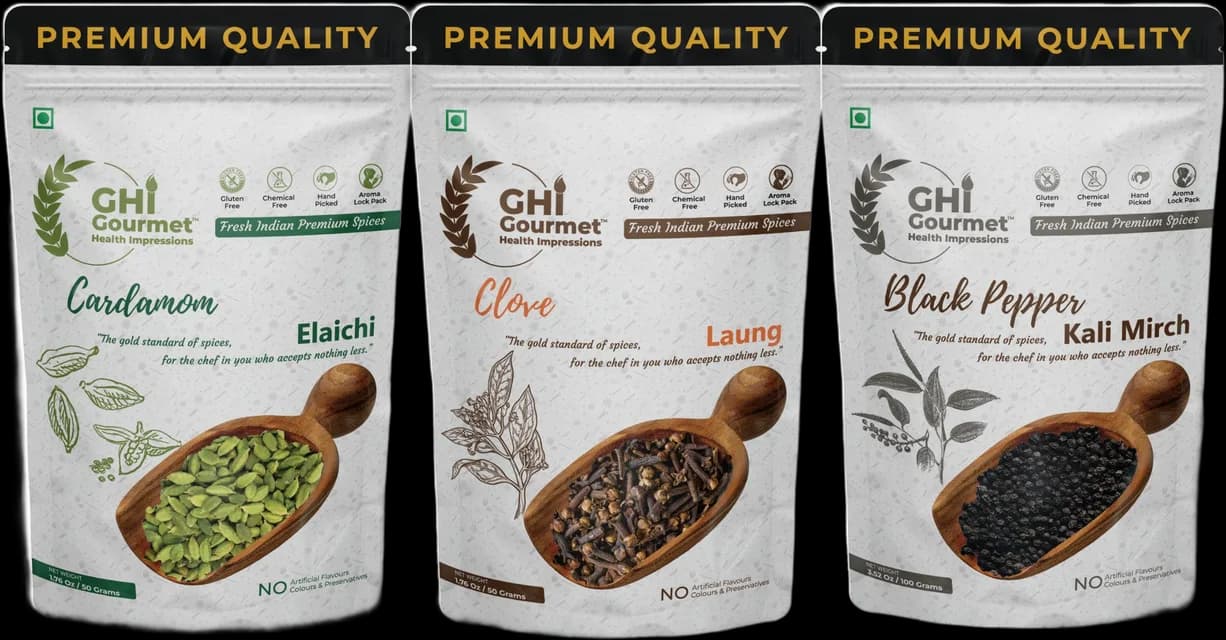
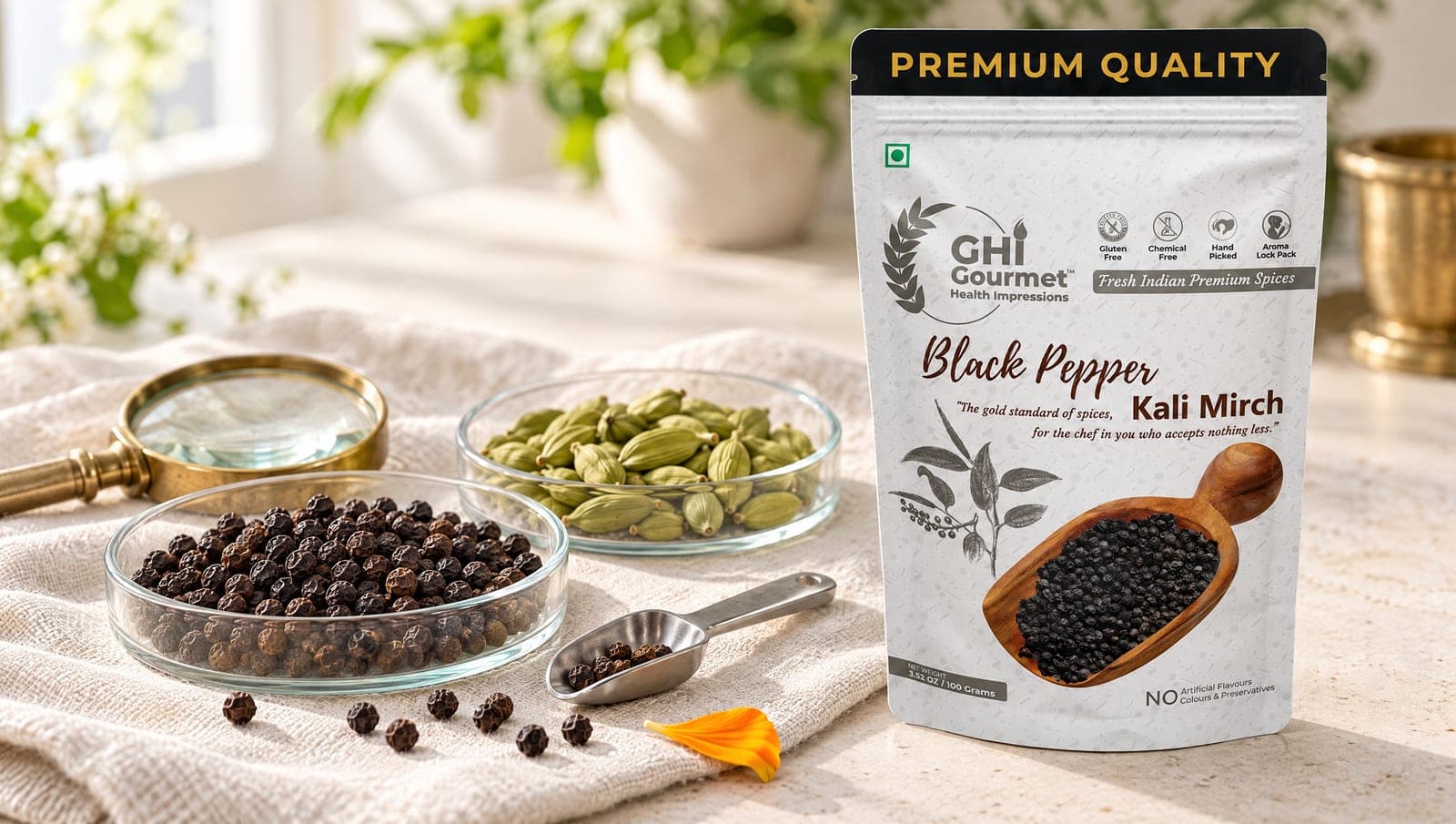
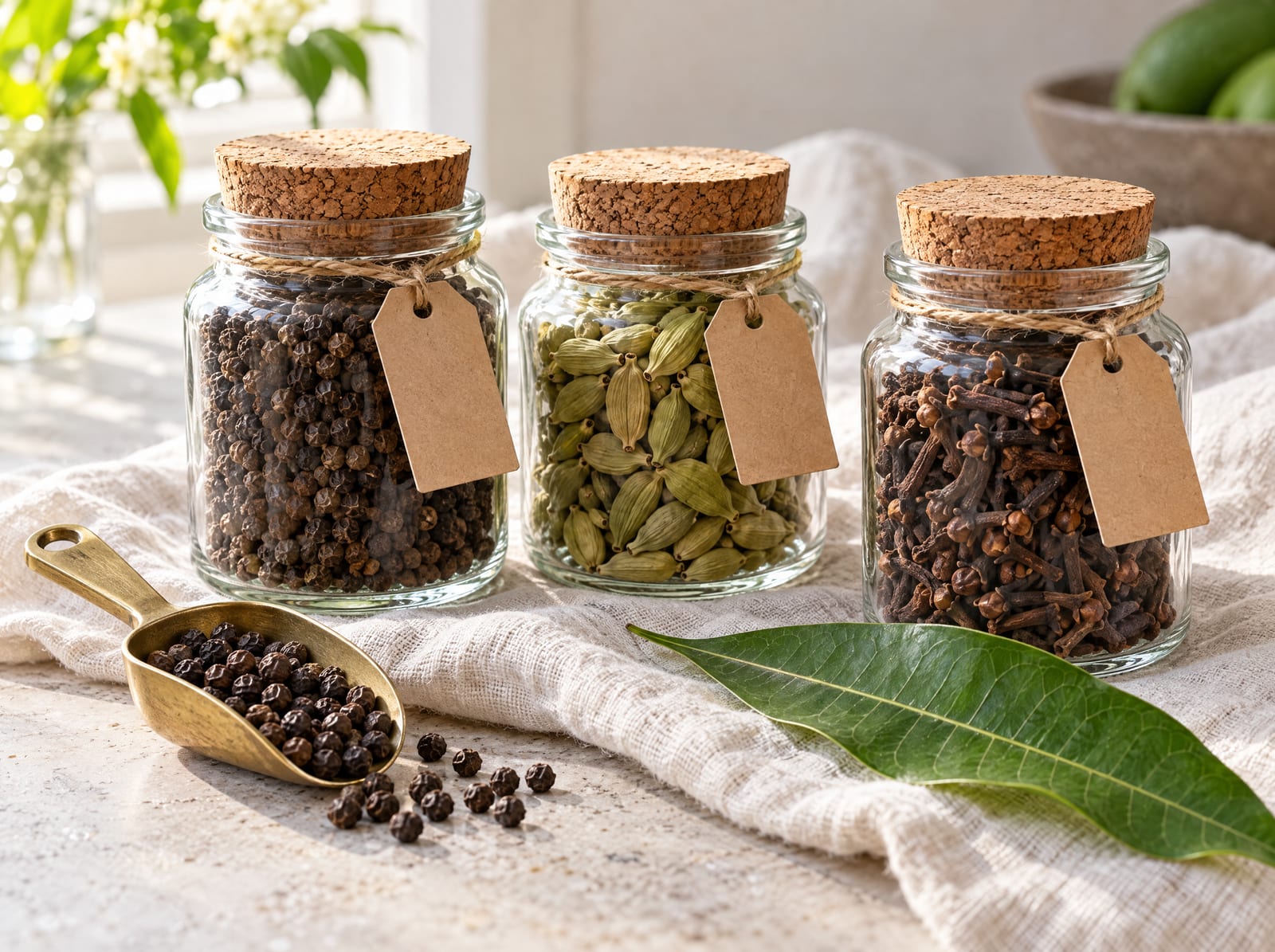
GHI Foods is US FDA registered, and the certifications we list are FSSAI, APEDA, ISO 22000 and the Spices Board of India. We say "registered" because that is exactly what it is. We supply rice, groundnuts and spices for export to markets including the USA, the UAE and the UK, and the same graded packs we sell at home go into our export containers. If you are an importer or distributor, our export desk can share specifications and samples. If you simply want good spices at home, browse our whole spices or try the Whole Spice Trio of black pepper, cardamom and cloves.
Frequently asked questions
Does the US FDA approve Indian spices?
No. FDA does not approve ordinary foods such as spices. It registers the facilities that make, pack or hold food for the US market, and it can examine, sample and refuse shipments when they arrive.
Is an FDA registration certificate an official document?
No. FDA does not issue registration certificates. Certificates you see online or at trade fairs are usually issued by private consultants as a record of the registration.
How often must FDA food facility registration be renewed?
Every two years, in even-numbered years, between 1 October and 31 December. The next renewal window runs from 1 October to 31 December 2026.
Does FDA registration mean a product is safe?
Not by itself. It means the facility is on FDA's register and can be contacted and inspected. Safety comes from how the food is grown, handled, packed and tested.