21 August 2024
How to Check Spices for Adulteration at Home: Easy Tests
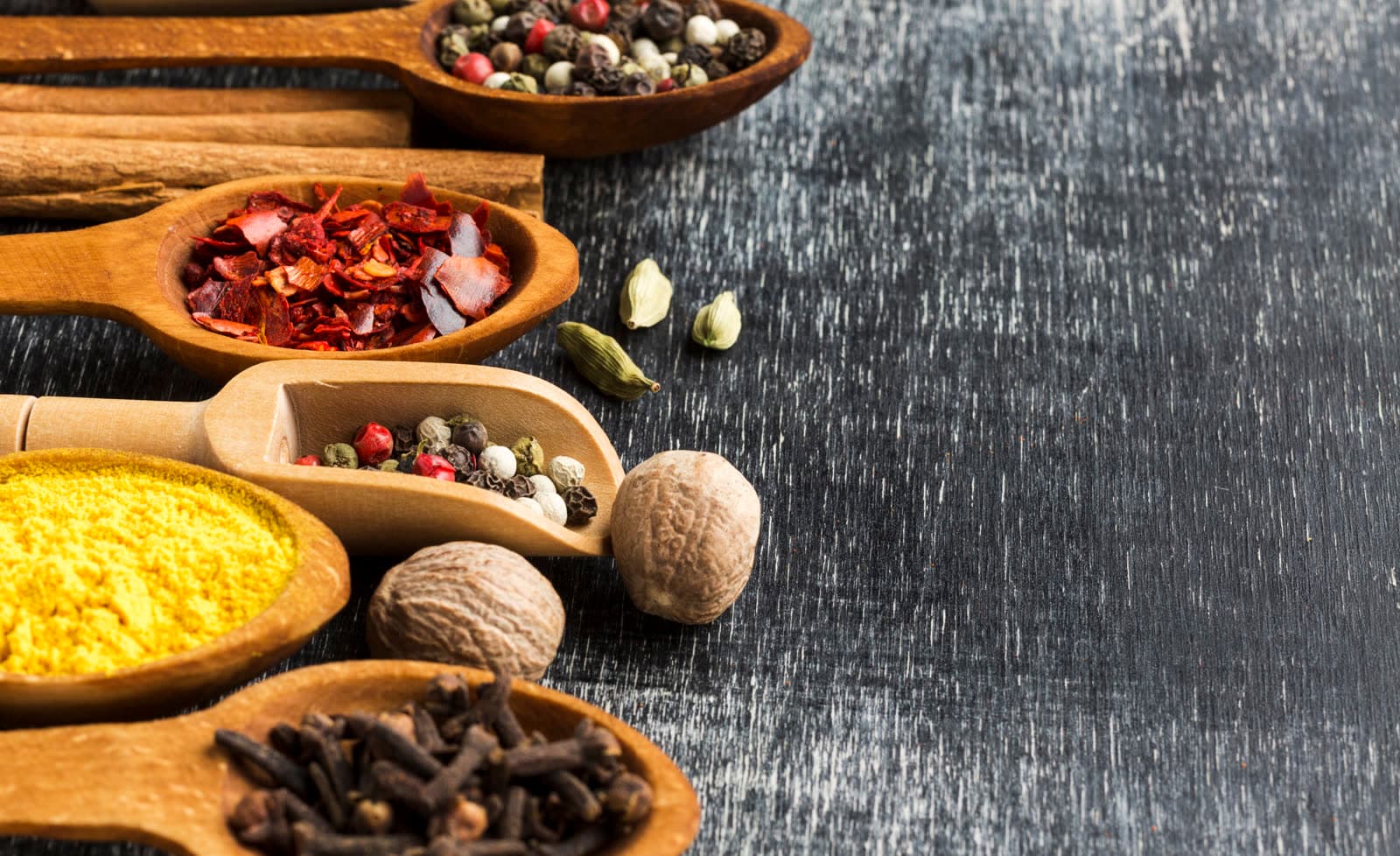
With the festive season around the corner, many kitchens are stocking up on spices for the months of cooking ahead. It is the right moment to learn how to check spices for adulteration at home, using nothing more than a glass of water, a white tissue and your own nose. None of these tests needs special equipment, and each one takes only a minute or two.
Why It Is Worth Checking Your Spices for Adulteration
Spice adulteration usually takes a few familiar forms. Cheaper fillers such as husk, starch or sawdust may be mixed into powders to add weight. Artificial colours may be used to make dull or old spice look bright. Look-alike substitutes, such as papaya seeds in black pepper, can be slipped into whole spices. And "exhausted" spices, whose essential oil has already been extracted, may be sold as if they were fresh.
Loose powders sold by weight, with no label, batch number or brand behind them, deserve the most caution. Ground spices are simply easier to tamper with than whole ones, because once a spice is powdered, the eye cannot tell what went into it.
India's food regulator, FSSAI, publishes a consumer guide called DART (Detect Adulteration with Rapid Test) that describes simple household checks for common adulterants. The tests below follow the same spirit: quick, practical and meant to raise a flag, not to replace a laboratory.
The Water Test for Spice Powders
The water test is the easiest place to start. Fill a clear glass with plain water at room temperature, sprinkle about 1/2 teaspoon of the powder gently on the surface, and do not stir. Watch what happens over the next 1 to 2 minutes, then look at the glass from the side and from above.
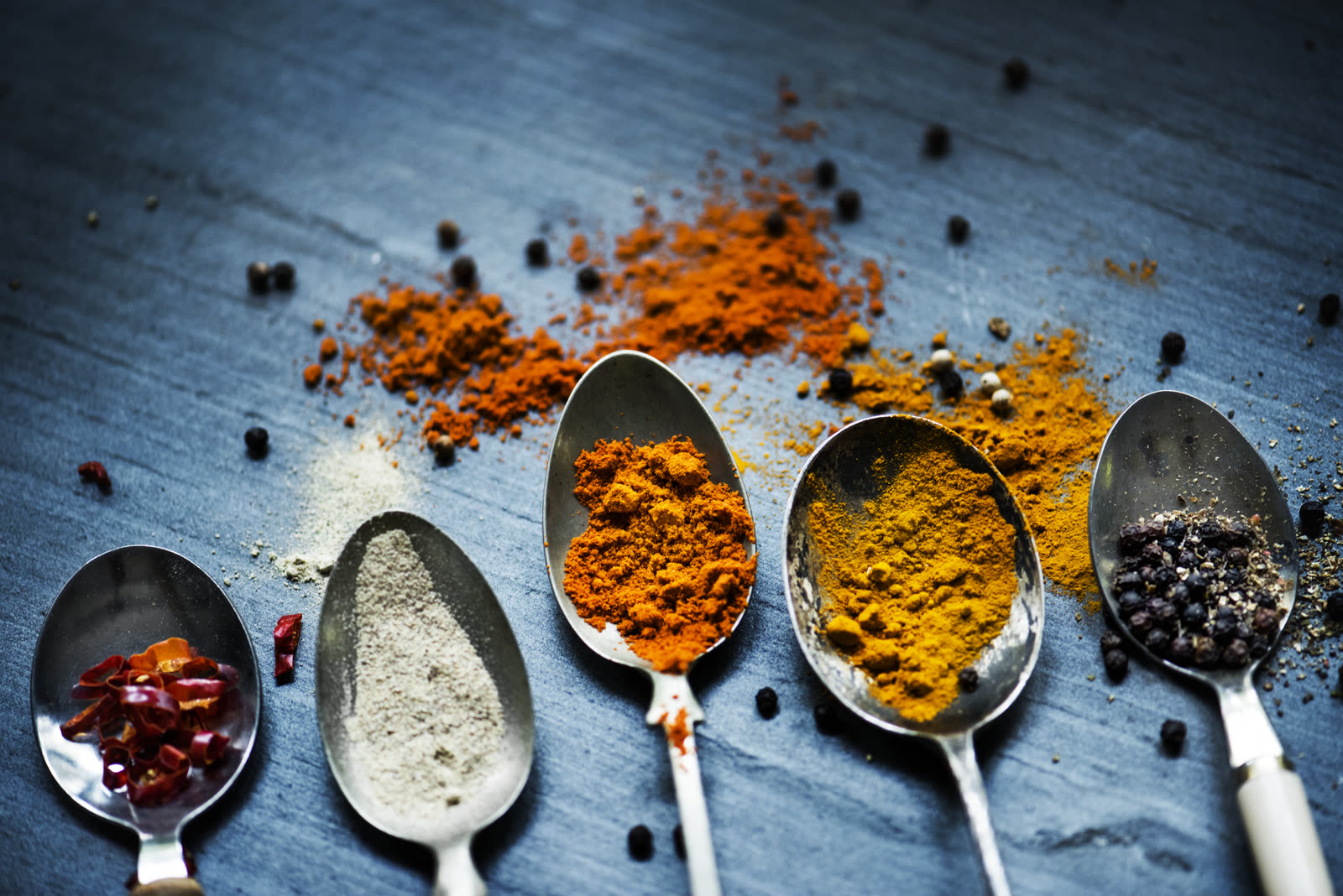
Chilli powder
If coloured streaks trail down through the water as soon as the powder lands, added colour may be present. Once the powder has settled, pour off most of the water and rub the residue at the bottom between your fingers. A gritty, sandy feel can point to brick powder or sand, while pure chilli powder feels soft.
Turmeric powder
Pure turmeric gradually settles to the bottom and leaves the water a light yellow. If the water turns a very bright, deep yellow almost instantly and stays that way, the powder may contain added colour. Compare it with turmeric from a source you trust to get a feel for the difference.
Coriander, cumin and other ground spices
Watch the surface. Light fillers such as sawdust, bran or excess husk tend to float and form a fibrous layer on top. A few floating specks are normal, since many powders naturally contain some light particles. A thick mat of flaky material that refuses to settle is worth questioning.
The Float or Sink Test for Whole Spices
Density is a useful clue with whole spices. Mature, well-dried spices are usually heavy for their size, while fillers and spent spices tend to be lighter.
- Black pepper: drop a spoonful of peppercorns into a glass of water. Sound, mature peppercorns tend to sink. Papaya seeds and light, hollow or immature berries tend to float. Papaya seeds also look smoother and more oval, often with a greenish-brown tinge, and they lack pepper's sharp bite when crushed.
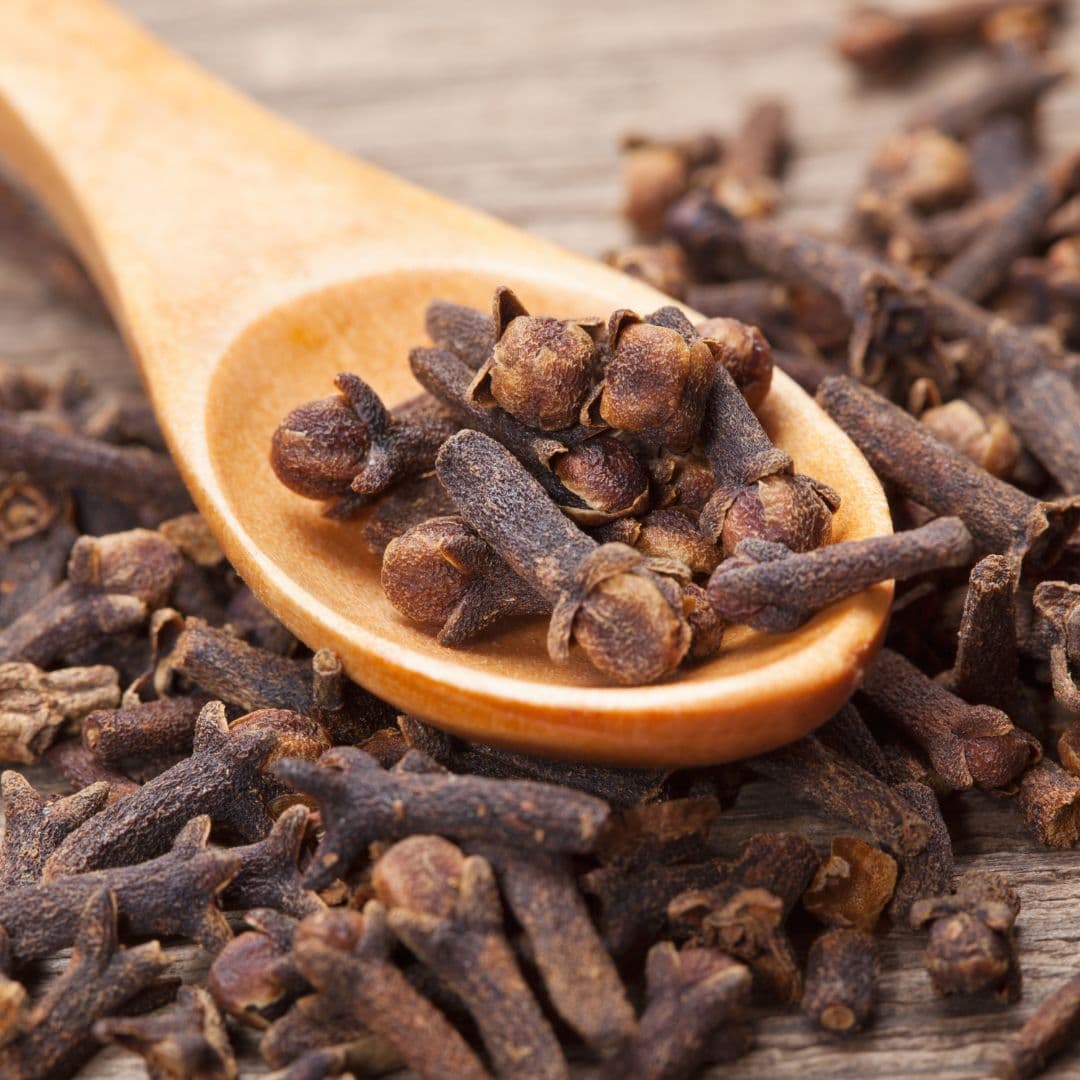
- Cloves: drop a few cloves into water. Good cloves usually sink or float upright with the head pointing up. Cloves that float flat on their side, look shrivelled and smell faint may be exhausted cloves with most of their oil removed.
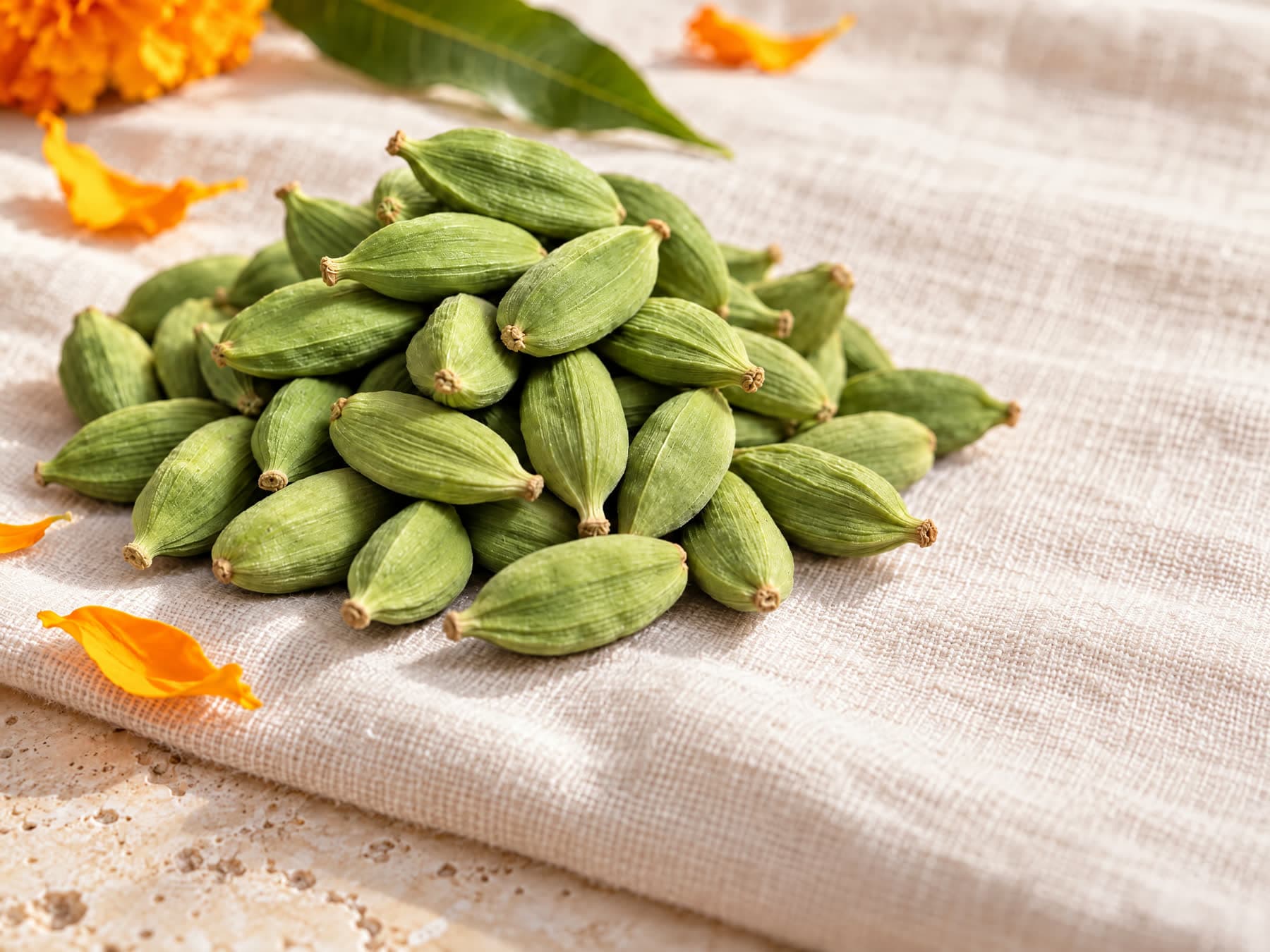
- Cardamom: float testing is less useful here, but pick up a handful. Good pods feel plump and firm, while empty, split or papery pods feel light and hollow.
| Spice | Home test | A good sign | A possible warning sign |
|---|---|---|---|
| Chilli powder | Sprinkle on water | Settles slowly, soft residue | Instant colour streaks, gritty residue |
| Turmeric powder | Sprinkle on water | Settles, water turns light yellow | Water turns bright yellow at once |
| Ground spices | Watch the surface | Most powder settles | Thick floating layer of flakes |
| Black pepper | Float or sink | Most peppercorns sink | Many light, smooth, floating seeds |
| Cloves | Float or sink | Sink or float head-up | Float flat, shrivelled, faint smell |
| Green cardamom | Colour bleed | No green on wet tissue | Green stain on tissue or water |
The Colour Bleed Test for Added Dyes
Natural spice colour stays in the spice. Added dyes tend to come off on contact with water, and this simple test makes them visible.
For green cardamom, rub two or three pods firmly on a damp white tissue or a wet cotton ball, or leave them in a small bowl of water for 10 minutes. Natural pods may darken slightly when wet but should not leave a noticeable green stain. A bright green mark on the tissue, or green-tinted water, suggests the pods may have been coloured to look fresher than they are.
Natural cardamom colour ranges from pale to deep green depending on variety and drying, so an unusually uniform, almost glossy, emerald shade is worth a second look. If you would like to understand what genuine pods should look like, our guide to green and black cardamom varieties is a helpful reference. Graded, hand-selected pods such as whole green cardamom in 8 mm size show natural variation in shade while staying consistent in size and plumpness.
The same idea works for chilli powder and whole turmeric. Rub a pinch of powder, or a turmeric finger, on a wet palm or damp white paper. A colour that smears very brightly and refuses to wash off easily is a reason for caution.
The Smell and Touch Test
Your nose is one of the best tools you have. Real spices announce themselves the moment they are crushed, and spices that have lost their oil, or were never genuine, smell faint or musty.
- Cardamom: crack a pod. The seeds inside should be dark, slightly sticky and intensely sweet-smelling.
- Cloves: press the stem with a fingernail. A fresh clove releases a little oil and a strong, warm smell.
- Black pepper: crush a peppercorn. It should smell sharp and woody and make you want to sneeze a little.
- Powders: rub a pinch between two fingers. Good powder feels fine, slightly oily and fragrant. A dry, chalky or sandy feel with little aroma suggests fillers or old stock.
Cinnamon or cassia?
This one is less about adulteration and more about knowing what you are buying. True cinnamon quills are thin, papery and made of many fragile layers rolled together. Cassia is a thicker, harder, single layer of bark with a stronger, sharper taste. Both are sold as dalchini in Indian markets, so read the label and look closely at the bark.
What Home Tests Can and Cannot Tell You
Home tests are useful for catching obvious problems, but they have limits. They cannot detect pesticide residues, microbial contamination or small amounts of an adulterant. A spice can pass every kitchen test and still fall short on hygiene or handling. This is where certifications matter: an FSSAI licence, ISO 22000 food safety management and Spices Board registration all indicate that a brand's processes are checked beyond what you can see at home.
A few buying habits reduce the need for testing at all:
- Buy whole spices where possible and grind small amounts at home.
- Choose sealed, labelled packs with an FSSAI licence number, batch number and best-before date. Browse powdered spices only from sources that list these details clearly.
- Be wary of colours that look unnaturally bright and prices that seem too good to be true.
- Prefer graded spices, where size and quality are sorted and stated on the pack.
- Store spices in resealable or airtight containers so moisture and pests stay out.
If you strongly suspect a product is adulterated, stop using it, keep the pack and its label, and raise the issue with the seller and your local food safety authority.
Frequently asked questions
How can I check if chilli powder is adulterated at home?
Sprinkle 1/2 teaspoon of chilli powder on a glass of water without stirring. Coloured streaks trailing down immediately may indicate added colour, and a gritty residue at the bottom may indicate brick powder or sand.
How do I know if black pepper is mixed with papaya seeds?
Put the peppercorns in water. Mature peppercorns usually sink, while papaya seeds tend to float. Papaya seeds also look smoother and more oval and taste bland rather than sharp when crushed.
Why does my green cardamom leave colour on a wet tissue?
Natural cardamom should not leave a noticeable green stain. A bright green mark on a damp tissue suggests the pods may have been coloured, often to make older or lower-grade pods look fresher.
Is the water test for turmeric reliable?
It is a useful first check rather than a final answer. Pure turmeric usually settles and leaves the water light yellow, while an instant deep yellow colour can hint at added dye. Only a laboratory test can confirm adulteration.
Which spices are most commonly adulterated?
Ground spices are generally easier to adulterate than whole ones. Chilli powder, turmeric powder, black pepper and green cardamom are among the spices most often discussed in consumer guides on adulteration.
A minute at the kitchen counter can tell you a lot about what goes into your food. At GHI, we keep things simple: graded whole and powdered spices with no additives or preservatives, handled under FSSAI and ISO 22000 certified processes and packed in resealable packs.