10 September 2025
Tadka Done Right: How to Temper Whole Spices in Ghee
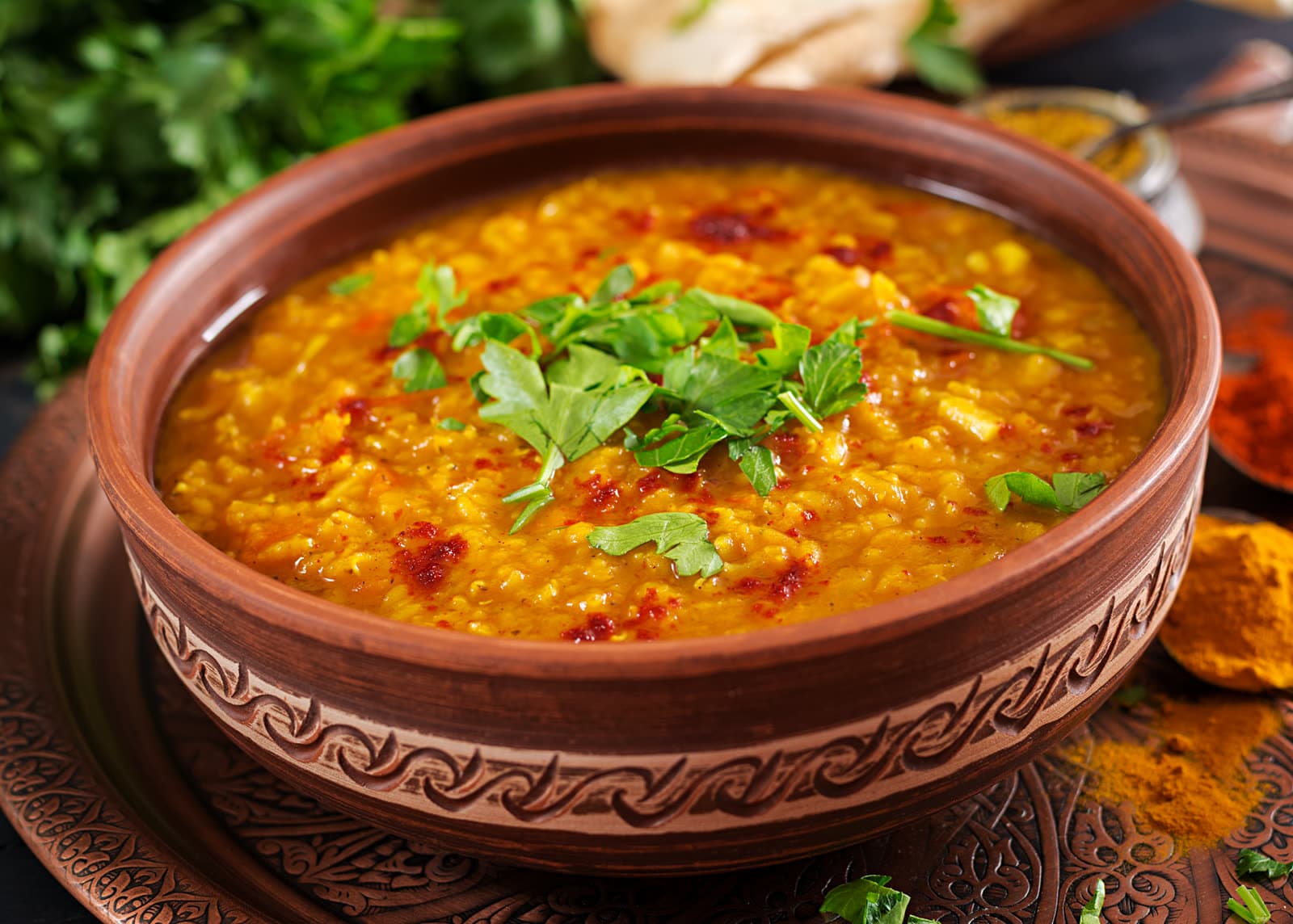
A pot of dal can taste ordinary right up until the last thirty seconds, when a ladle of sizzling ghee and spices hits it. That is tadka, or tempering, and it may be the most important technique in Indian home cooking. This guide covers how to make tadka the right way: how whole spices bloom in hot ghee or oil, the order to add them, how to control the heat, and the right tadka for dal, rajma and chole.
What happens when whole spices hit hot ghee
Most of the aroma in whole spices is locked inside them as essential oils, and many of those aromatic compounds dissolve far more readily in fat than in water. When you drop a clove or a cumin seed into hot ghee, the heat opens the spice up and the fat absorbs its fragrance. The ghee becomes a carrier of flavour, which then coats every spoonful of the finished dish.
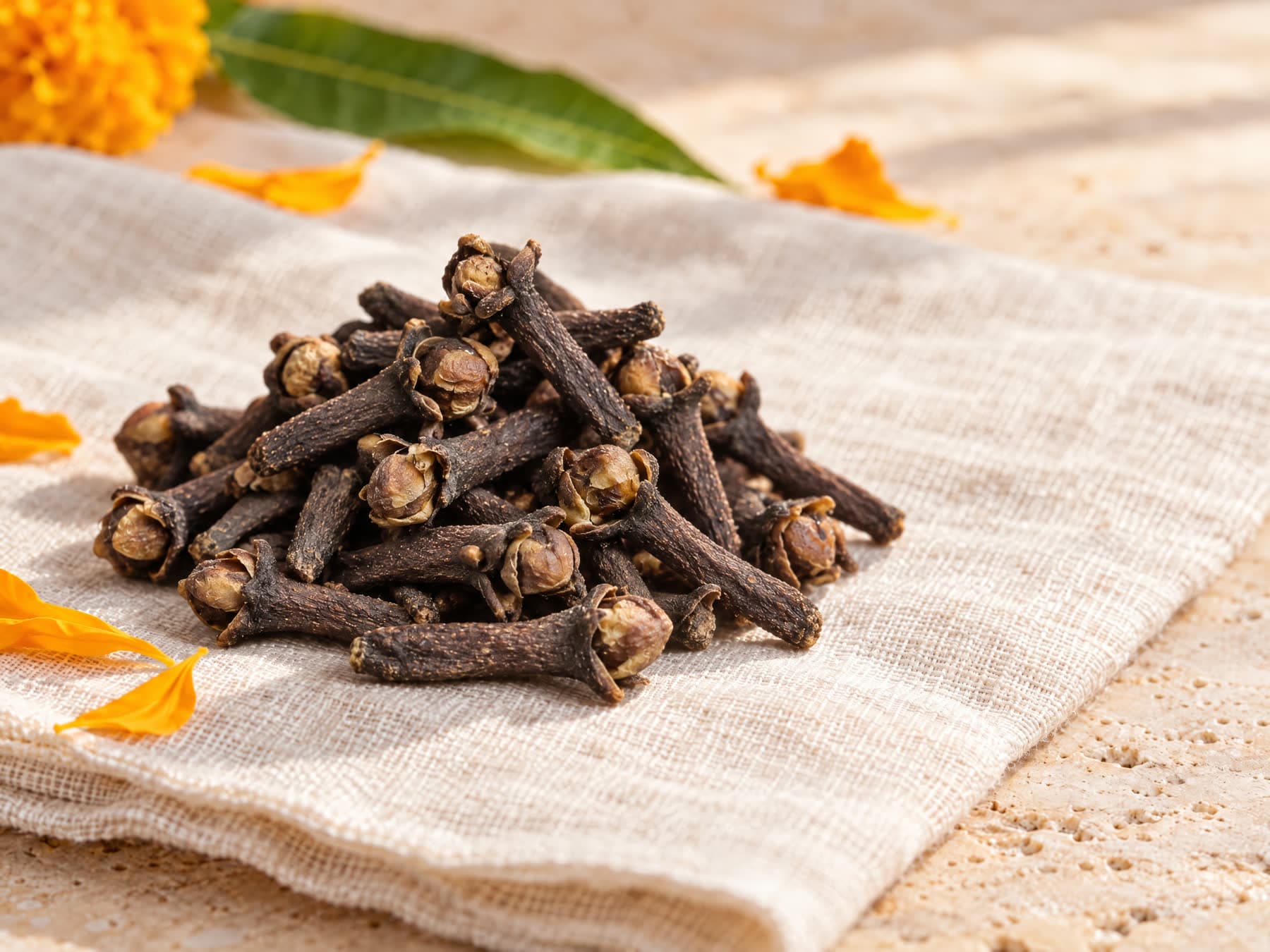
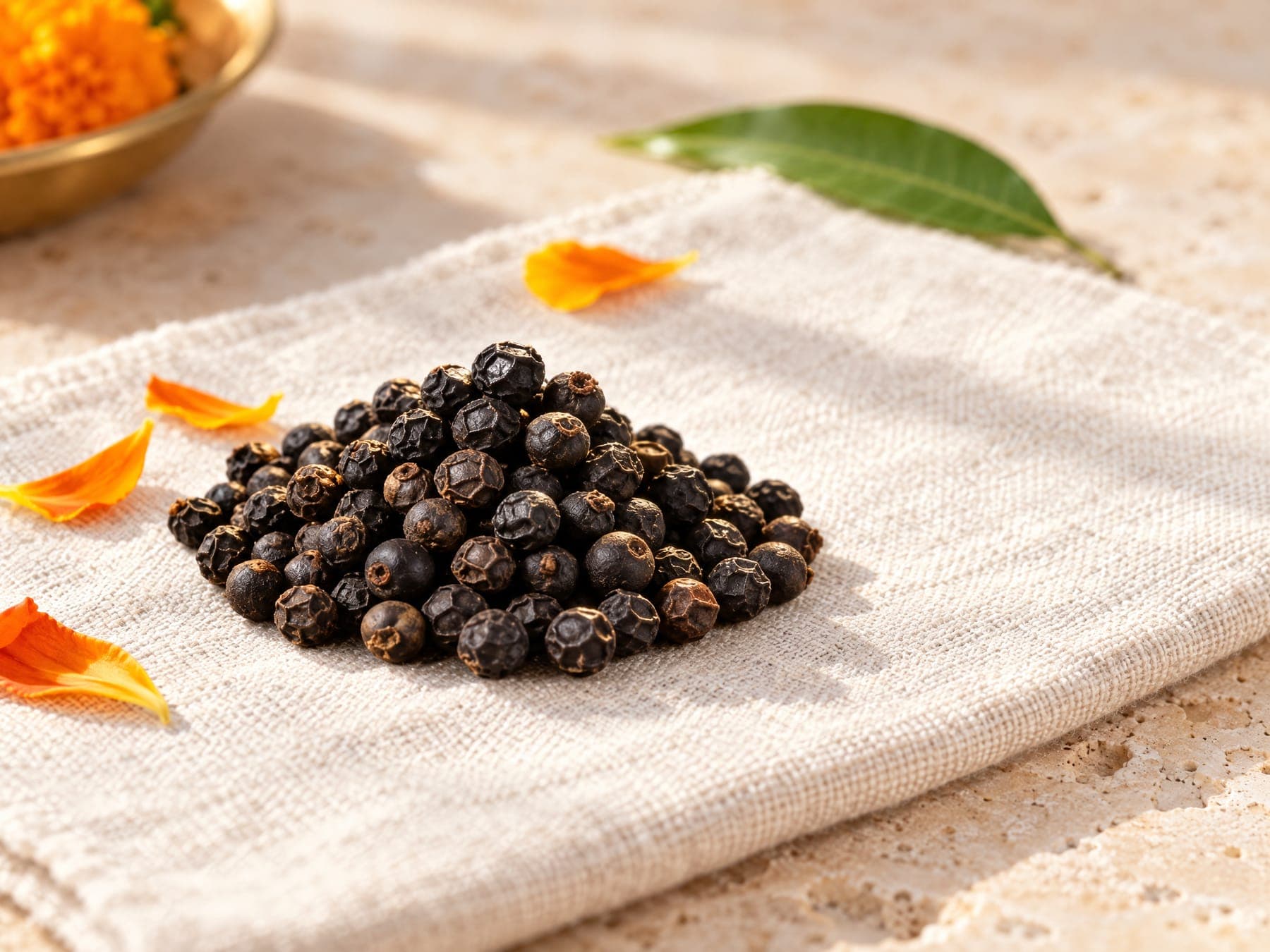
This is why a tadka tastes so different from simply boiling spices in the pot. It is also why the quality of the spice matters so much here. A fresh, well-graded clove or peppercorn has plenty of oil to give. A stale one sizzles just the same, but leaves the ghee almost unflavoured.
Ghee or oil?
Ghee gives a rich, nutty depth and is traditional for dal and many North Indian dishes. Mustard oil, groundnut oil, sesame oil or a neutral oil are common in other regional kitchens. Any of them works, provided the fat is hot enough to sizzle but not smoking.
The right order for adding spices to a tadka
Whole spices do not all cook at the same speed. The golden rule is simple: hard and dense spices first, delicate and quick-burning ones last, and powders at the very end.
| Stage | Spices | Time in hot fat | Sign it is ready |
|---|---|---|---|
| 1. Hard whole spices | Cloves, green or black cardamom, cinnamon stick, bay leaf, peppercorns | 20 to 40 seconds | Cloves swell slightly, cardamom puffs, the aroma rises |
| 2. Seeds | Cumin, mustard seeds, a pinch of fenugreek | 10 to 30 seconds | Cumin darkens a shade and crackles, mustard pops |
| 3. Quick burners | Dried red chilli, curry leaves, hing, sliced garlic | 5 to 20 seconds | Chilli darkens, curry leaves crisp up, garlic turns pale gold |
| 4. Powders | Red chilli or Kashmiri chilli powder | A few seconds, ideally off the heat | The colour blooms into the fat |
Two special cases. Fenugreek turns bitter very quickly, so use only a pinch and move on the moment it turns reddish brown. Mustard seeds must go into properly hot fat, or they stay raw and bitter instead of popping. Cover the pan loosely when they start to jump.
Heat control: the secret to a tadka that never burns
Most tadka problems come down to temperature. Too cool, and spices soak up grease without releasing their aroma. Too hot, and they scorch before you can react.
- Test the fat. Drop in one cumin seed. It should sizzle steadily within a second or two. If it sits quietly, wait. If it blackens instantly, take the pan off the heat for a moment.
- Use a small, heavy pan. A tadka pan or small kadhai keeps a shallow pool of fat, so the spices are fully submerged and cook evenly.
- Medium heat is enough. You rarely need a high flame. Ghee in particular can go from nutty to burnt quickly.
- Have everything ready. Measure each spice into small bowls before you start. A tadka takes under a minute, and there is no time to hunt for jars.
- Turn off the flame before powders. Add chilli powder off the heat, swirl once and pour.
Tadka for dal, rajma and chole
Dal tadka (a finishing tadka)
For about 4 servings of cooked toor or moong dal:
- 1.5 tablespoons ghee
- 1 teaspoon cumin seeds
- 1 to 2 dried red chillies, broken
- 3 garlic cloves, thinly sliced
- A generous pinch of hing
- 1/4 teaspoon Kashmiri chilli powder
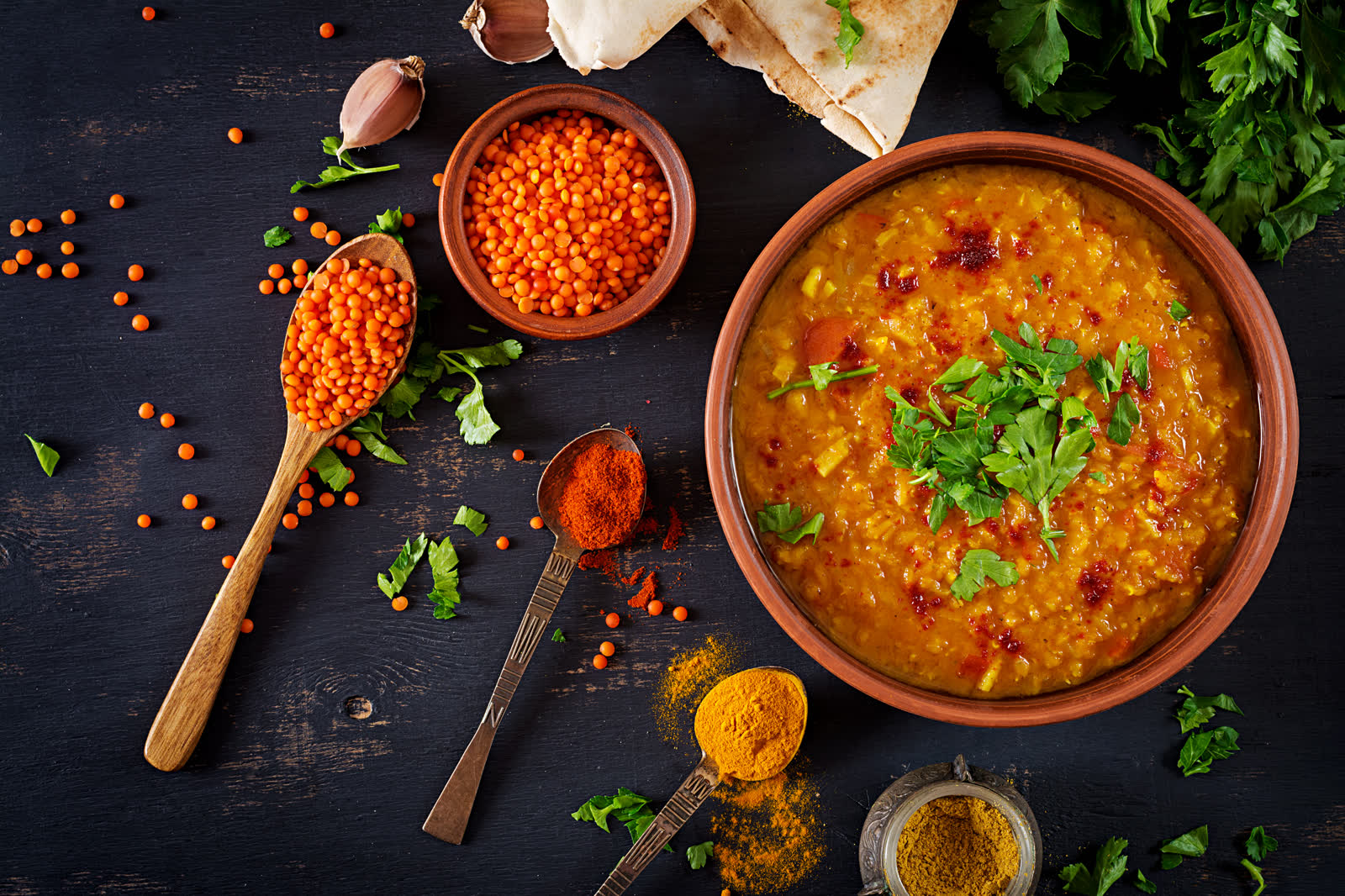
Heat the ghee, add the cumin and let it crackle. Add the red chillies and garlic and cook until the garlic is pale gold. Add the hing, turn off the heat, stir in the chilli powder and pour straight over the hot dal. Cover the pot for a minute so the aroma stays in.
Rajma (a base tadka)
Rajma uses a tadka at the start, which then becomes the base for the onion masala. For about 250 g dried rajma, soaked and cooked:
- 2 tablespoons ghee or oil
- 1 bay leaf
- A 2.5 cm piece of cinnamon
- 3 whole cloves
- 2 green cardamom pods, lightly cracked
- 1 teaspoon cumin seeds
Warm the fat, add the bay leaf, cinnamon, cloves and cardamom and let them sizzle for about 30 seconds until fragrant. Add the cumin, and as soon as it crackles, add chopped onions and carry on with your masala. The whole spices keep releasing flavour as the gravy simmers.
Chole (a bolder tadka)
Chole takes a deeper, more robust tadka. For about 250 g dried chickpeas, soaked and cooked:
- 2 tablespoons oil or ghee
- 1 black cardamom, lightly cracked
- 4 cloves
- 8 to 10 black peppercorns
- 1 bay leaf
- 1 teaspoon cumin seeds
Fry the black cardamom, cloves, peppercorns and bay leaf for 30 to 40 seconds, then add the cumin, followed by onions, ginger and garlic. Many cooks also finish the dish with a small second tadka of ghee and slit green chillies just before serving.
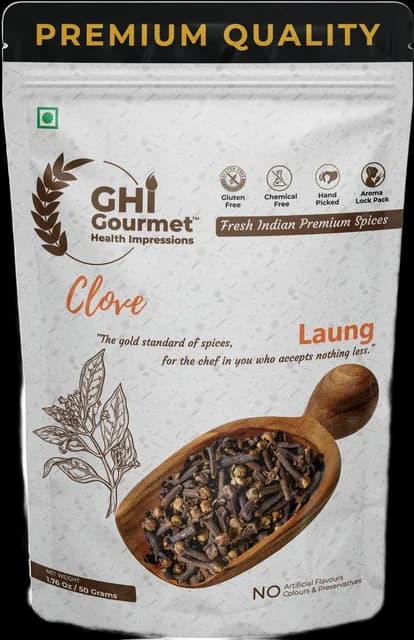
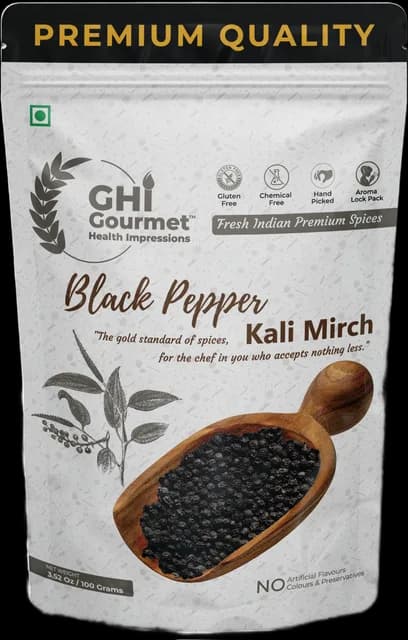
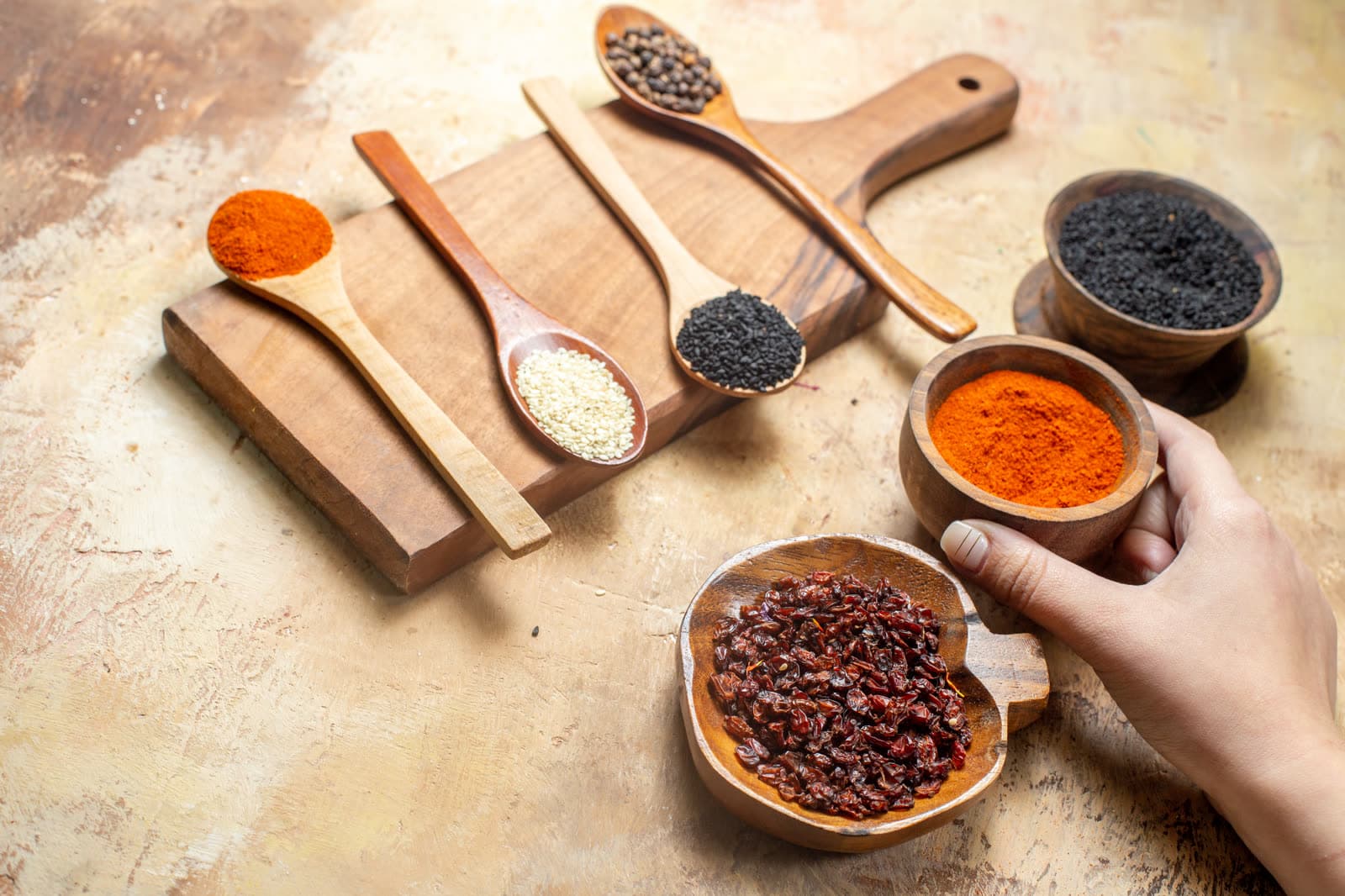
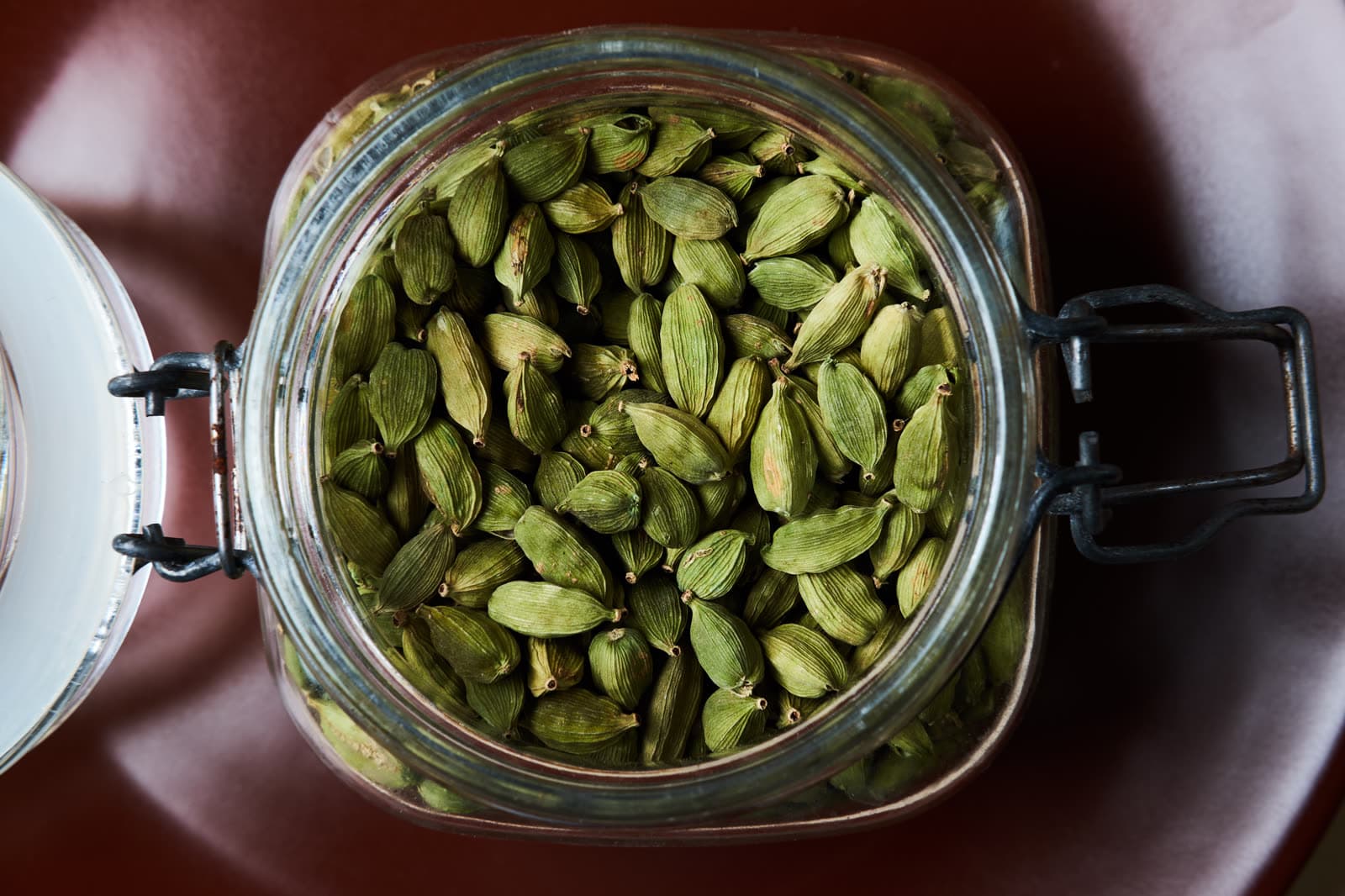
All three recipes lean on the same few whole spices. Keep good whole cloves, whole black pepper and green cardamom in airtight jars and you are ready for almost any tadka. A small whole spices shelf covers the essentials.
Common tadka mistakes and how to fix them
- Burnt spices. Blackened cumin or dark, acrid garlic will make the whole dish bitter. There is no rescue: wipe the pan and start again. It costs one minute and saves the pot.
- Fat not hot enough. Spices turn soggy and greasy without releasing aroma. Always test with a single seed.
- Adding everything at once. Cloves need longer than curry leaves. Follow the order.
- Powders in a very hot pan. Chilli powder scorches in seconds. Add it off the heat.
- Wet curry leaves. Water in hot fat spatters hard. Pat the leaves dry and stand back as they go in.
- Pouring the tadka too early. A finishing tadka poured into dal that still has a long way to cook loses its punch. Pour it just before serving.
- Stale spices. If a clove smells of nothing when crushed, it will not flavour your ghee either.
Frequently asked questions
What is the correct order of spices in tadka?
Add hard whole spices like cloves, cardamom, cinnamon and peppercorns first, then seeds like cumin and mustard, then quick-cooking items like dried chilli, curry leaves, hing and garlic. Powders go in last, ideally with the heat turned off.
How do I know when ghee is hot enough for tadka?
Drop in a single cumin seed. If it sizzles steadily straight away, the ghee is ready. If nothing happens, wait a little longer. If it blackens immediately, the ghee is too hot.
Why does my tadka taste bitter?
Bitterness almost always means something burnt, usually cumin, garlic, fenugreek or chilli powder. Lower the heat, add delicate items later, and add powders off the flame.
Should tadka be added at the beginning or the end?
Both styles exist. Dishes like rajma and chole start with a tadka that becomes the base of the gravy. Dal is usually finished with a tadka poured on top just before serving, which keeps the aroma fresh.
Can I make tadka with oil instead of ghee?
Yes. Mustard, groundnut or any neutral oil works well. Ghee adds a nutty richness, while oil gives a lighter finish. Keep the heat at medium either way.
A tadka is only as fragrant as the spices you drop into it, so keep them whole, sealed and fresh. GHI's graded whole spices come in resealable packs, ready for the next time the ghee starts to shimmer.