25 August 2025
No Additives, No Preservatives: What It Means on Spices
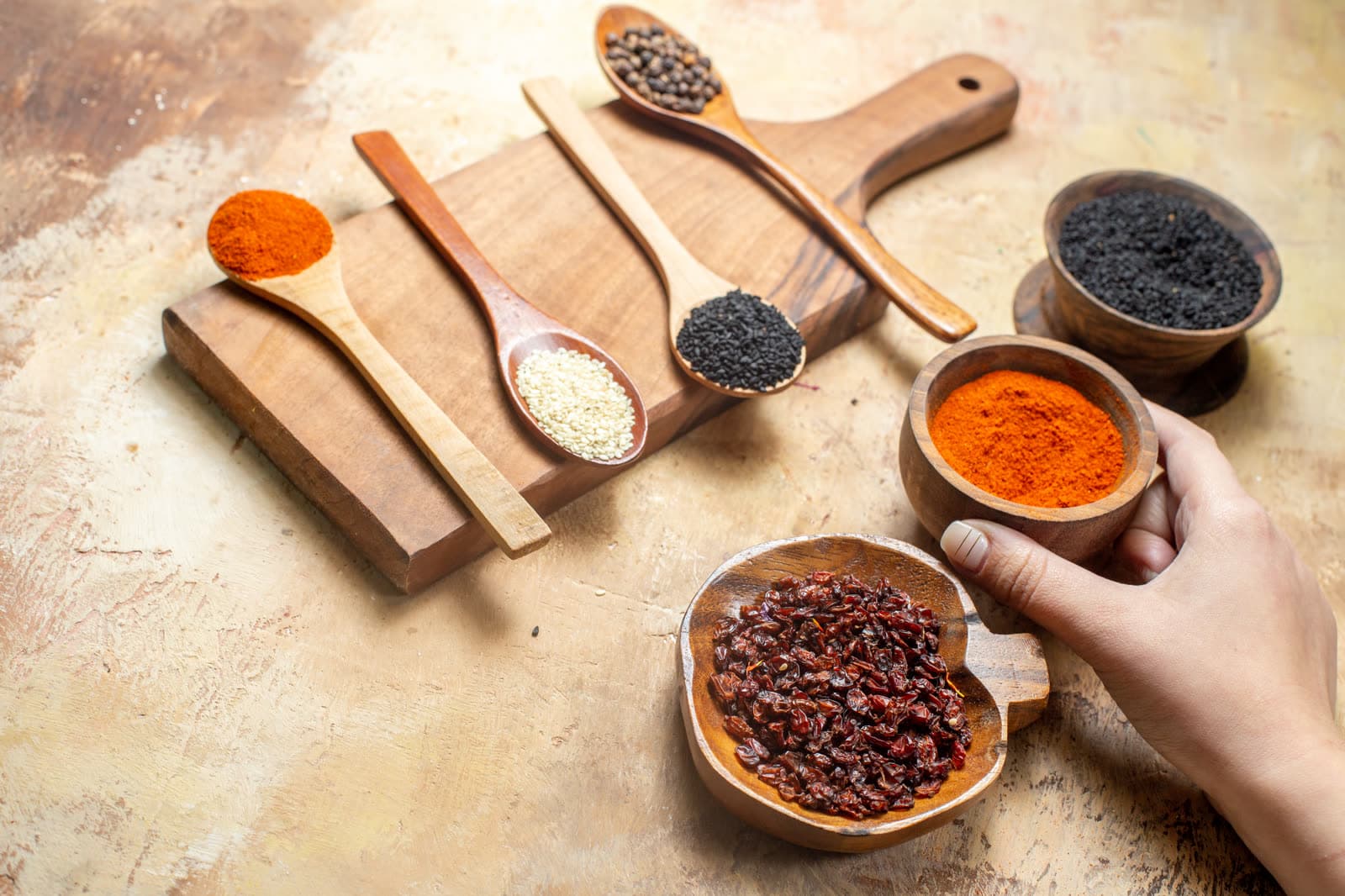
Turn over almost any spice pack in India and you will find some version of the promise "no additives, no preservatives". It sounds reassuring, but what does no additives, no preservatives actually mean on a spice pack, and why should you care? This guide explains the common additive categories found in spice products, why they are used, and why a single whole spice should never need any of them.
What counts as an additive in spices?
In simple terms, a food additive is something added to a food for a technical purpose: to keep it flowing, to preserve it, to change its colour or to change its taste. Many additives are permitted by food regulators within set limits, and their use must be declared on the label. So an additive is not automatically unsafe.
The more useful question for a spice buyer is a different one: does this product need it? A pack of ground black pepper, cinnamon or cardamom is meant to be one ingredient. If a pure, properly dried spice is cleaned, handled and packed well, there is very little that a technical additive can do that good processing cannot.
Anti-caking agents: why some powders stay suspiciously free-flowing
Anti-caking agents are fine powders added to stop a product from clumping when it absorbs moisture. You will commonly see them in table salt, seasoning mixes and some powdered drink or snack products.
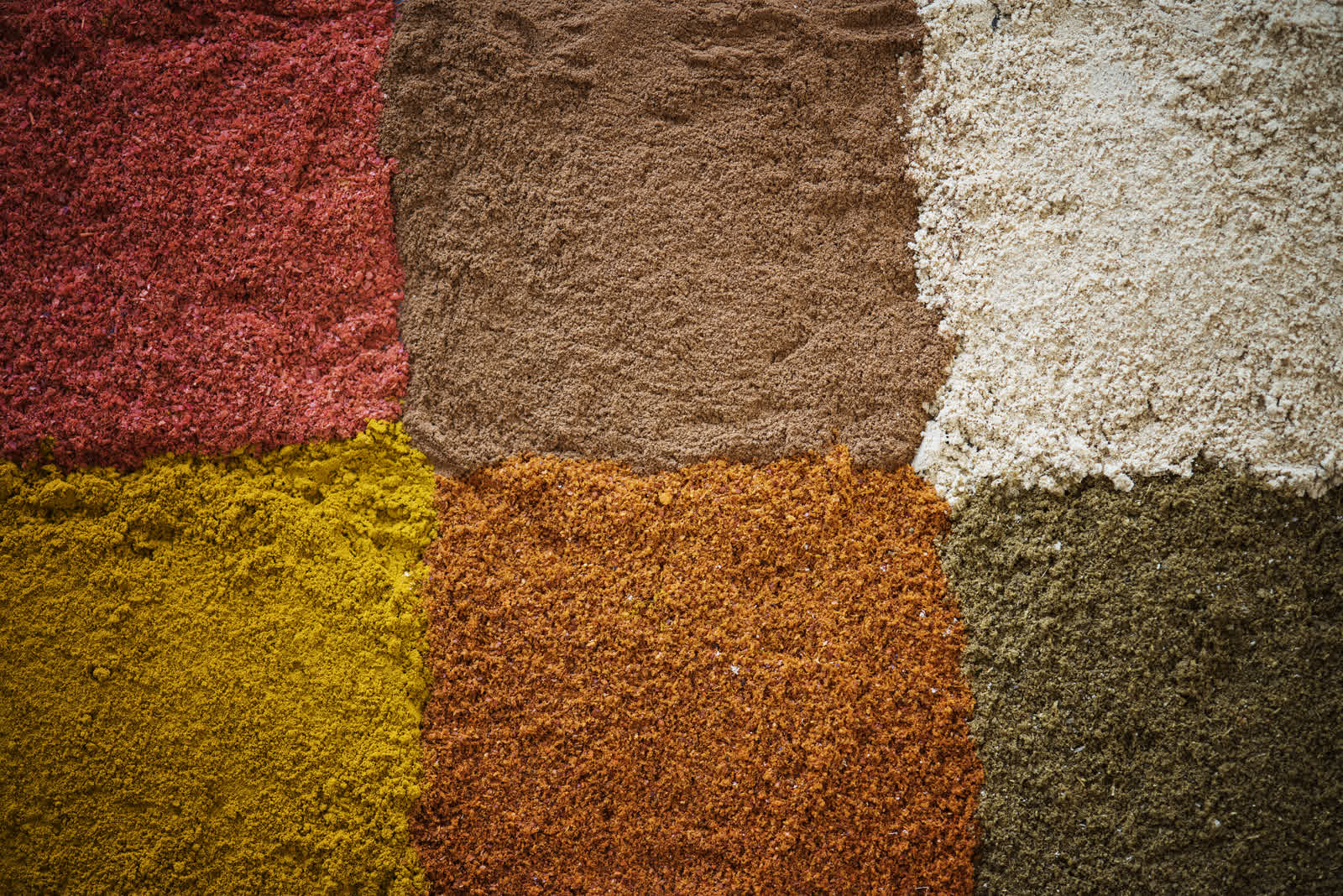
Spice powders do tend to clump in humid weather, especially after the monsoon. An anti-caking agent hides that, but it also hides a useful signal. If a single-spice powder turns lumpy after weeks in a loosely closed container, it is telling you it has picked up moisture and should be sealed better or used up soon. The real fix is dry grinding, clean packing and an airtight, resealable pack, not an extra ingredient.
How to spot it
On Indian packs, additives are usually declared by their functional class, for example "anti-caking agent", followed by a name or an INS number in brackets. If you see this on a pack that should contain only one spice, it is fair to ask why it is there.
Fillers and bulking agents: the quiet dilution
Fillers are low-cost materials that add weight or volume. In spice products this can mean starches, flours, husks or other plant material. In a declared blend, some of these may be legitimate ingredients, such as rice flour in a batter mix. In a product sold as a pure single spice, undeclared filler is simply dilution, and in many cases it would count as adulteration.
Fillers are rarely listed on the label, which is exactly the problem. Clues include:
- A powder that looks paler or duller than the spice should.
- A weak aroma, even when the pack has just been opened.
- Needing noticeably more than usual to get the same flavour.
- A gritty or starchy feel when rubbed between your fingers.
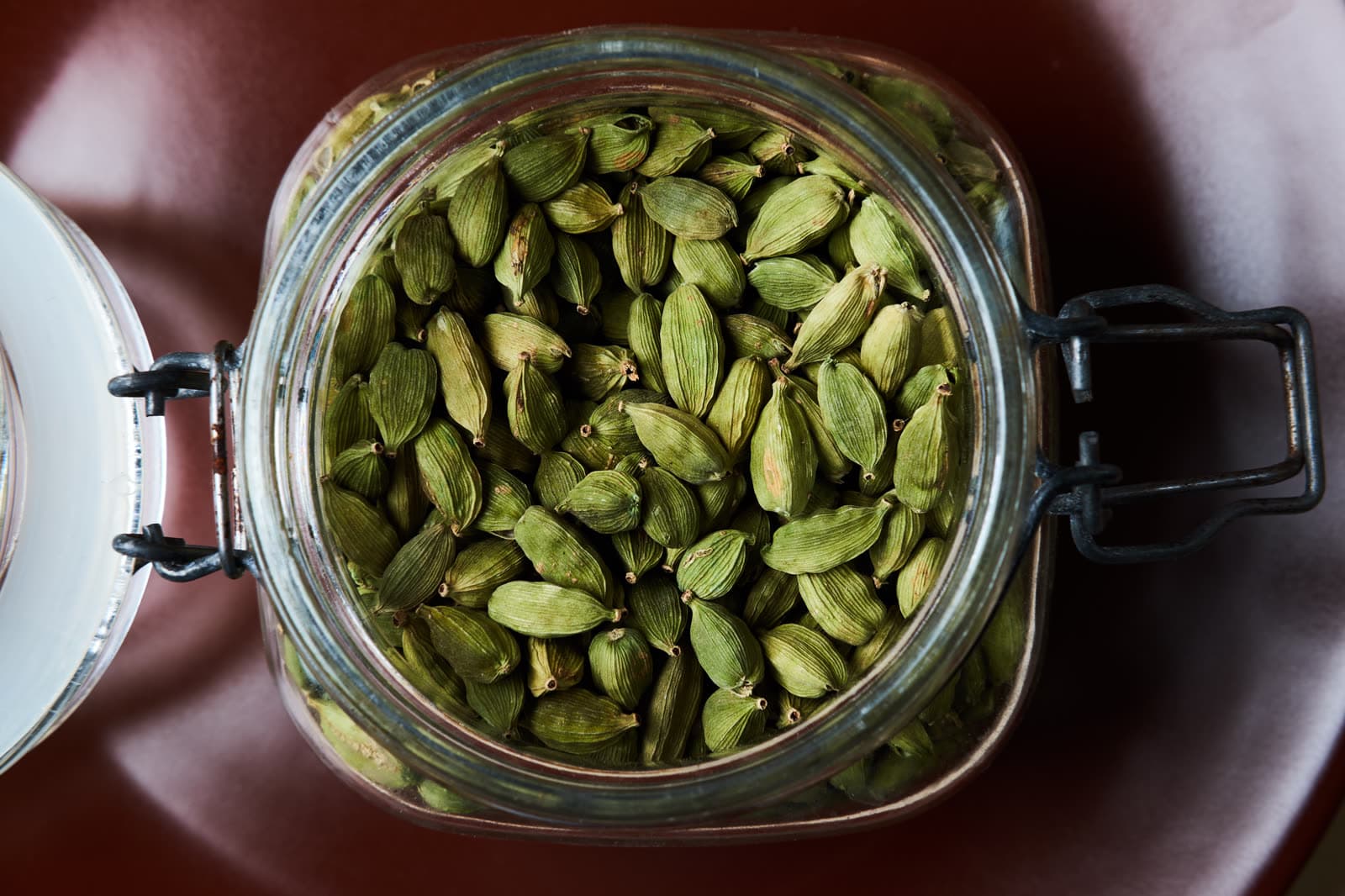
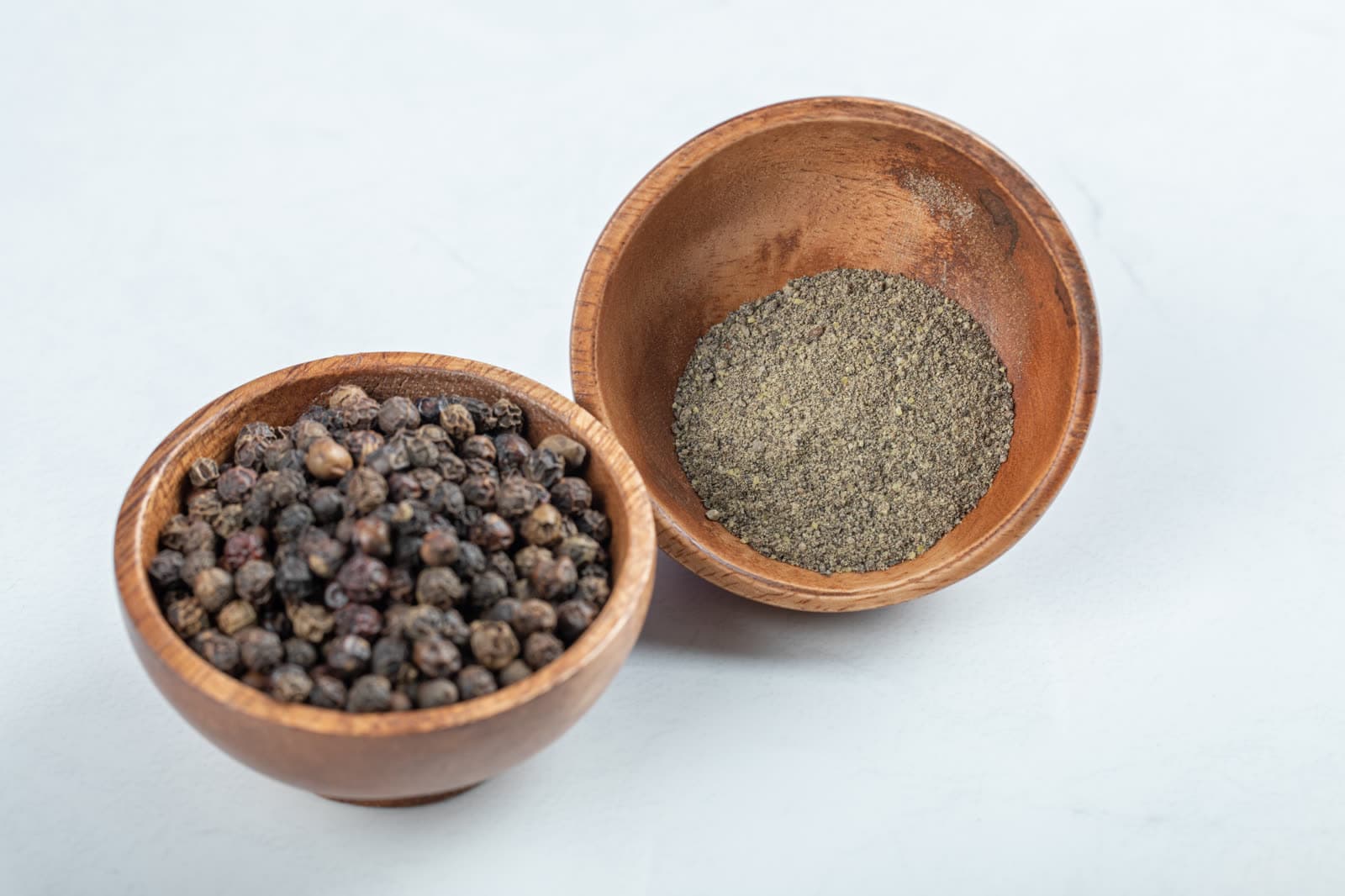
This is one of the strongest arguments for buying whole spices where you can. A peppercorn or a cardamom pod is hard to bulk up in its whole form, and you can see exactly what you are getting. Look through any range of whole spices and the logic is clear: what you see in the pack is the whole ingredient list.
Added colour and flavour enhancers in spice blends
Added colour
Colour is how many of us judge spices at a glance, which is why it is sometimes manipulated. Permitted food colours may appear in certain processed foods, but a single spice should get its colour from the spice alone. A deep, even colour in a pure spice usually reflects good raw material and careful drying. A colour that looks unnaturally bright, or that bleeds strongly into a glass of water, deserves a second look.
Flavour enhancers
Flavour enhancers are ingredients that intensify savoury taste. They are common in instant noodle tastemakers, snack seasonings and some ready-to-cook masala mixes, often alongside salt, sugar, dried onion, garlic and oil. None of this is hidden if it is declared, and a blend is allowed to be a blend. But it changes what you are paying for: if salt and flavour enhancers sit high on the ingredient list, you are buying less spice.
A quick habit helps here. Read the ingredient list from the top, because ingredients are generally listed in descending order of quantity. In a good masala, spices should dominate the list.
Why a single whole spice should not need any of them
Here is the heart of it. A dried spice is naturally a low-moisture product, which is why spices were stored and traded long before chemical preservatives existed. What actually protects a spice is:
- Proper drying, so moisture is low enough to discourage mould.
- Clean handling, including sorting, cleaning and grading to remove stones, dust and damaged pieces.
- Good packaging, sealed against air, light and humidity, and ideally resealable so it stays that way after opening.
- Certified food safety systems, such as FSSAI licensing and ISO 22000, which cover hygienic handling from receipt to packing.
When those four are in place, anti-caking agents, fillers, colours and preservatives have no job to do. When they are missing, additives can mask the problem for a while, but they cannot bring back lost aroma.
| Additive category | Why it is used in some products | Does a single spice need it? |
|---|---|---|
| Anti-caking agent | Keeps powders free-flowing in humidity | No, airtight packing does the job |
| Fillers or bulking agents | Add weight or volume cheaply | No, they only dilute flavour |
| Added colour | Makes a product look brighter | No, colour should come from the spice |
| Flavour enhancers | Intensify savoury taste in blends | No, a pure spice brings its own flavour |
| Preservatives | Slow spoilage in moist foods | No, well-dried spices are low in moisture |
How to read a spice pack in 30 seconds
- Ingredients: for a single spice, you want one word, such as "black pepper" or "cinnamon".
- Additive declarations: look for class names like anti-caking agent, colour or preservative, or INS numbers.
- Licence and dates: an FSSAI licence number, packing date and best-before date should be clearly printed.
- Pack type: resealable packs protect powders far better than pouches you have to fold and clip.
- Your senses: once opened, a pure spice should smell strongly of itself and nothing else.
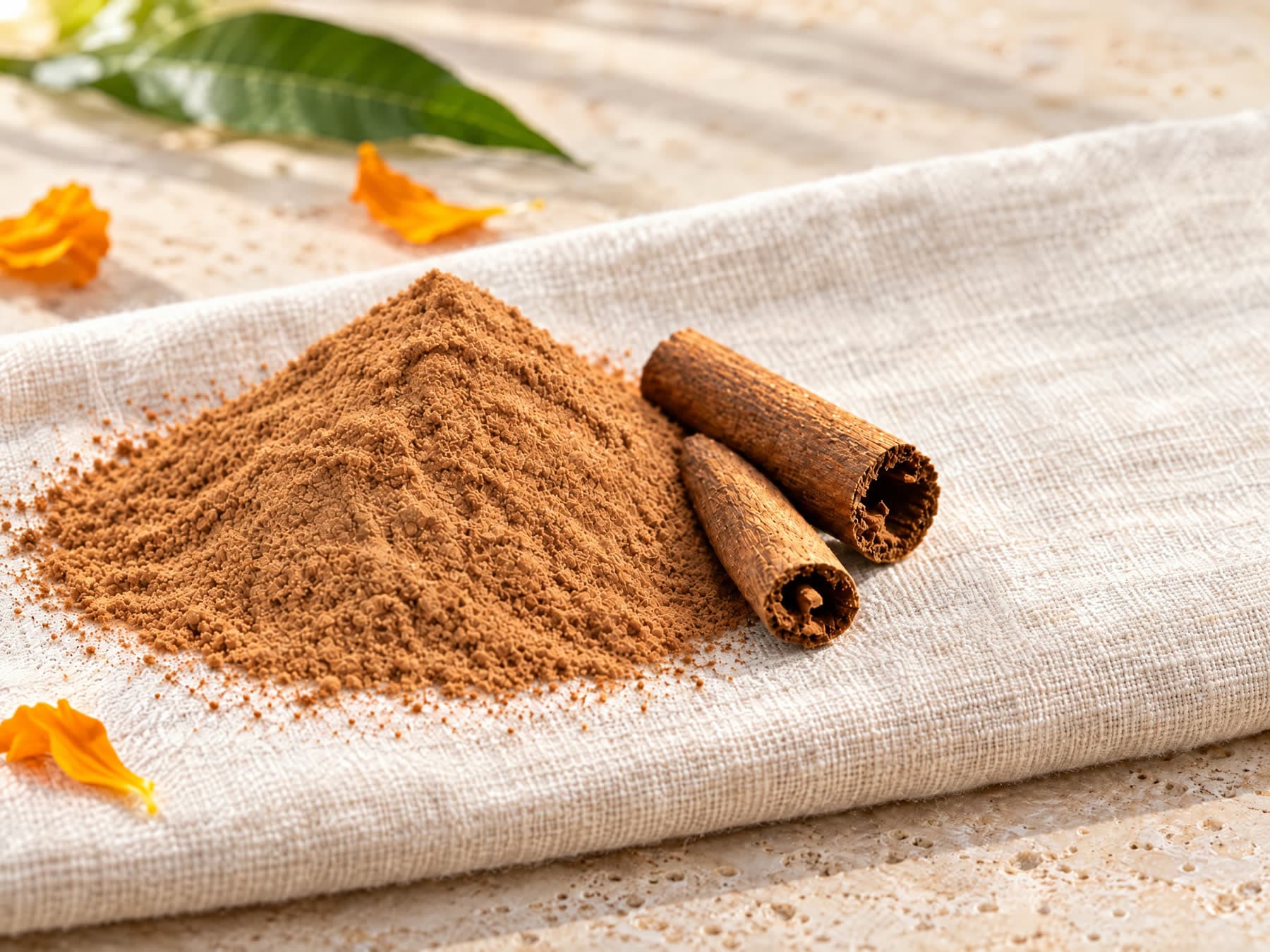
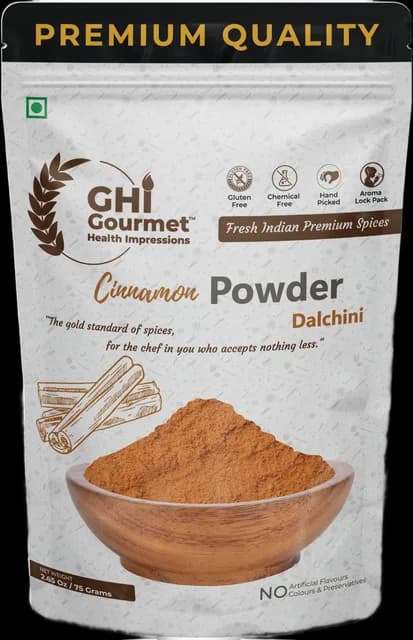
Ground spices like cinnamon powder are where these checks matter most, because grinding makes it harder to see what went in. Choosing clean single-ingredient powders, like those in a powder spices range with a one-word ingredient list, takes out most of the guesswork.
Frequently asked questions
Do spices need preservatives?
Properly dried whole and ground spices generally do not. Their low moisture content, combined with clean handling and airtight packing, is what keeps them in good condition. Preservatives are more relevant to moist foods such as pickles, sauces and ready meals.
What is an anti-caking agent in spice powder?
It is a fine powder added to stop clumping when a product absorbs moisture. It is common in salt and seasoning mixes. A pure single-spice powder in an airtight pack should not need one.
Are additives in masala blends harmful?
Permitted additives are regulated and must be declared, so they are not automatically a concern. The practical point is that they reduce the share of actual spice in the pack. If you have a specific dietary need or health condition, read labels carefully and check with your doctor or dietitian if you are unsure.
How can I tell if my spice powder has fillers?
Watch for a pale or dull colour, a weak aroma, a starchy or gritty feel, and needing more than usual for the same flavour. None of these proves anything on its own, but together they are a good reason to switch to a cleaner source or to whole spices.
Is "no additives" the same as organic?
No. "No additives" describes what is added to the spice during processing. Organic describes how the crop was grown and needs its own certification. A product can be one without being the other.
The best spice pack is the one with the shortest story on the back: one ingredient, clear dates and a good seal. That is the approach GHI follows with its non-GMO whole and powdered spices, packed without additives or preservatives in resealable packs.