24 September 2026
Navratri 2026 Vrat Spices: What Is Allowed and What to Skip
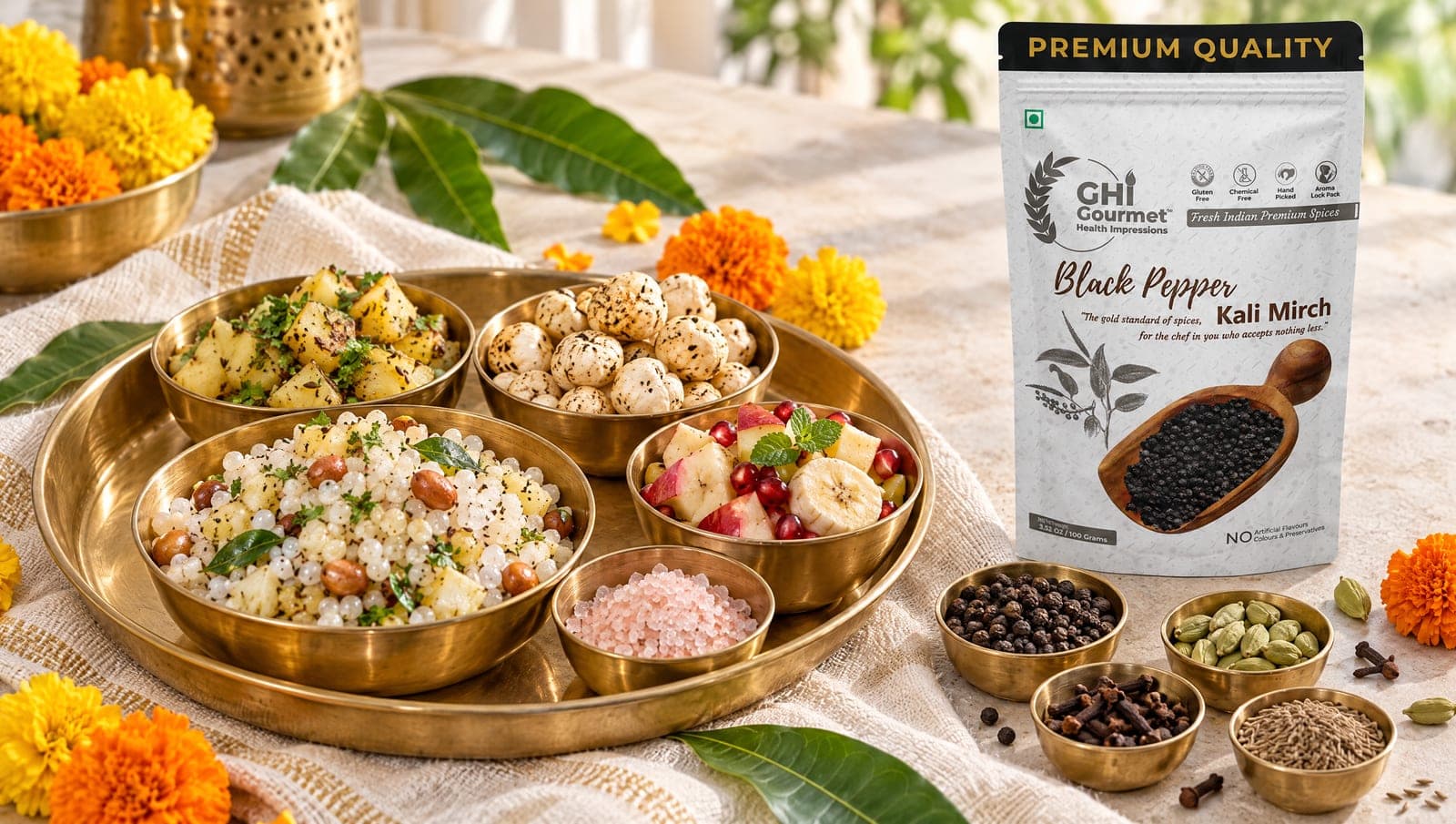
Navratri 2026 begins on Sunday, 11 October, and with it come nine days of vrat food. If you are planning your fasting kitchen, the first question is always the same: which spices are allowed in the Navratri vrat? This guide covers the Navratri vrat spices most Indian homes use, the ones usually kept aside for these nine days, and three simple recipes to cook with them.
One thing before we start. Fasting customs are not the same everywhere. A family in Gujarat, a family in Punjab and a family in Bengal may follow quite different rules, and two households on the same street can differ too. Treat this as a map of common practice, not a rulebook. When in doubt, do what your elders do at home.
When is Navratri 2026?
Shardiya Navratri 2026 starts with Ghatasthapana on Sunday, 11 October, and the festival closes with Vijayadashami (Dussehra) on Tuesday, 20 October, as listed by India TV and SmartPuja. The Pratipada tithi actually begins on the night of 10 October, which is why a few posts mention that date, but most of India keeps 11 October as day one. Muhurat timings change from city to city, so check your local panchang for exact puja times.
Navratri vrat spices: what most families use
In many homes, the idea behind vrat food is simplicity: sattvic, light meals made from a short list of ingredients. Spices are not banned outright. Instead, a small set of whole, familiar spices does all the work. Here are the ones you will find in most vrat kitchens.
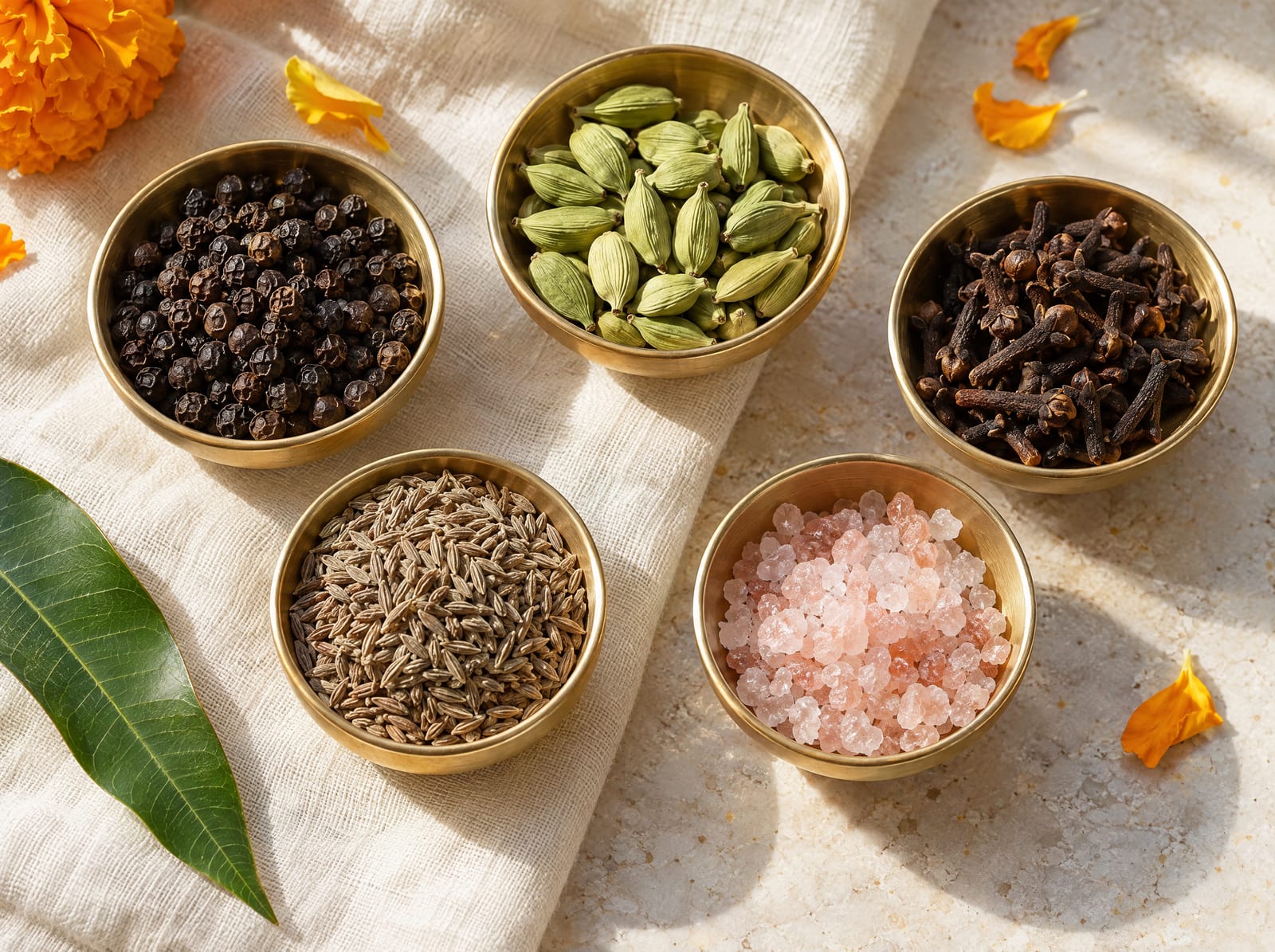
Black pepper (kali mirch)
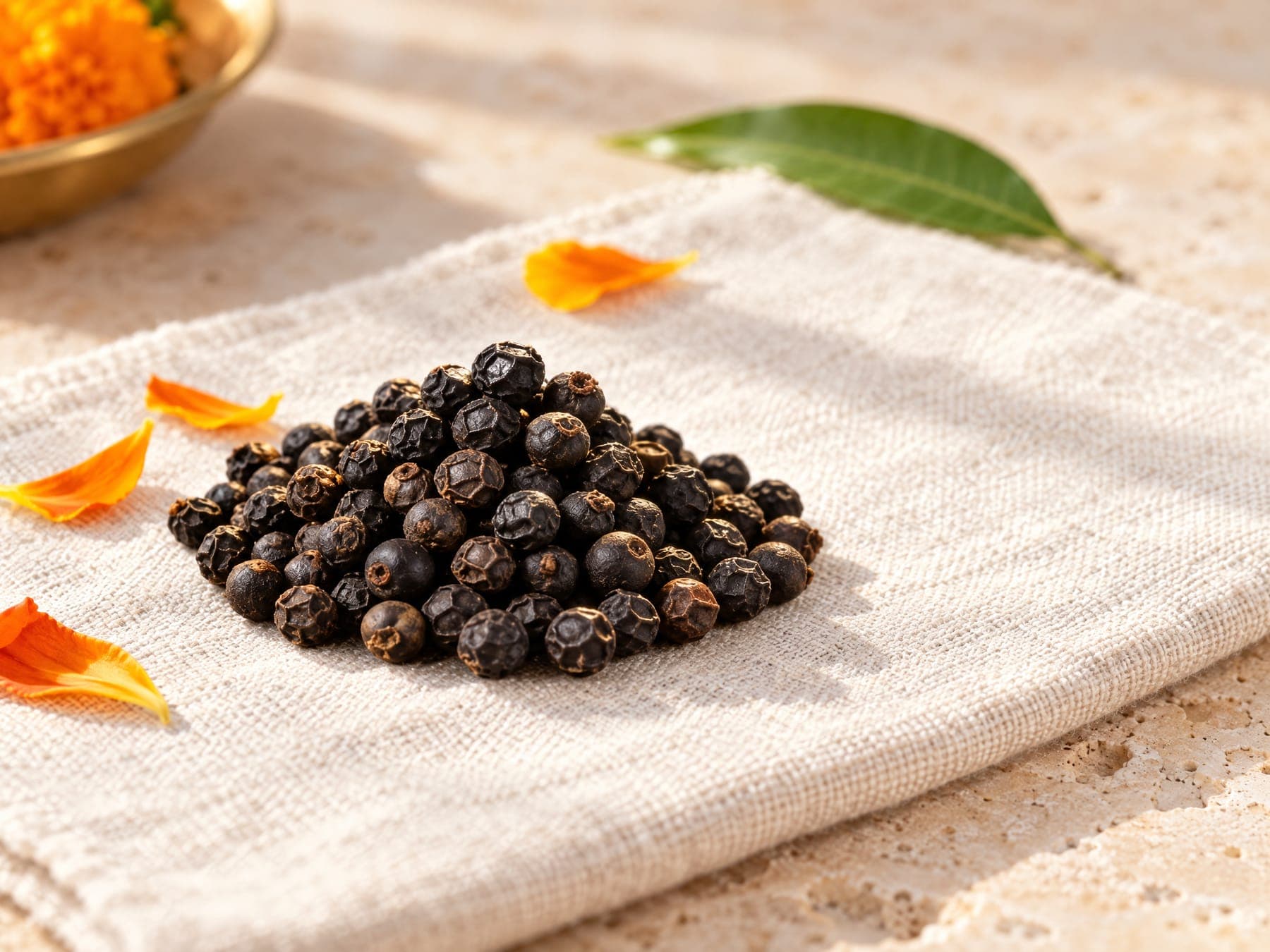
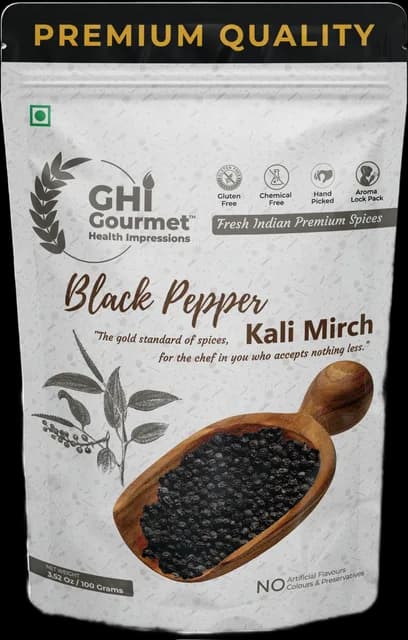
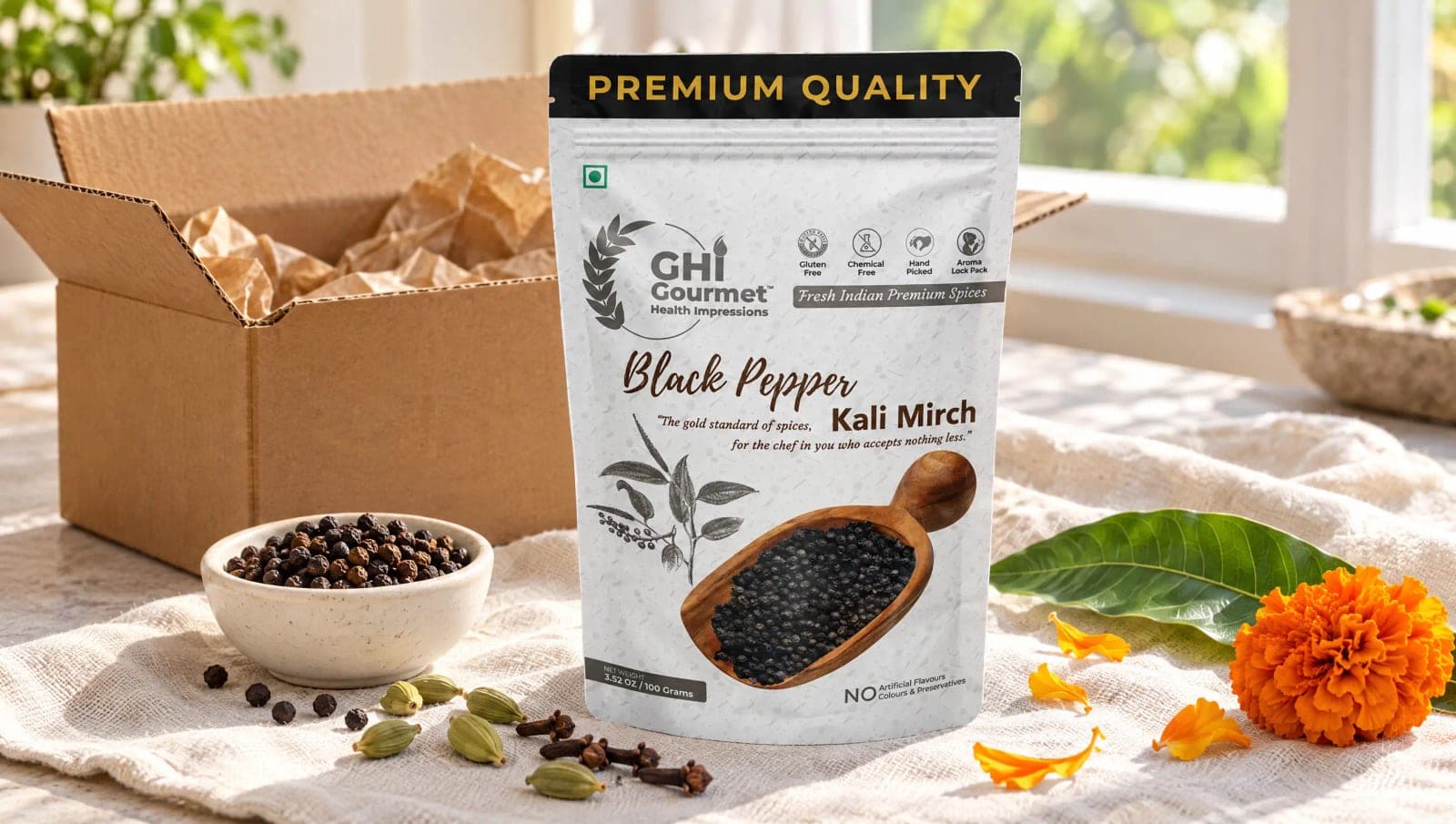
If one spice carries the vrat menu, it is black pepper. With red chilli powder left out in many homes, freshly crushed peppercorns bring the warmth to sabudana khichdi, vrat aloo, kuttu pakoras and fruit chaat. Crush it just before cooking, because whole peppercorns hold their aroma far longer than pre-ground pepper. Our Whole Black Pepper is picked for a robust aroma and a proper pungent bite, which is exactly what a plain vrat dish needs.
Green cardamom (elaichi)
Cardamom is the sweet side of the fast. Sabudana kheer, makhana kheer, singhare ka halwa, rajgira ladoo and a cup of vrat chai all lean on it. Crush two or three pods and use the seeds, or keep a pack of cardamom powder for quick desserts.
Cloves (laung)
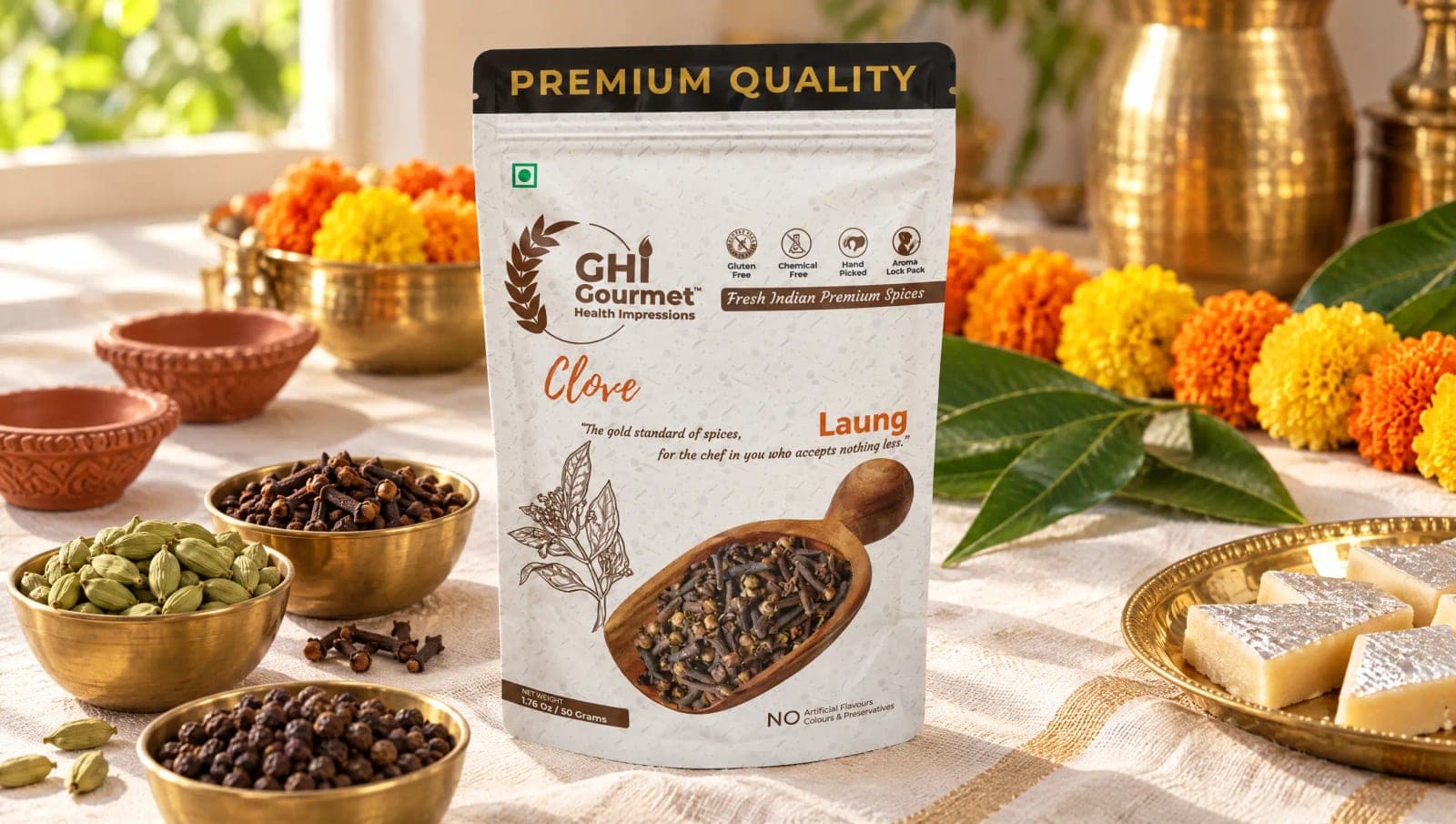
Cloves are widely used during fasts, mostly in chai and in the tempering of a few vrat dishes. One or two go a long way, so use them gently.
Cumin (jeera)
Cumin is allowed in many homes and is the base of jeera aloo, probably the most loved vrat side dish. Some families do skip cumin during the fast, though, so this is one to check with your household.
Sendha namak (rock salt)
Regular table salt is replaced by sendha namak in most vrat kitchens. It tastes a little milder, so add it slowly and taste as you go.
Others you may see
Depending on the family, cinnamon (dalchini), nutmeg (jaiphal), dried pomegranate seeds (anardana), fresh ginger and green chillies also appear. Vrat guides from Veg Recipes of India and Slurrp list most of these as common fasting ingredients, and both note that practice varies from home to home.
Spices usually avoided during the Navratri fast
These are the spices many households keep aside for the nine days:
- Turmeric (haldi)
- Asafoetida (hing), partly because most packaged hing is blended with wheat or rice flour
- Mustard seeds (rai or sarson)
- Fenugreek seeds (methi dana)
- Coriander powder (dhania powder)
- Garam masala and ready spice blends, which can contain any of the above
- Regular iodised table salt
Onion, garlic and everyday grains like wheat and rice are also left out in most homes. Again, customs differ. Some families use turmeric, some avoid cumin, and some eat only one meal a day. None of this is something you must follow; it is simply what many people choose to do.
Why whole spices make vrat cooking easier
With so few ingredients in the pan, every spice gets noticed. That is the case for whole spices during Navratri:
- You know what is in the pack. A peppercorn or a cardamom pod is just that. Blends and some powders can carry flours or additives your family may not want during a fast, so always read the label.
- Fresher aroma. Whole spices keep their oils sealed in until you crush them.
- One small set covers nine days. Pepper, cardamom, cloves and cumin, plus sendha namak, cover almost every vrat recipe.
If you want that set in one go, our Navratri Spice Box opens on 11 October on ghifoods.com. It comes packed with whole green cardamom, whole black pepper, whole cloves and cardamom powder, and you can add more or drop any of them. The code NAVRATRI15 takes 15% off (up to ₹250) until 20 October, on our website only.
Three simple vrat recipes with these spices
Sabudana khichdi with black pepper
Serves 2.
- 1 cup sabudana, rinsed and soaked for 4 to 6 hours
- 1/2 cup roasted peanuts, coarsely crushed
- 1 medium potato, boiled and cubed
- 2 tablespoons ghee
- 1 teaspoon cumin seeds
- 1 green chilli, chopped
- 1/2 teaspoon freshly crushed black pepper
- Sendha namak to taste
- 1 teaspoon lemon juice and a handful of chopped coriander
- Drain the sabudana well. The pearls should squash easily between your fingers but should not be wet or sticky.
- Mix in the crushed peanuts, sendha namak and black pepper.
- Heat the ghee in a pan, add the cumin and let it splutter. Add the green chilli and potato and cook for 2 minutes.
- Add the sabudana mixture and cook on low heat for 5 to 7 minutes, stirring gently, until most of the pearls turn translucent.
- Finish with lemon juice and coriander and serve hot.
Vrat jeera aloo
Serves 2 to 3.
- 3 medium potatoes, boiled, peeled and cubed
- 1 tablespoon ghee
- 1 teaspoon cumin seeds
- 1 green chilli, slit
- 1/2 teaspoon crushed black pepper
- Sendha namak to taste
- Chopped coriander
- Heat the ghee, add the cumin and let it turn a shade darker.
- Add the green chilli, then the potatoes, and toss on medium heat for 4 to 5 minutes until the edges turn golden.
- Season with sendha namak and black pepper, then finish with coriander.
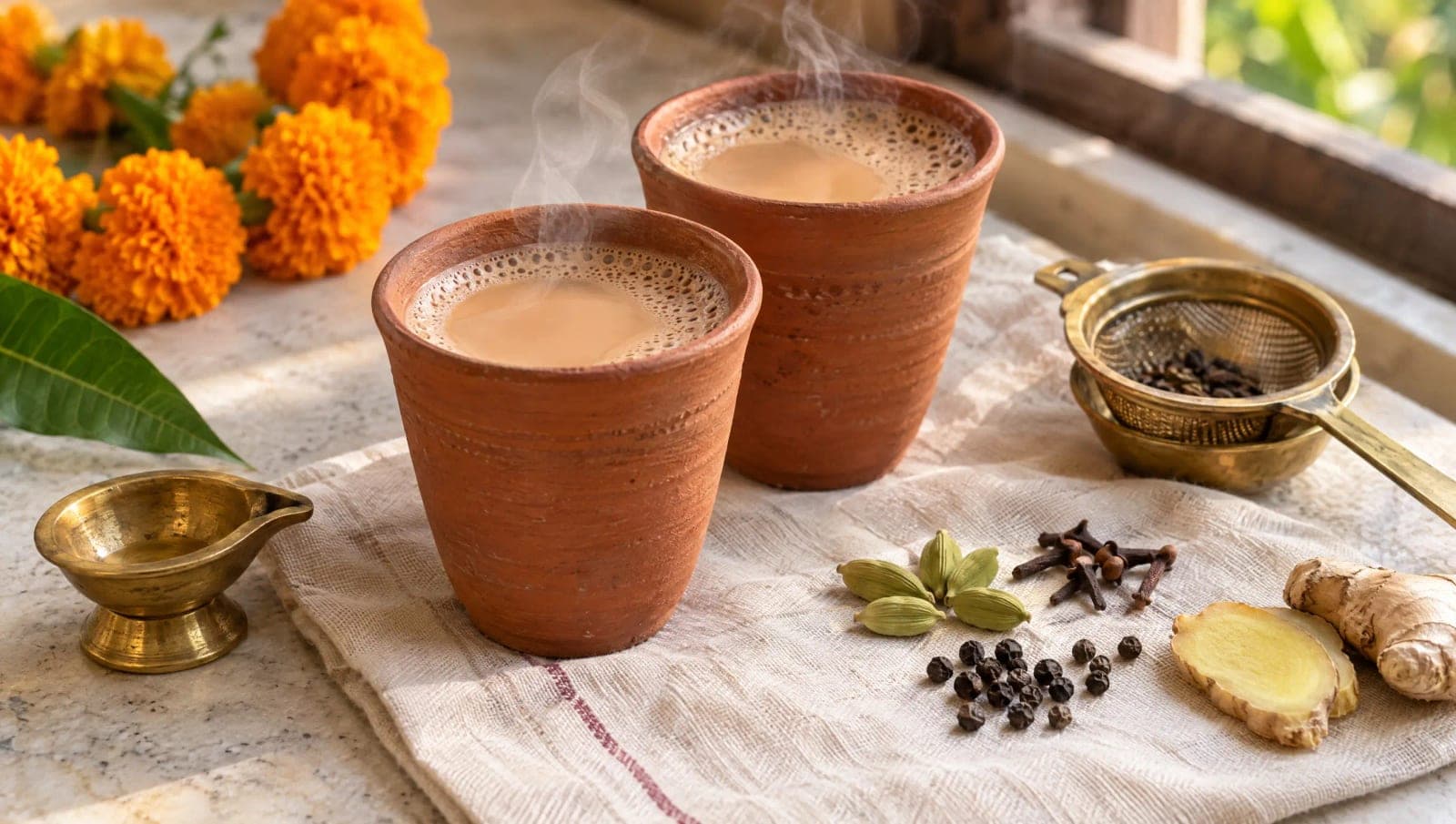
Vrat chai with cardamom and clove
Serves 2.
- 1 cup water and 1 cup milk
- 2 teaspoons tea leaves
- 2 green cardamom pods, lightly crushed
- 1 clove
- Sugar or jaggery to taste
- Boil the water with the cardamom and clove for 2 minutes so the spices open up.
- Add the tea leaves and simmer for a minute, then add the milk and sugar.
- Bring to a boil, simmer for 2 more minutes and strain into cups.
Some families do not drink tea during the fast, so skip this one if that is your custom.
A few tips for a comfortable fast
- Drink enough water, buttermilk or coconut water through the day.
- Go easy on fried food. Roasted makhana and fresh fruit make lighter snacks.
- If you have diabetes, are pregnant, or take regular medicines, speak to your doctor before you fast.
- Plan the week's menu before 11 October so you are not shopping on day one.
Frequently asked questions
Can we eat black pepper in the Navratri fast?
Yes, in most homes. Black pepper is one of the most widely used vrat spices and usually takes the place of red chilli powder. Crush it fresh for the best flavour.
Is jeera allowed in Navratri vrat?
Many families use cumin in vrat dishes like jeera aloo and sabudana khichdi, but some skip it during the fast. Follow the custom of your household.
Why is turmeric not used in vrat food?
Many households keep turmeric, hing, mustard and methi aside during Navratri as part of a simpler, sattvic way of eating. It is a matter of family tradition, and some homes do use turmeric.
Can I use cardamom powder during the fast?
Yes, as long as it is pure cardamom with nothing added, so check the label. Our cardamom powder is finely ground from whole pods with no additives or preservatives.
Which salt is used in vrat food?
Most homes use sendha namak (rock salt) in place of regular table salt during Navratri.