3 January 2026
New Year Spice Rack Audit: What to Keep, Replace or Toss
January is the natural time for a spice rack audit. After a year of festive cooking, half-used packs, unlabelled jars and that one powder bought for a single recipe tend to crowd the shelf. An hour spent sorting them now means better flavour in every dish for the rest of the year.
Why a New Year spice rack audit is worth the hour
Spices rarely go off in a way you notice. They simply fade. Their essential oils slowly escape, so a jar of coriander powder that once perfumed a curry ends up adding colour and not much else. Cooks then compensate by adding more, which can push dishes towards bitterness.
An audit also shows you what you actually cook with. Most kitchens rely on a dozen or so spices every day and keep another dozen that barely move. Knowing the difference helps you buy smarter, store better and waste less.
Clear a counter, bring every spice out of the cupboard, drawer and fridge, and sort them into three piles as you go: keep, replace and toss.
Keep, replace or toss: how to judge each spice
You do not need special equipment. Your nose, eyes and fingers are good enough for a home kitchen.
The three quick checks
- Smell: open the pack and sniff. For whole spices, crush one peppercorn, clove or cardamom pod first. A strong, clear aroma means keep. A faint or dusty smell means replace.
- Look: check for clumping, webbing, tiny insects or any sign of mould. Colour that has gone noticeably dull or greyish is another hint that a spice is past its best.
- Rub: rub a pinch of powder between your fingers. Fresh powder leaves a little oil and aroma on the skin. Stale powder feels dry and smells of very little.
What each pile means
- Keep: strong aroma, dry and free-flowing, no pests. Move these to the front.
- Replace: safe but weak. Use them up this month in long-cooked dishes, then buy fresh.
- Toss: any sign of damp, mould, insects or a musty smell. These go straight into the compost or bin, and the container should be washed and dried fully before reuse.
A rough guide to spice shelf life
No single expiry fits every kitchen, as climate and storage matter a great deal. As a practical flavour guide for opened packs that are stored well:
| Type | Best within | Examples |
|---|---|---|
| Whole seeds and pods | About 1 to 2 years | Black pepper, cardamom, cloves, cumin, mustard seeds |
| Whole bark and dried chillies | About 1 to 2 years | Cinnamon sticks, dry red chillies |
| Ground spices | About 6 months to 1 year | Cardamom, pepper, cinnamon and coriander powders |
| Home-ground masalas | About 1 to 3 months | Fresh garam masala, sambar powder, chai masala |
| Dried leaves | About 6 months to 1 year | Kasuri methi, bay leaves, dried curry leaves |
Always follow the best-before date on the pack, and treat these ranges as a flavour guide, not a safety rule. A well-sealed pack from a certified, carefully handled source starts with more aroma and holds it longer than loose spice of unknown age.
How to date your spice packs
The single most useful habit to come out of any audit is dating what you open. It takes seconds and ends the guessing game for good.
- Keep a marker and a roll of masking tape or small labels in the spice drawer.
- Write the month and year you opened the pack, for example "Opened 01/26", rather than the purchase date.
- For home-ground blends, write the grind date and what went into it.
- If you decant into jars, cut the best-before date from the original pack and tape it to the base of the jar.
- Once every three months, glance at the dates and move the oldest packs to the front.
Resealable packs make this easier, as the label and batch details stay with the spice. If you do decant, never top up an old jar with new spice; finish it, wash and dry it, then refill.
Building a compact essential spice list
After an audit, many people find they can cook almost everything with a surprisingly short list. Here is a practical core for an Indian kitchen, split by how you are likely to buy it.
Whole spices to keep on hand
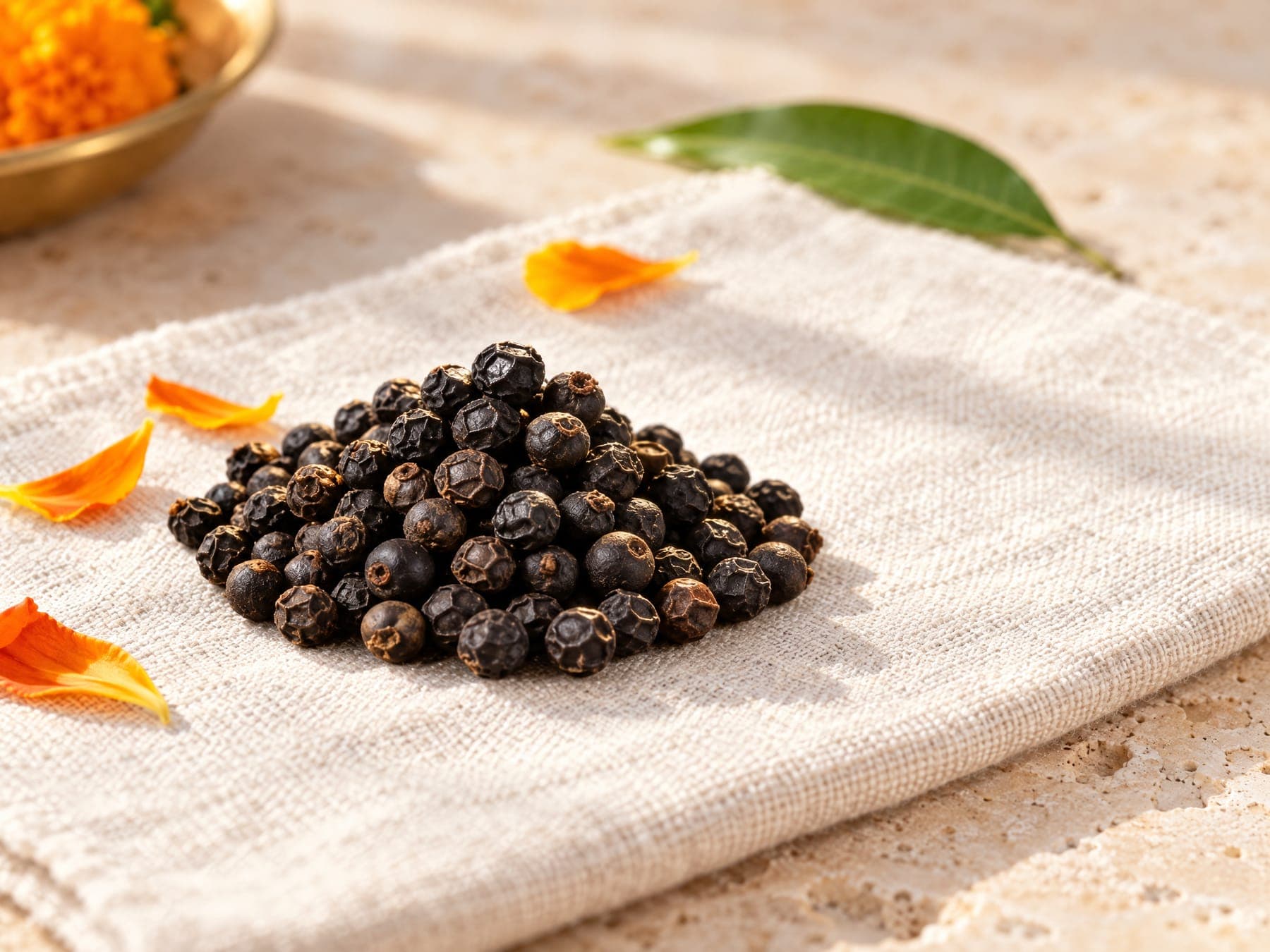
- Black peppercorns, for tempering, rasam and fresh grinding
- Green cardamom, for chai, sweets and pulao
- Cloves, for biryani, pulao and winter drinks
- Cumin and mustard seeds, for everyday tadka
- Bay leaves and a few dry red chillies
Ground spices worth buying ready
- Turmeric, red chilli and coriander powders for daily cooking
- Black pepper powder for quick seasoning at the table
- Cardamom and cinnamon powders for baking and desserts
Add specialist spices only when you cook with them at least once a month, and buy the rest in small packs as needed. Stocking a few graded whole spices and grinding in small lots keeps the rack short and the flavour strong, while a handful of good powdered spices covers the days when there is no time to grind.
The storage reset: containers, place and routine
An audit only helps if the spices you keep stay fresh. Use the cleared counter as a chance to reset how and where you store them.
- Move away from heat. The shelf above or beside the stove is the worst spot in the kitchen. Steam and warmth drive off aroma and invite clumping.
- Choose airtight, dry containers. Glass or steel jars with good seals work well. You can keep the original resealable pack inside a jar for extra protection.
- Keep out the light. Clear jars on an open shelf look lovely but fade colour and aroma. A drawer or closed cupboard is better.
- Use dry spoons only. A damp spoon dipped into a powder is the most common start of lumps and mould.
- Keep a small daily box. A masala dabba holds a week's worth near the stove, while the main stock stays sealed in a cool cupboard.
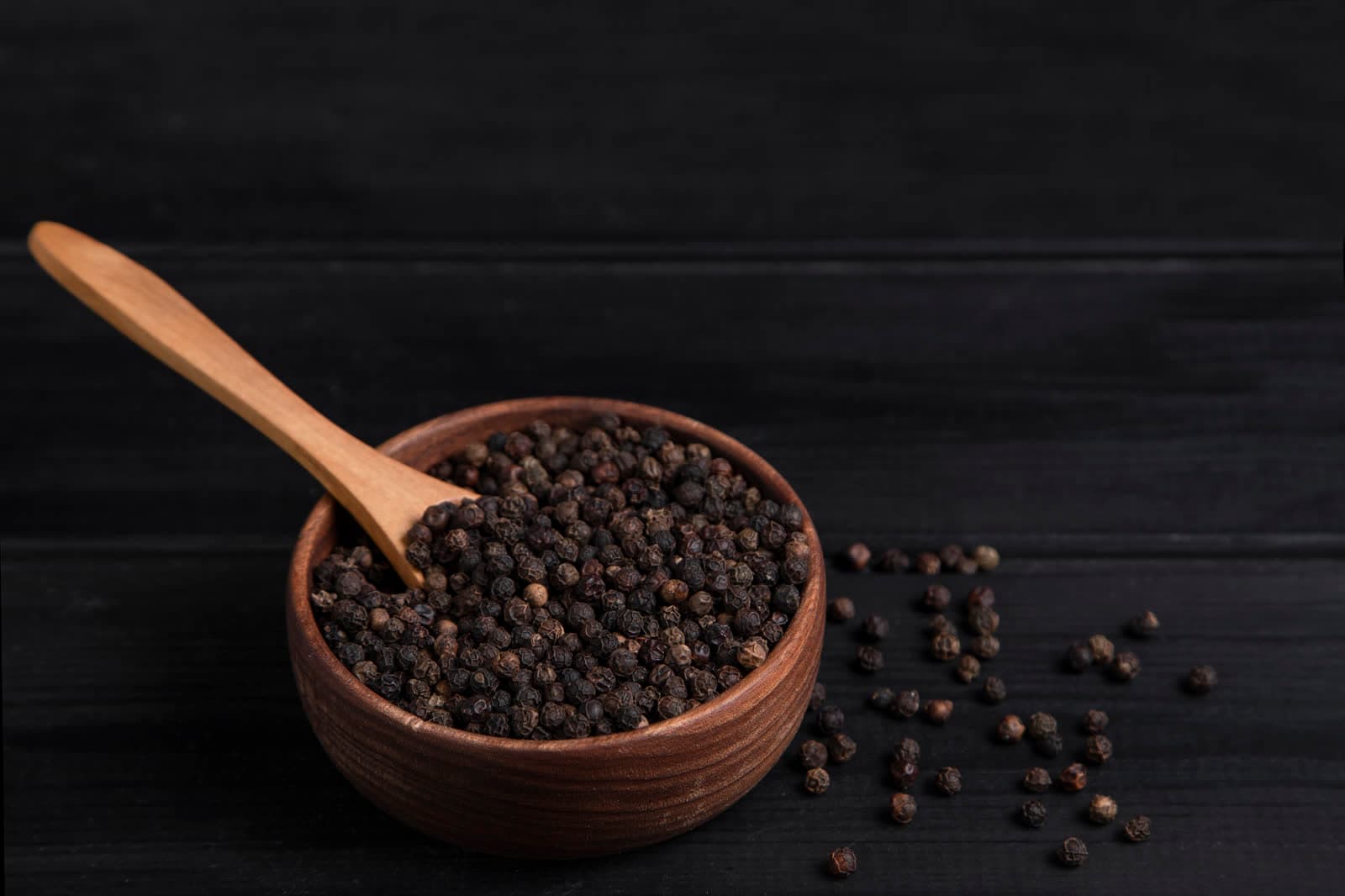
Whole spices generally hold their aroma longer than ground ones, so bold whole black peppercorns and cardamom pods make good back-up stock. Refill the dabba from them as needed, and grind a little at a time.
Frequently asked questions
How often should I clean out my spice rack?
A full audit once a year, such as every January, works for most kitchens, with a quick look at the dates every three months.
Can old spices make you sick?
Spices that are simply old usually just taste weak. Spices with mould, insects, damp clumps or a musty smell should be thrown away. When in doubt, throw it out.
How can I tell if ground spices are still good?
Rub a pinch between your fingers and smell it. If the aroma is faint or dusty and the colour looks dull, the spice has lost most of its flavour and is due for replacing.
Should I store spices in the fridge?
Most spices do not need it and can pick up moisture from condensation each time the jar comes out. A cool, dark, dry cupboard is usually better. If you do refrigerate, use airtight jars and let them reach room temperature before opening.
What is the best way to label spice jars?
Write the spice name and the month and year of opening on masking tape or a label. For home blends, add the grind date and the main ingredients.
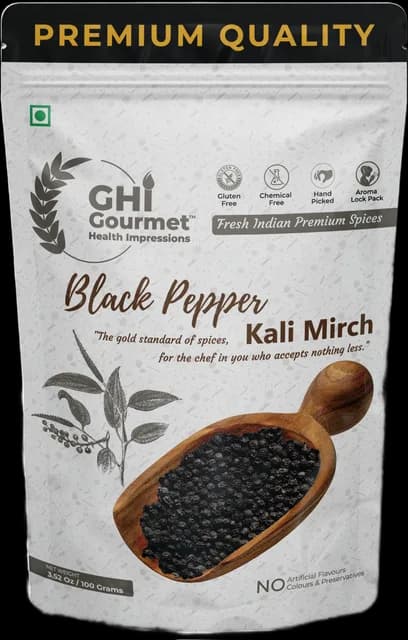
A clean, dated, compact rack makes every meal this year a little easier and a lot more fragrant. When it is time to restock, look for graded, certified spices in resealable packs, which is how GHI packs its whole and ground range.