22 November 2025
Baking with Indian Spices: Winter Cookies, Cakes and Rolls
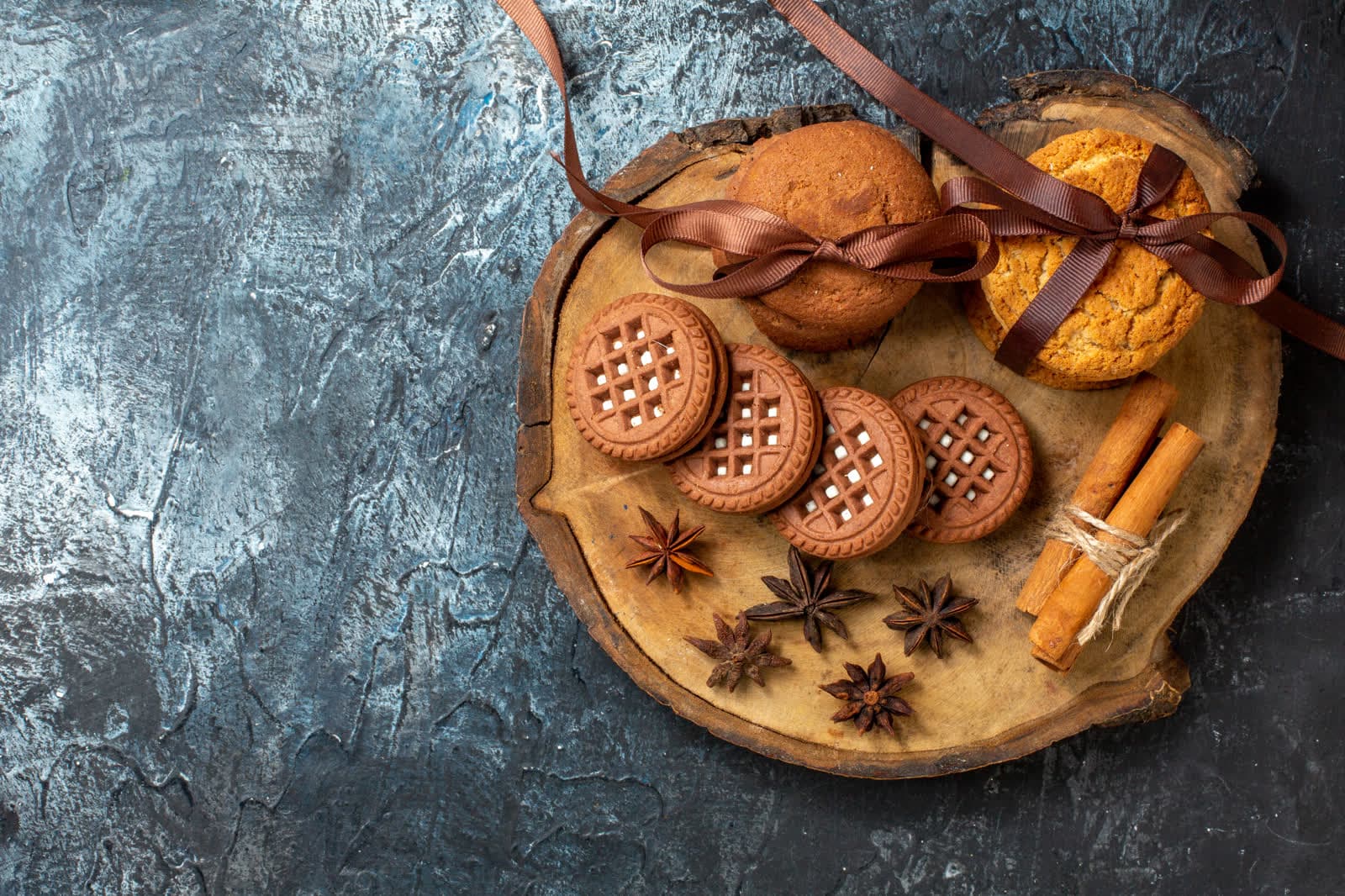
As evenings turn cool and a warm oven feels welcoming again, baking with Indian spices is one of the easiest ways to make everyday bakes feel special. Cardamom, cinnamon, clove and even a pinch of black pepper bring a warmth to cookies and cakes that vanilla alone never quite reaches. The trick is using the right amount, at the right moment, so the spice tastes fragrant rather than bitter.
Why Indian spices suit winter baking
Butter, ghee, sugar and flour are generous carriers of aroma. The fat in a dough holds on to spice oils and releases them slowly as you eat, which is why a cardamom biscuit still smells wonderful a day after baking.
Each spice plays a slightly different role:
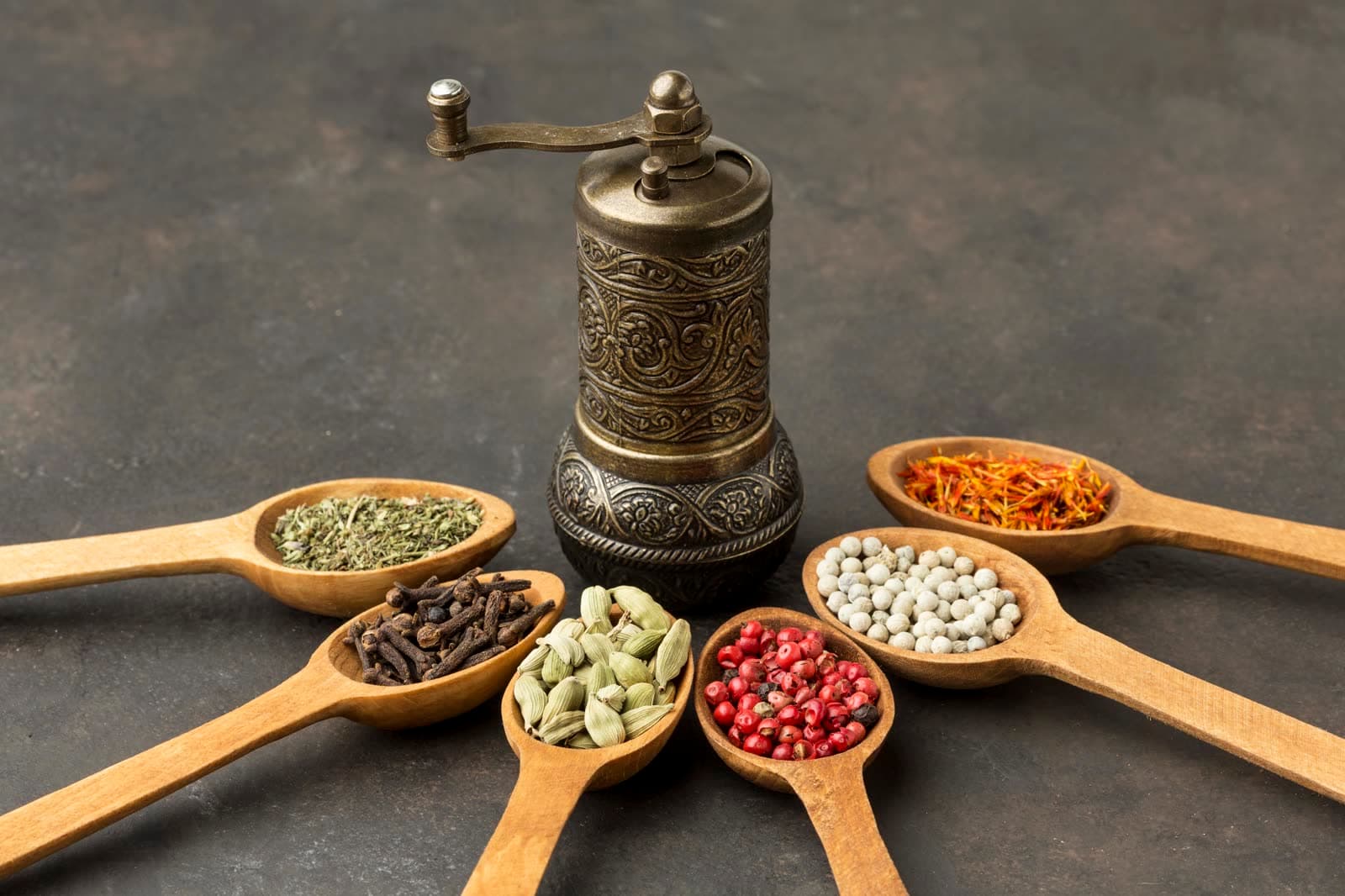
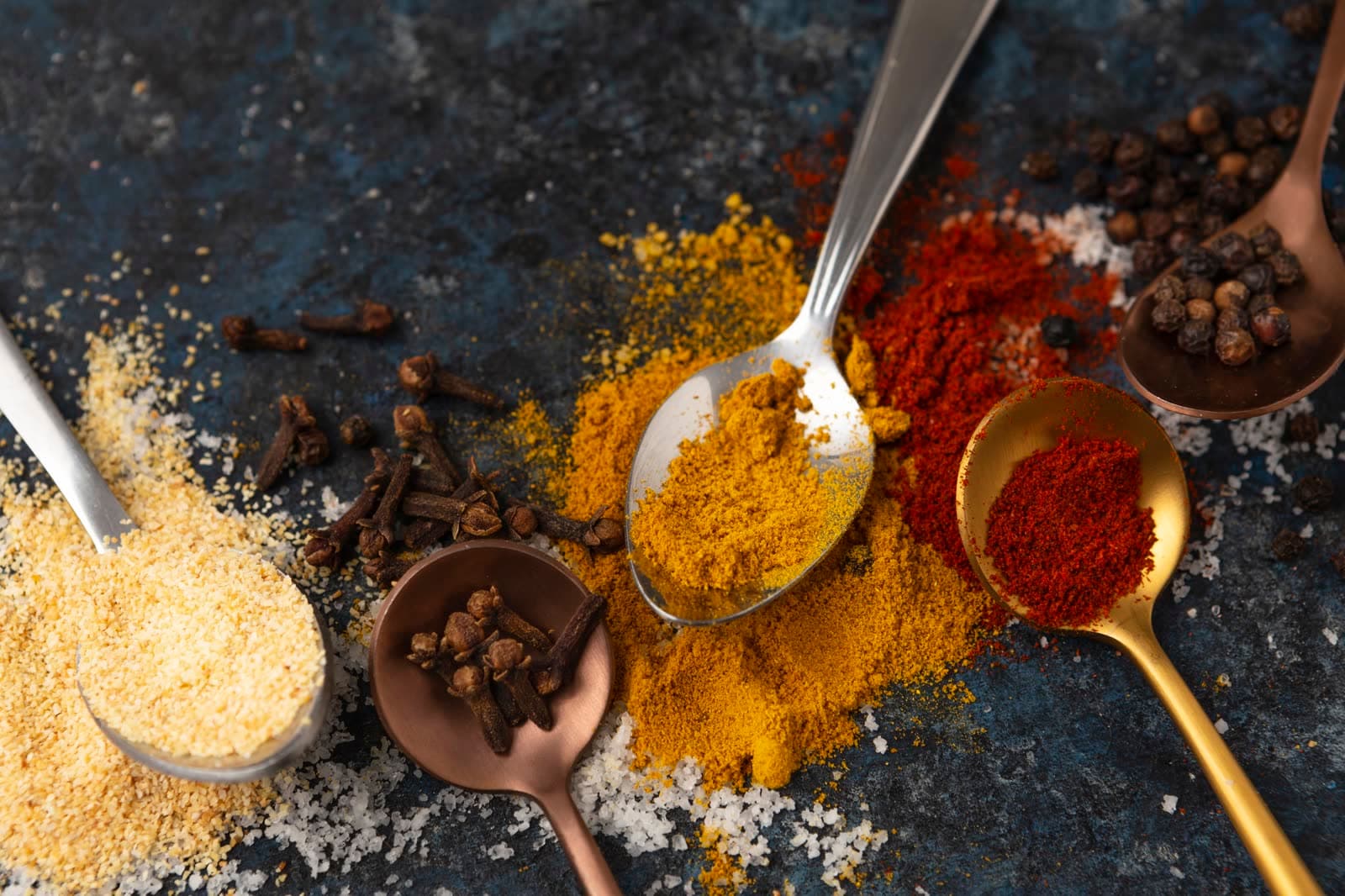
- Green cardamom: floral and sweet, the natural partner for ghee, milk and nuts.
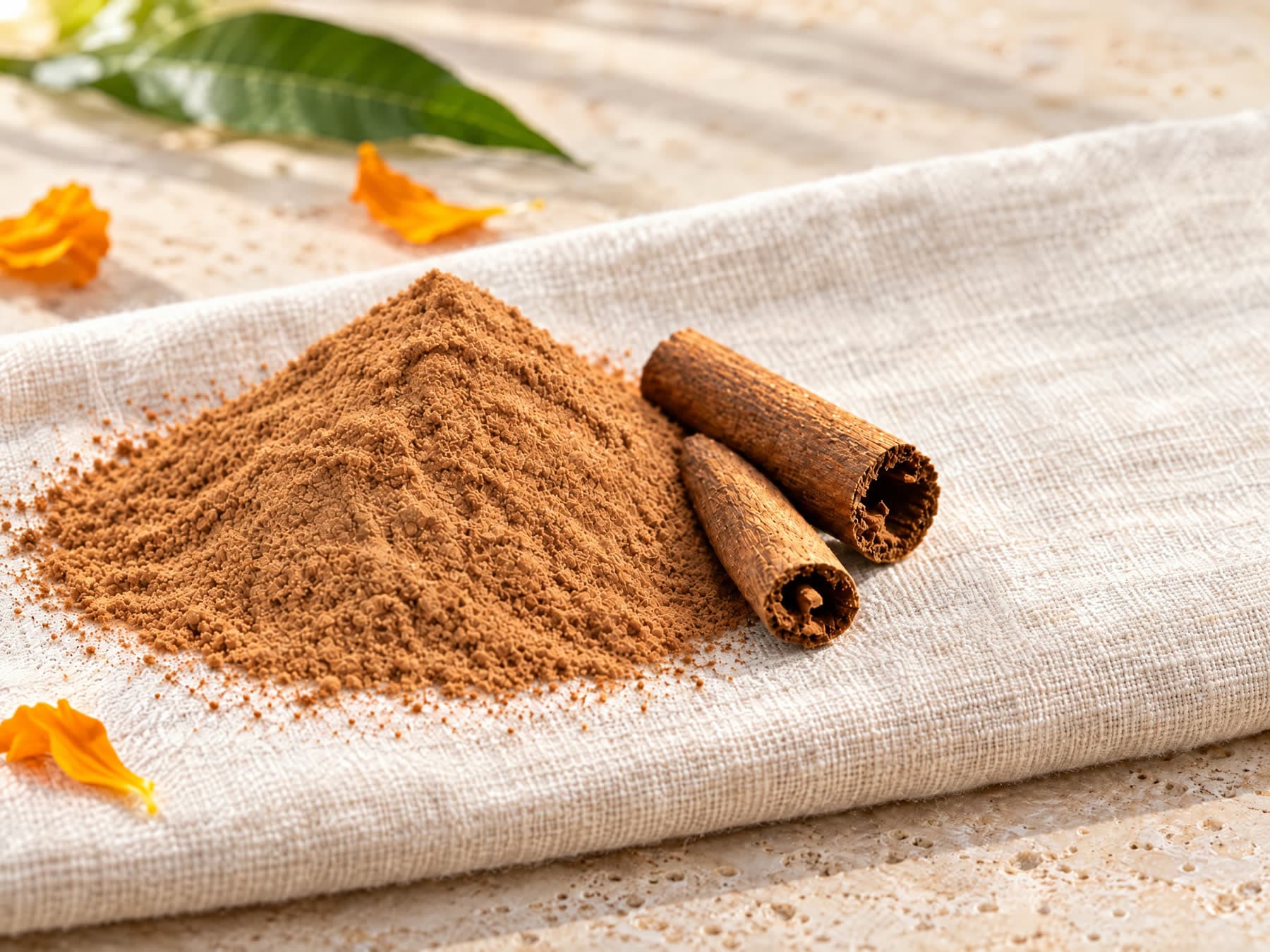
- Cinnamon: warm and woody, perfect with brown sugar, apple and tea.
- Clove: deep and intense, best used in tiny amounts as a background note.
- Black pepper: a pinch sharpens sweetness and makes cardamom taste brighter.
Late November is a lovely time to start. The festive mithai season is behind us, the Christmas baking season is ahead, and a tin of homemade cookies is always welcome when friends drop by.
How much spice to use in baking
Baked goods are forgiving with sugar and butter but not with spice. Too little disappears in the oven; too much turns soapy or bitter. Use the table below as a starting point per 250 g (about 2 cups) of flour.
| Spice | Gentle | Pronounced | Notes |
|---|---|---|---|
| Cardamom powder | 1/2 tsp | 1 tsp | Finely ground seeds give the cleanest flavour |
| Cinnamon powder | 1 tsp | 2 tsp | Pairs beautifully with brown sugar |
| Ground clove | 1 pinch | 1/4 tsp | Easily overpowers everything else |
| Black pepper powder | 1 pinch | 1/4 tsp | Use a fine powder so no one bites a hard piece |
When combining spices, let one lead. A reliable pattern is one main spice at the full amount, one supporting spice at half, and clove or pepper as a pinch. For example: 1 tsp cinnamon, 1/2 tsp cardamom and a pinch of clove.
Freshness changes these numbers. A fragrant, recently opened cardamom powder needs less than one that has sat open for a year, so smell before you measure and adjust to your nose.
How to keep spices from turning bitter in the oven
Bitterness in spiced bakes almost always comes from one of five things.
- Too much clove or cinnamon. Both have strong compounds that turn harsh when concentrated. Use proper measuring spoons, levelled, not heaped.
- Old spice. As the bright top notes fade, the woody, bitter base notes remain. Stale powder often tastes dusty and flat rather than sweet.
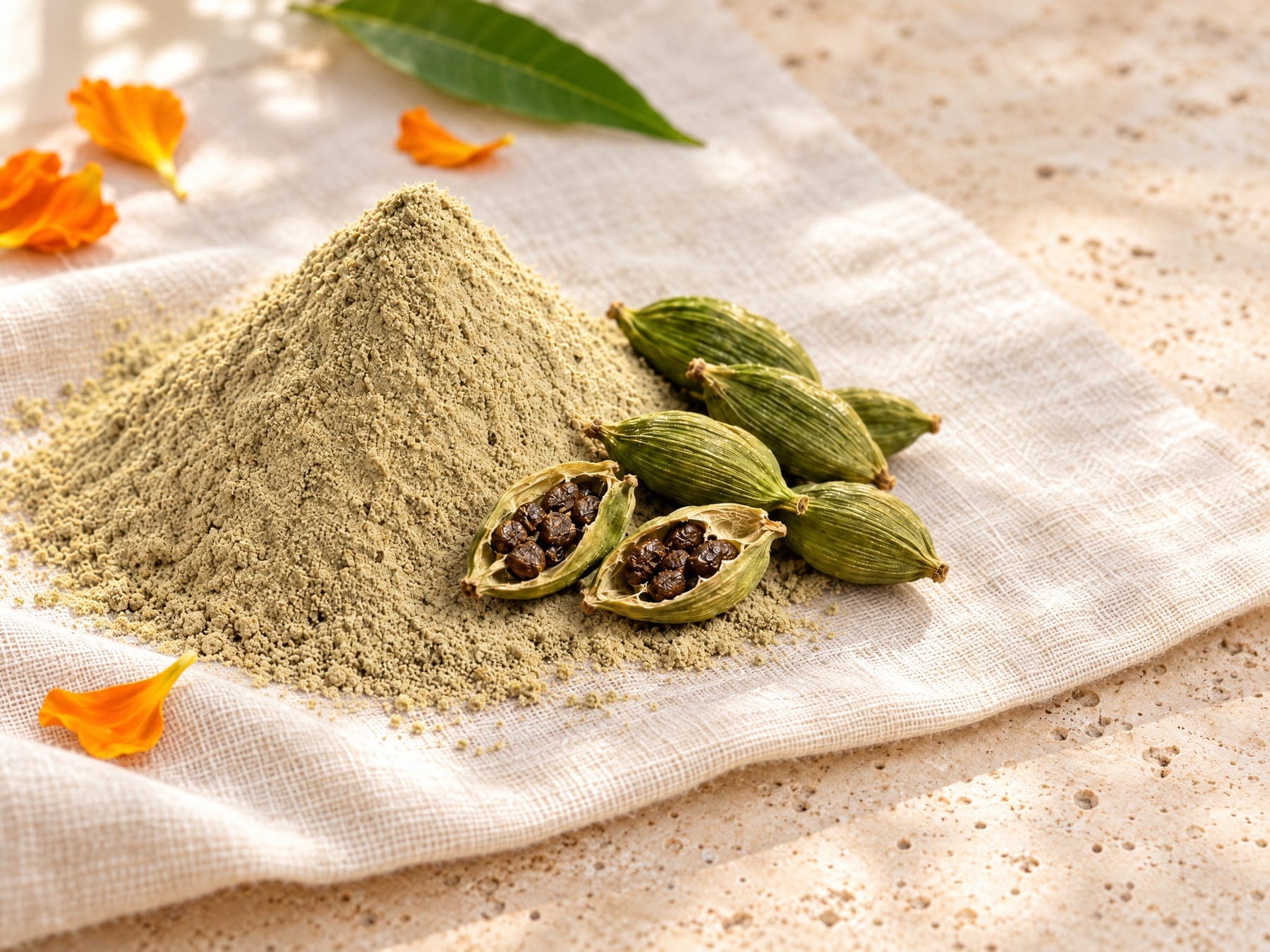
- Cardamom husk. Whole pods ground with their husks can taste papery and slightly bitter. Use the seeds, or a fine powder made from them.
- Scorched spiced sugar. Cinnamon sugar on top of a cake or roll burns faster than the crumb underneath. Cover loosely with foil once the top is golden.
- Frying spice in very hot butter. If you bloom spices in melted butter, take the pan off the heat first. Warm, not sizzling, butter releases aroma without burning it.
Mixing the spice into the sugar or the dry flour, rather than tipping it straight into wet batter, also spreads it evenly, so you never get a concentrated, bitter pocket in one bite.
Cardamom cookies and classic nankhatai
Cardamom butter cookies (makes about 24)
- 115 g soft butter and 100 g powdered sugar
- 1 egg, or 3 tbsp thick curd
- 220 g maida, 1/2 tsp baking powder and a pinch of salt
- 3/4 tsp cardamom powder and a small pinch of fine black pepper powder
Beat the butter and sugar until pale, about 3 minutes, then add the egg or curd. Whisk the flour, baking powder, salt, cardamom and pepper together and fold them into the butter mix. Chill the dough for 20 minutes, roll into small balls, flatten slightly and bake at 180°C for 10-12 minutes, until the edges are just golden. They firm up as they cool.
Nankhatai (makes about 18)
- 100 g ghee at room temperature, soft but not melted
- 90 g powdered sugar
- 120 g maida, 30 g besan and 1 tbsp fine sooji
- 1/2 tsp cardamom powder, 1/4 tsp baking soda and a pinch of salt
- Chopped pistachios to top
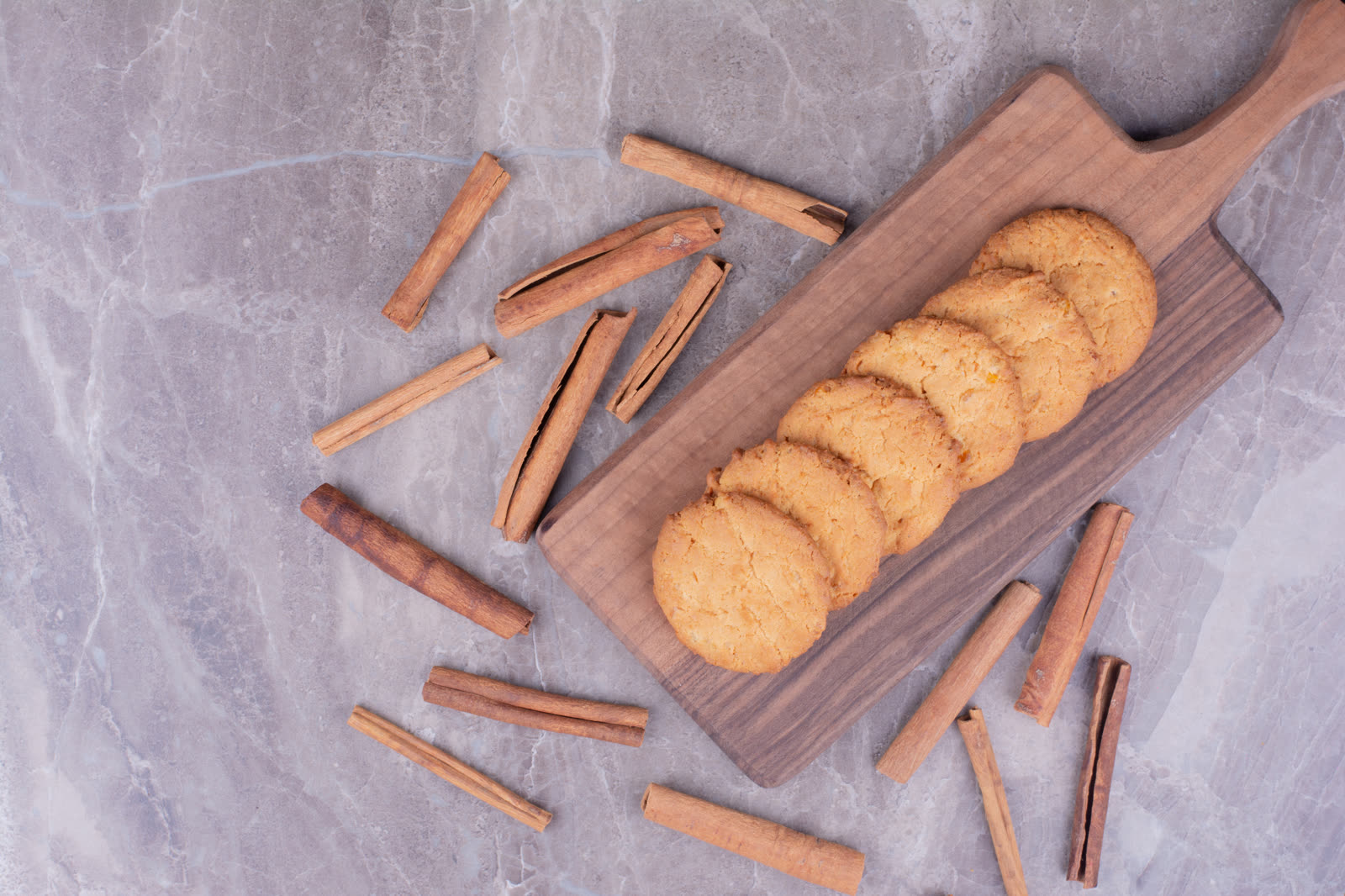
Whisk the ghee and sugar until light and fluffy, 4-5 minutes. Add the dry ingredients and bring them together into a soft dough without kneading. Shape into rounds, press a little pistachio on top and bake at 170°C for 15-18 minutes. Nankhatai should stay pale with fine cracks across the top. Let them cool completely on the tray, as they are fragile while warm.
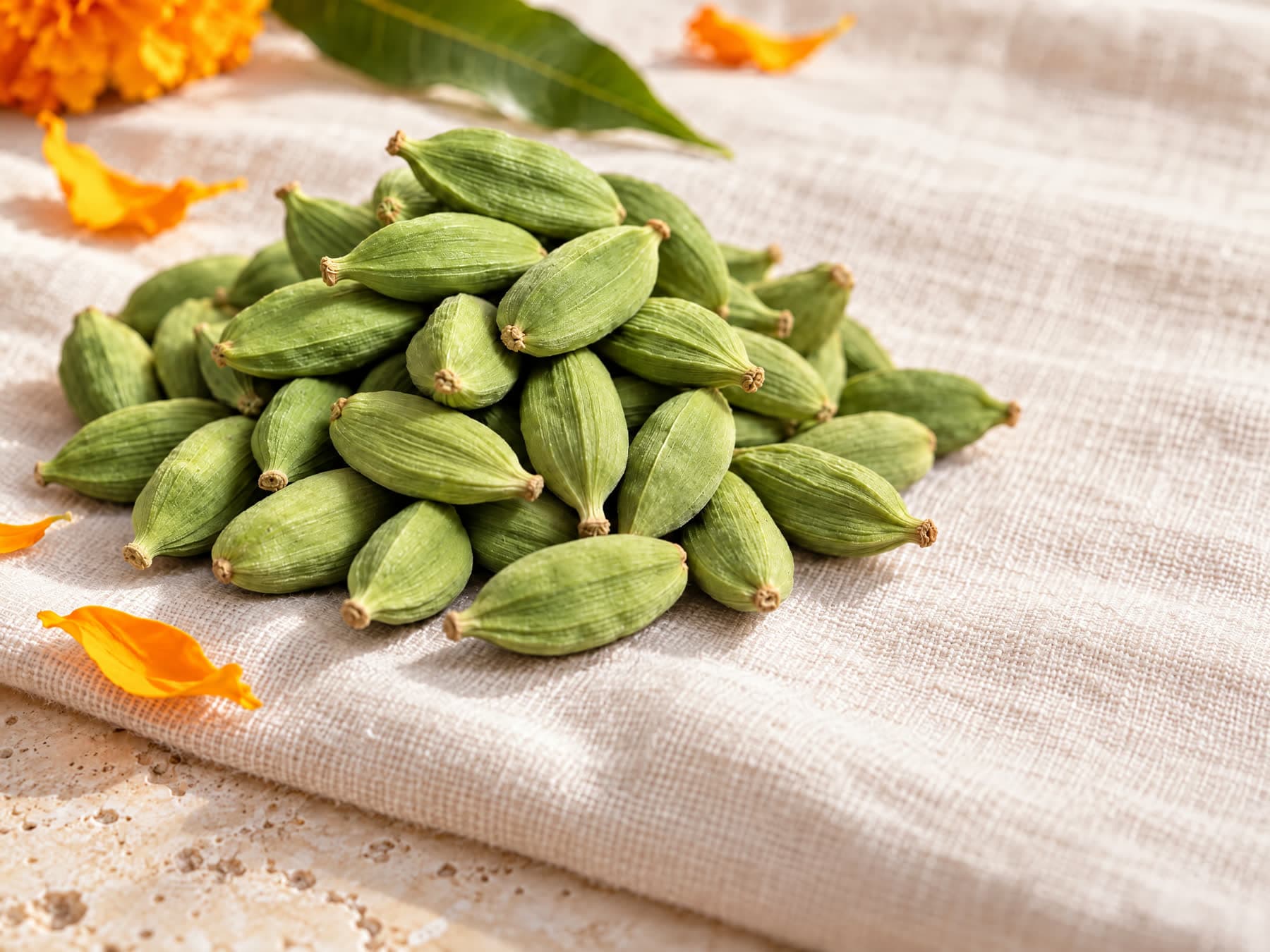
Cardamom is the star here, so it pays to use the best you have. Some bakers grind the seeds from a few whole green cardamom pods just before mixing for the most fragrant result.
Spiced tea cake and cinnamon-cardamom rolls
Spiced tea cake (one loaf)
This cake uses strong tea in the batter, so each slice tastes a little like a cup of spiced chai.
- Brew 120 ml strong black tea and let it cool. Heat the oven to 170°C and line a loaf tin.
- Whisk 180 g maida, 1 1/2 tsp baking powder, 1/4 tsp salt, 1 tsp cinnamon powder, 1/2 tsp cardamom powder and a pinch each of ground clove and black pepper.
- In another bowl, whisk 2 eggs, 150 g sugar (half of it brown, if you have it) and 100 ml oil or melted butter. Stir in the cooled tea.
- Fold the wet and dry mixtures together until just combined. Bake for 35-40 minutes, until a skewer comes out clean.
It keeps well for three days wrapped at room temperature, and the spice flavour actually deepens by the second day.
Cinnamon-cardamom rolls (makes 9)
- Dough: 300 g maida, 7 g instant yeast, 30 g sugar, 1/2 tsp salt, 180 ml warm milk and 40 g soft butter
- Filling: 50 g very soft butter, 60 g brown sugar, 2 tsp cinnamon powder and 1 tsp cardamom powder
Knead the dough for 8-10 minutes until smooth, then let it rise, covered, for about an hour until doubled. Roll it into a rectangle roughly 30 x 25 cm, spread the butter, sprinkle the spiced sugar evenly, roll up tightly and cut into 9 pieces. Arrange in a greased tin, let them rise again for 30-40 minutes and bake at 180°C for 20-25 minutes. Cover with foil if the tops brown early, so the cinnamon sugar does not scorch.
A fine, aromatic cinnamon powder spreads evenly through the filling without gritty patches. Brush the warm rolls with a simple glaze of milk and icing sugar before serving.
Frequently asked questions
How much cardamom powder should I use in cookies?
About 1/2 to 1 tsp per 250 g of flour. Start with 3/4 tsp, bake a test cookie and adjust. Fresh powder is stronger, so you may need less than a recipe suggests.
Why do my spiced cakes taste bitter?
The usual causes are too much clove or cinnamon, stale spice, cardamom husk in the powder, or spiced sugar burning on top. Measure level spoons, use fresh powder and cover the bake with foil once it browns.
Can I use whole spices instead of powder in baking?
Not directly, as whole spices will not spread through a dough. Grind them finely first, or infuse whole cardamom or cloves in warm milk or melted butter and strain before using.
Is black pepper good in sweet baking?
Yes, in small amounts. A pinch of fine pepper powder sharpens sweetness and lifts cardamom and cinnamon. Keep it to 1/4 tsp or less per 250 g of flour.
How should I store spiced cookies?
Cool them completely, then keep them in an airtight tin at room temperature for up to a week. Store soft and crisp cookies separately so the crisp ones stay crunchy.
Winter baking is at its best when the spice smells as good in the jar as it does in the oven. Whatever you bake this season, reach for graded, fresh spices in sealed packs; it is the same standard GHI holds its cardamom, cinnamon and pepper to.