17 September 2026
Whole Spices vs Ground Spices: Which to Buy and When to Grind
Walk into almost any Indian kitchen and you will find both: a masala dabba of whole spices for tadka, and a row of powders for everyday cooking. Most of us buy them out of habit. But the choice between whole spices vs ground spices changes how long your spices last, how much flavour reaches the food, and how much you end up throwing away. Here is a simple guide to when to buy which, and how to grind at home without fuss.
The key difference: surface area
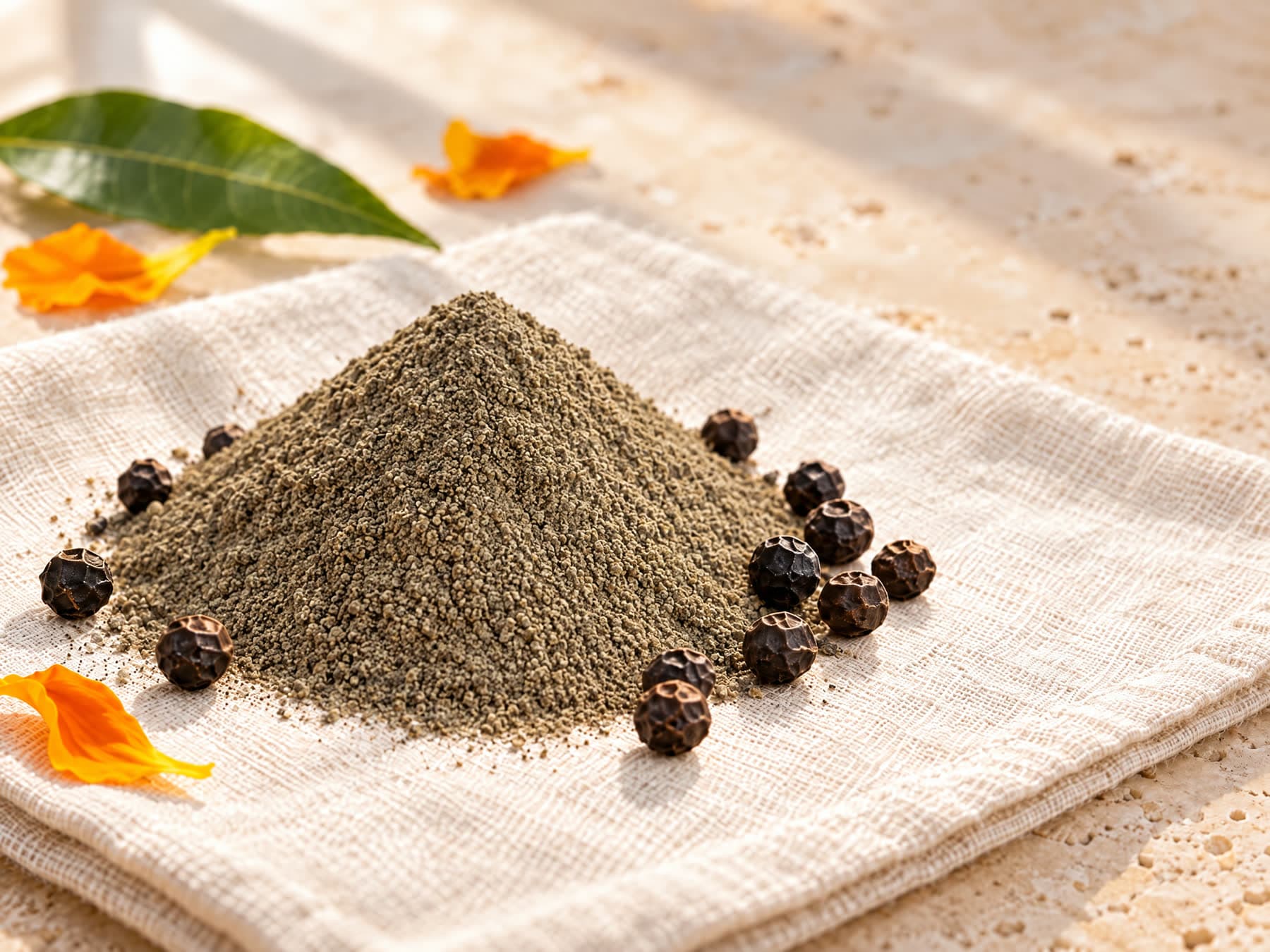
The aroma of a spice comes from its volatile oils. In a whole peppercorn, cardamom pod or clove bud, those oils sit inside a natural shell that protects them from air and light. Grinding breaks that shell and turns the spice into thousands of tiny particles, each one exposed to air. That is why freshly ground pepper smells so strong, and also why ground spices fade faster. The flavour does not vanish overnight, but it leaks away steadily from the moment the spice is ground.
Shelf life: whole vs ground spices
Whole spices simply last longer. McCormick, one of the world's largest spice companies, says whole spices keep their quality for about 4 years and ground spices for about 2 to 4 years. Those are best-case figures for sealed containers in good storage. Once a pack is opened, and especially in a warm, humid Indian kitchen, ground spices lose their punch much sooner.
| Form | How it ages | Practical tip |
|---|---|---|
| Whole (pepper, clove, cardamom, cinnamon) | Slowly, because the shell protects the oils | Larger packs are fine if you cook with them often |
| Ground (pepper, cardamom, cinnamon powder) | Faster once opened, as the aroma fades week by week | Buy small packs and finish them within a few months |
| Ground at home | Freshest at first, but fades fastest | Grind only what you need for a week or two |
Whatever you buy, check the best before date on the pack and trust your nose. If a spice smells faint, it will taste faint.
A note on bulk buys: a large pack of whole pepper or cloves can be good value because it keeps well. A large pack of powder often is not, because the last third of it will have lost much of its aroma by the time you reach it. If you do buy powder in bulk, split it into small airtight jars and open one at a time.
Flavour: how whole and ground spices behave in food
Whole spices infuse slowly
Whole spices release their flavour gradually into hot oil, ghee or liquid. That makes them ideal for tadka, biryani, pulao, slow-cooked curries, stocks, pickles and chai. They give a rounded, layered aroma without making the dish gritty, and you can pick them out before serving.
Ground spices spread evenly and quickly
Powders blend into a dish fast and evenly. They suit marinades, dry rubs, batters, baking, raita, chaat and desserts like kheer or halwa, where nobody wants to bite into a pod. They also give colour and body to gravies. Because they cook quickly, add them a little later than whole spices so they do not scorch in hot oil.
Freshly ground is the brightest of all
Grinding just before use gives the most intense flavour. Cracked black pepper over a finished dish, or freshly crushed cardamom in chai, tastes noticeably livelier than a powder that has been open for months.
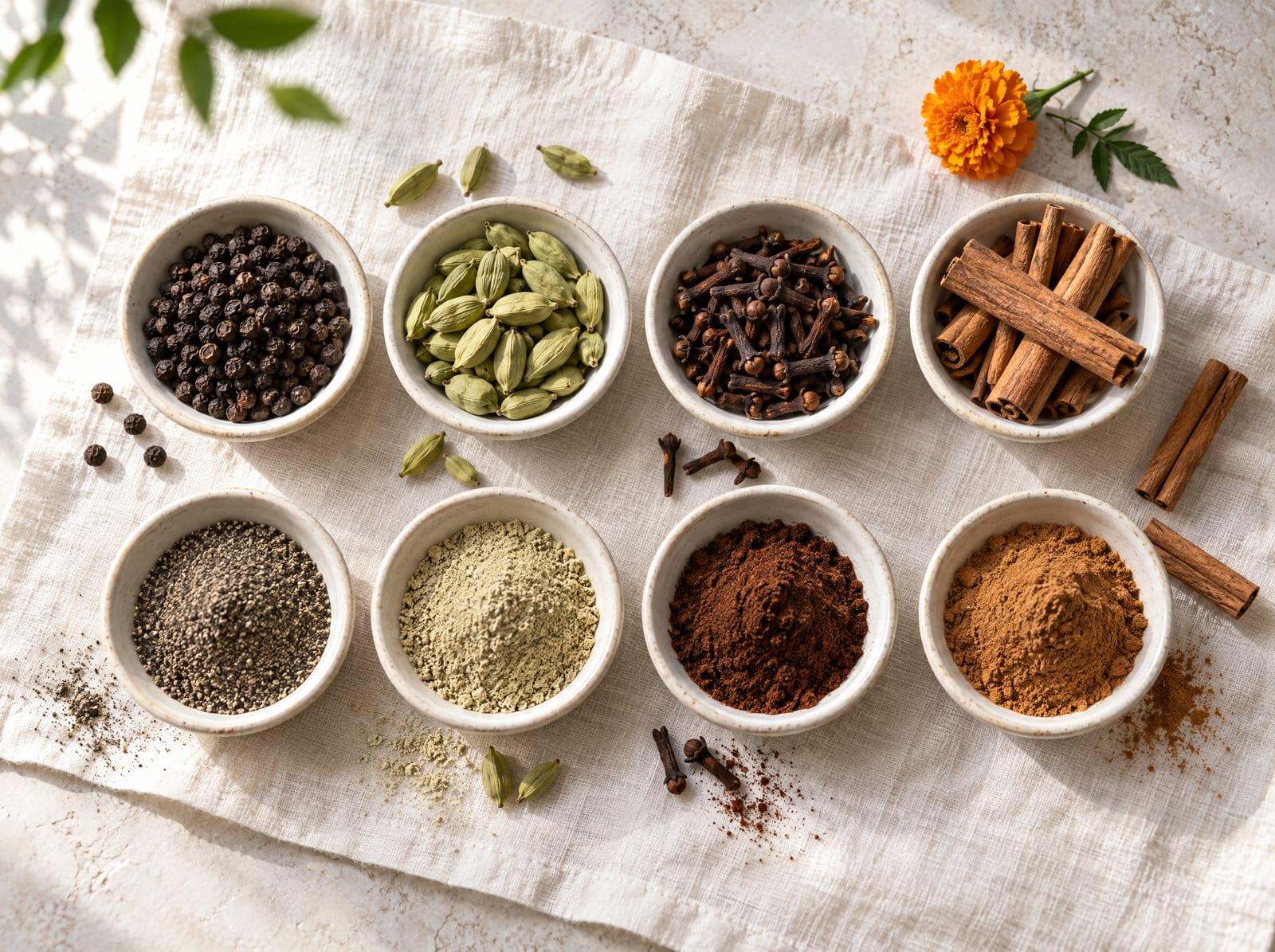
When to buy which
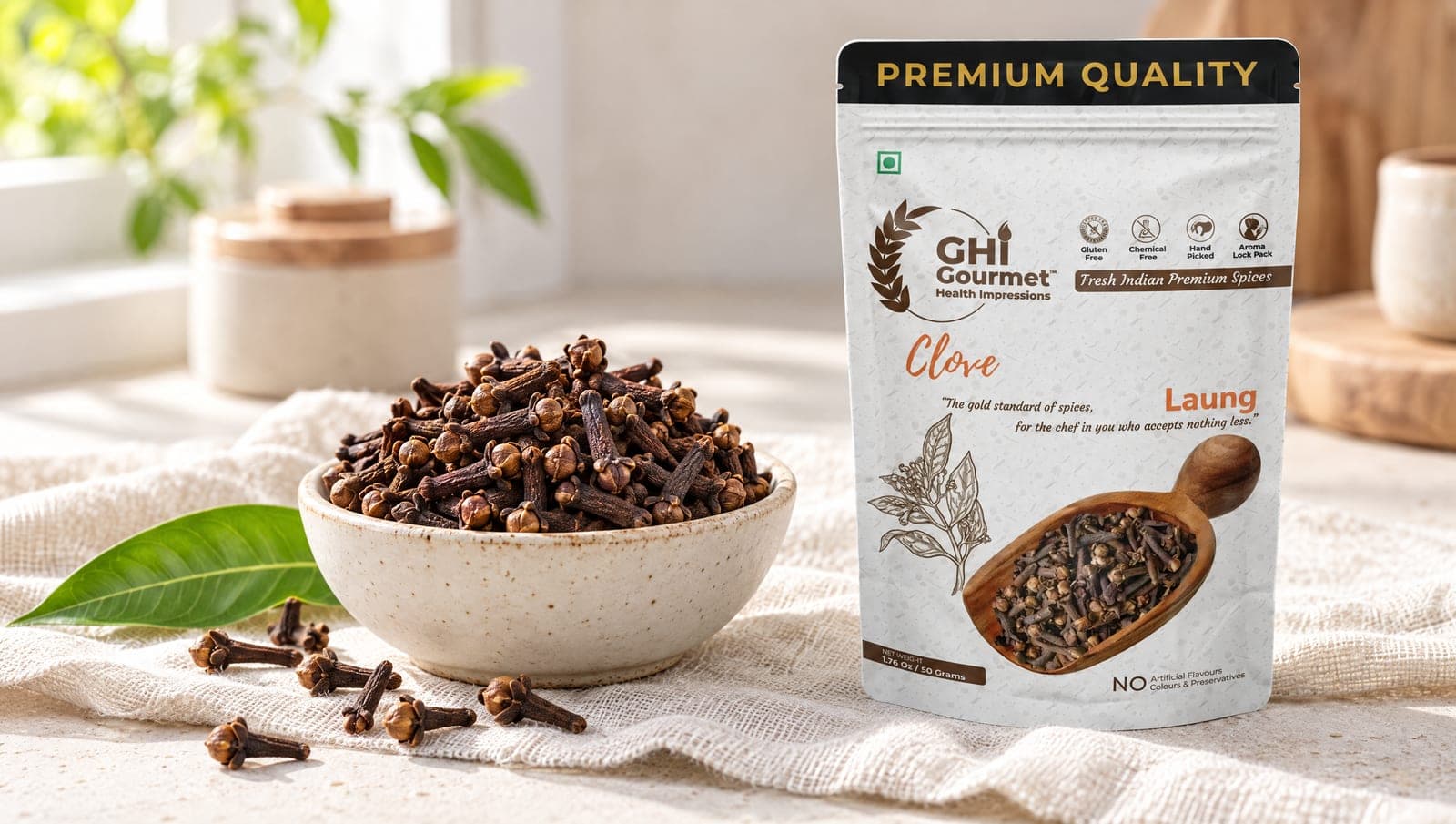
- Buy whole if you cook with a spice often, want the longest shelf life, or use it mostly for tempering and infusing. Black pepper, cloves, green cardamom and cinnamon sticks all fit here.
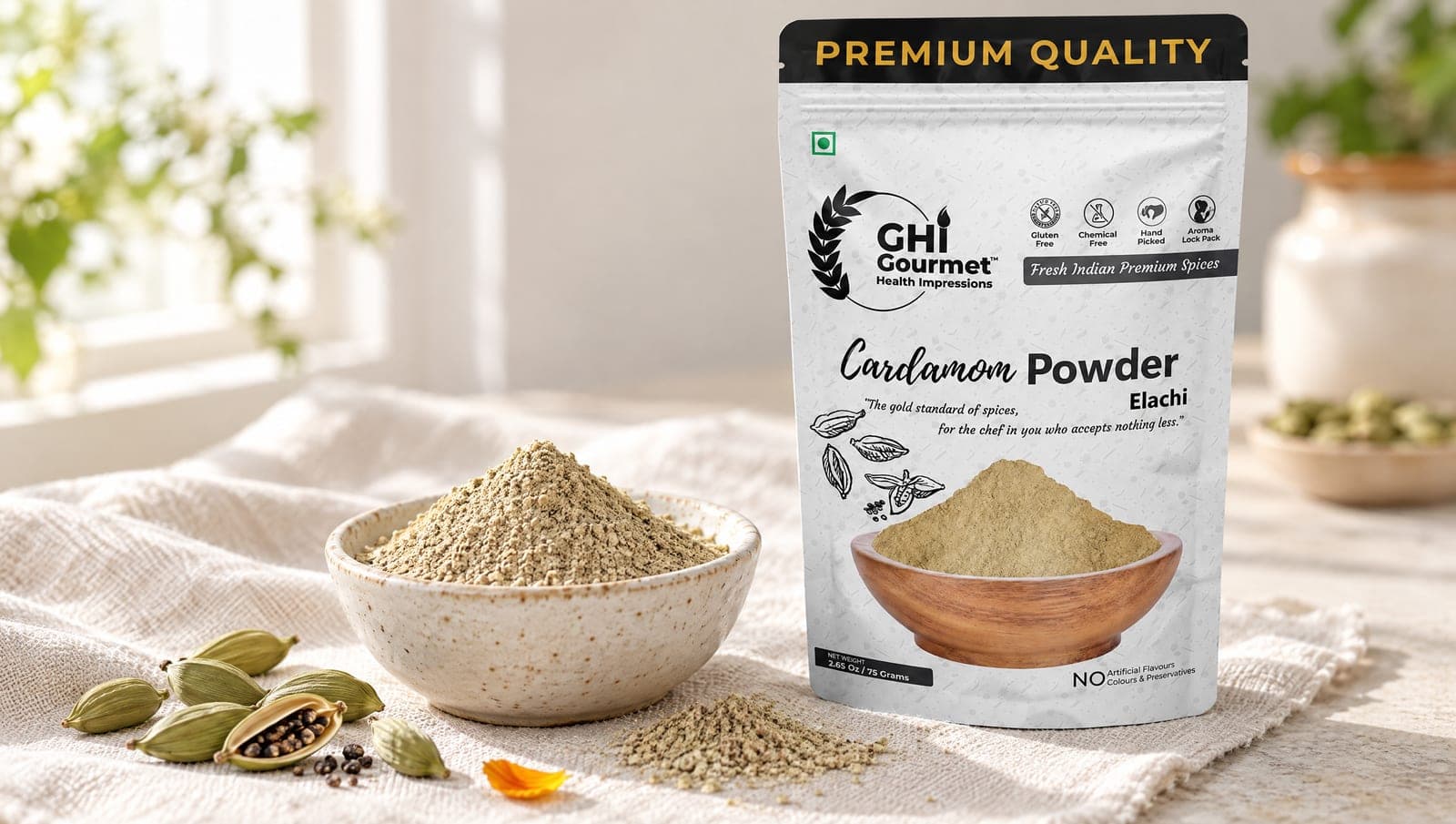
- Buy ground for spices you use in baking, sweets and quick weekday cooking, or ones that are tiresome to grind finely at home, such as cardamom for mithai or cinnamon for cakes.
- Buy whole and grind in small batches for the spices where freshness matters most to you, such as black pepper for the table or cardamom for chai.
A practical kitchen needs both. Many families keep whole pepper, cloves and cardamom for tadka and chai, plus a small pack each of pepper powder and cardamom powder for quick jobs.
Whole spices are also easier to trust
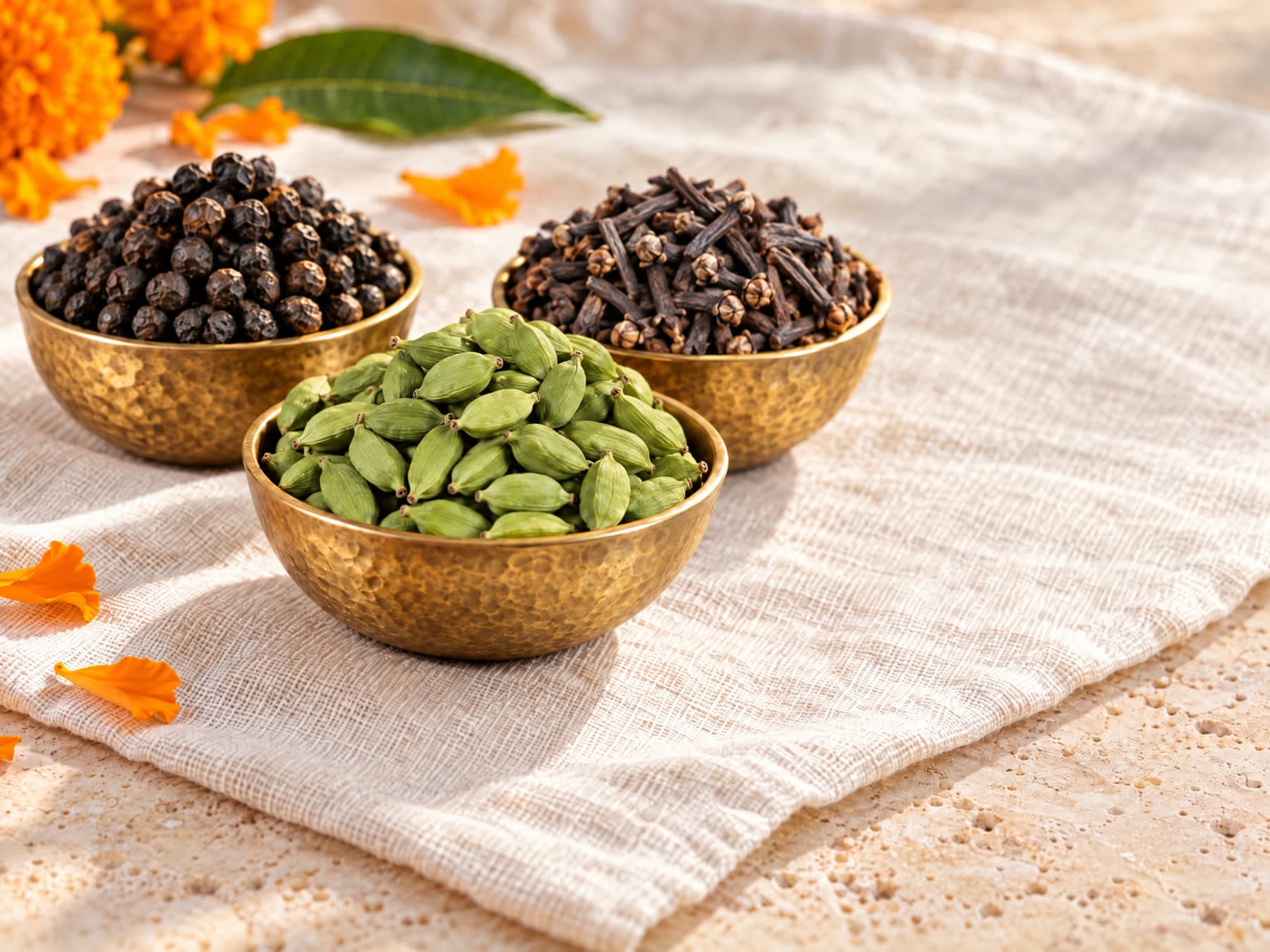
There is a quality angle too. With whole spices you can see exactly what you are buying: the size of the cardamom pods, whether the cloves still have their heads, whether the peppercorns are uniform and dark. Powders hide all of that, which is one reason adulteration is more common in ground spices. If you do buy powders, choose a brand that lists a single ingredient, no added colour, an FSSAI licence number and a clear best before date.
How to grind spices at home
- Toast only if the recipe needs it. For garam masala, dry-roast whole spices on low heat for a minute or two until fragrant. Let them cool completely before grinding, or they turn pasty.
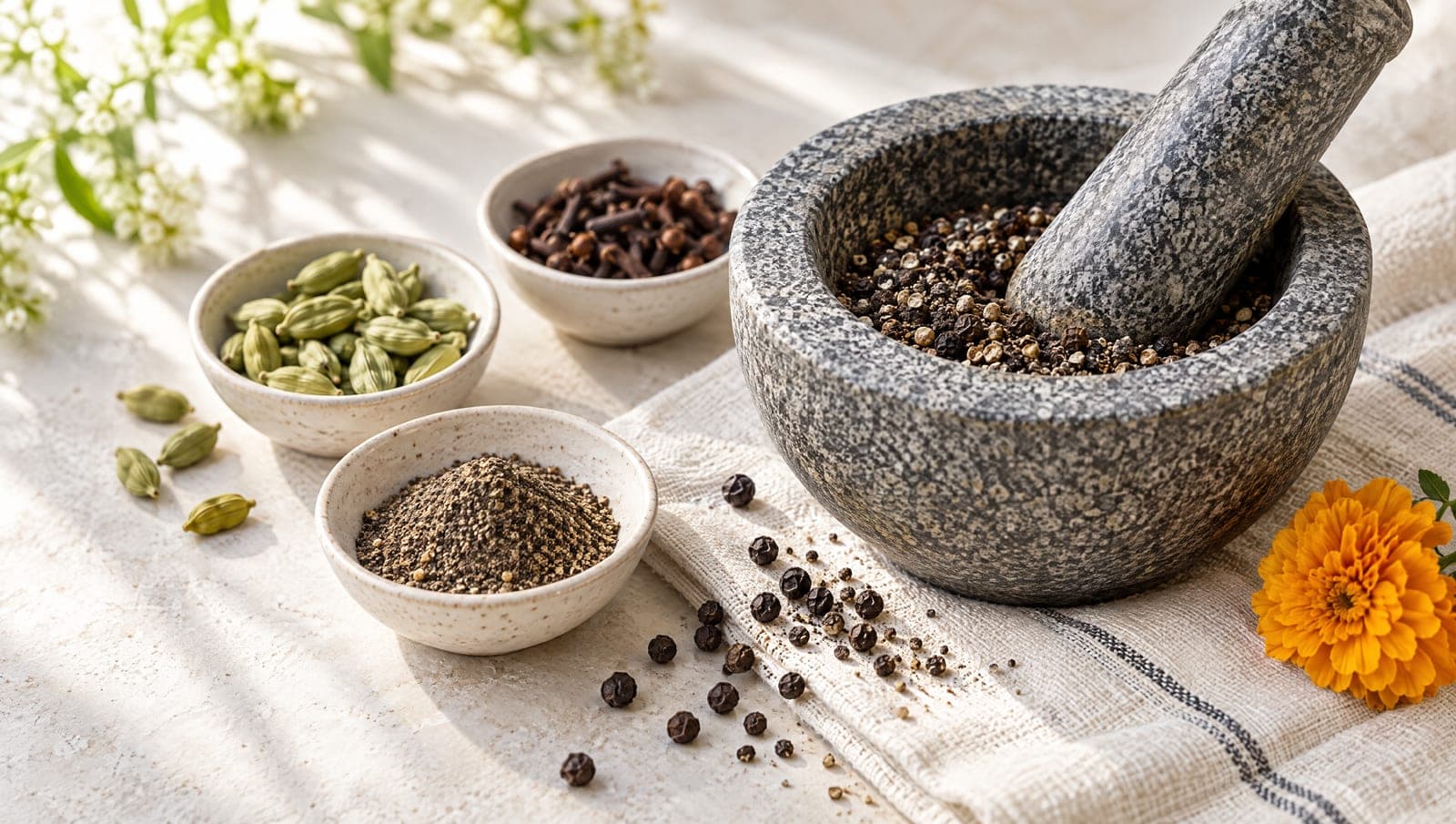
- Choose your tool. A mortar and pestle is best for small amounts and gives a coarse, fragrant crush. A small mixer jar or electric spice grinder is better for fine powder in bigger batches.
- Grind in short bursts. Long runs heat the spice and drive off the very oils you want to keep. Pulse, rest, and pulse again.
- Sieve if needed. For cardamom powder in sweets, sieve out coarse bits of husk and regrind them.
- Store small. Keep home-ground spice in a small airtight glass jar away from heat and light, and use it within a week or two for the best flavour.
A tip for cardamom: grind the seeds with a pinch of sugar. The sugar crystals help break the seeds and stop the powder from clumping.
How to store both kinds
- Use airtight containers, or resealable pouches with the air pressed out before closing.
- Choose a cool, dark cupboard, away from the stove and direct sunlight.
- Use dry spoons only, and never sprinkle directly from the pack over a steaming pot.
- Write the date on jars of home-ground spice so you know when it was made.
Where to start
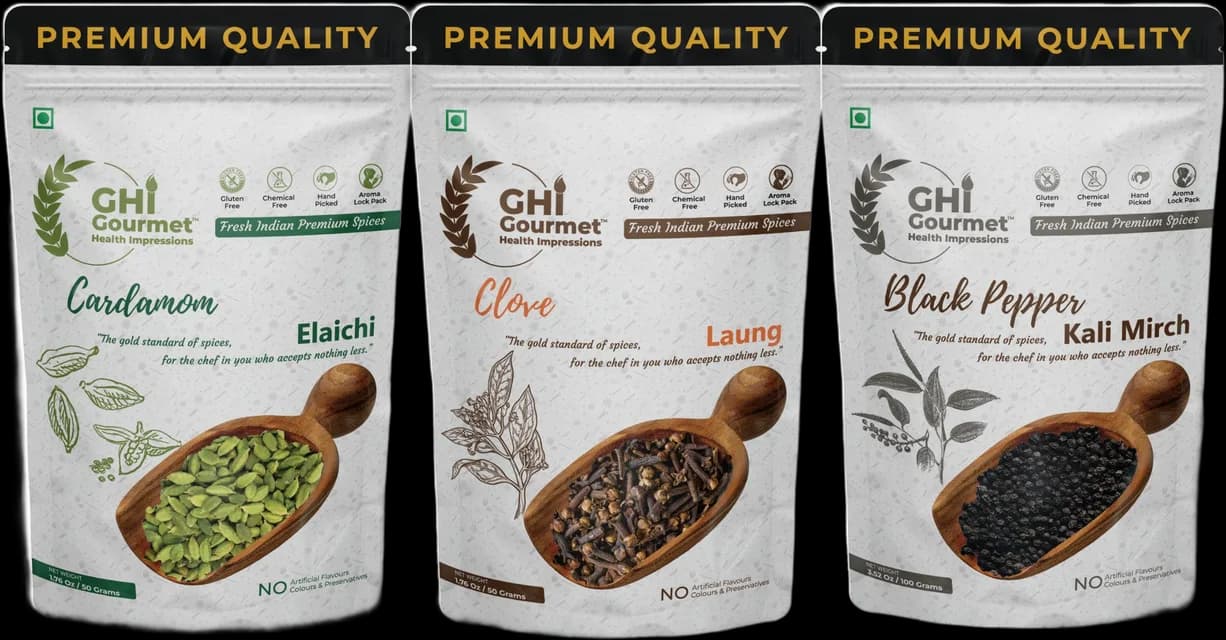
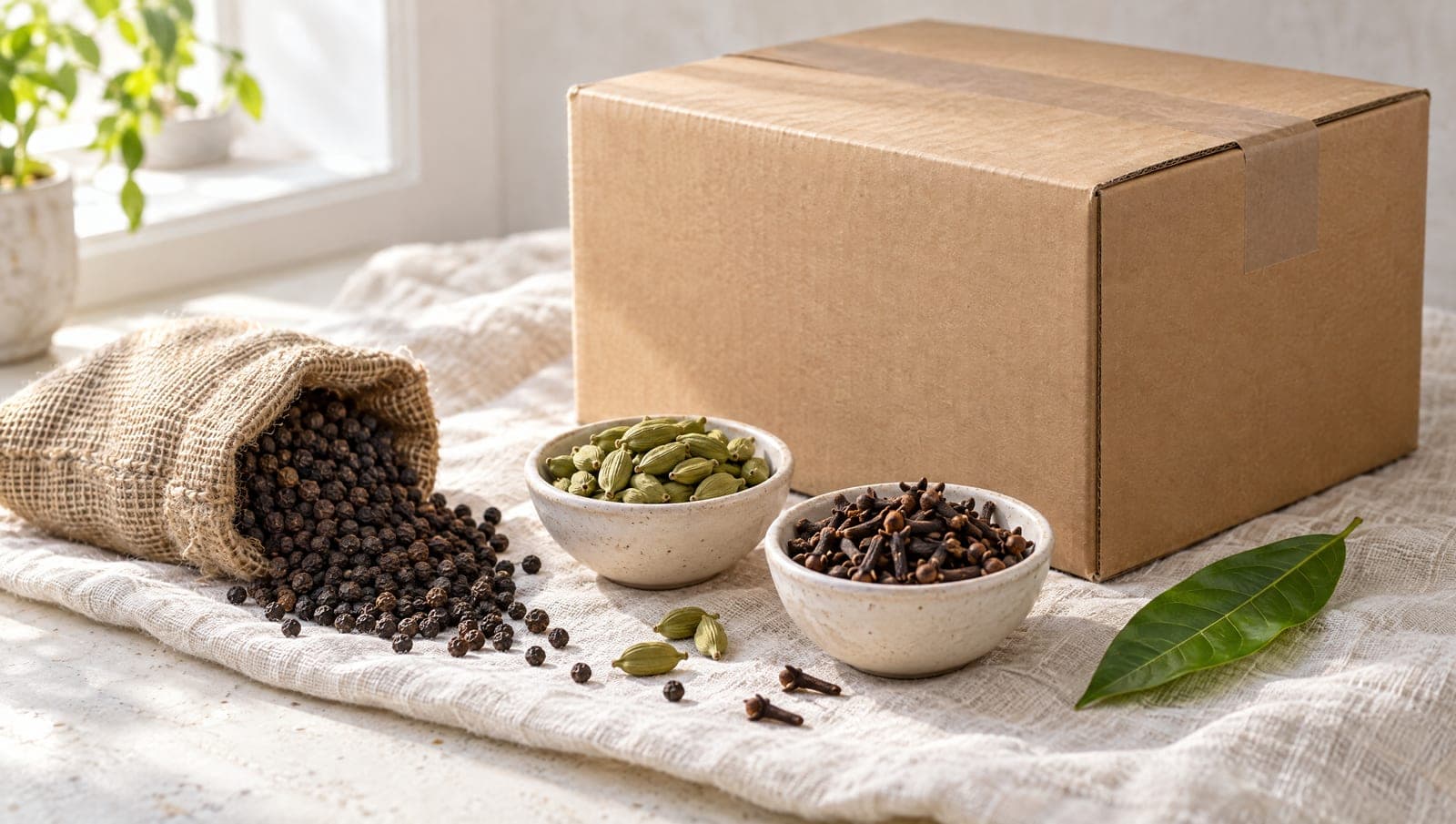
If you are building a spice shelf from scratch, begin with a few whole spices you use every day and one or two powders for convenience. Our whole spices are graded and sealed fresh in resealable aroma-lock pouches, and our powder spices, including black pepper powder, are finely ground with no additives or preservatives. For a ready set for tadka and chai, the Whole Spice Trio brings black pepper, 8 mm green cardamom and cloves together.
Frequently asked questions
Do whole spices last longer than ground spices?
Yes. The natural shell of a whole spice protects its volatile oils, so it holds its aroma much longer. McCormick suggests about 4 years for whole spices and 2 to 4 years for ground spices in sealed containers, and less once opened.
Is it worth grinding spices at home?
For spices where freshness really shows, like black pepper and cardamom, yes. Grind small batches and use them within a week or two. For baking and quick cooking, a good ready powder saves time.
Can I use ground spice instead of whole in a recipe?
Yes, but use less and add it later in the cooking. Start with a small pinch, taste, and add more if needed, because powders release their flavour all at once.
How do I know if a spice has gone stale?
Rub or crush a little and smell it. Fresh spices smell strong the moment you touch them. If the aroma is weak or dusty, the spice will add little flavour, even if it is still within its best before date.