15 October 2025
Homemade Garam Masala for Diwali: Recipe, Tips, Storage
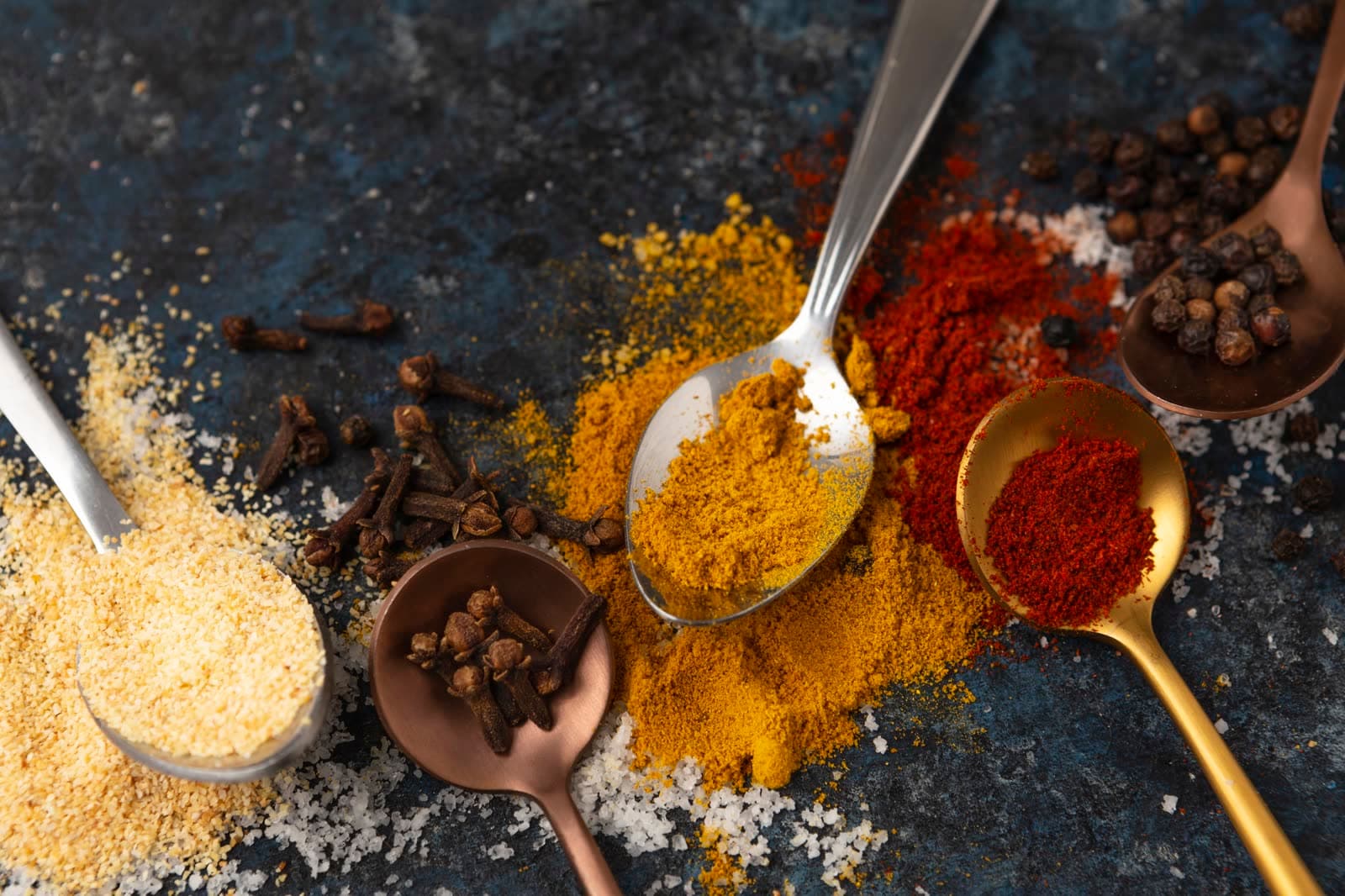
Few things make a kitchen smell like Diwali faster than a batch of homemade garam masala being toasted and ground. Shop-bought blends are convenient, but a fresh blend made from whole spices a few days before the festival brings a warmth to chole, paneer and dum aloo that a packet open for months simply cannot match. The good news is that it takes about 20 minutes, and you probably have most of the spices already.
What garam masala is, and why homemade tastes better
Garam masala means "warm spice mix". It is not a single fixed recipe but a family of blends, built mostly on coriander, cumin, black pepper, cardamom, cloves and cinnamon, with each household and region tipping the balance its own way. Unlike curry powders, garam masala usually contains no turmeric or chilli, and it is often added towards the end of cooking as a finishing spice.
That finishing role is exactly why freshness matters so much. The aroma of these spices comes from essential oils that start to escape once they are ground. Whole spices hold on to those oils far longer than powders do, so a blend you grind yourself, from well-graded whole spices, carries a brighter, rounder fragrance than one ground weeks or months earlier.
A balanced homemade garam masala recipe
This makes roughly half a cup, enough for a full week of Diwali cooking with some left for the weeks after. It is deliberately balanced rather than fiery, so it suits both vegetarian and non-vegetarian dishes.
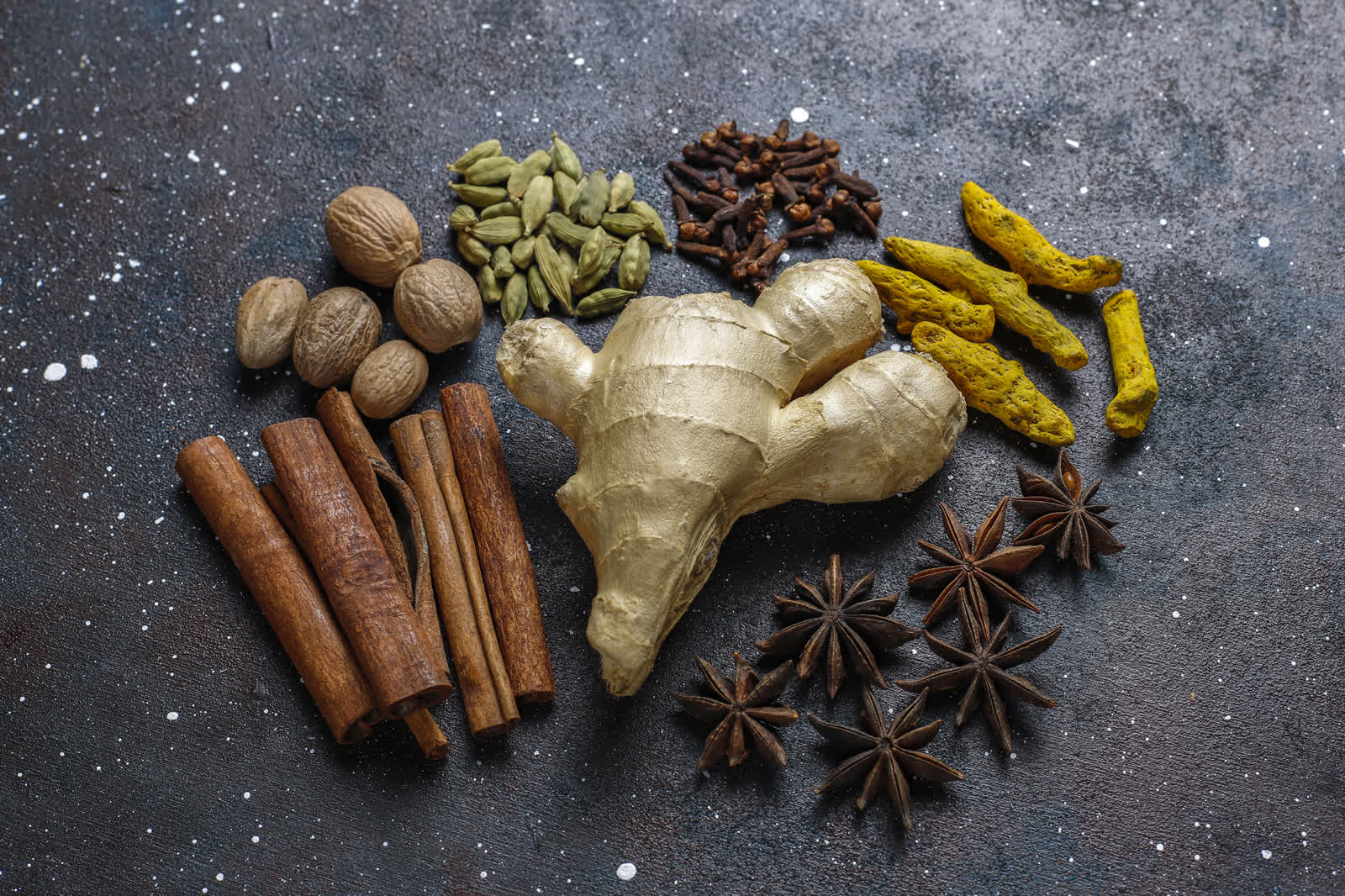
| Whole spice | Quantity | What it brings |
|---|---|---|
| Coriander seeds | 3 tablespoons | Body, citrusy sweetness |
| Cumin seeds | 2 tablespoons | Earthy, nutty depth |
| Black peppercorns | 1 tablespoon | Heat and sharpness |
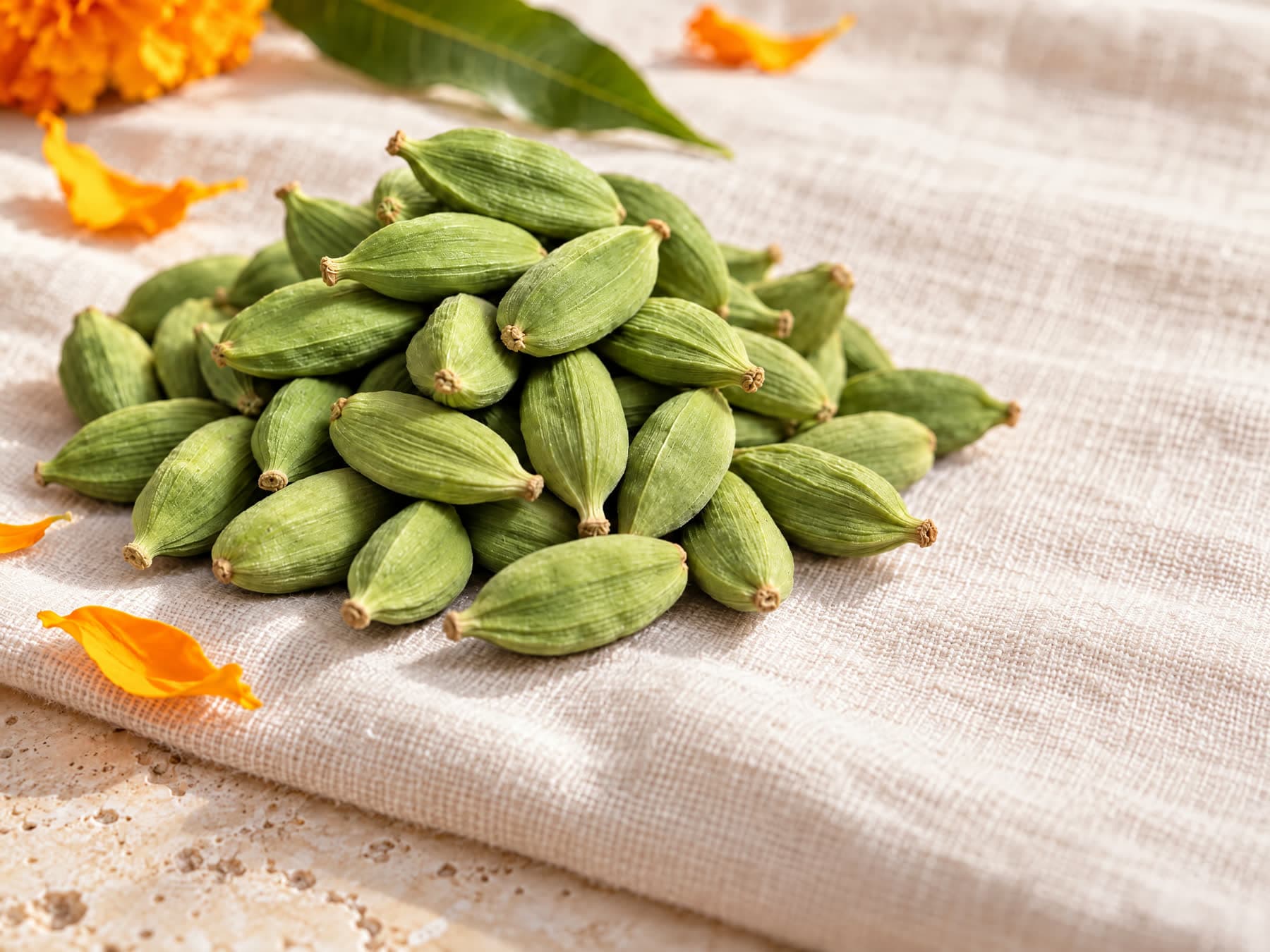
| Green cardamom | 12 pods | Sweet, cooling fragrance |
| Black cardamom | 2 pods | Smoky, resinous note |
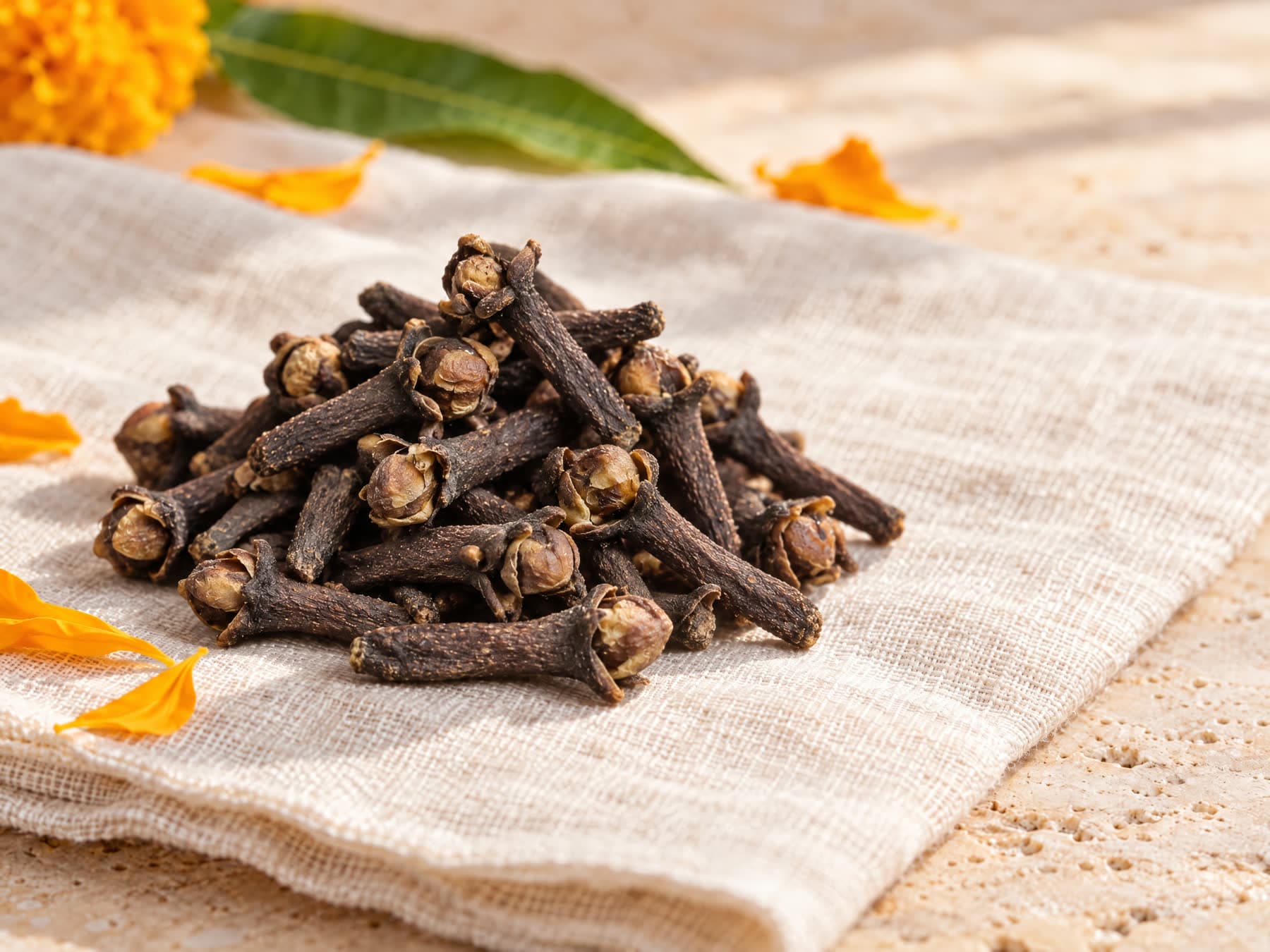
| Cloves | 1 teaspoon (about 20) | Intense warmth |
| Cinnamon | 2 sticks, about 5 cm each | Sweet, woody warmth |
| Bay leaves | 2 | Gentle herbal background |
| Mace | 1 blade | Delicate, floral warmth |
| Nutmeg | A quarter of one, grated | Rounded sweetness |
If you like a slightly sweeter blend for Mughlai gravies, add 1 teaspoon fennel seeds. If you prefer more heat, take the peppercorns up to 1.5 tablespoons. Because cloves, nutmeg and mace are strong, change them only in small steps.
How to toast and grind garam masala
Dry roasting deepens the flavour and removes any trace of moisture, which helps the blend grind finely and keep longer. The key is low, patient heat.
- Break the larger spices. Snap the cinnamon into small pieces, split the black cardamom pods and tear the bay leaves.
- Toast the seeds first. Warm a heavy pan on low to medium heat and add the coriander and cumin. Stir for 2 to 3 minutes, until the cumin darkens by a shade and smells nutty.
- Add the rest. Add peppercorns, cloves, both cardamoms, cinnamon and bay leaves. Keep stirring for another 1 to 2 minutes, until the cloves swell slightly and the kitchen smells warm. Add the mace for the last 30 seconds only.
- Cool completely. Tip everything onto a plate and let it cool for 10 to 15 minutes. Grinding warm spices traps moisture and makes the powder clump.
- Grind in short bursts. Use a dry mixer jar or spice grinder and pulse rather than running it continuously, which heats the spices. Grate in the nutmeg at this stage.
- Sieve if you like. Pass the powder through a fine sieve and regrind any coarse bits, especially cinnamon and cardamom husk.
Watch the heat closely. Burnt spices, particularly cumin and cloves, turn bitter and there is no fixing them, so if anything smokes, start again with a fresh handful.
Why the quality of each whole spice matters
A blend can only be as good as its weakest spice. A few simple checks help:
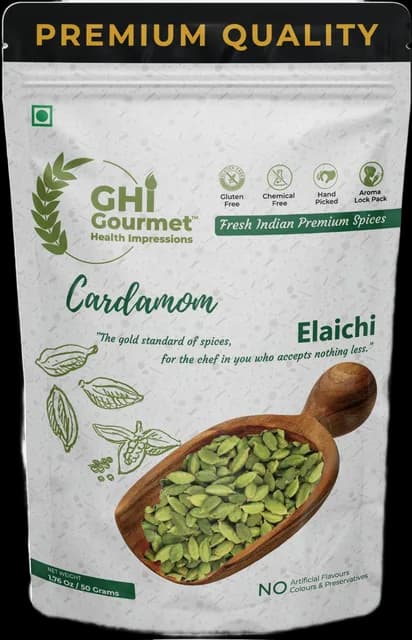
- Cardamom: plump, closed, evenly green pods with dark, sticky seeds. Bold pods such as a graded 8 mm whole green cardamom give more seeds and fragrance per pod.
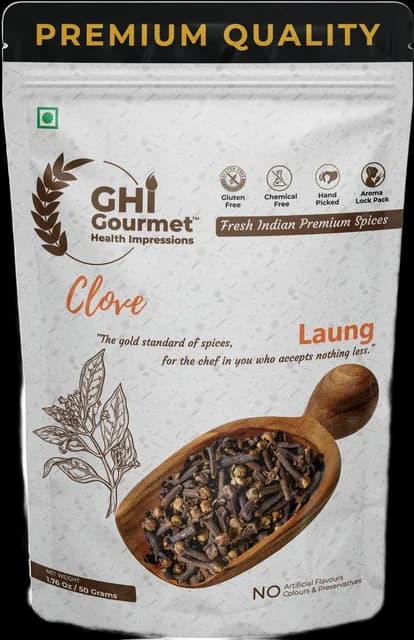
- Cloves: intact heads, a deep reddish-brown colour and a little oil when you press one with a fingernail. Good whole cloves smell strong the moment the pack is opened.
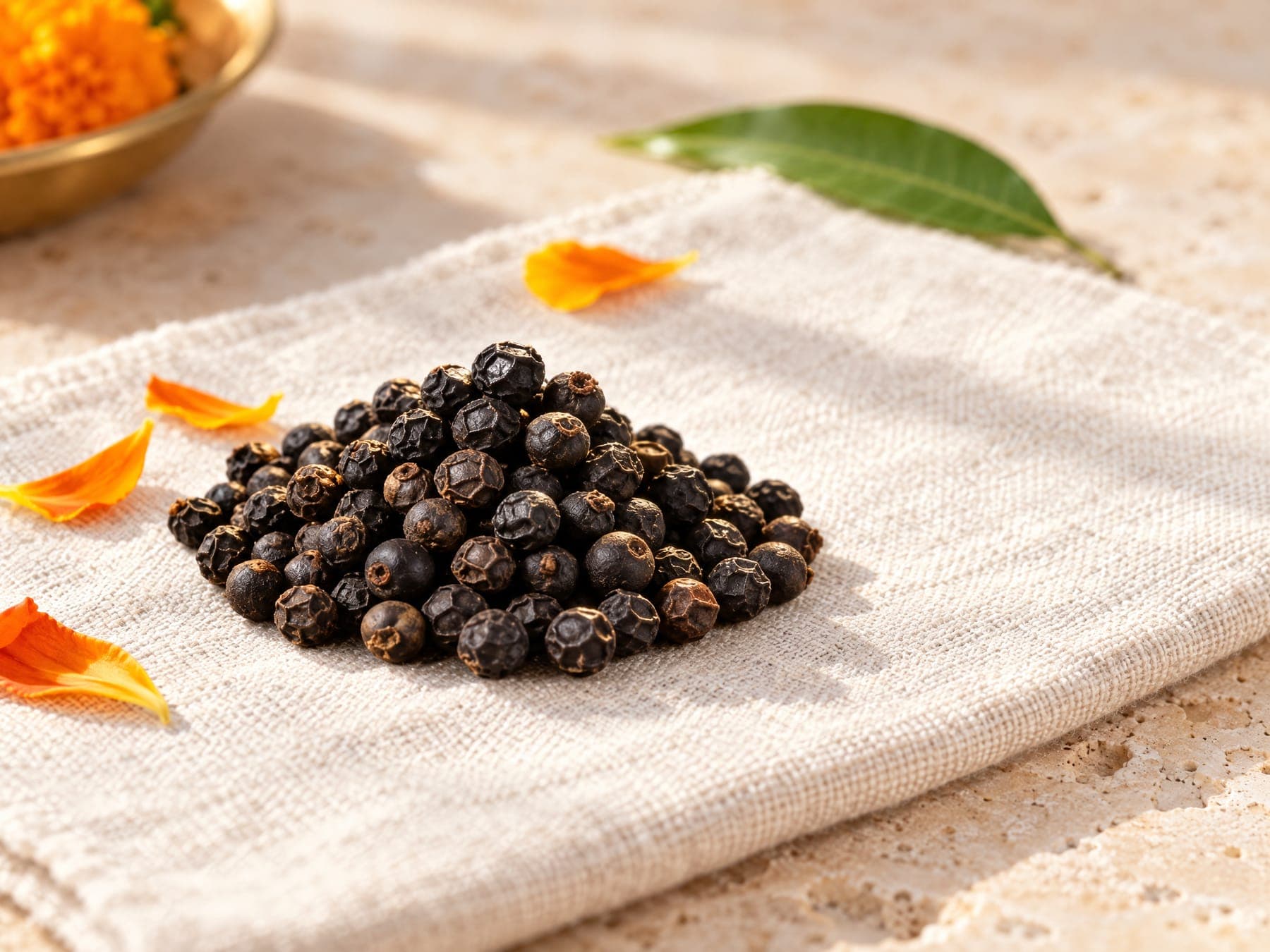
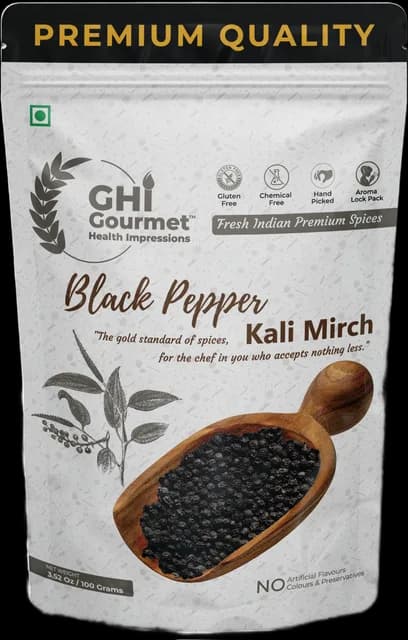
- Black pepper: dense, dark, evenly wrinkled berries that crack with a sharp aroma. Dusty, light or greyish berries are usually old. A clean, graded whole black pepper makes a noticeable difference to heat and aroma.
- Everything: no dust, stones or stalks, and a clear packing date. Spices handled under certified food safety systems, with no added colours or preservatives, are the safest starting point.
How long homemade garam masala keeps
Store the finished masala in a small, airtight glass jar, away from the stove, steam and sunlight. It is at its most fragrant in the first 4 weeks. It stays good for 2 to 3 months, after which it is still usable but noticeably flatter. That is why small batches, ground a few times a year, beat one large batch that sits in the cupboard.
The whole spices themselves last far longer. Kept in resealable packs or airtight jars, whole cardamom, cloves, pepper and cinnamon hold their aroma for many months, so it makes sense to stock whole and grind as you go.
Using it in your Diwali menu
For a curry or dal serving four, start with half a teaspoon to one teaspoon, stirred in during the last few minutes of cooking. Sprinkle a pinch over chole or rajma just before serving, and add a quarter teaspoon to potato fillings for kachori or samosa. For the mixed vegetable sabzi many families cook for Govardhan Puja and Annakut, a light hand keeps the vegetables tasting fresh.
Regional variations of garam masala
Once you have the balanced version down, try one of these regional styles. Each shows how the same idea shifts from kitchen to kitchen.
Punjabi garam masala
Robust and earthy, with generous coriander, cumin and black cardamom, and more black pepper. It suits chole, rajma, dal makhani and tandoori marinades.
Mughlai or Awadhi style
Softer and more perfumed, leaning on green cardamom, mace, nutmeg and sometimes dried rose petals or shahi jeera. It is added in small amounts to kormas, biryanis and rich white gravies.
Bengali garam masala
Often just three spices: green cardamom, cloves and cinnamon, ground in roughly equal amounts. It is sweet and fragrant, perfect for kosha mangsho, dalna and many festive vegetable dishes.
Maharashtrian goda masala
A darker, sweeter cousin that includes roasted coconut, sesame and dagad phool (stone flower) along with the usual warm spices. It is the soul of masale bhaat and amti.
Kashmiri style
Fennel and dried ginger feature strongly, alongside black cardamom and cinnamon, giving a warming, slightly sweet profile used in rogan josh and yakhni.
Frequently asked questions
What spices go into garam masala?
Most blends use coriander, cumin, black pepper, green and black cardamom, cloves, cinnamon and bay leaf, often with nutmeg and mace. Proportions vary by family and region.
Should I roast spices before grinding garam masala?
A gentle dry roast on low heat deepens the flavour and dries the spices so they grind finely and keep longer. Some households grind the spices raw, or simply sun-dry them, for a sharper blend, so both approaches are traditional.
How long does homemade garam masala last?
It is most aromatic for about a month and stays good for 2 to 3 months in an airtight jar kept away from heat and light. Whole spices last much longer, so grind small batches.
What is the difference between garam masala and curry powder?
Garam masala is an Indian warm spice blend, usually without turmeric or chilli, used mainly to finish dishes. Curry powder is a Western-style blend that typically includes turmeric and is cooked in from the start.
How much garam masala should I add to a curry?
For a dish serving four, half to one teaspoon added near the end of cooking is a good starting point. Taste, then add a pinch more if you want it warmer.
Whatever style you choose this Diwali, the best garam masala starts with whole spices that still smell vivid. GHI keeps its graded whole spices in resealable packs so they stay that way until you are ready to toast, and you can find the full range in our whole spices collection. Wishing you a bright and delicious Diwali.