23 October 2024
Diwali 2024 Spices: Mithai, Namkeen and Gift Box Ideas
Diwali 2024 is just over a week away, and in most homes the ladoo trays and namkeen dabbas are about to take over the kitchen. Behind every memorable plate of festive food are a handful of Diwali spices: cardamom in the mithai, black pepper in the mathri, clove and cinnamon in the background. This guide covers how much to use in popular sweets and snacks, and how to put together a spice gift box that people will actually use and remember.
The Spices That Define Diwali Flavours
Diwali cooking is a balance of sweet and savoury, and a small set of spices carries both sides. Knowing what each one does helps you use it with confidence.
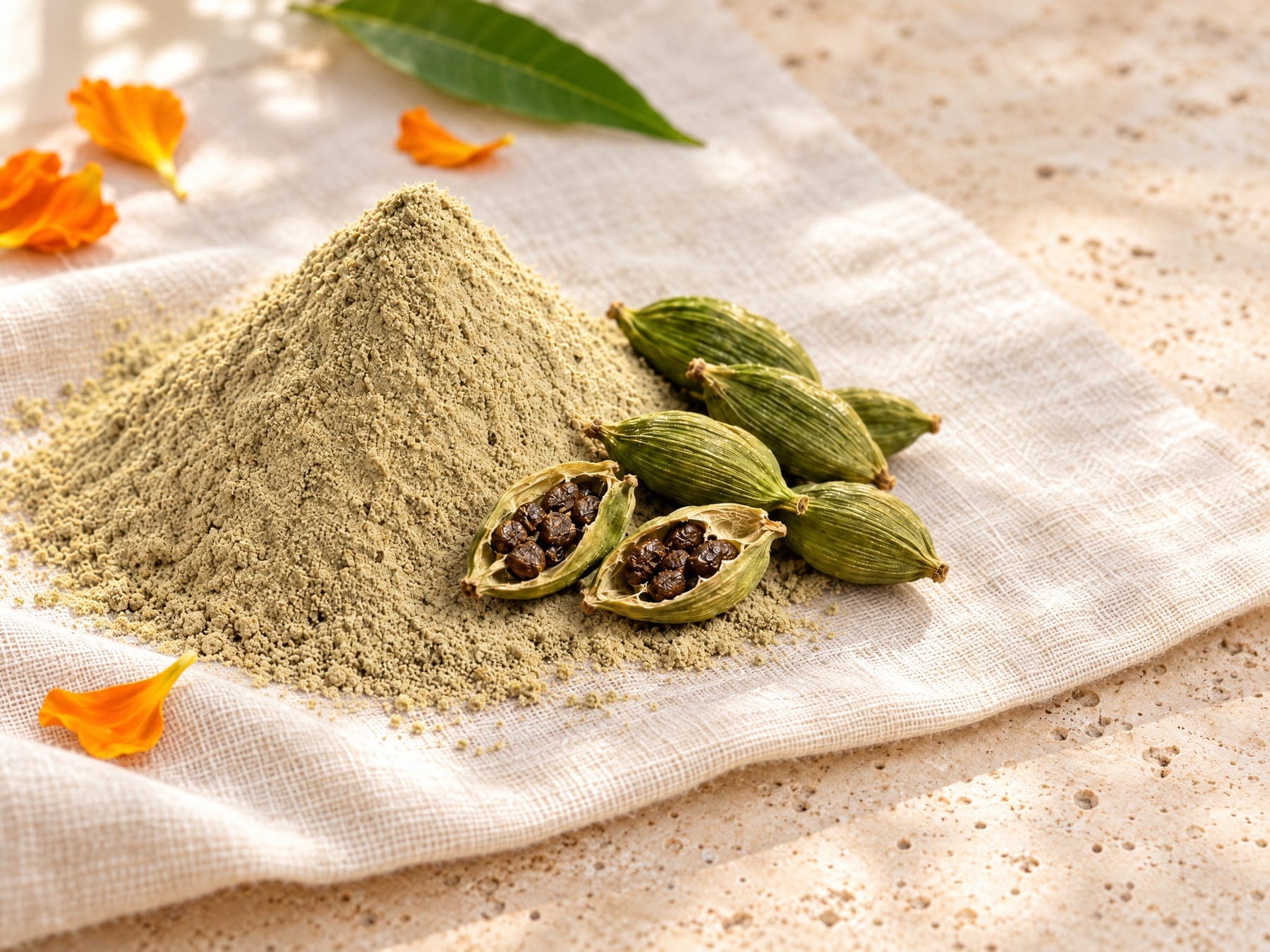
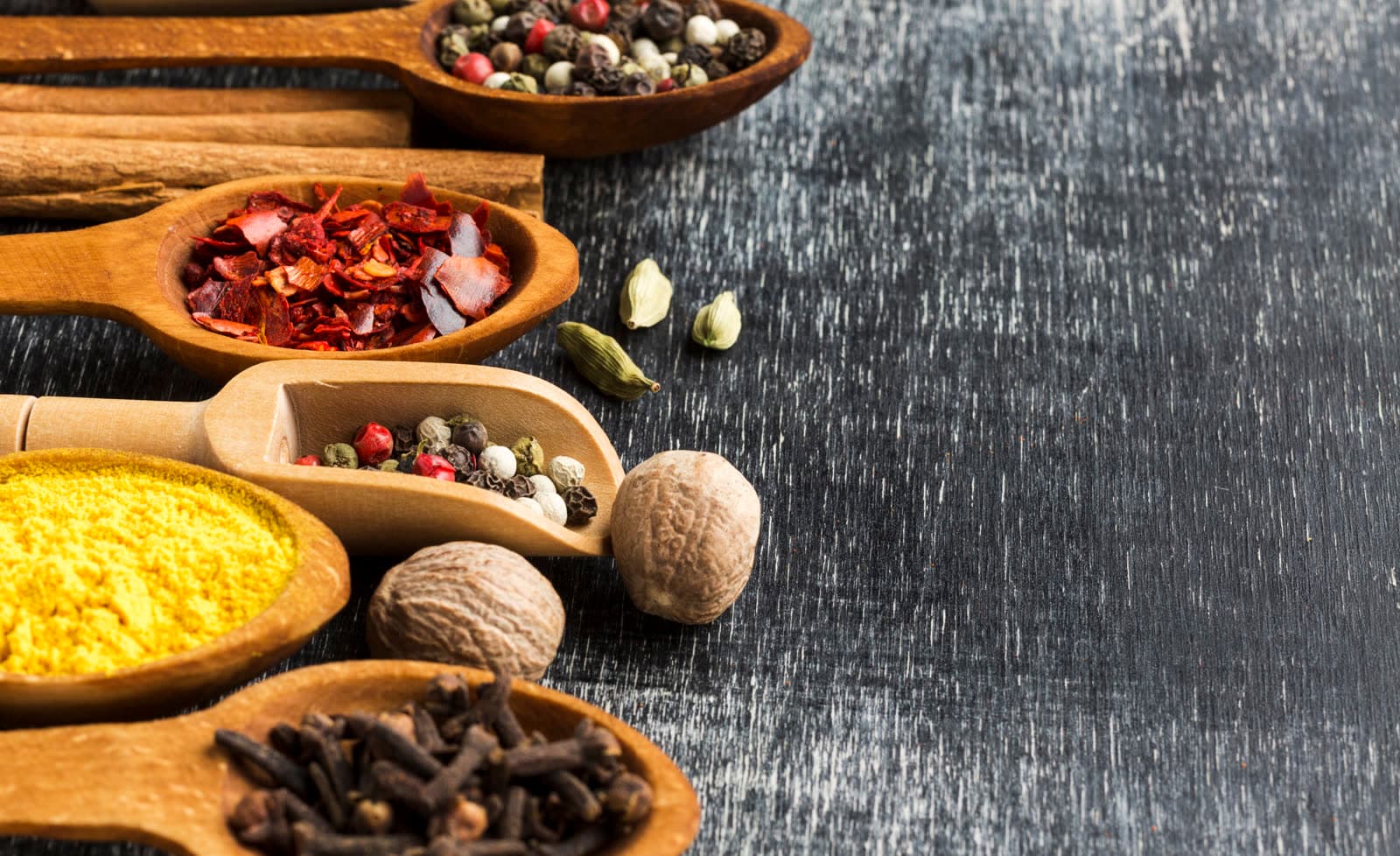
- Green cardamom: the classic mithai spice, floral and sweet, used in ladoo, barfi, halwa and sugar syrups.
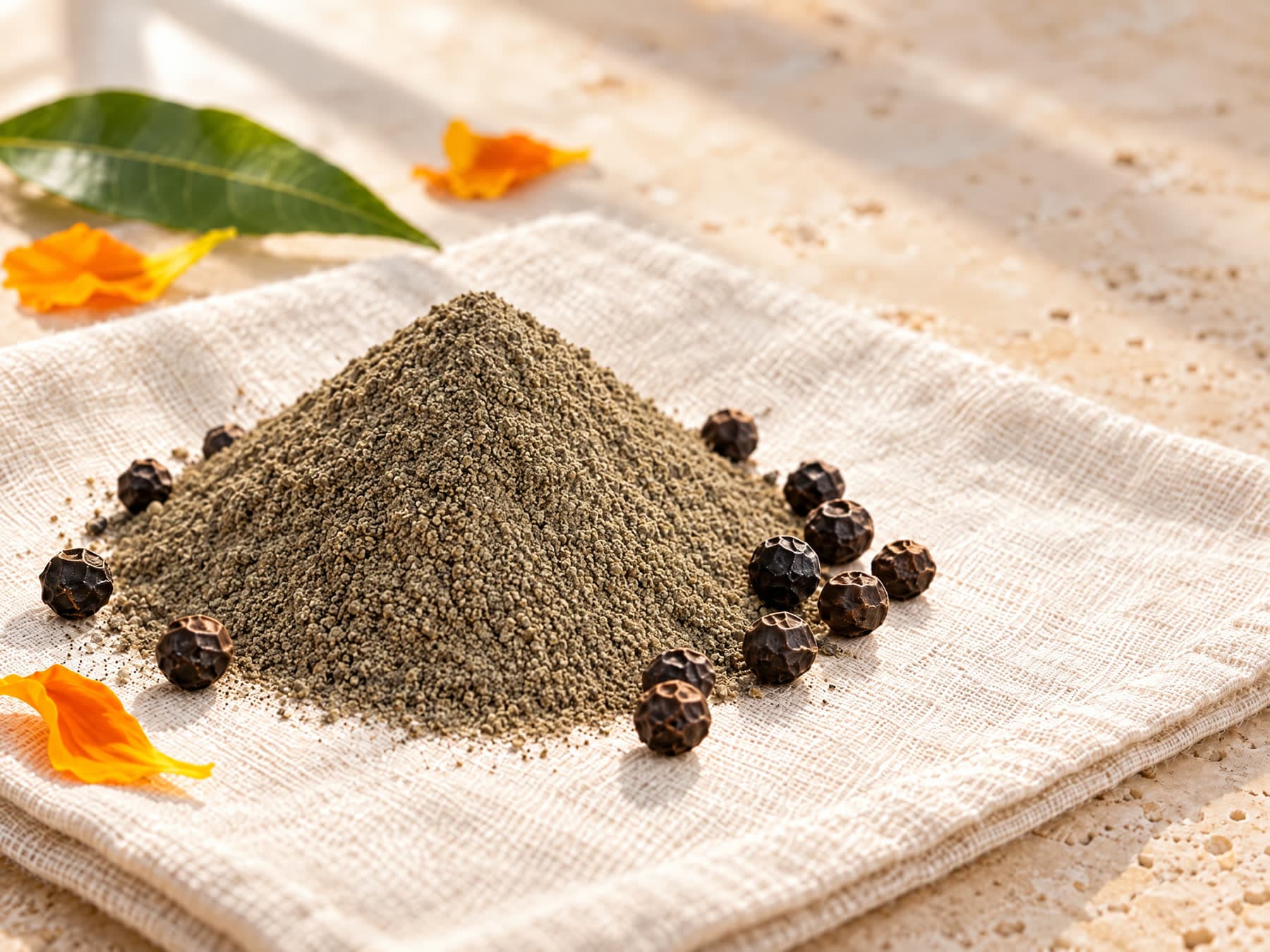
- Black pepper: the backbone of many savoury snacks, adding a warm bite to mathri, namak pare and roasted nuts.
- Clove: strong and warm, used in small amounts in festive rice dishes and famously pinned into lavang latika.
- Cinnamon: gentle and woody, lovely in dry fruit sweets and festive pulao.
Alongside these, ajwain, nutmeg, saffron and fennel play supporting roles. But if your spice shelf has good cardamom, pepper, clove and cinnamon, you can cook almost the entire Diwali menu.
Spices in Festive Mithai: How Much and When
In sweets, cardamom is almost always the lead, and the golden rule is to add it late, once the heat has done its work. Here are practical quantities for the sweets most homes make during Diwali week.
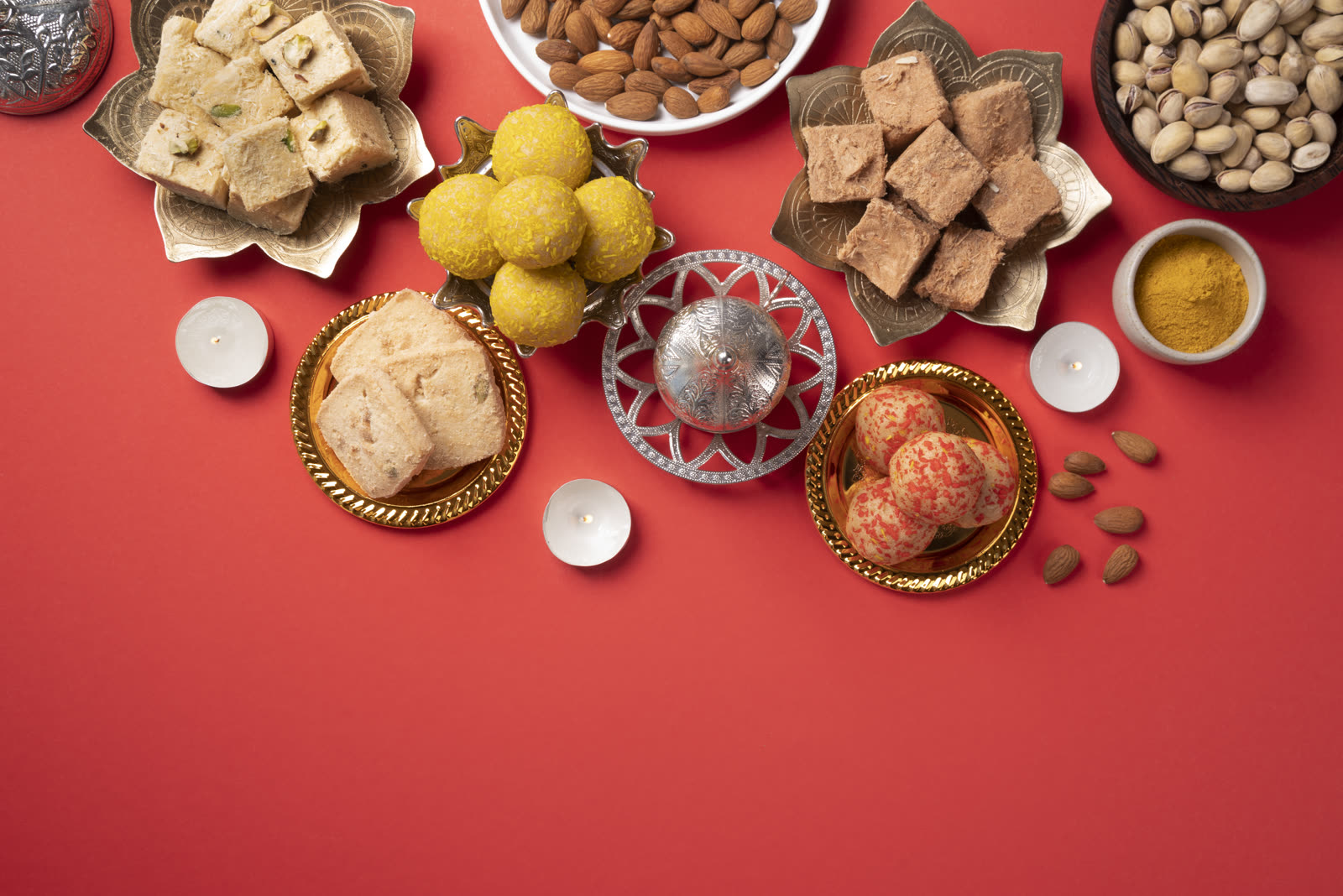
Besan ladoo
Roast 2 cups of besan in 3/4 cup of ghee on a low flame for 20 to 25 minutes, until nutty and golden. Let it cool until just warm, then mix in 1 cup of powdered sugar and 1/2 teaspoon of cardamom powder. Adding cardamom to hot, freshly roasted besan drives off much of its fragrance, so a short wait is worth it.
Gulab jamun and sugar syrups
For a syrup of 1.5 cups sugar and 1.5 cups water, add 4 to 5 lightly cracked cardamom pods while it simmers. Whole pods release their flavour steadily and the syrup stays clear. A few strands of saffron or a teaspoon of rose water can go in at the end.
Kaju katli and barfi
Many families keep kaju katli pure, letting cashew speak for itself. If you like a hint of spice, 1/4 teaspoon of cardamom powder for 250 g of cashews is plenty. Coconut and milk barfi can take a little more, about 1/2 teaspoon for a 500 g batch.
Clove and cinnamon in sweets
Lavang latika, a folded pastry sealed with a single clove and dipped in syrup, is the classic clove sweet. Each piece uses just one clove, which is exactly the right amount. For a warm twist, add a pinch of cinnamon to dry fruit ladoo made with dates, figs and nuts.
Spices in Diwali Namkeen and Savoury Snacks
After a few days of sweets, everyone reaches for something salty and crunchy. Black pepper is the quiet hero here, and crushing it yourself makes a clear difference: coarsely crushed peppercorns give little pops of heat, while fine powder spreads evenly through a dough.
| Snack | Batch | Spices | Tip |
|---|---|---|---|
| Mathri | 2 cups maida or atta | 1 tsp coarsely crushed black pepper, 1 tsp ajwain, 1 tbsp kasuri methi | Fry on a low flame for a flaky, even crunch |
| Namak pare | 2 cups maida | 1 tsp crushed black pepper, 1/2 tsp ajwain | Rub ajwain between palms before adding to release aroma |
| Masala cashews or makhana | 1 cup | 1/4 tsp black pepper powder, salt, 1 tsp ghee | Toss with pepper after roasting, while still warm |
| Festive poha chivda | 3 cups thin poha | A pinch of black pepper powder with turmeric and curry leaves | Add pepper at the end so it does not scorch |
For snacks where you want even seasoning with no visible specks, such as roasted makhana or a dusting over chivda, a fine black pepper powder spreads more evenly than crushed peppercorns. For mathri and namak pare, crush whole peppercorns in a mortar just before kneading.
Diwali Safai for Your Spice Shelf
Diwali cleaning usually stops at cupboards and fans, but the spice shelf deserves attention too. Festive cooking uses larger quantities than usual, and stale spices can quietly flatten an entire batch of sweets.
- Smell test everything: crush a pinch of each spice. If the aroma is faint, it is time to replace it.
- Check dates: ground spices lose aroma much faster than whole ones. Replace any opened powder that has been sitting for many months.
- Buy fresh, not too far ahead: stock up a week or two before cooking rather than months in advance.
- Prefer whole where possible: whole spices keep their essential oils locked in until you crush them.
- Look for grading and clean handling: uniformly sized, well-graded spices from certified brands, with no added colour or preservatives, give consistent results batch after batch.
- Seal tightly: move spices into airtight jars or keep them in resealable packs, away from the heat of the gas stove.
How to Build a Thoughtful Diwali Spice Gift Box
Dry fruit boxes and sweets are lovely, but a well-chosen spice gift box stands out, and it keeps giving long after the festival. The difference between a box that gets used and one that gets forgotten comes down to a few details.
What makes a good spice gift box
- Whole spices over powders: whole cardamom, clove and black pepper stay fragrant far longer, so the gift is still good in a few months.
- Sensible pack sizes: 50 g to 100 g packs get used while they are fresh, rather than going stale at the back of a cupboard.
- Resealable, well-sealed packs: they protect aroma and keep strong spices from scenting everything else in the box, including any sweets packed alongside.
- Clear labels: a best-before date, FSSAI licence number and recognised certifications show care and reassure the person receiving it.
- A balanced mix: combine a sweet spice, a warm spice and a savoury one so the box is useful across many dishes.
- A personal touch: a handwritten recipe card, such as your family's chai masala ratio, turns a gift into a memory.
Three spice gift box ideas
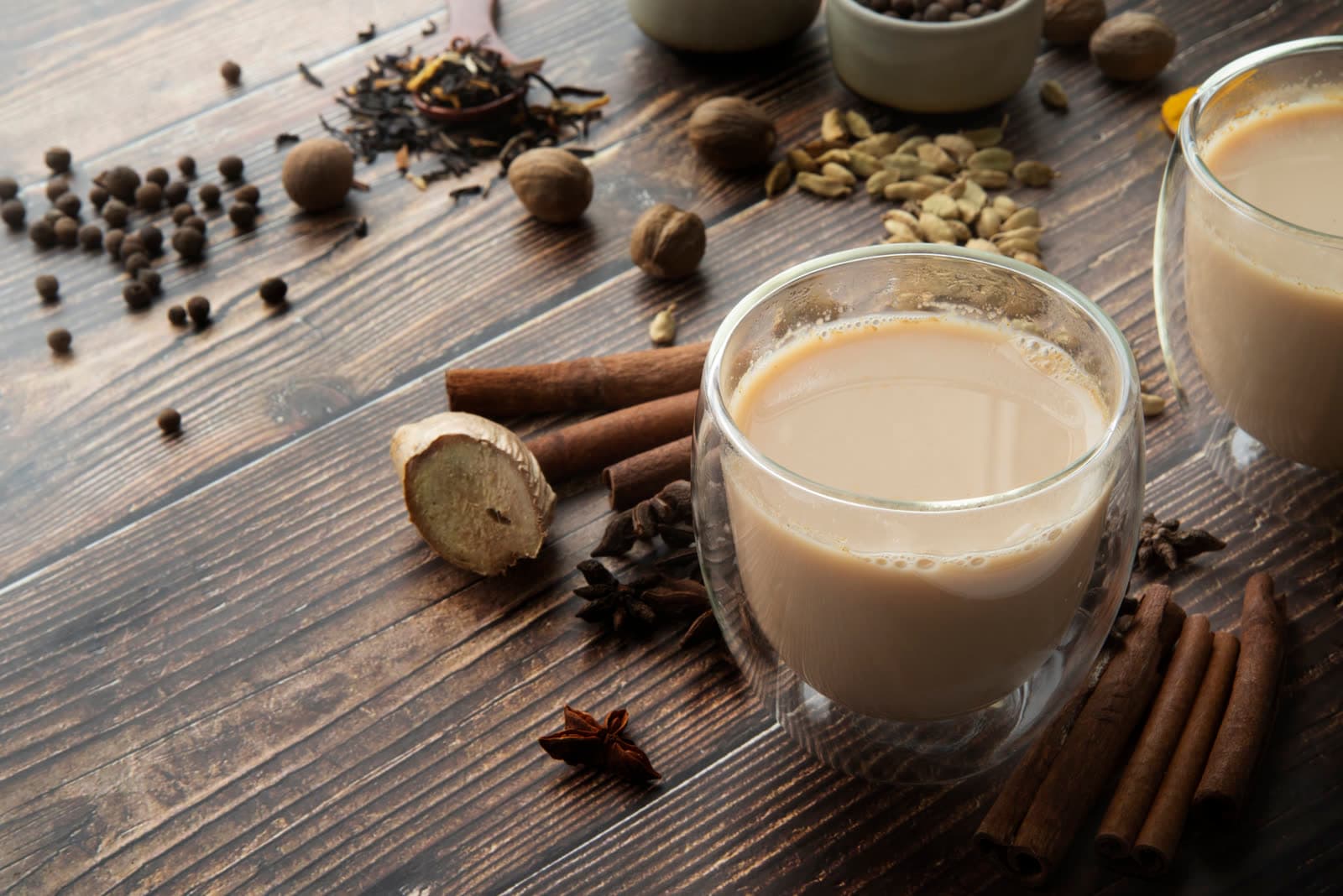
The chai lover's box: whole green cardamom, cloves, cinnamon and whole black pepper, with a card explaining your favourite masala chai ratio.
The home baker's box: cardamom powder and cinnamon powder, with a recipe for cardamom cookies or a cinnamon tea cake.
The everyday kitchen box: whole black pepper, cloves and cardamom, perhaps with a small pepper grinder. You can pick from a range of whole spices to build your own combination.
Frequently asked questions
Which spices are used in Diwali sweets?
Green cardamom is the most widely used spice in Diwali sweets, followed by saffron, nutmeg, clove and cinnamon. Cardamom goes into ladoo, barfi, halwa and sugar syrups, while clove is used in sweets like lavang latika.
How much cardamom should I add to besan ladoo?
Use about 1/2 teaspoon of cardamom powder for 2 cups of besan. Add it once the roasted besan has cooled to warm, along with the powdered sugar, so the aroma is not lost to the heat.
What should I put in a Diwali spice gift box?
A good Diwali spice gift box includes a mix of whole spices such as green cardamom, cloves, black pepper and cinnamon, in sealed, clearly labelled 50 g to 100 g packs, ideally with a simple recipe card.
How long do homemade Diwali snacks stay fresh?
Fried snacks like mathri and namak pare usually stay crisp for about two weeks in an airtight container, kept away from moisture. Let them cool completely before storing, otherwise trapped steam makes them soft.
Are whole spices better than ground spices for gifting?
Generally, yes. Whole spices hold their aroma much longer than ground spices, so they stay useful for months. If you do include powders, choose sealed, resealable packs and check that the best-before date is well into the new year.
Whether you are frying mathri at midnight or packing gift boxes for neighbours, fresh spices make the festival taste the way you remember it. At GHI, our graded whole and powdered spices come in resealable packs that suit a festive kitchen and a thoughtful gift alike. Wishing you a bright and happy Diwali.