16 February 2026
Hand-Selected vs Machine-Sorted Spices: What Changes
Hand-selected spices and machine-sorted spices can look almost identical in a product photo, yet they often behave very differently in the pan. What separates them is everything that happens after harvest: how carefully stones, stalks, split pods and dust are removed, and how strictly the spice is graded by size and quality. Once you understand what cleaning and grading actually do, you can judge a well-prepared spice in a matter of seconds.
From harvest to kitchen: where cleaning and grading fit in
Most whole spices follow a similar path. They are harvested, dried, often in the sun or in dryers, and then cleaned, sorted, graded and packed. Drying brings the moisture down so the spice keeps well. Cleaning and grading decide what quality actually reaches your kitchen.
Cleaning is about removing what should not be there at all: soil, grit, stones, stalks and foreign matter. Grading is about sorting what remains into consistent lots by size, density, colour and condition. A spice can be clean but ungraded, which means it is safe to use but uneven in the pan. The best spices are both clean and carefully graded.
This work can be done by machines, by trained hands or, most commonly for premium spices, by a combination of the two.
What cleaning and grading remove from whole spices
If you have ever found a tiny stone in a packet of pepper, or a tangle of stalks at the bottom of a bag of cloves, you have seen what poor cleaning leaves behind. Here is what careful processing is meant to take out.
- Stones, grit and soil: picked up during drying, especially when spices are spread out on open ground. They can damage teeth and grinders, and they add weight without adding any flavour.
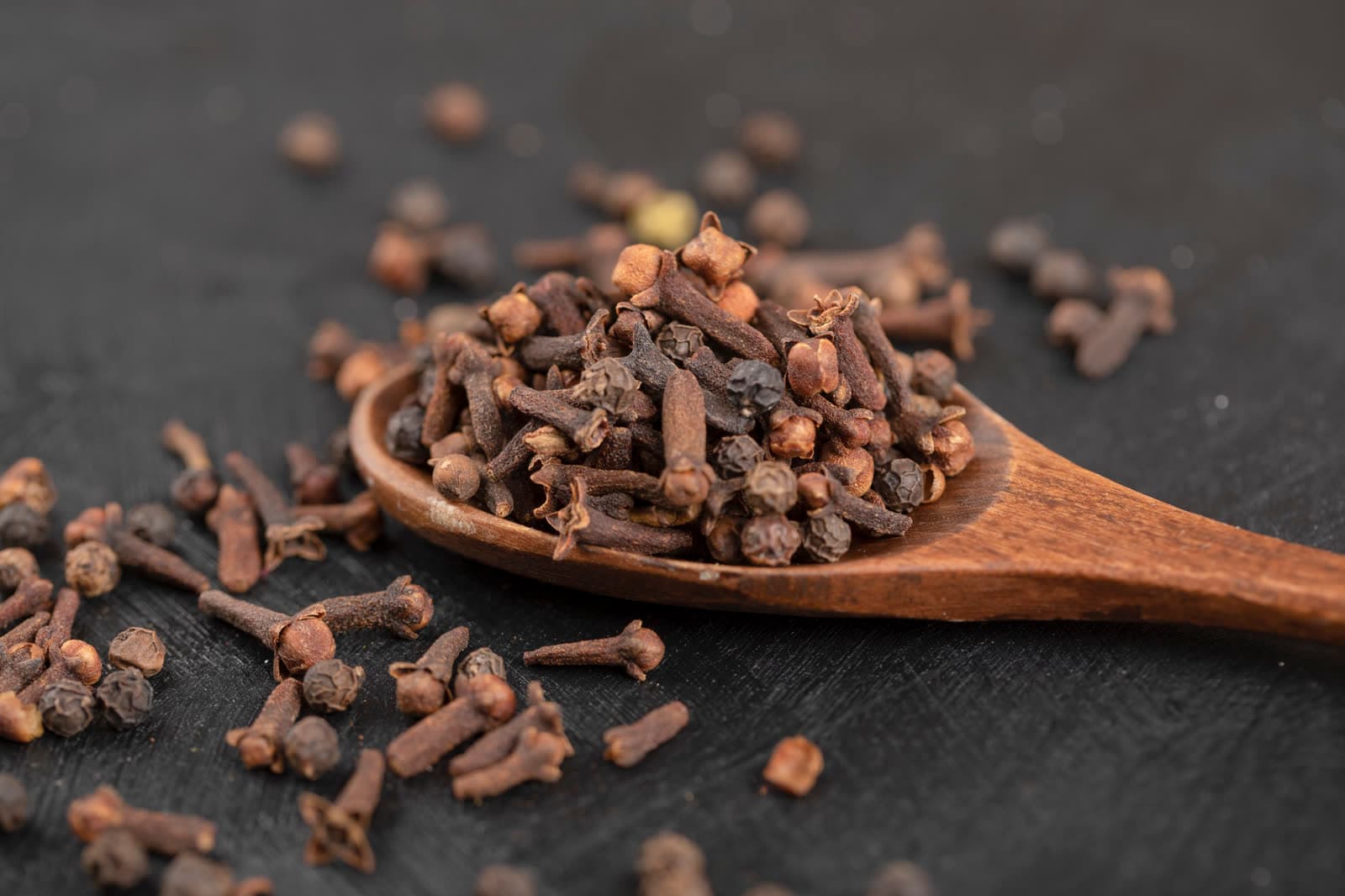
- Stalks and stems: common in cloves and cardamom. Clove stems taste harsher and woodier than the buds, and cardamom stalks simply add bulk.
- Immature or shrivelled pods: cardamom picked too early dries into thin, pale, wrinkled pods with few, underdeveloped seeds and a weak aroma.
- Split or open pods: once a cardamom pod splits, the seeds are exposed to air and their essential oils begin to fade sooner.
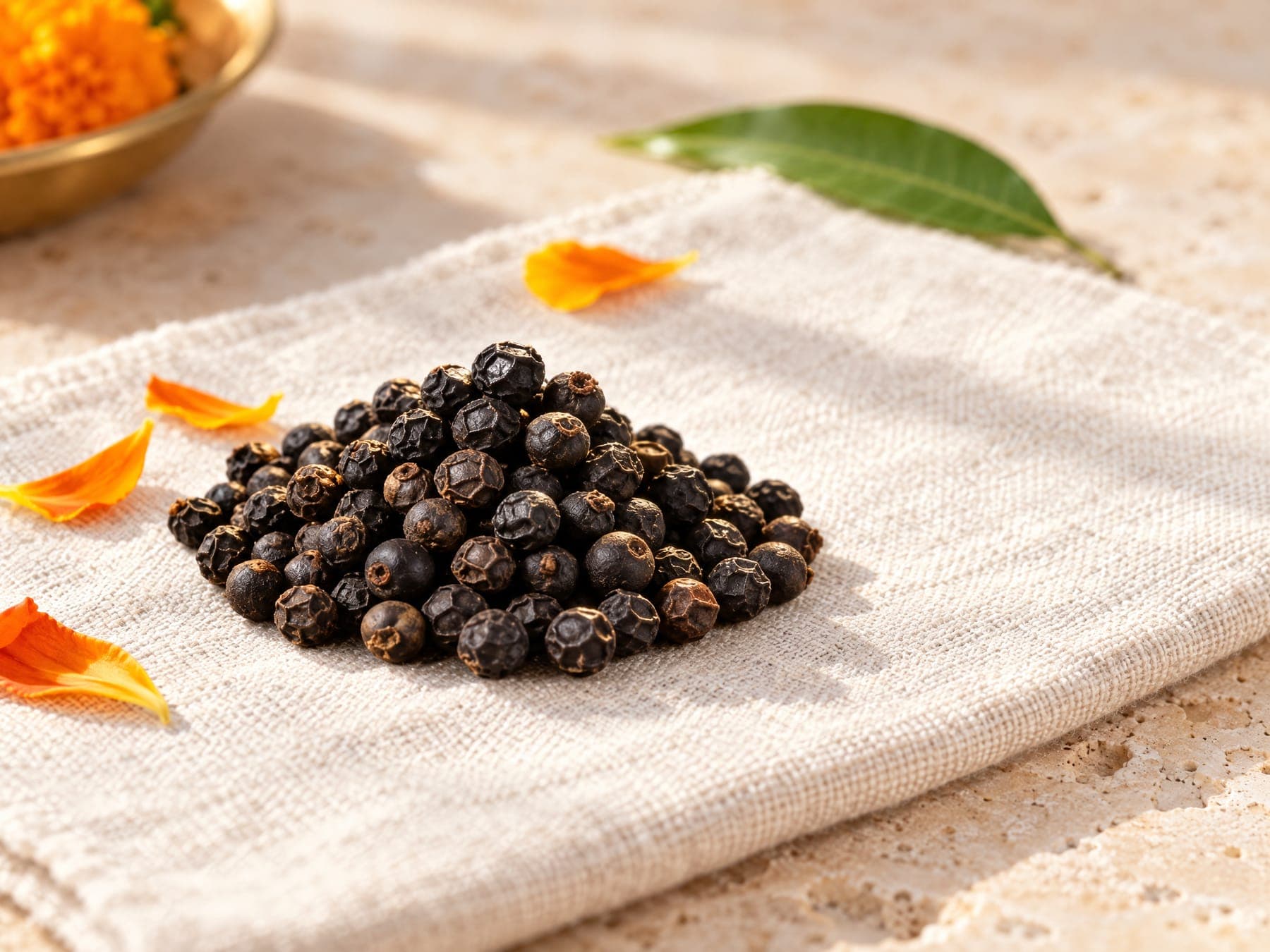
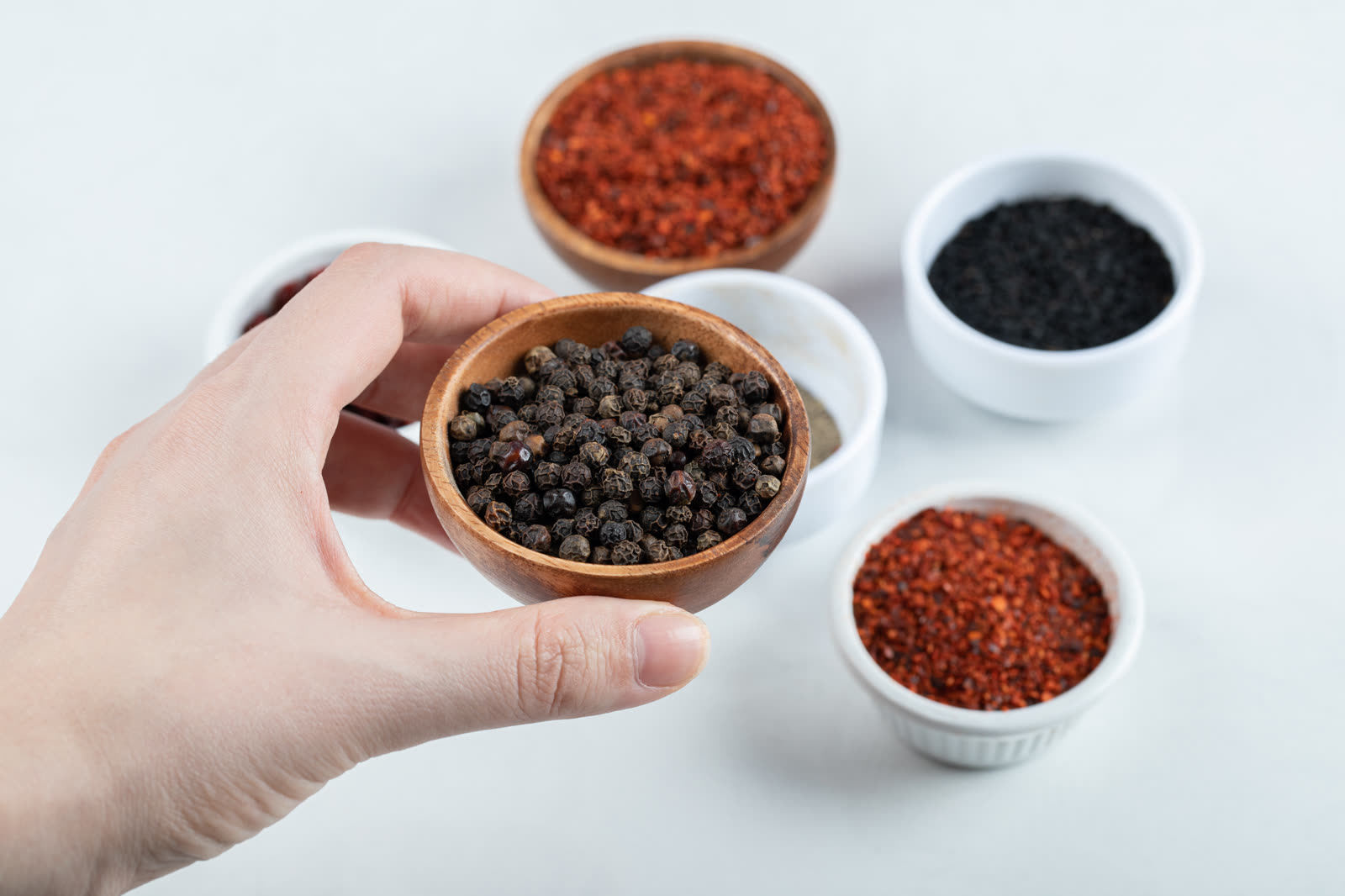
- Light and hollow berries: in black pepper, very light berries, sometimes called pinheads, carry little pungency or aroma.
- Dust, fines and broken pieces: these settle at the bottom of a pack, burn quickly in hot oil and make measuring unpredictable.
- Discoloured or damaged pieces: usually a sign of poor drying or storage, and something no kitchen should have to deal with.
How machine sorting works, and where it falls short
Modern spice processing commonly uses a series of machines, each designed to remove a particular kind of defect. Across the industry, the usual tools include:
- Vibrating sieves and screens that separate spices by size and let dust and small fragments fall through.
- Air separators that blow away light material such as husk, dust and hollow berries.
- Destoners that use differences in weight and density to separate stones from the spice.
- Magnets that catch stray bits of metal.
- Optical colour sorters that use cameras and small jets of air to reject pieces of the wrong colour.
Machines are fast, tireless and very good at consistent sizing, and they handle much of the heavy cleaning well. But they judge only what they can measure. A sieve cannot tell a plump pod from a hollow one of the same width, and a colour sorter may pass a pod that is perfectly green but split along its seam. Subtle defects that a trained eye catches at a glance can slip through.
Why hand-selected spices still matter
Hand selection means trained people inspect the spice, usually after machine cleaning, and pick out whatever does not meet the grade. They look at colour, shape, fullness and whether each pod or berry is intact, and they can feel the difference between a firm, well-filled pod and a light one.
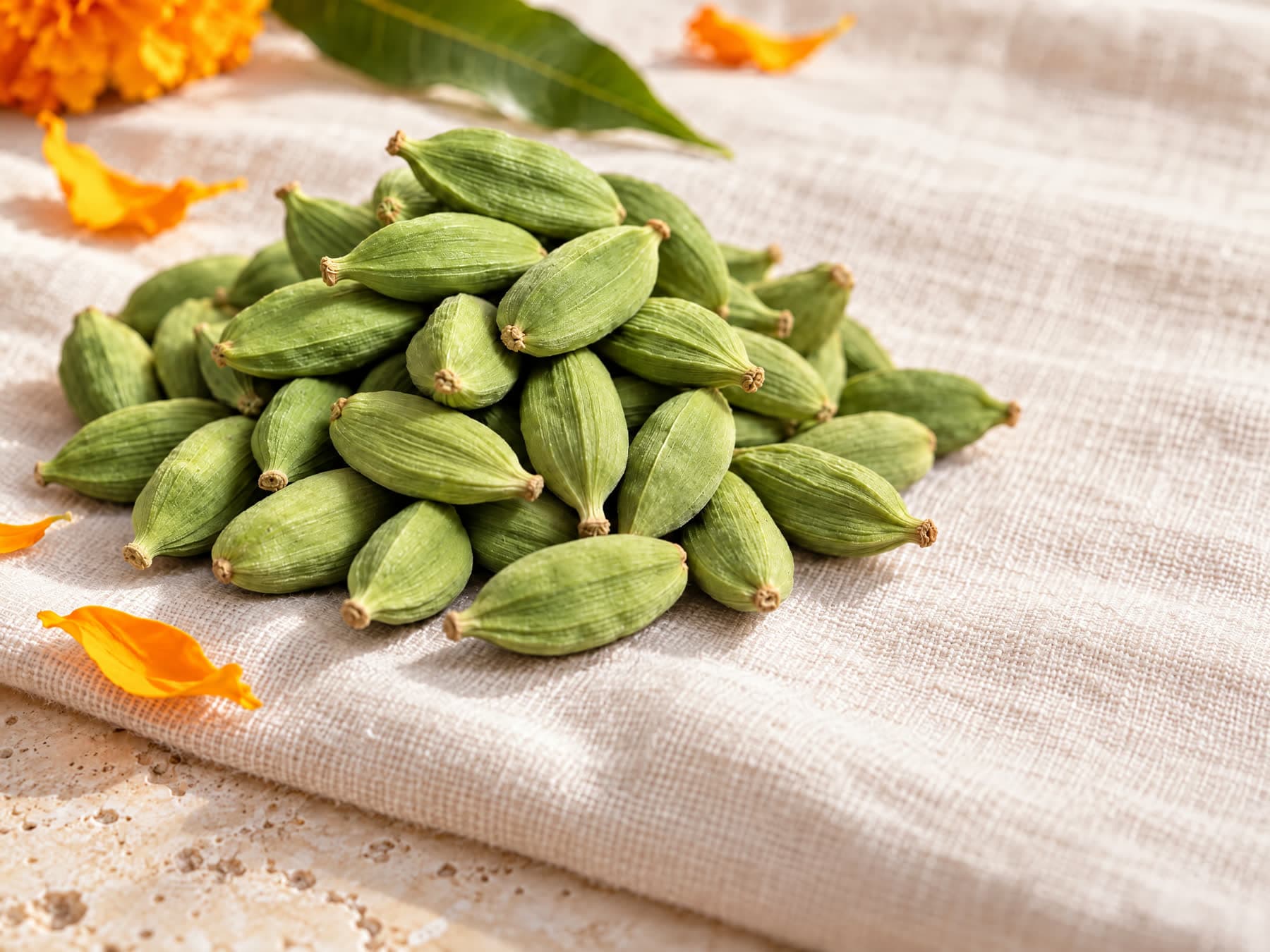
This extra step matters most for spices where every individual piece counts. In a pot of biryani you might use only four or five cardamom pods, so if two of them are immature or split, you lose a large part of the flavour. That is why premium cardamom is often hand-selected. A lot of uniform, bold, fully closed pods, such as 8 mm whole green cardamom, gives you predictable aroma from every pod you use.
| Aspect | Machine sorting | Hand selection |
|---|---|---|
| Speed and volume | Very high | Slow and labour-intensive |
| Size consistency | Excellent | Good, guided by eye |
| Stones and dust | Removes most | Catches what remains |
| Split or hollow pods | Can miss some | Picks them out |
| Judging quality | Size, weight and colour | Colour, shape, fullness and feel |
In practice the two are partners rather than rivals. The most reliable spices are usually cleaned by machine first and then finished by hand, combining the consistency of one with the judgement of the other.
Why uniform size matters for even cooking and aroma
Grading by size is not just about good looks. It changes how a spice behaves in your kitchen.
Even cooking in tadka and roasting
When you drop whole spices into hot ghee, small pieces and broken bits heat through much faster than full-sized ones. In a mixed, ungraded lot, the fragments can scorch and turn bitter while the larger pieces are still releasing their aroma. Uniform peppercorns or cloves bloom together, so you can judge the moment perfectly.
Predictable flavour when you measure
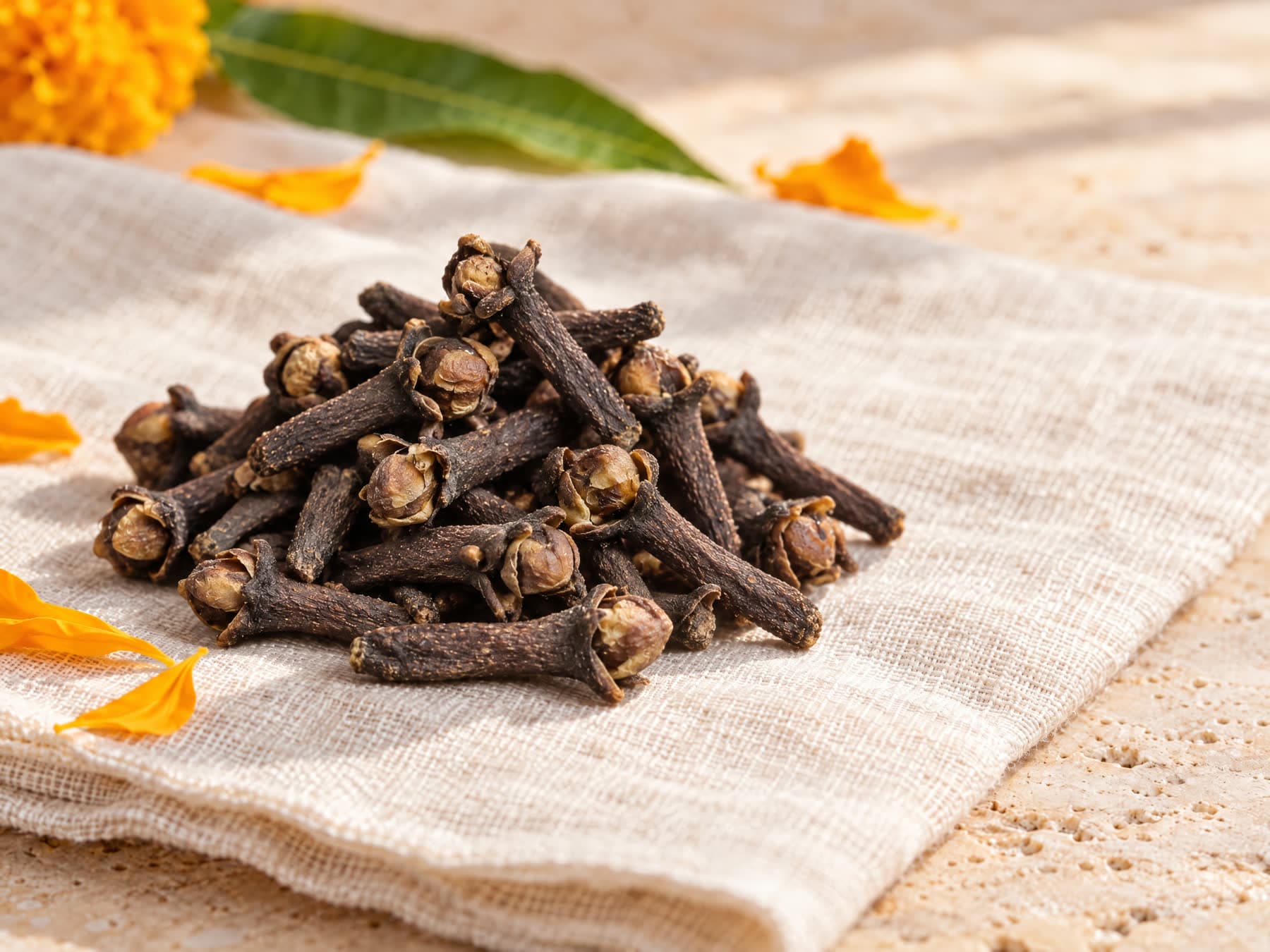
Recipes often count spices: four cloves, six peppercorns, three cardamom pods. That only works if the pieces are similar. A clove with a full, intact head carries far more flavour than a headless stem, and a bold, well-filled cardamom pod holds more seeds than a small, thin one.
Aroma that lasts longer
Intact, mature spices keep their essential oils inside a natural protective shell. Split pods, cracked berries and dust have more exposed surface, so their aroma fades faster in storage. A well-graded lot, in other words, also stays fresh for longer.
What a careful spice buyer looks for
You do not need a laboratory to judge a whole spice. A few minutes of attention at home will tell you a great deal.
- Tip a spoonful onto a white plate. Look for stones, stalks, husk and dust. A good lot should look almost entirely like the spice itself.
- Check uniformity. Pods, berries and buds should be similar in size and colour.
- Look at the bottom of the pack. A little powder is normal. A thick layer of dust and broken pieces is not.
- Press and smell. Crush a cardamom pod or a peppercorn; the aroma should be immediate and strong. A clove pressed with a fingernail should release a little oil.
- Check that pieces are intact. Cardamom pods should be closed, cloves should have their round heads, and peppercorns should feel firm and heavy rather than light and hollow.
- Read the label. Registrations and certifications such as FSSAI and ISO 22000 tell you the spice was handled under recognised food safety systems, and a resealable pack helps it stay as good as it was on the first day.
The same checks apply whether you are buying whole black pepper or whole cloves. For a closer look at pepper itself, our piece on the essence of black pepper makes a good companion read.
Frequently asked questions
What does hand-selected mean on a spice pack?
It generally means trained people have inspected the spice and removed pieces that do not meet the grade, such as split, immature or discoloured pods. It is usually a finishing step after machine cleaning.
Are machine-sorted spices bad?
Not at all. Machine cleaning removes stones, dust and metal efficiently and gives very consistent sizing. The difference lies in the finishing, where hand selection catches subtle defects that machines can miss.
Why are some cardamom pods pale and thin?
Pale, thin, wrinkled pods are often immature, picked before the seeds developed fully. They tend to have fewer seeds and a weaker aroma, which is why careful grading removes them.
How can I tell if black pepper has been cleaned properly?
Spread some on a white plate and look for stones, stalks and very light, hollow berries. Well-cleaned pepper looks uniform, feels heavy for its size and smells sharp and fresh when cracked.
Does the size of a spice really affect flavour?
Size alone is not flavour, but uniform, mature spices cook evenly and hold their essential oils better. Broken pieces and dust burn faster in hot oil and lose their aroma sooner in storage.
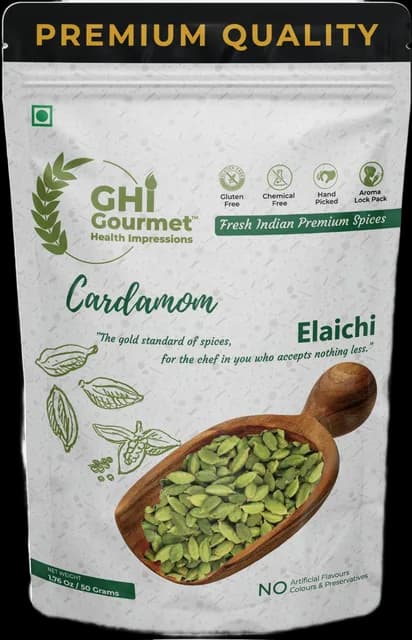
Good spices are made as much in the sorting as in the growing. At GHI, our graded whole spices, including hand-selected 8 mm green cardamom, come in resealable packs, so the care that goes into selection carries all the way to your kitchen.