28 January 2026
Millet Recipes with Black Pepper, Cardamom and Clove
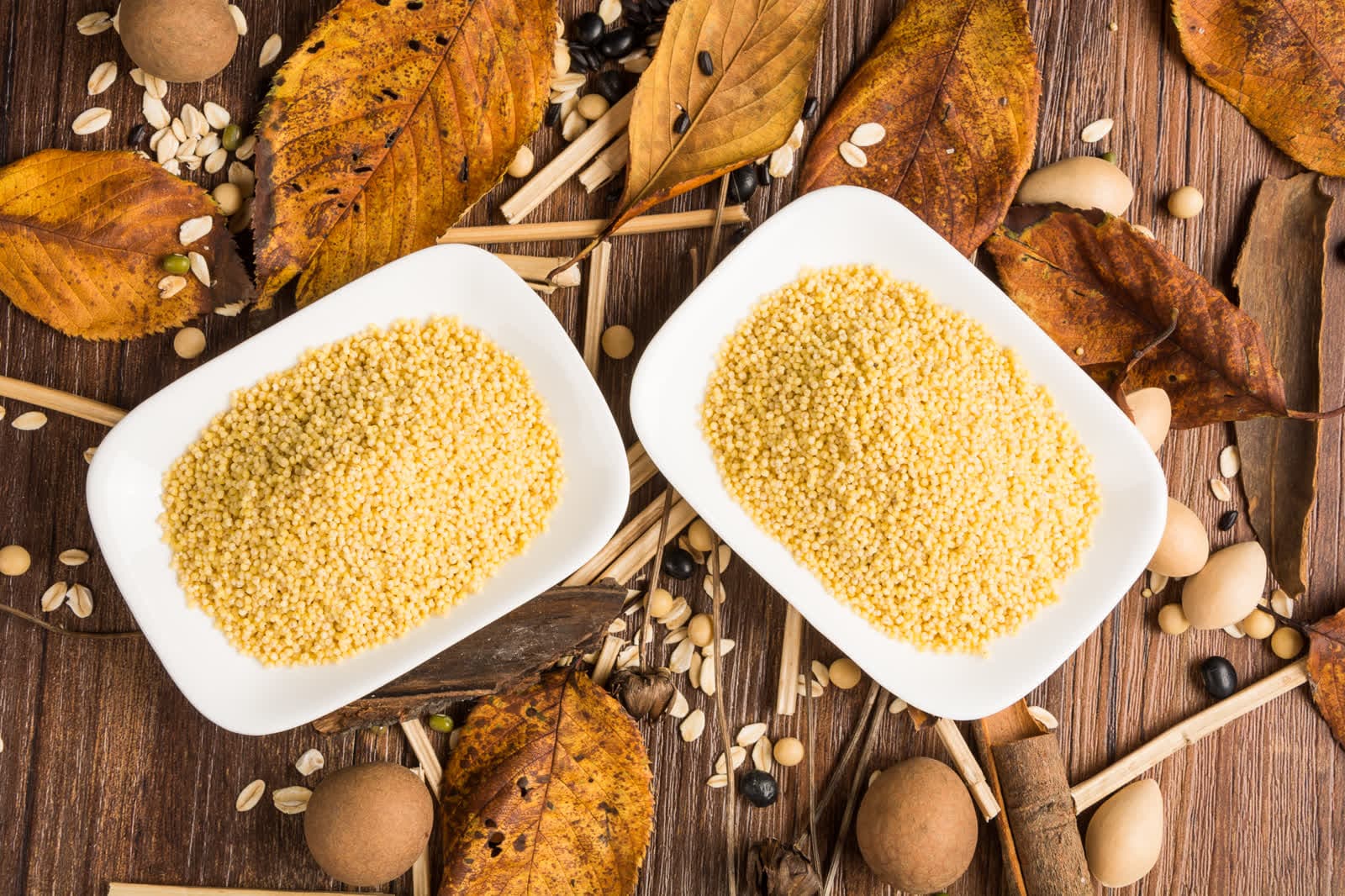
Millet recipes have quietly moved from grandmother's kitchen back onto everyday Indian plates, and in the chill of late January they feel especially right: warm, filling and easy on the pocket. The secret to making bajra, ragi, jowar and foxtail millet taste as good as they are wholesome is simple: good whole spices. A few crushed peppercorns, a cardamom pod or two and a single clove can turn a plain millet dish into something the whole family asks for again.
Why millets are back in everyday Indian cooking
For generations, millets were daily staples across much of India. Think of bajra rotis in a Rajasthani winter, ragi mudde in Karnataka and jowar bhakri in Maharashtra. Now, after years of polished rice and refined wheat, home cooks are rediscovering millets for their earthy flavour, satisfying texture and the variety they bring to a rice-and-roti routine.
The catch is that millets have strong personalities. Bajra is nutty and slightly bitter, ragi is earthy and malty, jowar is mild and a little sweet, and foxtail millet cooks up light and fluffy like broken rice. Each of them welcomes spice, and the right spice is the difference between "healthy food" and food people genuinely enjoy.
A quick guide to four common millets
| Millet | Flavour | Best spice partners | Preparation |
|---|---|---|---|
| Bajra (pearl millet) | Nutty, robust | Black pepper, clove | Soak whole grain 6 to 8 hours |
| Ragi (finger millet) | Earthy, malty | Cardamom, black pepper | Flour needs no soaking |
| Jowar (sorghum) | Mild, slightly sweet | Black pepper, cardamom | Dry roast the rava before cooking |
| Foxtail millet (kangni) | Light, rice-like | Clove, black pepper | Rinse well, soak 30 minutes |
Choosing spices that stand up to millets
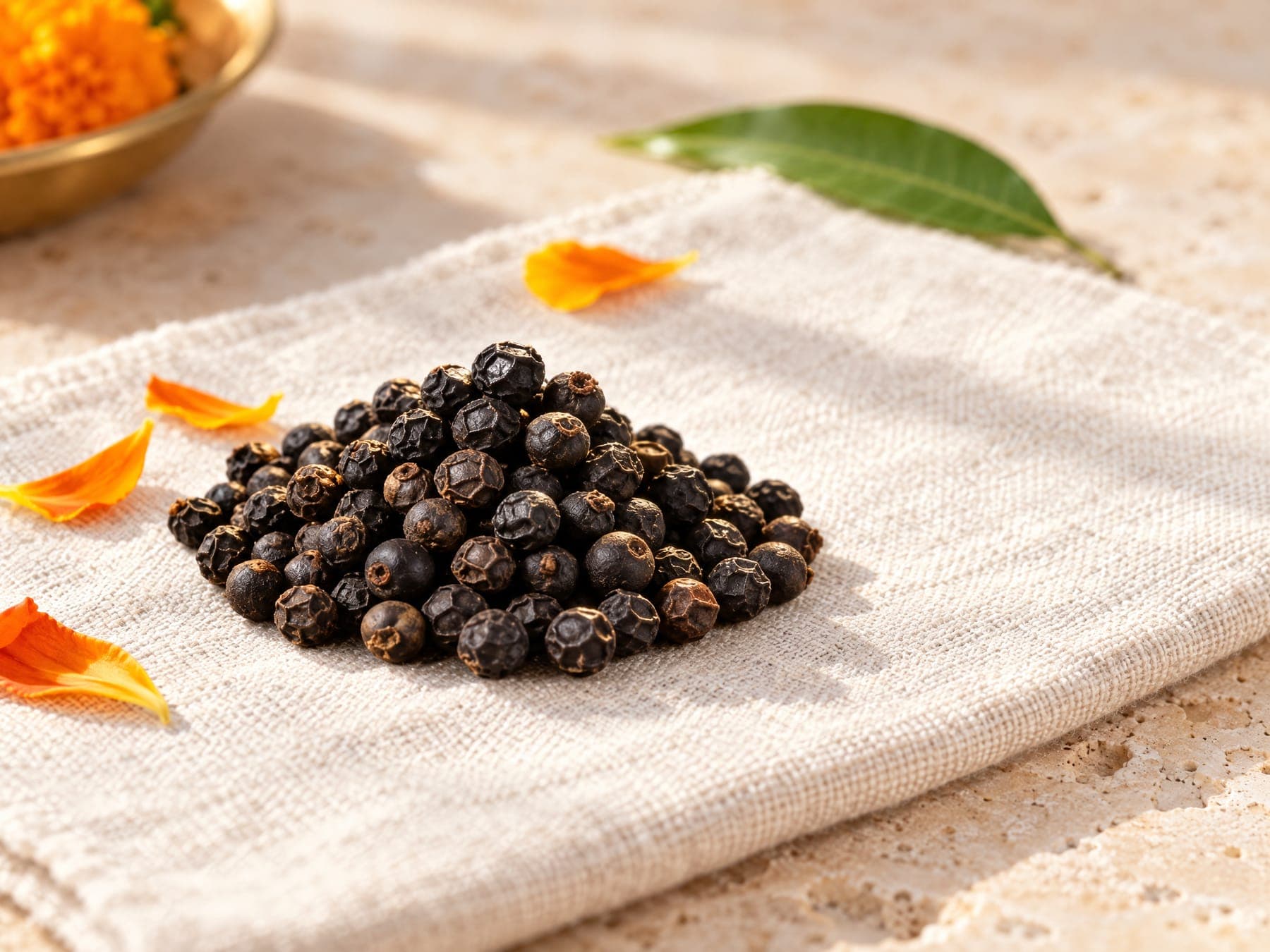
Because millets are earthy and assertive, weak or stale spices simply disappear into them. A pinch of dull pre-ground pepper that has been sitting open for months adds heat but very little aroma. Freshly crushed whole peppercorns, on the other hand, bring a bright, piney fragrance that cuts through the heaviness of bajra beautifully.
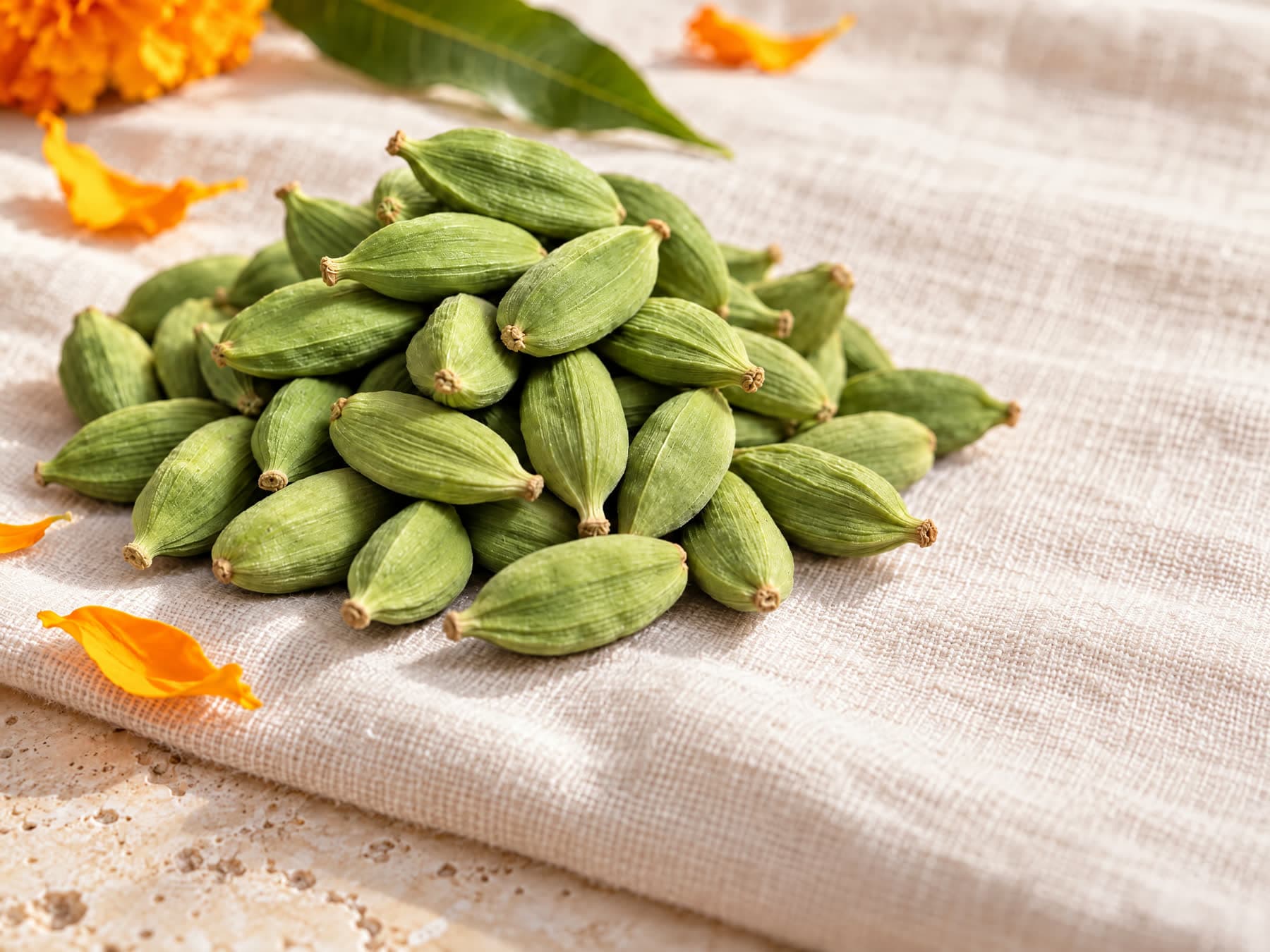
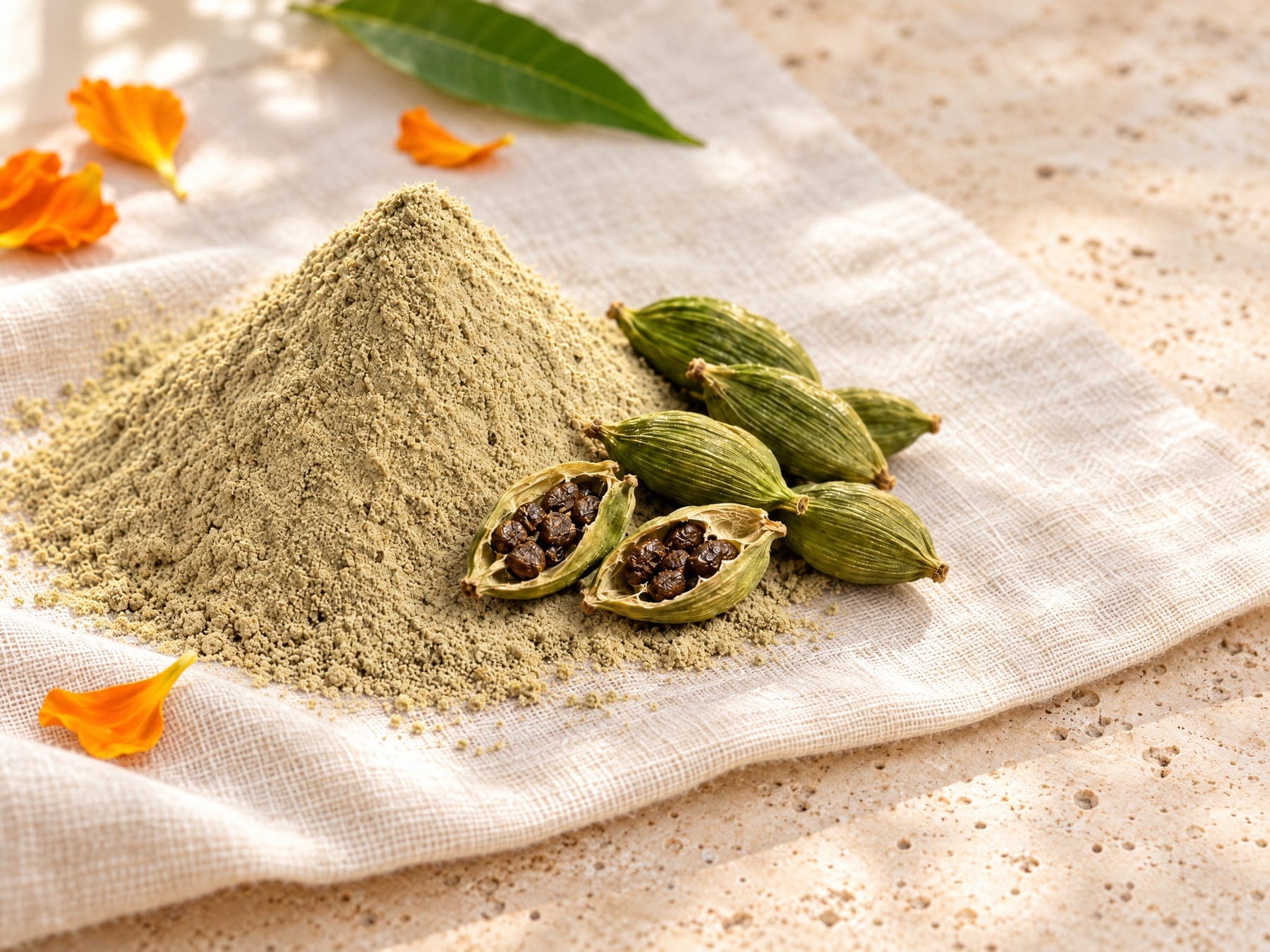
The same is true of cardamom. Its sweet, floral note comes from essential oils held inside the seeds, and those oils fade once the pod is cracked or the seeds are powdered and left exposed. For millet porridges and malts, where cardamom is the main flavour, crushing a fresh pod just before cooking gives a far rounder taste than a spoon of old powder. Plump, evenly sized whole green cardamom pods with a deep green colour are the ones to look for.
- Black pepper: crush just before use, and choose bold, even-sized, clean peppercorns.
- Green cardamom: pods should feel full rather than hollow and smell sweet when pressed.
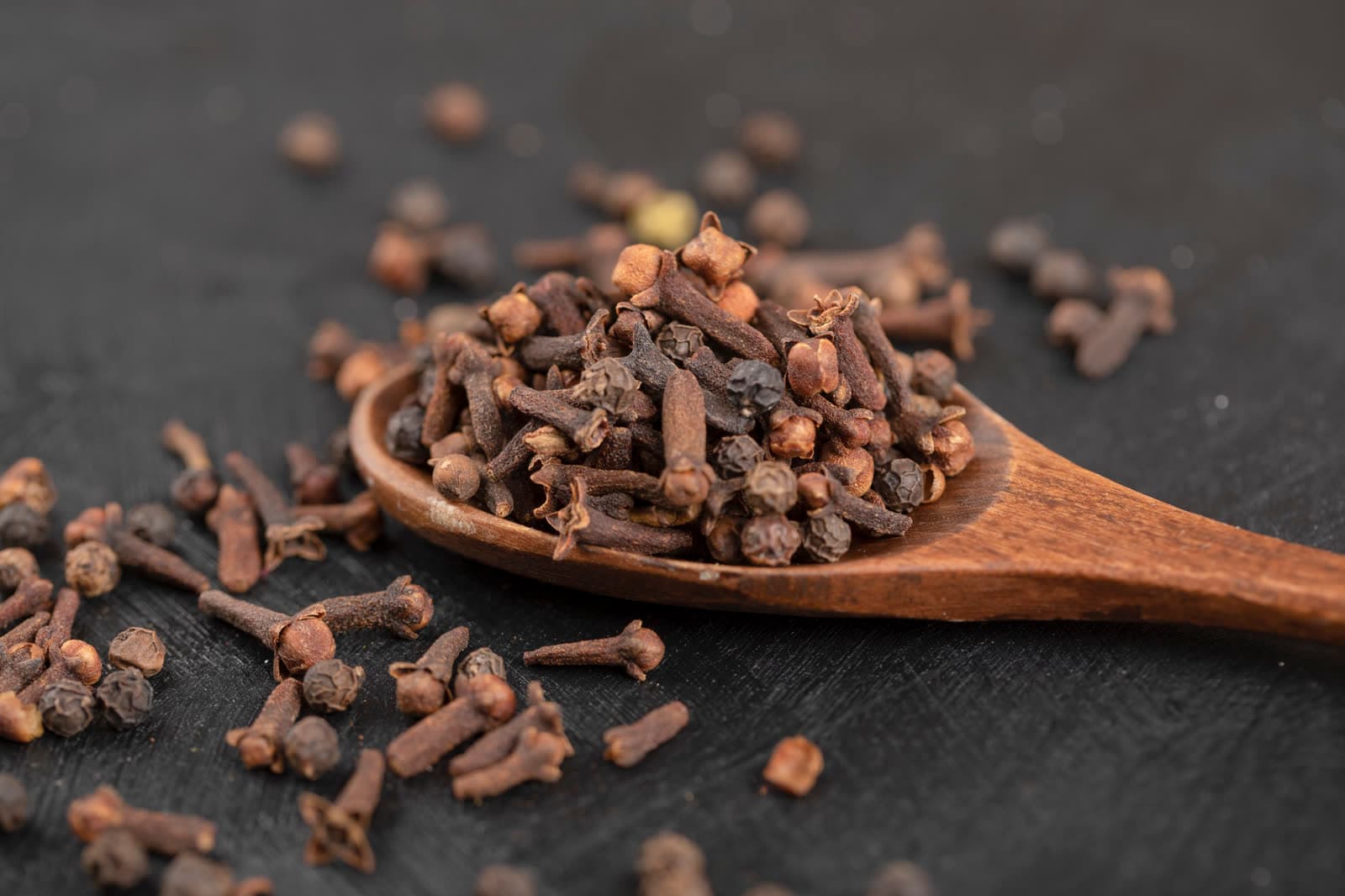
- Clove: look for whole cloves with intact round heads. A good clove releases a little oil when pressed with a fingernail.
Clove is the most intense of the three, so one or two is usually enough for a pot serving four. It works especially well in savoury millet dishes cooked with ghee, where its warmth ties the whole dish together.
Pepper ragi dosa: crisp, earthy and quick
Ragi dosa is one of the easiest ways to bring millets to the breakfast table, and it needs no fermentation. Black pepper gives it a lively kick that balances the earthiness of the flour.
Ingredients (makes 8 to 10 dosas)
- 1 cup ragi flour
- 1/4 cup rice flour
- 2 tablespoons fine semolina (rava)
- 1/2 cup thick curd, whisked
- 1 small onion and 1 green chilli, finely chopped
- A few curry leaves, torn
- 3/4 teaspoon freshly crushed black pepper
- Salt to taste and about 2 cups water
Method
- Mix the flours, semolina, curd and salt. Add water gradually to make a thin, pourable batter, thinner than regular dosa batter.
- Stir in the onion, chilli, curry leaves and crushed pepper. Rest for 15 minutes.
- Heat a cast iron tawa until very hot. Pour the batter from a height, starting at the edges and working inwards, as you would for a rava dosa.
- Drizzle oil or ghee around the edges and cook on medium-high heat for 2 to 3 minutes until crisp. Serve hot with coconut chutney.
Bajra khichdi with clove and pepper for cold evenings
Bajra khichdi is a winter classic in Rajasthan and Gujarat, and late January is exactly the time for it. It is hearty, warming and deeply comforting with a spoon of ghee and a bowl of kadhi or curd on the side.
Ingredients (serves 4)
- 1/2 cup whole bajra, soaked overnight
- 1/2 cup split moong dal, rinsed
- 2 tablespoons ghee
- 2 whole cloves
- 8 to 10 black peppercorns, lightly crushed
- 1 bay leaf and a pinch of hing
- 1 teaspoon grated ginger
- Salt to taste and 5 cups water
Method
- Drain the soaked bajra and pulse it a few times in a mixer so the grains crack. This helps them cook evenly.
- Pressure cook the bajra with 3 cups of water and a little salt for 5 to 6 whistles on medium heat. Let the pressure release naturally.
- Add the moong dal and the remaining 2 cups of water, then cook for 2 to 3 more whistles until soft and porridge-like.
- In a small pan, heat the ghee. Add the cloves, crushed pepper, bay leaf and hing, and let them sizzle for 20 to 30 seconds. Add the ginger, stir once and pour the tempering over the khichdi.
Blooming whole spices in hot ghee carries their oils into every grain. Lift the cloves out before serving.
Ragi cardamom malt and jowar upma
Ragi cardamom malt (serves 2)
Ragi malt, also called ragi kanji, is a gentle, comforting drink that many families make for children and elders. Cardamom is what makes it special.
- Whisk 2 tablespoons ragi flour into 1/2 cup cold water until completely smooth, with no lumps.
- Bring 1 1/2 cups milk, or a mix of milk and water, to a gentle boil. Pour in the ragi mixture while stirring continuously.
- Cook on low heat for 5 to 7 minutes, stirring, until it thickens and loses its raw smell.
- Take it off the heat and let it cool for a minute. Crush the seeds of 2 green cardamom pods with a little sugar and stir them in, along with jaggery or sugar to taste.
Adding cardamom at the end keeps its floral notes bright. If you are short on time, a quarter teaspoon of cardamom powder from a freshly opened, well-sealed pack works nicely too.
Jowar upma (serves 3)
- Dry roast 1 cup jowar rava in a pan for 4 to 5 minutes until fragrant. Set aside.
- Heat 1 tablespoon oil. Add 1 teaspoon mustard seeds, 1 teaspoon urad dal, a few curry leaves, 1 chopped onion and 1 chopped green chilli. Saute until the onion softens.
- Add 1/2 cup chopped vegetables such as carrot, beans and peas, along with 1/2 teaspoon crushed black pepper. Cook for 2 minutes.
- Pour in 2 1/2 cups hot water with salt and bring to a boil. Add the roasted rava slowly while stirring to avoid lumps.
- Cover and cook on low heat for 8 to 10 minutes until the rava is soft. Finish with lemon juice and chopped coriander.
Tips for cooking millets with whole spices every day
- Use foxtail millet in place of rice. Rinse 1 cup foxtail millet, soak for 30 minutes and cook with 2 1/2 cups water, 2 cloves, 4 peppercorns and a small piece of cinnamon for a simple pulao base. It is ready in about 15 minutes.
- Store with care. Keep millets and spices in airtight containers away from the stove. Millet flours in particular can turn rancid quickly, so buy them in smaller quantities.
If you are building a small millet pantry, keep a jar of whole black peppercorns within reach of the stove. It also pays to choose spices that are properly cleaned, graded and handled under recognised food safety certifications, because a clean, even spice cooks predictably and keeps its aroma longer.
Frequently asked questions
Which millet is best for everyday Indian cooking?
There is no single best millet. Ragi is great for dosas and porridge, jowar for rotis and upma, bajra for winter khichdi and bhakri, and foxtail millet as a replacement for rice. Rotating between them keeps meals interesting.
Can I add black pepper to ragi malt?
Yes. A savoury ragi malt made with buttermilk, salt and a small pinch of freshly ground black pepper is popular in parts of South India. For the sweet milk version, cardamom is the usual choice.
Do millets need to be soaked before cooking?
Whole grains like bajra and foxtail millet cook more evenly after soaking, from about 30 minutes for foxtail to several hours for bajra. Millet flours and rava do not need soaking, though a short rest helps batters come together.
Are millets suitable for everyone?
Many people find millets a satisfying addition to their meals, but introduce them gradually if you are not used to them. Anyone who is pregnant, on medication or managing a health condition should check with their doctor before making big changes to their diet.
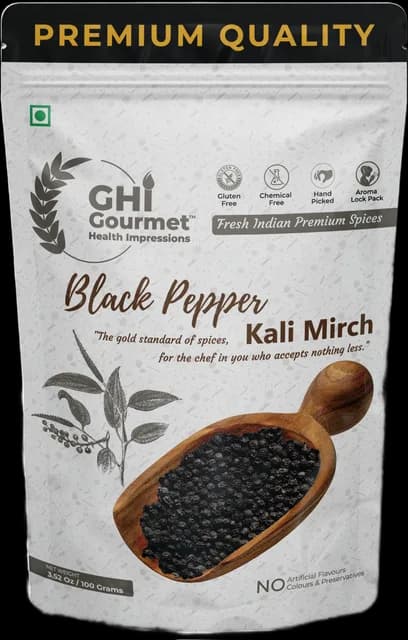
Millets and whole spices are a natural match, and both reward a little care in buying and storing. At GHI, we grade our whole and powdered spices and pack them in resealable packs so they stay fresh between uses, which makes a weeknight pot of millet khichdi that much more fragrant.