14 January 2026
Whole Cloves Beyond Biryani: 7 Everyday Kitchen Uses
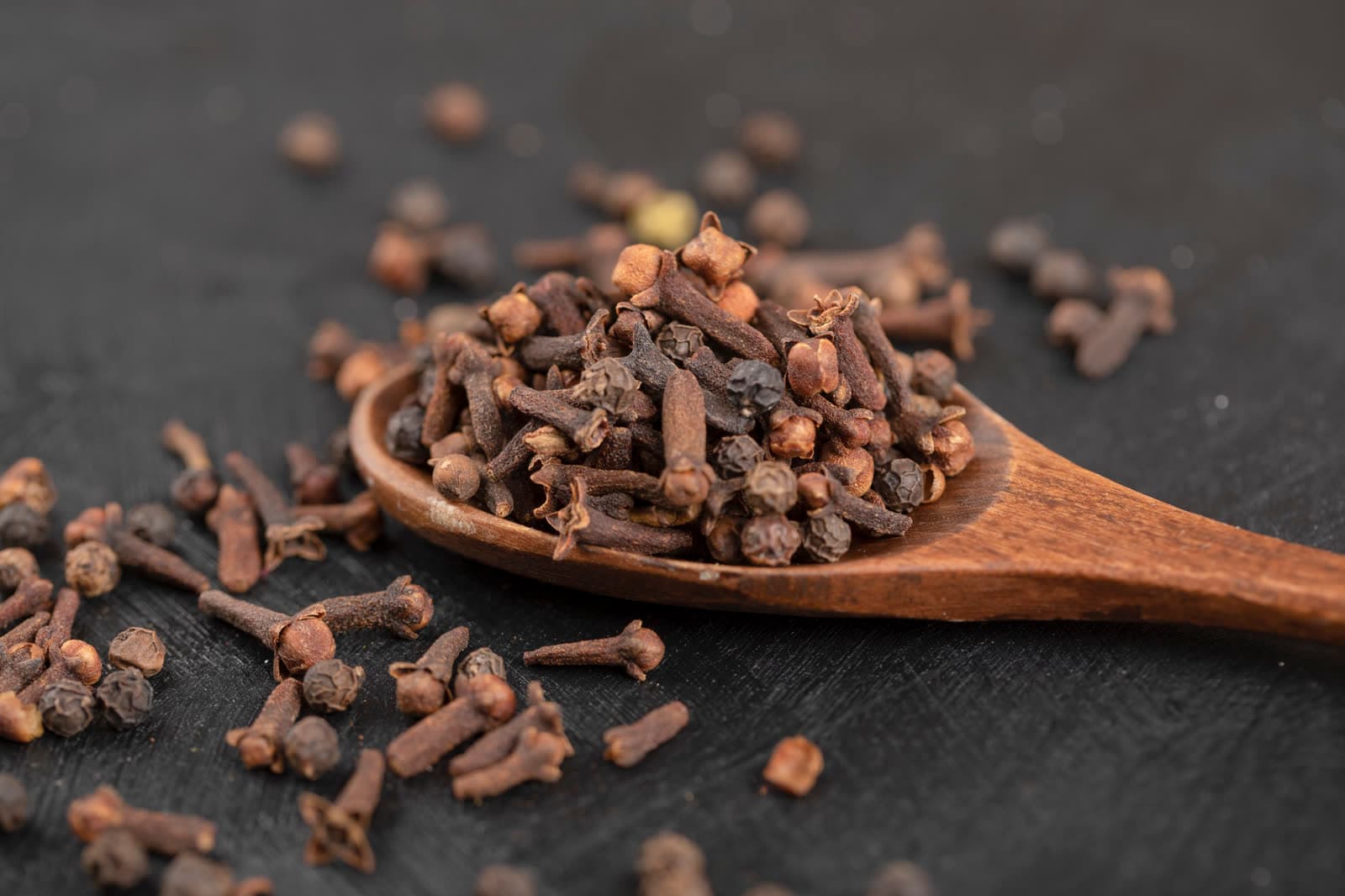
For many of us, whole cloves live in the biryani box and come out only for special occasions. That is a shame, because a single clove can change a dal, a pot of chai or a winter cake in a way no other spice quite manages. With Lohri bonfires just behind us and Makar Sankranti and Pongal celebrations under way, it is a good moment to bring laung out of the back of the cupboard and into everyday cooking.
Why whole cloves deserve more than a biryani cameo
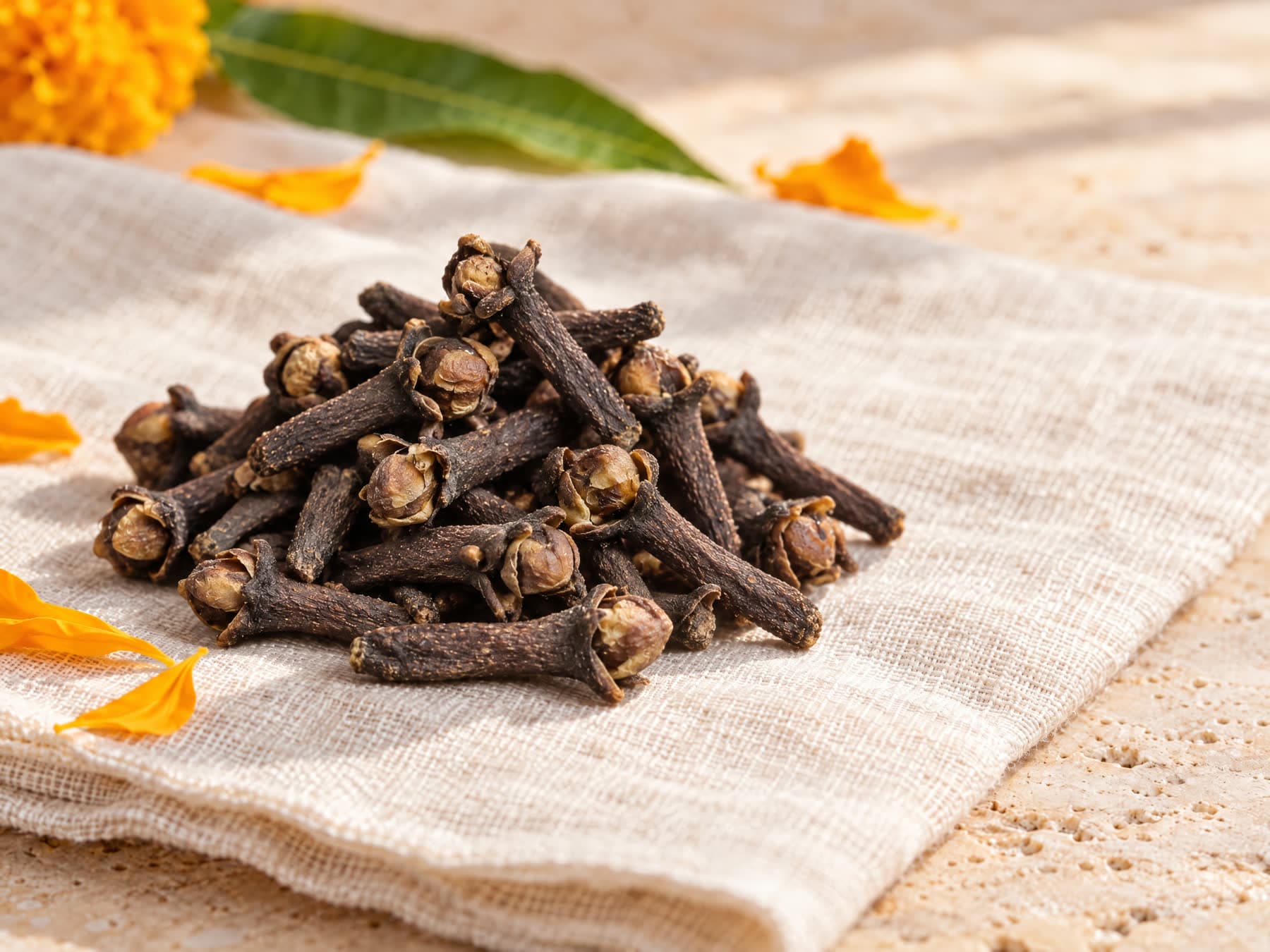
Cloves are dried flower buds, and their warm, sweet, slightly numbing flavour comes mainly from an aromatic compound called eugenol. It is powerful stuff. Two cloves can perfume a whole pot, while ten can overpower it, so the art of using cloves is mostly the art of restraint.
Whole cloves also hold their flavour well. As long as the bud head is intact and they are stored away from heat and air, they stay aromatic for many months. Ground cloves are much more fragile, which is why most of the uses below start with whole buds.
7 everyday kitchen uses for whole cloves
These are simple, practical ways to cook with cloves every week, not just on festival days. Each one comes with a starting quantity you can adjust to taste.
1. Tempering (tadka) for dals and sabzis
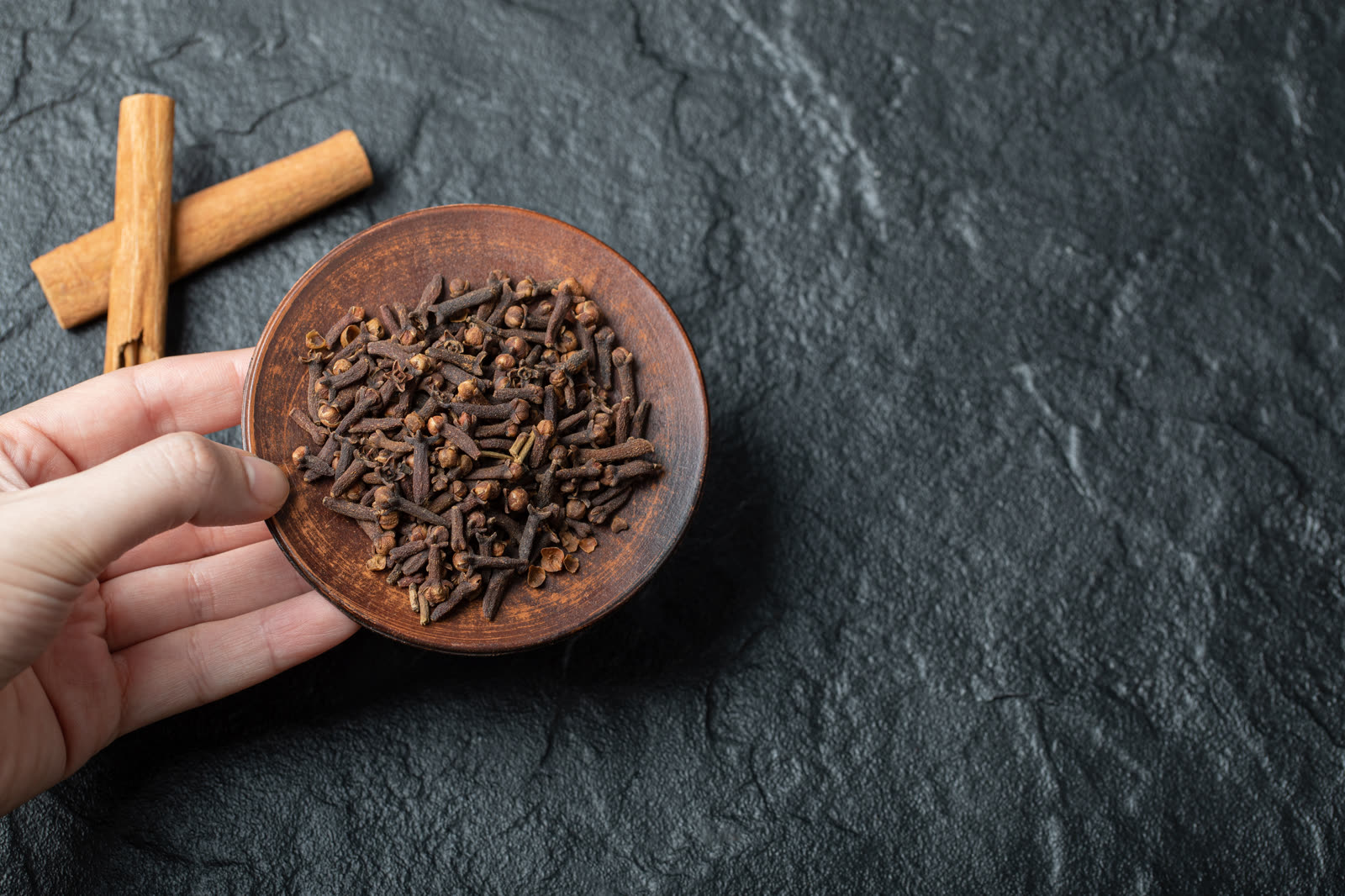
Drop 2 to 3 cloves into hot ghee or oil along with cumin, a bay leaf and a small piece of cinnamon. Let them sizzle for 20 to 30 seconds until they swell slightly, then add onions or pour the tadka over dal. Cloves bring a gentle warmth to dal makhani, chana dal, kadhi and winter vegetables like cauliflower and peas.
2. Fragrant rice, pulao and khichdi
For every cup of rice, fry 3 to 4 cloves in a spoon of ghee before adding the rice and water. It works in plain jeera rice, vegetable pulao and moong dal khichdi. On Sankranti, when khichdi is cooked in many homes, a couple of cloves in the ghee make a humble pot smell festive.
3. Desserts and sweet rice
Cloves are a classic in zarda, the saffron-scented sweet rice, where 4 to 5 cloves are fried in ghee first. They also suit fruit gently poached in jaggery syrup: add 2 to 3 cloves with a strip of orange peel when stewing apples, pears or guava. In sweets, pair cloves with cardamom and a pinch of cinnamon for a rounded flavour.
4. Chai and winter drinks
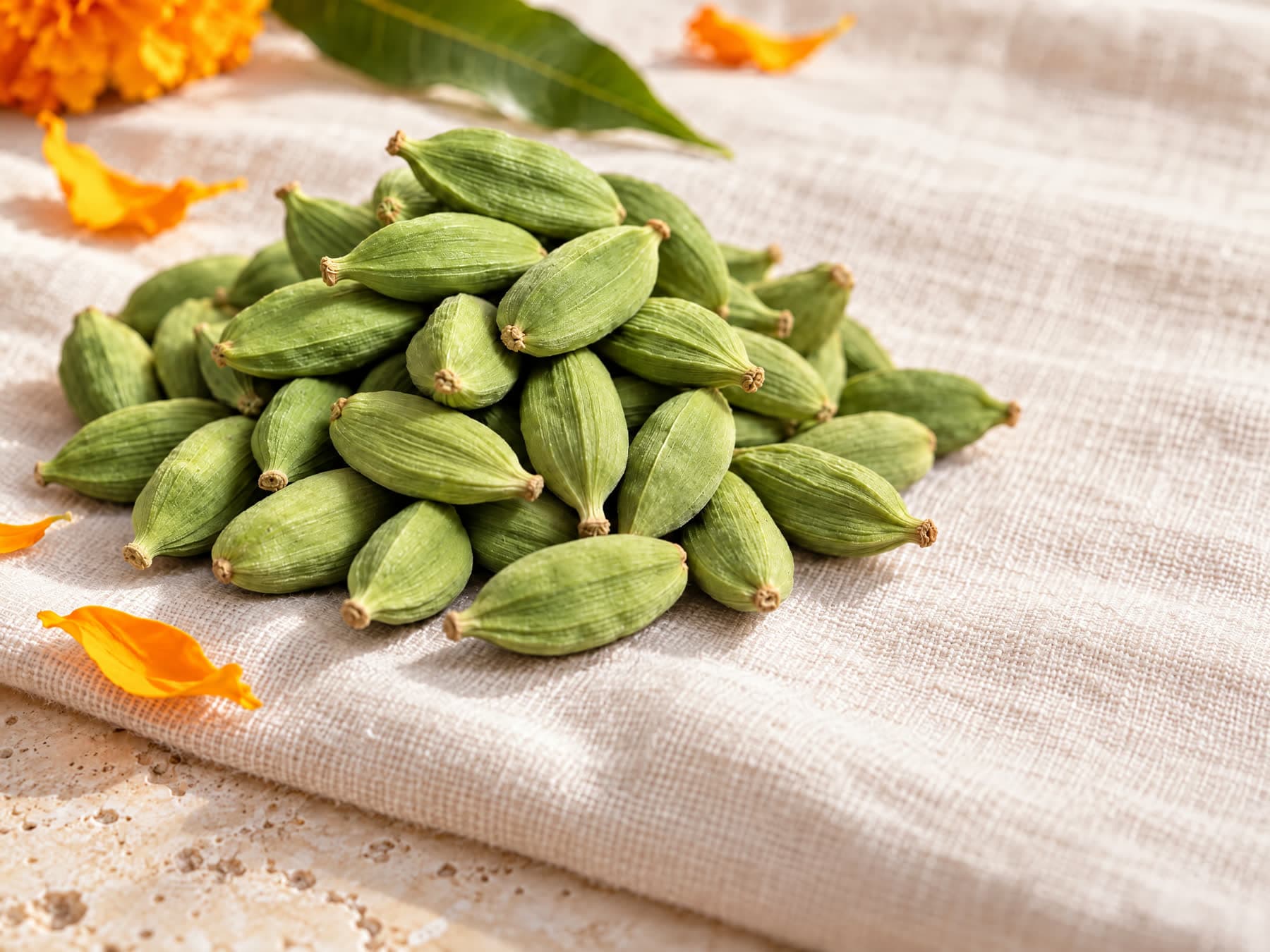
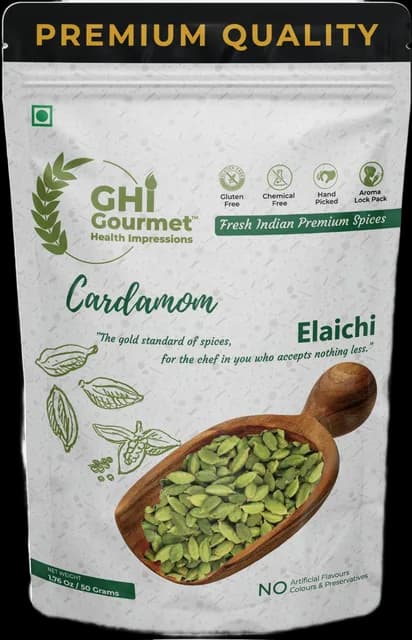
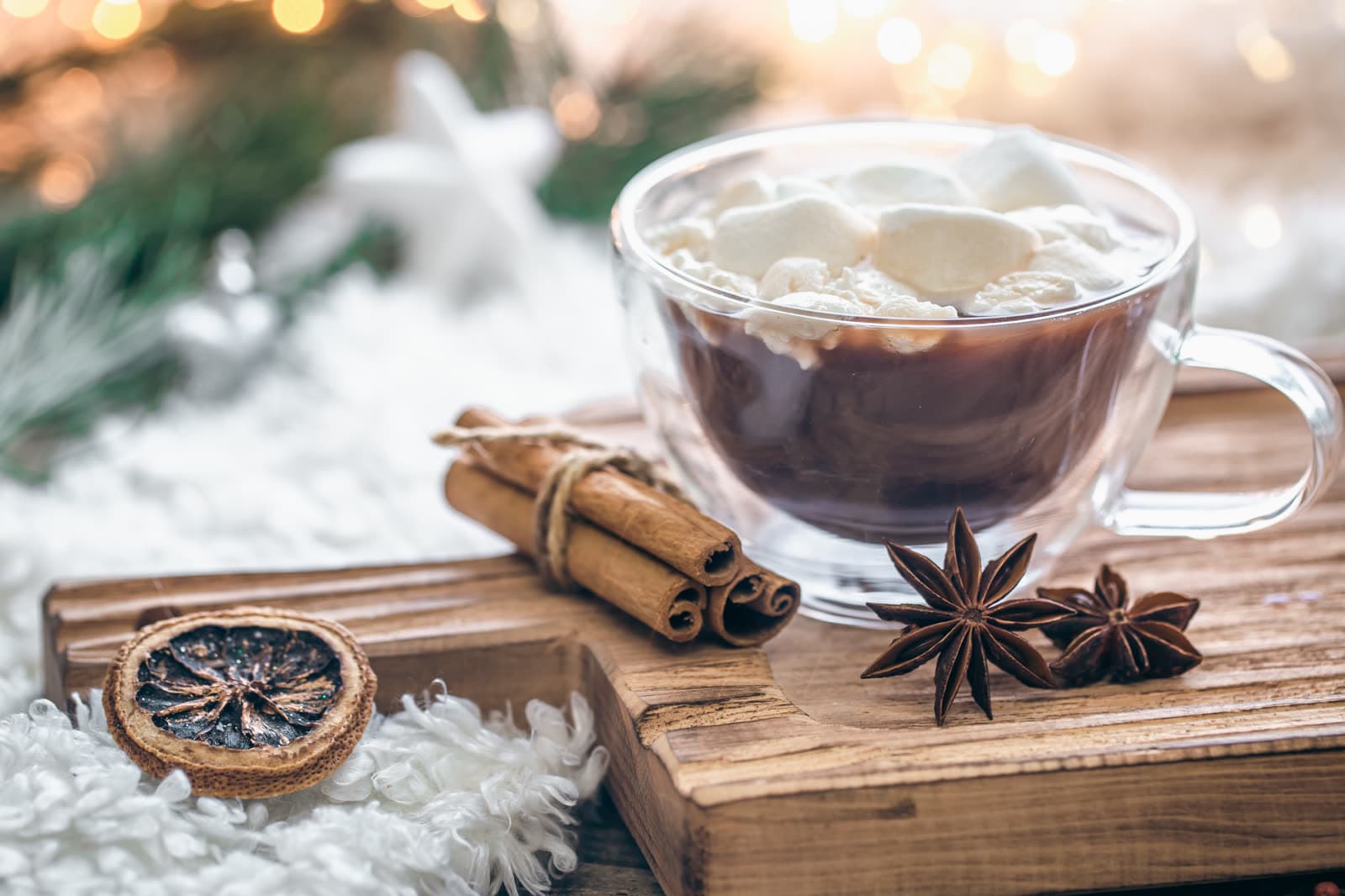
One or two lightly crushed cloves per two cups of chai are enough to warm it through, especially alongside ginger and cardamom from your whole green cardamom jar. Cloves also go into spiced jaggery drinks and hot orange or apple punch for winter gatherings. Simmer them with the water, not the milk, to extract the flavour properly.
5. Pickles and achar
Cloves add depth to sweet and sour pickles such as lime, mango chunda or mixed vegetable achar. A few whole cloves, around 4 to 6 per 500 g of pickle, or a small pinch of ground clove in the masala, is plenty. They are also lovely in quick vinegar onions: add 4 or 5 cloves and a few peppercorns to the vinegar before pouring it over sliced onions.
6. Baking
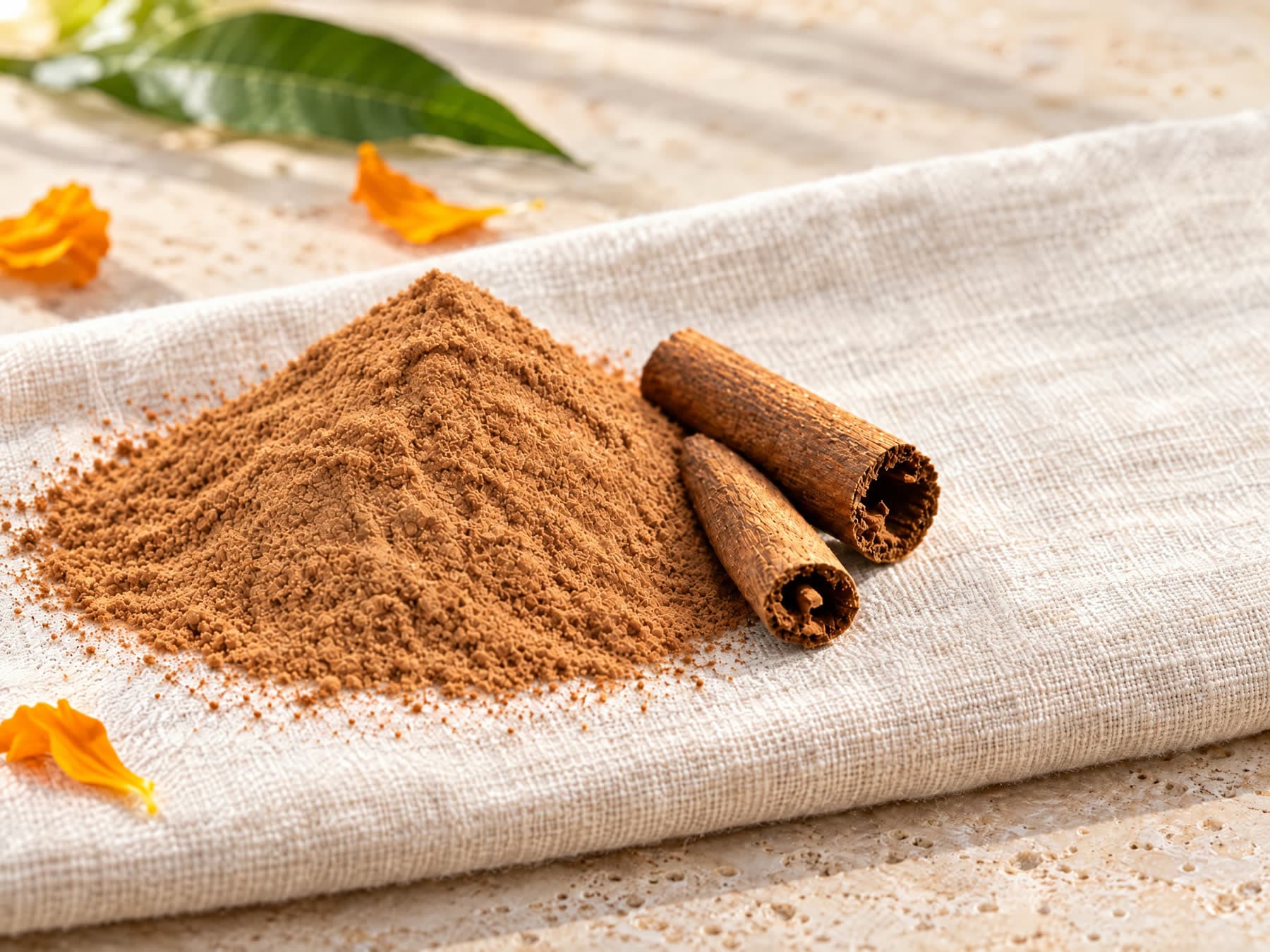
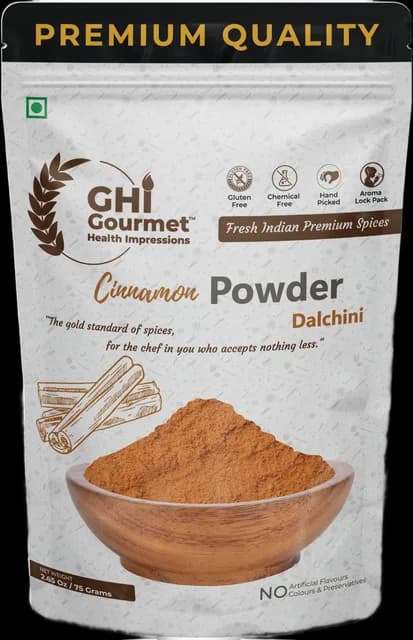
Ground cloves belong in spiced cakes, banana bread, gingerbread and apple crumble. Use a light hand: about a quarter teaspoon of ground cloves for every 2 cups (roughly 250 g) of flour, usually combined with cinnamon. A fragrant cinnamon powder and freshly ground cloves together give that warm winter-bakery smell. Grind cloves in a small spice grinder or mortar just before use for the best result.
7. Simmer pots for a naturally fragrant home
A simmer pot is a saucepan of water and spices kept on the lowest heat to scent the house. Try 1 litre of water, 10 to 12 cloves, a cinnamon stick, 3 or 4 crushed cardamom pods and the peel of an orange. Keep it barely simmering, top up with water every 30 minutes or so, and never leave it unattended. It is a lovely way to use up spices that are past their best for cooking but still carry some aroma.
How many cloves to use: a quick guide
| Dish or use | Quantity | Tip |
|---|---|---|
| Tadka for dal (serves 4) | 2 to 3 whole cloves | Sizzle until they swell, 20 to 30 seconds |
| Pulao or khichdi | 3 to 4 cloves per cup of rice | Fry in ghee before adding rice |
| Chai (2 cups) | 1 to 2 cloves, lightly crushed | Simmer in the water first |
| Zarda or poached fruit | 2 to 5 cloves | Pair with cardamom and orange peel |
| Pickle (500 g) | 4 to 6 whole cloves | Or a small pinch ground in the masala |
| Cake (250 g flour) | About 1/4 teaspoon ground | Combine with cinnamon |
| Simmer pot (1 litre) | 10 to 12 cloves | Lowest heat, keep topping up water |
How to choose good whole cloves
Because cloves are used in such small numbers, each one needs to pull its weight. A few checks help you tell good cloves from tired ones:
- Intact heads: each clove should have its round bud head at the top. Lots of headless stems mean lower flavour.
- Colour: a deep reddish-brown is ideal. Very pale, grey or dusty cloves are often old.
- Oil: press a clove with your fingernail. A fresh clove releases a tiny bead of oil and a strong aroma straight away.
- The water test: drop a few cloves into a glass of water. Good, oil-rich cloves tend to sink or float upright with the head up. Cloves that lie flat on the surface have often lost much of their oil.
- Plumpness: shrivelled, brittle cloves that crumble easily have usually been stored too long.
There have long been concerns in the trade about "exhausted" cloves, buds from which the oil has already been extracted, being mixed into ordinary stock. Buying cloves that are graded, clearly packed and handled under certified food safety systems, with no additives, is the simplest way to avoid them.
Storing whole and ground cloves
Keep whole cloves in an airtight jar or resealable pack, away from the stove, sunlight and steam. Stored this way, they stay aromatic for many months. Grind only what you need for a recipe, or a small batch that you will use within a few weeks, since ground cloves lose their punch quickly. If you ever find a forgotten packet that smells faint, send it to a simmer pot rather than a biryani.
Cloves are also traditionally used in home remedies, most famously for toothache, which we have written about in our piece on clove and dental pain. Treat such uses as traditional practice rather than treatment, and if you are pregnant, on medication or have a health condition, check with your doctor before using cloves or clove oil in concentrated amounts.
Frequently asked questions
How many cloves should I put in rice?
About 3 to 4 whole cloves per cup of uncooked rice is a good amount for pulao or jeera rice. Fry them in ghee first so their aroma spreads through the grains.
Can I use ground cloves instead of whole cloves?
Yes, but use much less. Roughly a quarter teaspoon of ground cloves stands in for 3 to 4 whole ones. Add ground cloves later in cooking, as they can turn bitter if fried too long.
Should you remove cloves before serving?
It is a good idea, because biting into a whole clove is intense. In rice and curries, many cooks simply warn guests or pick out the cloves they can see before serving.
How do you know if cloves are still good?
Press one with a fingernail. If it releases a little oil and a strong, sweet aroma, it is fine. Dry, pale, crumbly cloves with a faint smell are past their best for cooking.
Is it safe to chew a clove after meals?
Many people chew a single clove as a traditional mouth freshener. Cloves are strong, so one is plenty, and anyone pregnant, on medication or with a health condition should check with a doctor first.
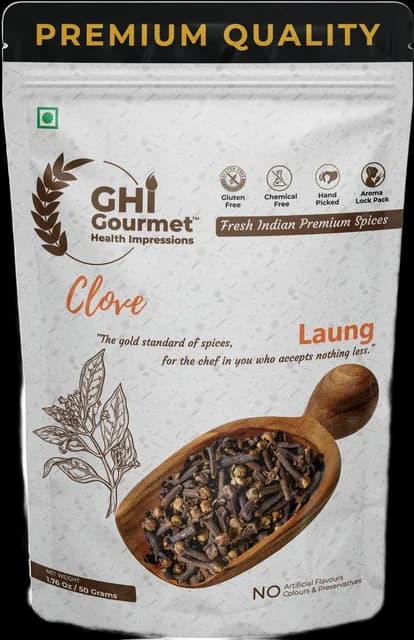
If your jar of cloves has been waiting for its next biryani, give it a job this week instead. GHI's whole cloves come in resealable packs to keep them fragrant between uses, and they are just as happy in a humble dal as in a festive feast. Happy Sankranti and Pongal.