24 September 2025
Navratri Vrat Cooking: Spices, Recipes and Simple Tips
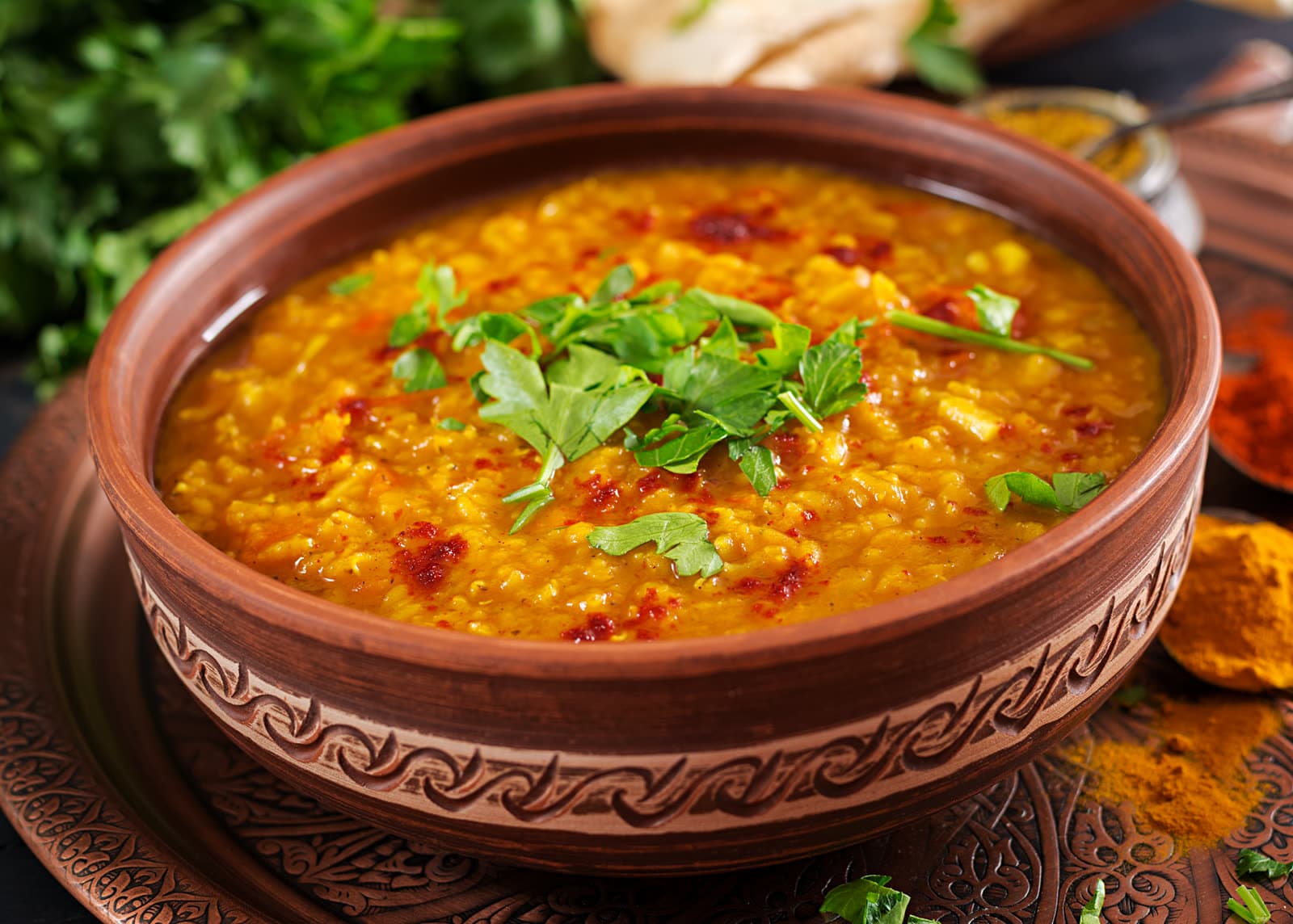
Sharad Navratri 2025 began on 22 September, and for many families that means nine days of vrat, simple meals and a kitchen that runs on a different set of rules. Navratri vrat cooking usually relies on a short, familiar list of spices. This guide covers the spices many households use during the fast, why they are chosen, and three dependable recipes: sabudana khichdi, vrat aloo and makhana kheer.
A note before you begin: customs vary
There is no single rulebook for Navratri fasting. What is allowed changes from family to family, community to community and region to region. Some households eat one meal a day, some eat only fruit and milk, and others cook full vrat meals. Some use cumin freely while others avoid it, and many use sendha namak in place of regular salt.
Read everything below as a general guide, and follow your own family's traditions first. When in doubt, ask whoever runs the kitchen during the festival.
A health note too: if you are pregnant, on medication, or living with a health condition such as diabetes, please check with your doctor before fasting or making big changes to what you eat.
Spices commonly used in Navratri vrat food
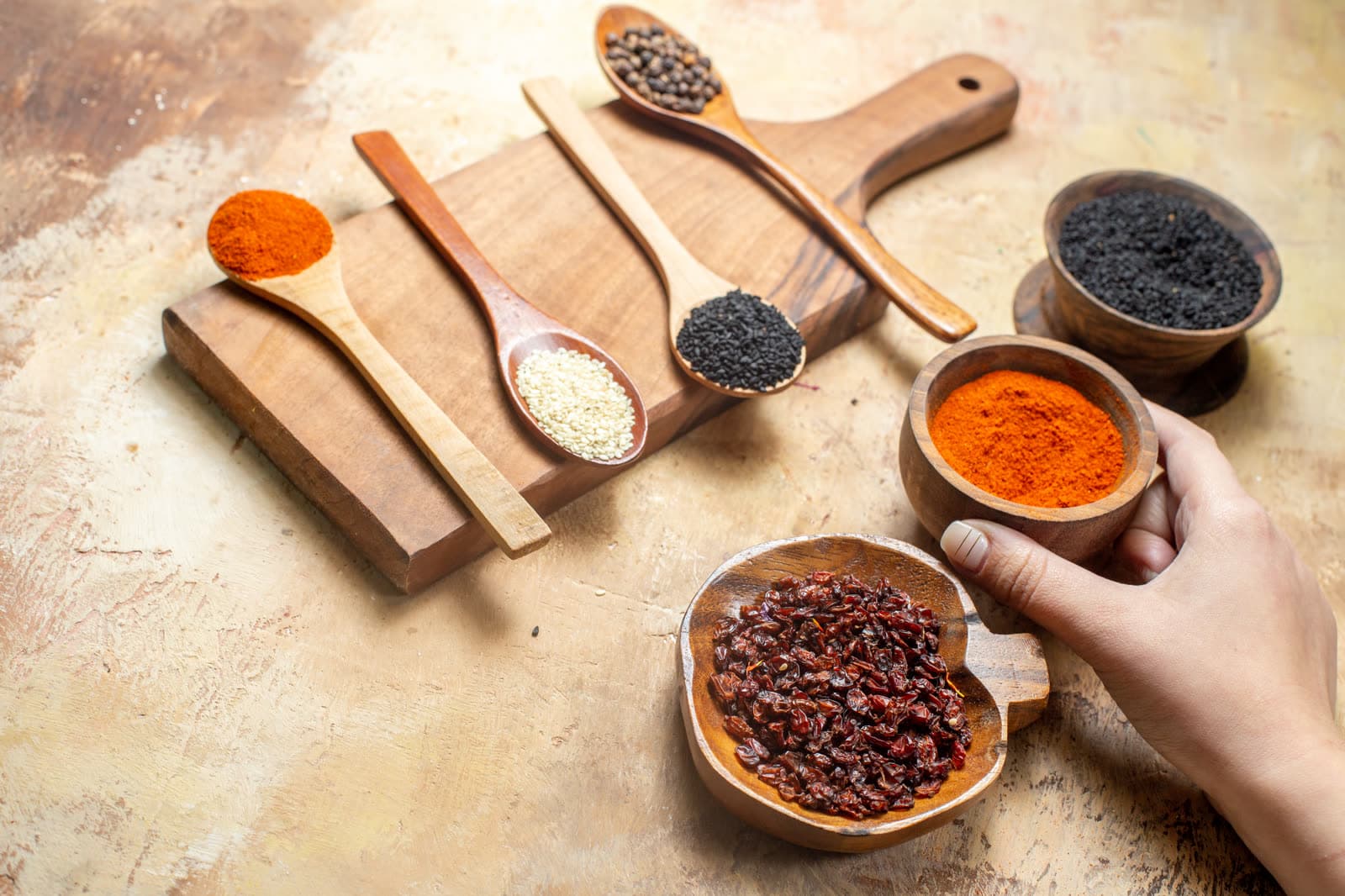
In many homes, vrat cooking leaves out turmeric, hing, mustard seeds, garam masala and regular table salt. What remains is a short list, which is exactly why each spice on it needs to be good.
| Spice | How it is often used in vrat food | Tip |
|---|---|---|
| Black pepper | Seasoning for sabudana, aloo, raita and fruit chaat | Crush fresh for the brightest flavour |
| Green cardamom | Kheer, lassi and milk-based sweets | Grind the seeds just before adding |
| Cumin (jeera) | Tempering for aloo and sabudana, in many but not all homes | Let it darken one shade in ghee |
| Sendha namak (rock salt) | Used in place of regular salt in many households | Add gradually and taste as you go |
| Green chilli and ginger | Fresh heat in savoury dishes | Chop finely so the heat spreads evenly |
Why black pepper does so much of the work
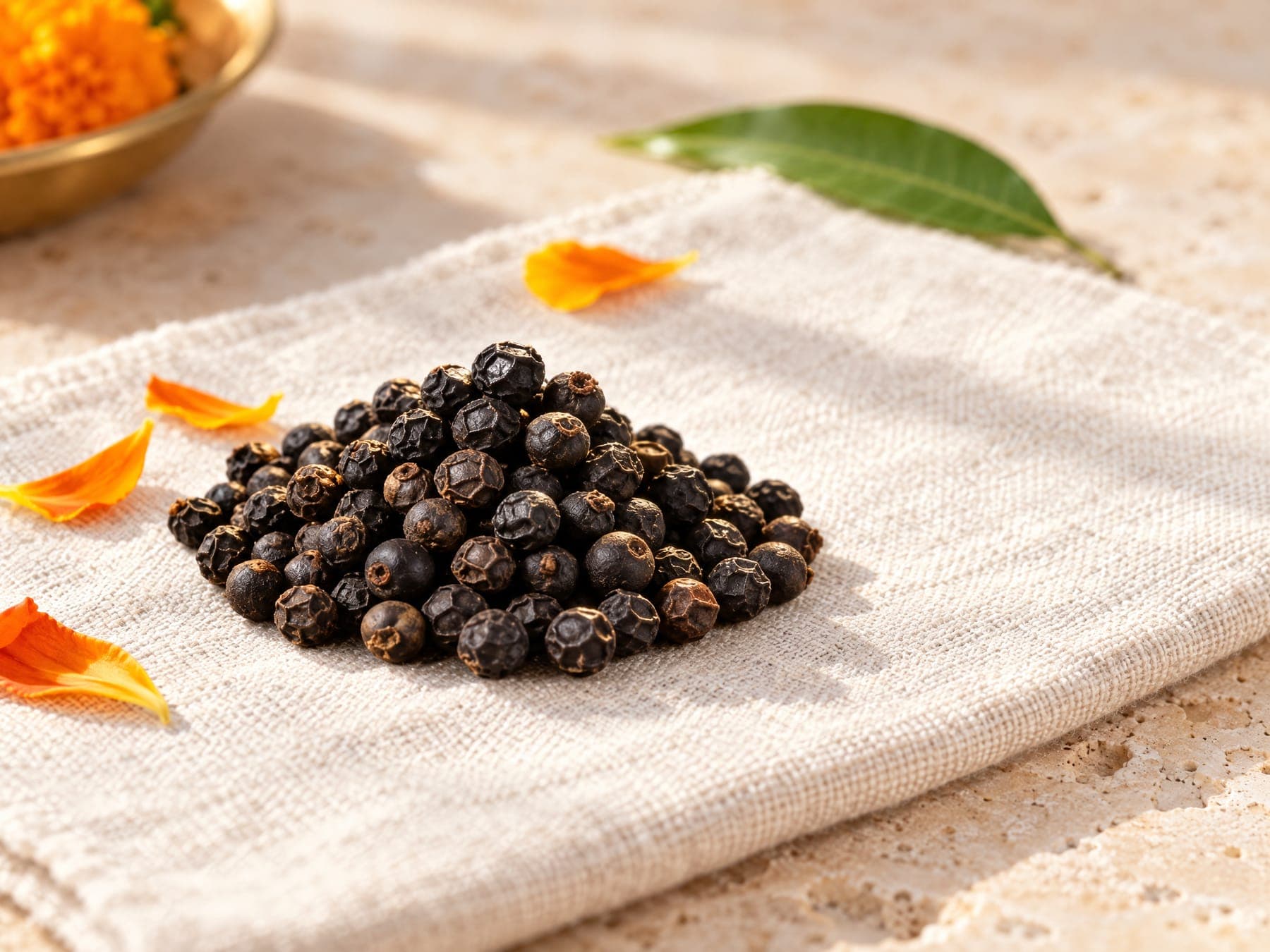
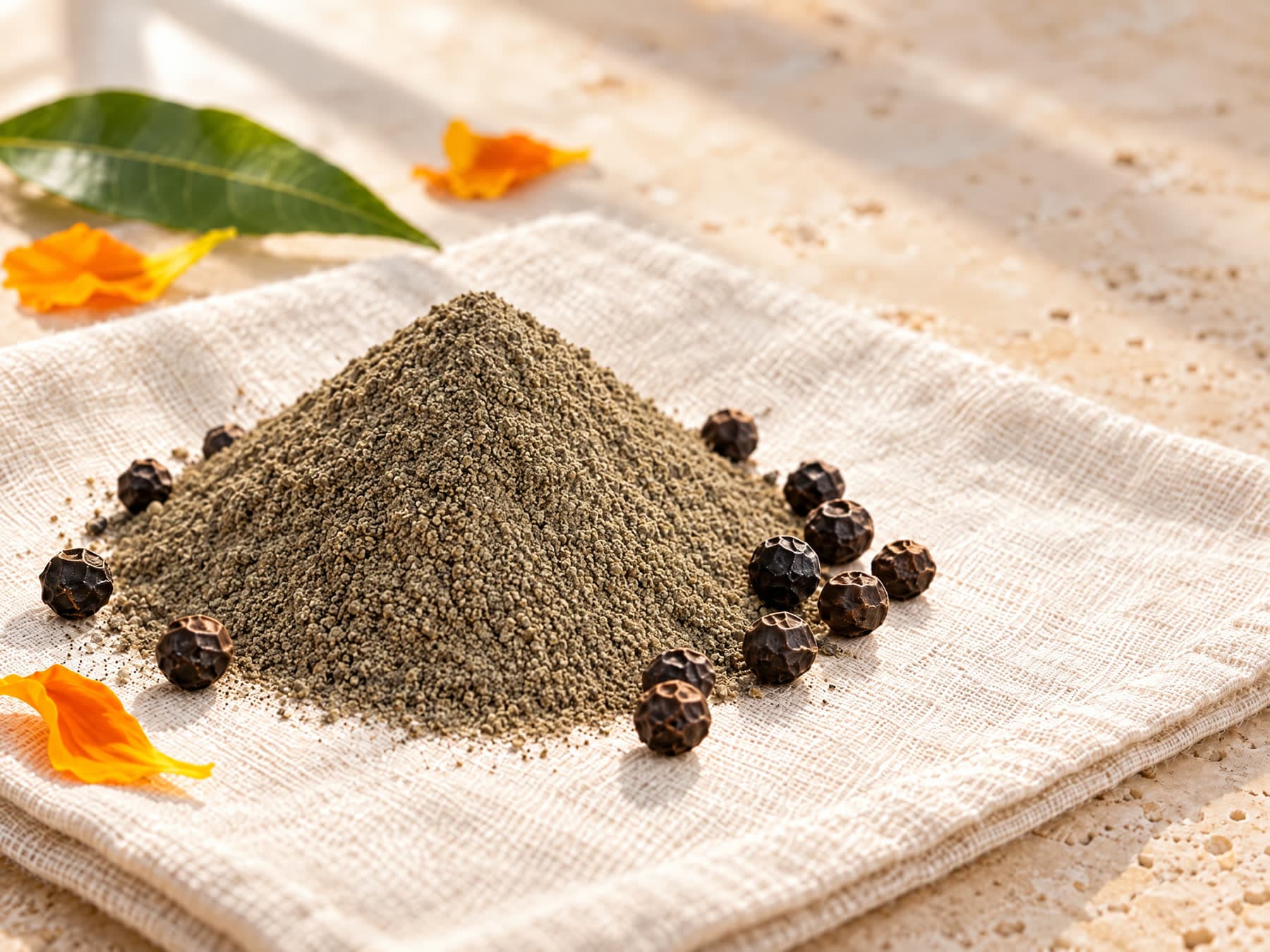
With red chilli powder and garam masala often off the menu, black pepper becomes the main source of warmth and depth. Freshly crushed whole black pepper gives sabudana and potatoes a clean, aromatic heat, and a pinch over fruit chaat or ghee-roasted makhana is lovely. For a smoother finish in raita or buttermilk, black pepper powder blends in easily.
Cardamom for the sweet side
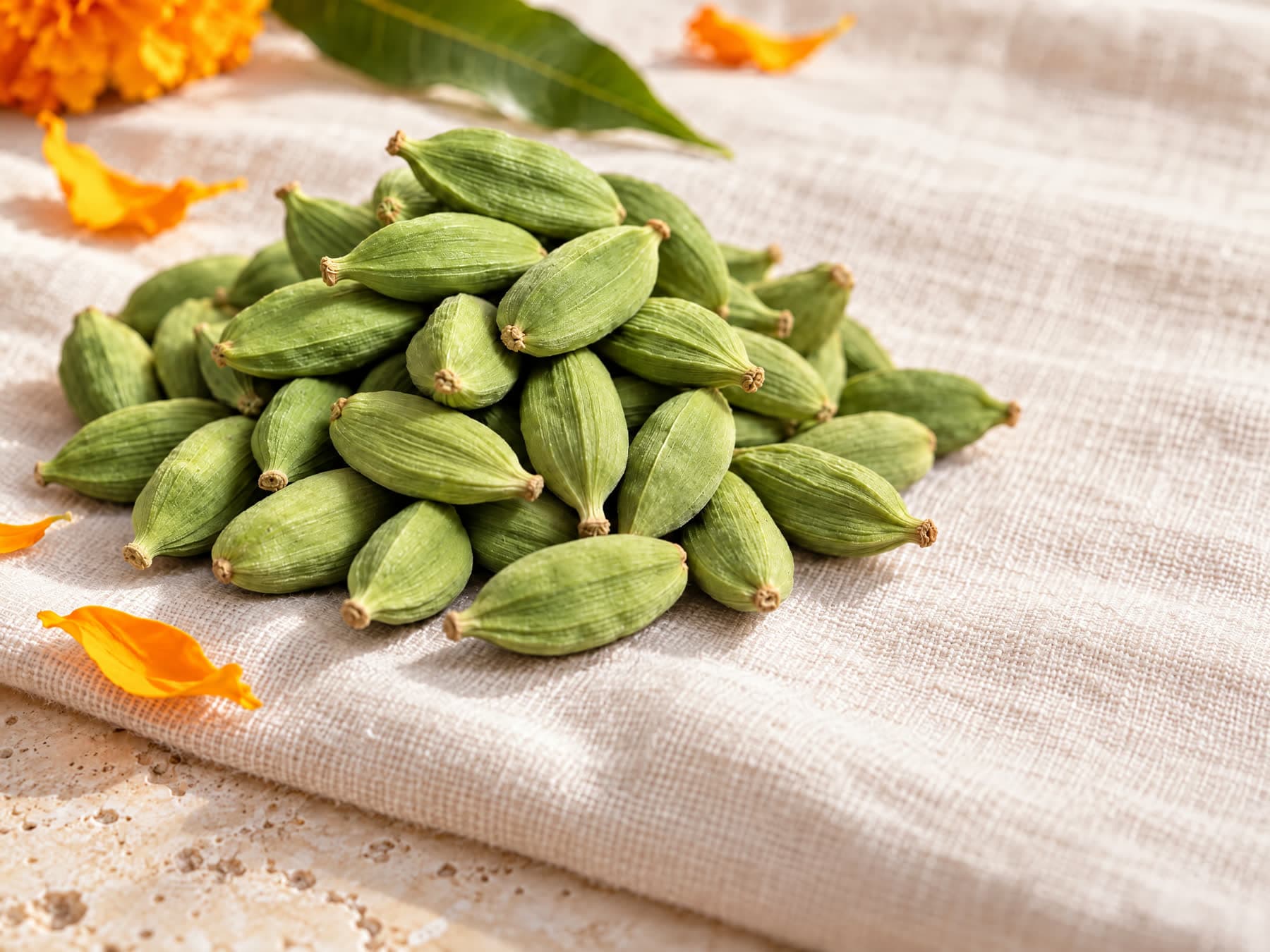
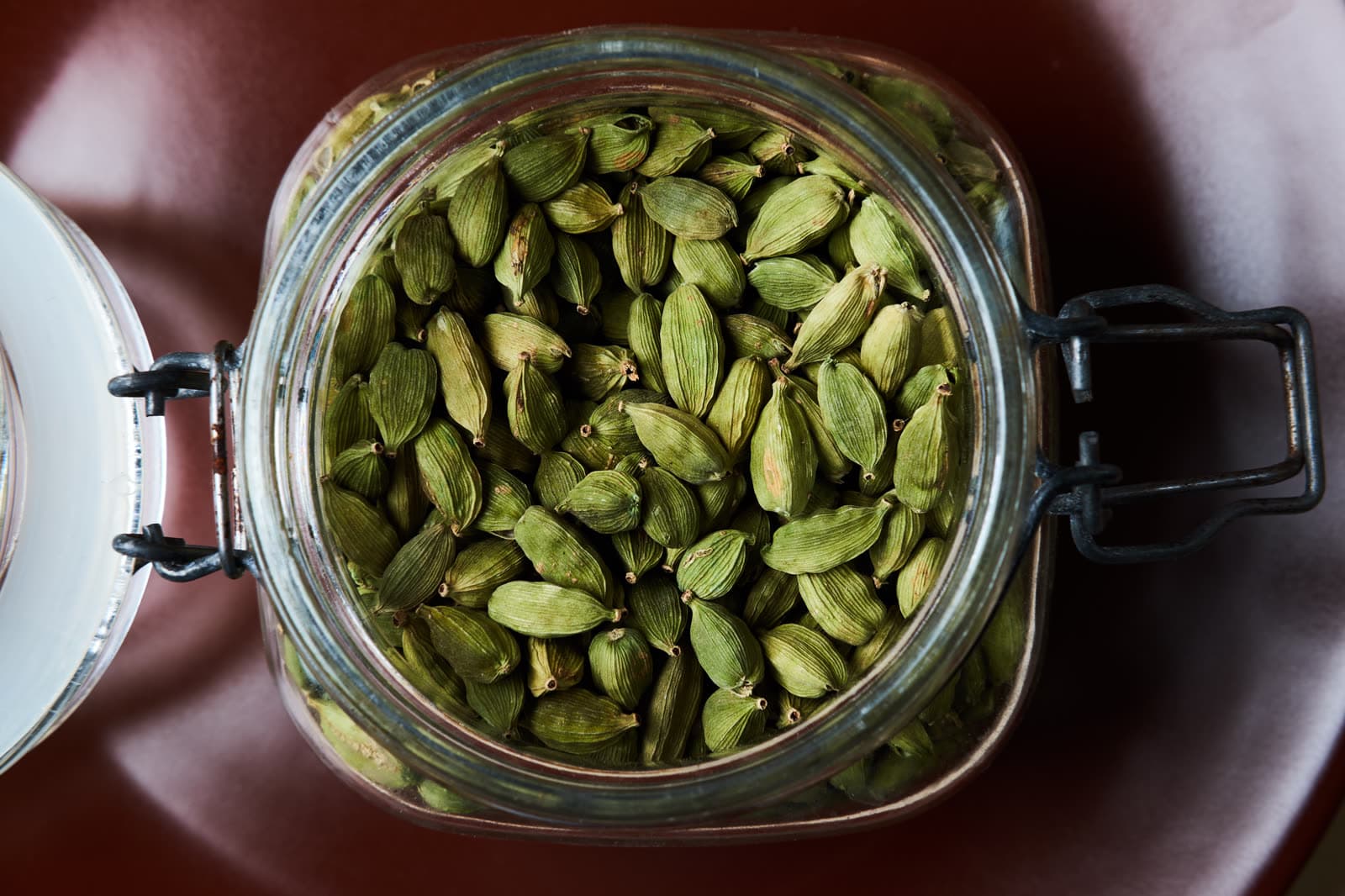
Vrat sweets are mostly milk based, and green cardamom is their natural partner. Because it is used on its own, without other spices to support it, a stale pod really shows. Plump, well-graded pods with dark, slightly sticky seeds make a noticeable difference to a simple kheer.
Sabudana khichdi that stays fluffy
The key to non-sticky sabudana khichdi is the soak, not the cooking.
Ingredients (serves 2 to 3)
- 1 cup (about 160 g) sabudana
- 1/2 cup roasted peanuts, coarsely crushed
- 2 medium potatoes, boiled, peeled and cubed
- 1.5 tablespoons ghee
- 1 teaspoon cumin seeds, if your family uses it
- 2 green chillies, finely chopped
- 1/2 teaspoon freshly crushed black pepper
- Sendha namak to taste
- 1 teaspoon lemon juice and 2 tablespoons chopped coriander
Method
- Rinse the sabudana 3 to 4 times, until the water runs almost clear.
- Add just enough water to barely cover the pearls and soak for 5 to 6 hours or overnight. A pearl pressed between two fingers should squash easily.
- Drain well, then toss with the crushed peanuts, sendha namak and black pepper. Coating the pearls before cooking helps keep them separate.
- Heat the ghee in a wide pan, add the cumin and let it crackle, then add the green chillies and potatoes and sauté for 2 minutes.
- Add the sabudana mixture and cook on low to medium heat for 5 to 7 minutes, stirring gently, until the pearls turn translucent.
- Finish with lemon juice and coriander.
If the pearls clump together, they were probably soaked in too much water. Next time, use a little less and drain thoroughly.
Vrat aloo: simple potatoes with cumin and pepper
This is the dish that turns up on vrat plates across the country, with puris made from kuttu or singhare ka atta, or simply with a bowl of curd.
- 4 medium potatoes, boiled, peeled and cubed
- 1 tablespoon ghee
- 1 teaspoon cumin seeds
- 1 teaspoon grated ginger
- 1 to 2 green chillies, slit
- 1/2 teaspoon freshly crushed black pepper
- Sendha namak to taste
- Chopped coriander and a squeeze of lemon
Heat the ghee, add the cumin, then the ginger and green chillies. Add the potatoes, sendha namak and black pepper and toss on medium heat for 4 to 5 minutes, until the edges catch a little colour. Finish with coriander and lemon.
For a gravy version, add about 1 cup of water once the potatoes are coated in the spices, then simmer for 5 minutes, mashing a few pieces against the side of the pan to thicken it. Some families also add chopped tomato, so follow your household's custom.
Makhana kheer with green cardamom
A comforting sweet for the evening meal, made in one pot.
- 1 litre full-fat milk
- 1.5 cups (about 40 g) makhana
- 1 teaspoon ghee
- 3 to 4 tablespoons sugar, to taste
- Seeds of 4 to 5 green cardamom pods, freshly ground
- 8 to 10 almonds or pistachios, sliced
Roast the makhana in the ghee on low heat for 5 to 6 minutes, until crisp. Crush half of them coarsely and leave the rest whole. Bring the milk to a boil and simmer for 10 to 15 minutes, stirring often, until it thickens slightly. Add the makhana and cook for another 8 to 10 minutes, until soft. Stir in the sugar, then turn off the heat and add the cardamom and nuts. Adding cardamom at the end keeps its fragrance bright. Serve warm or chilled.
For a kheer like this, freshly ground seeds from whole green cardamom pods give the cleanest, most floral flavour.
Frequently asked questions
Which spices can be used in Navratri fasting?
Many households use black pepper, green cardamom, cumin, sendha namak, green chilli and ginger in vrat food, while avoiding turmeric, hing, mustard seeds and garam masala. Customs differ widely, so follow your family's practice.
Is black pepper allowed in vrat?
In many families, yes, and it is one of the most common vrat spices. It adds warmth when chilli powder and masalas are not used. Practices vary, so check with your elders if you are unsure.
Can we eat jeera during the Navratri fast?
Many households use cumin in vrat cooking, especially in sabudana khichdi and vrat aloo, but some avoid it. It depends on family and regional custom.
Why is sendha namak used instead of regular salt during vrat?
Rock salt is traditionally considered suitable for fasting in many communities, while regular table salt is often avoided. It is a matter of custom rather than a rule followed everywhere.
How do I stop sabudana khichdi from becoming sticky?
Rinse the pearls until the water runs clear, soak them in just enough water to cover, and drain well. Tossing them with crushed peanuts before cooking and keeping the heat low also helps.
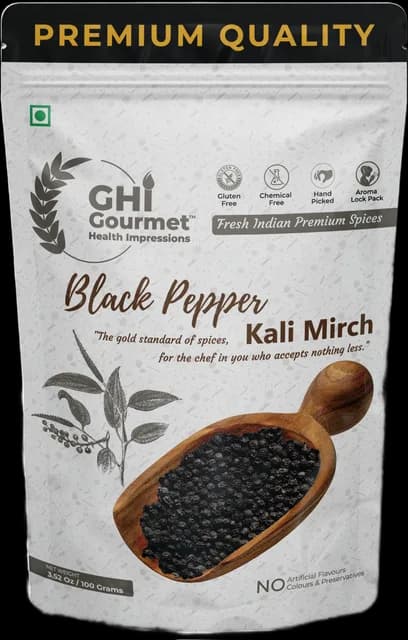
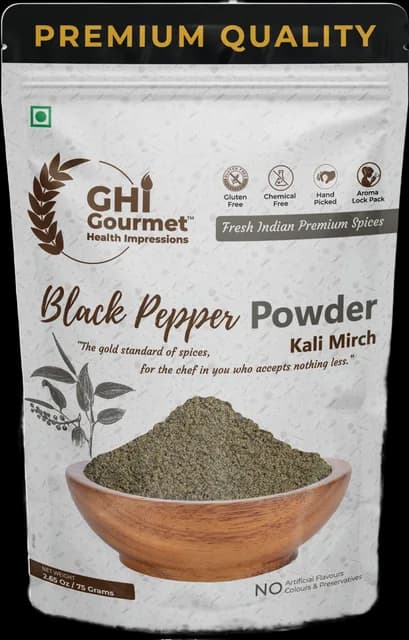
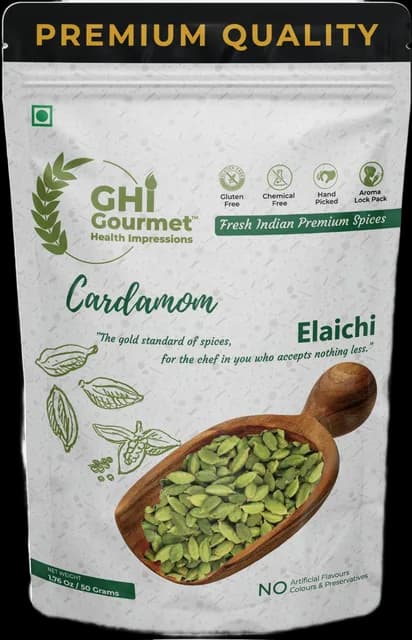
With so few spices on the vrat plate, each one has to pull its weight. GHI's graded whole black pepper and green cardamom come without additives in resealable packs, so they stay fresh through all nine days. Wishing you a peaceful Navratri.