18 September 2026
How to Store Spices So They Keep Their Aroma
Open a jar of elaichi you bought last Diwali and sniff it. If the smell is faint, the spice has not "gone bad" in the food safety sense, it has simply lost the oils that carry its flavour. Knowing how to store spices well is the cheapest upgrade any Indian kitchen can make: the same cardamom, pepper and cloves taste noticeably stronger when they are kept away from air, light, heat and moisture. This guide covers what actually works at home, which popular habits quietly ruin your masala dabba, and how to get the most out of a resealable pouch.
Why spices lose their aroma
The smell of a clove or a cardamom pod comes from volatile oils. "Volatile" means they escape easily into the air, and that is exactly what happens every time a jar is left open near a hot tawa. Four things speed it up:
- Air. Oxygen slowly changes the aroma compounds, and moving air carries them away.
- Light. Direct sunlight fades colour and flavour. A glass jar on a sunny window sill looks lovely and loses the most.
- Heat. Warmth gives those oils the energy to escape. The shelf right above the gas stove is the worst spot in the house.
- Moisture. Steam and damp spoons make powders clump and can invite mould, especially during the monsoon.
Spice sellers such as The Spice House in the US give the same four-point advice: an airtight container in a cool, dry, dark place. None of it needs new equipment. It mostly needs a better spot and a few habits.
How to store spices at home: the five rules
1. Keep them airtight
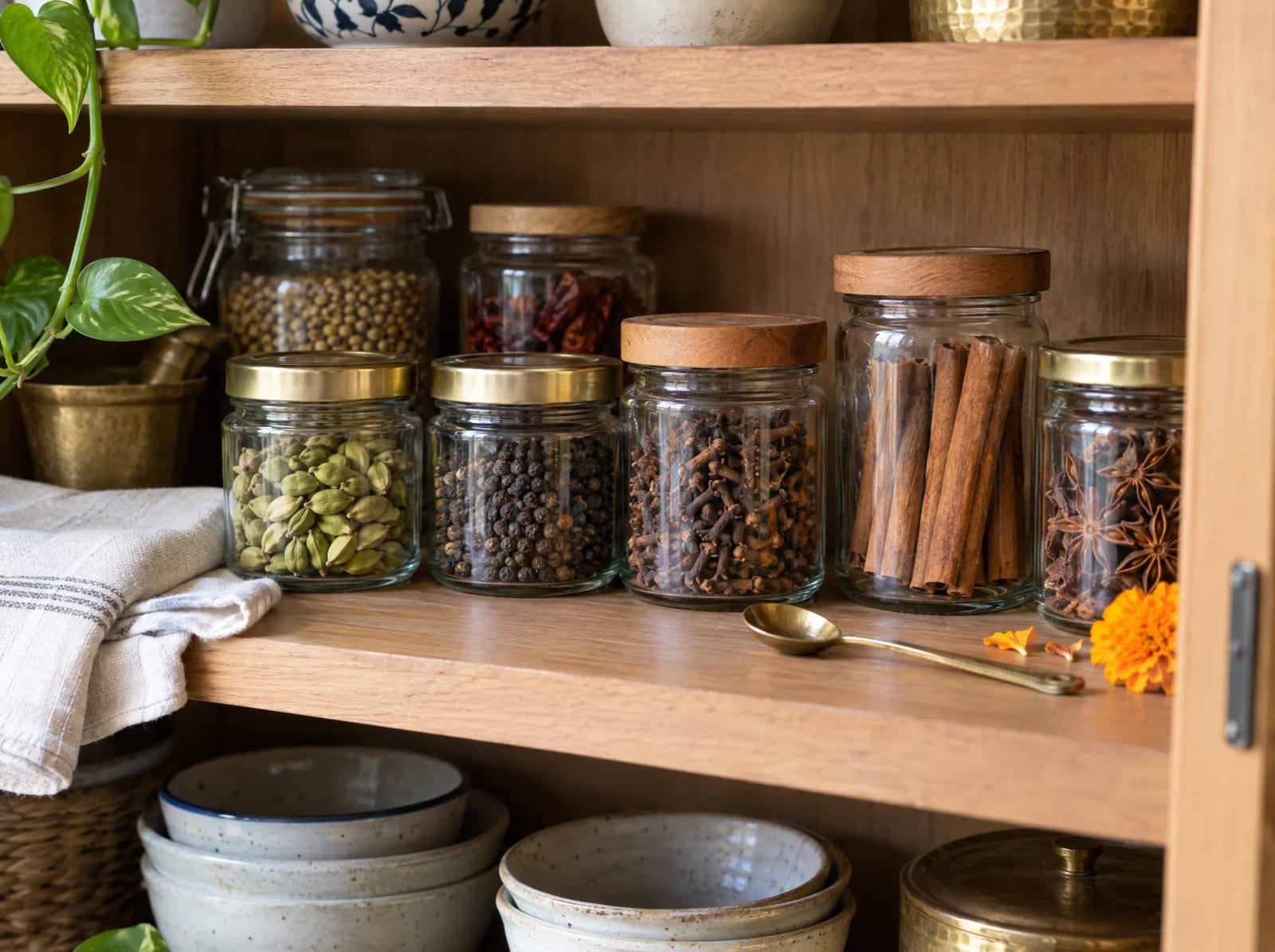
A container is only as good as its seal. Glass jars with a rubber gasket and clamp lid, steel dabbas with a tight inner lid, or a good zip-seal pouch all work. A jar that you have to press shut with a spoon handle does not. If you can smell the spice from outside the closed container, the aroma is leaking.
2. Keep them in the dark
Store jars inside a cupboard or drawer rather than on an open rack in the sun. If you love clear glass on display, keep only a small working amount out and the rest in a closed cabinet. Opaque steel or ceramic is a safe choice if your kitchen gets strong afternoon light.
3. Keep them cool
Choose a shelf away from the stove, the oven, the chimney exhaust and the back of the fridge, which blows warm air. In most Indian kitchens that means a lower cupboard on the side of the room away from the cooking area.
4. Keep them dry
Never shake a spice jar over a steaming kadhai. The steam goes straight into the jar. Measure into a dry spoon or your palm, away from the pan, and always use a dry spoon. In humid months, check powders for small lumps and use them up faster.
5. Buy whole, grind small
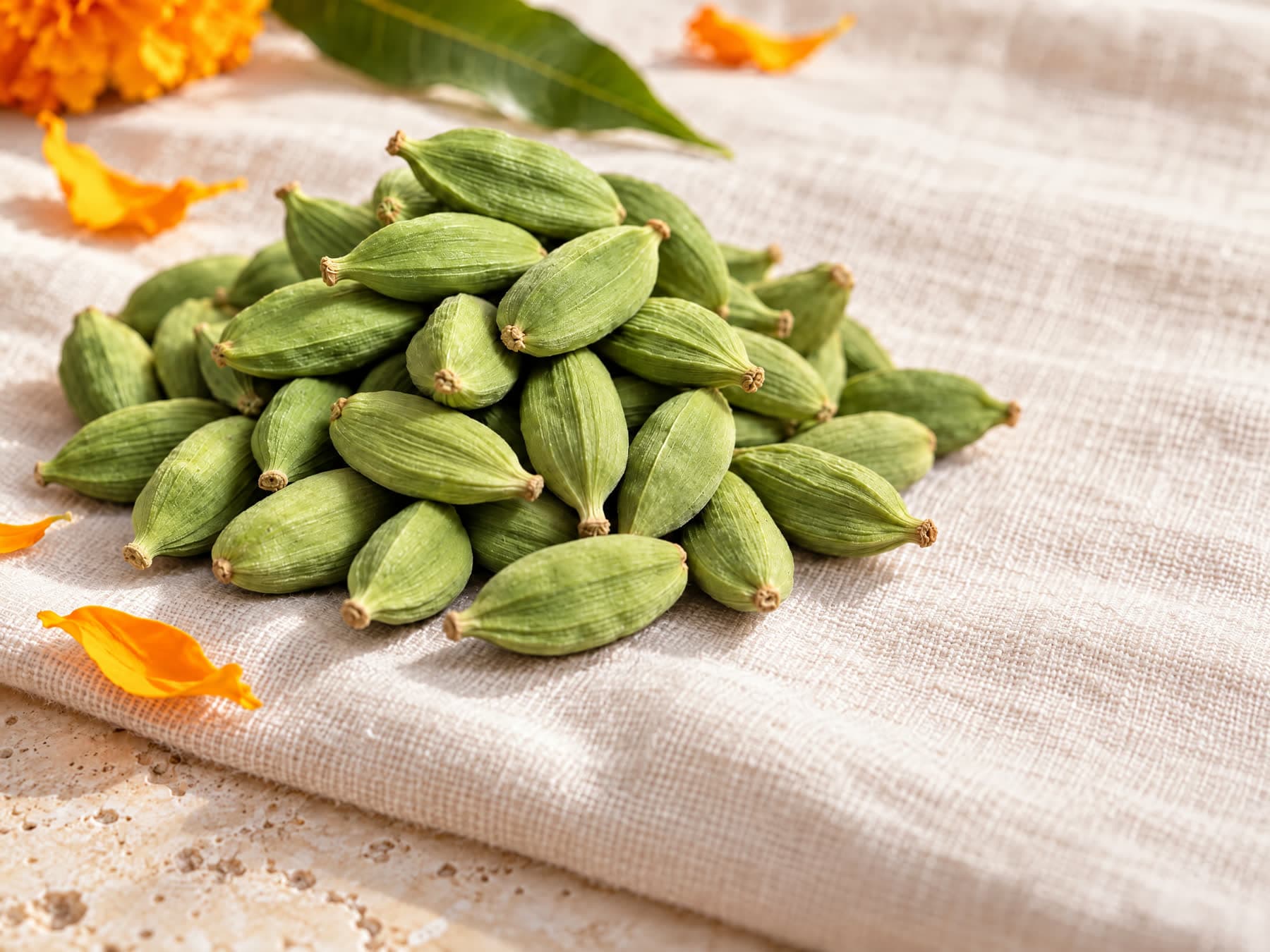
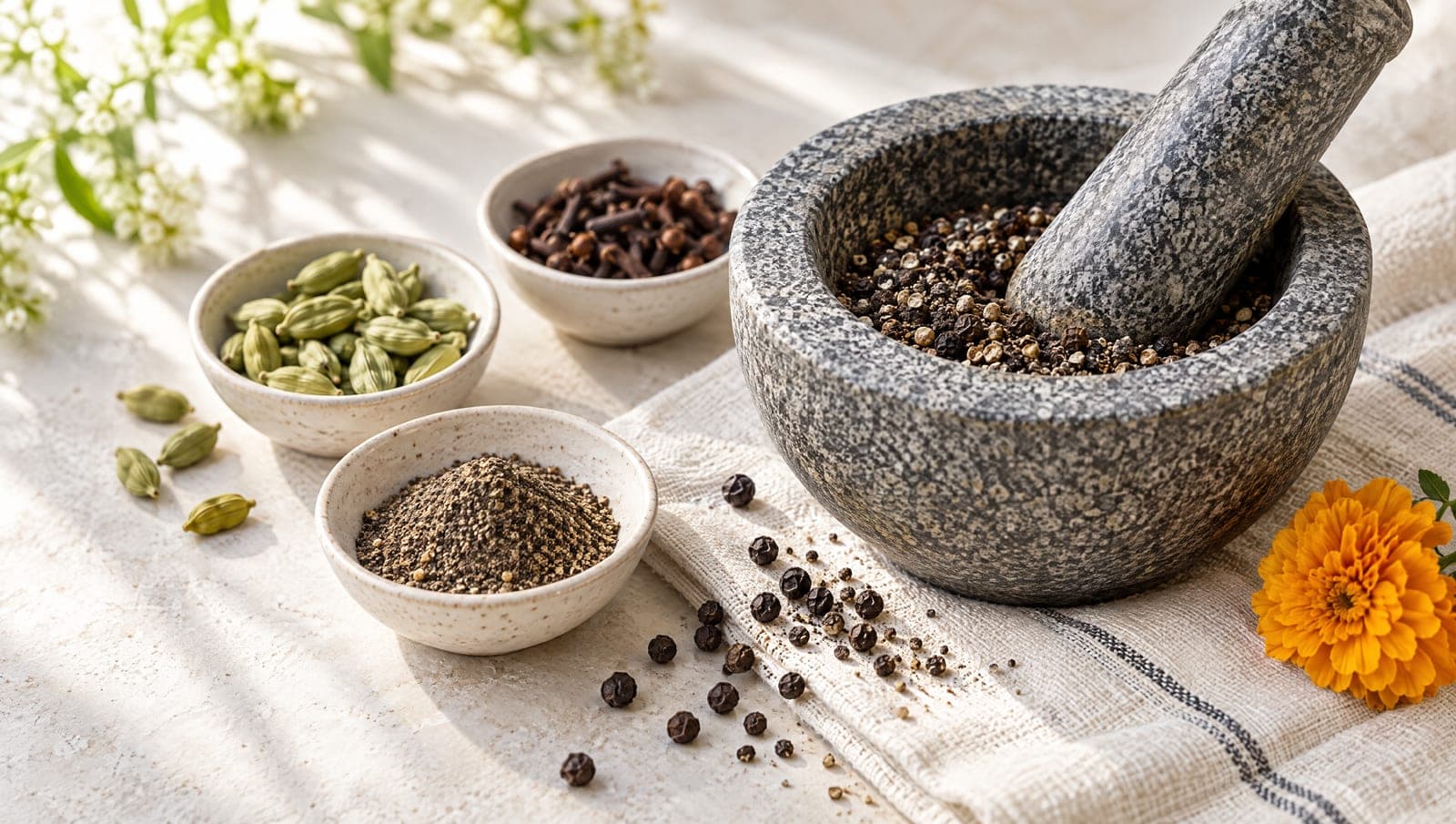
Whole spices hold their oils inside a natural shell. Once ground, the surface area jumps and the aroma escapes faster. McCormick's own shelf life guidance gives whole spices about four years and ground spices two to four years, and it notes that old spices are not harmful, they just add less flavour. So buy whole green cardamom, pepper and cloves for daily use, and crush a few pods in a mortar just before they go into the chai or kheer.
The fridge myth, and when cold storage helps
Many of us were told to keep spices in the fridge "so they last". For most dry spices this backfires. Every time a cold jar comes out into a warm Indian kitchen, moisture from the air condenses inside it. That is how elaichi powder turns into a hard cake and how peppercorns turn dull.
Here is a simpler way to think about it:
- Daily use spices (the masala dabba, the jar of pepper you grind every day): keep at room temperature in a cool, dark cupboard.
- Large bulk stocks you will not open for months: the freezer can work, but only in a truly airtight container, split into small portions, and each portion must come to room temperature before you open it.
- Fresh pastes and wet masalas (ginger garlic paste, green chutney): these do belong in the fridge, because they are not dry spices at all.
If you do refrigerate something, never open it cold. Let the closed jar sit on the counter for twenty to thirty minutes first.
How long do spices keep their aroma?
There is no single number, because it depends on the spice, the grade and how it is stored. What matters more than the calendar is the "best before" date printed on the pack, plus your nose. A quick home test:
- Rub a pinch of powder, or crack one whole pod, between your fingers.
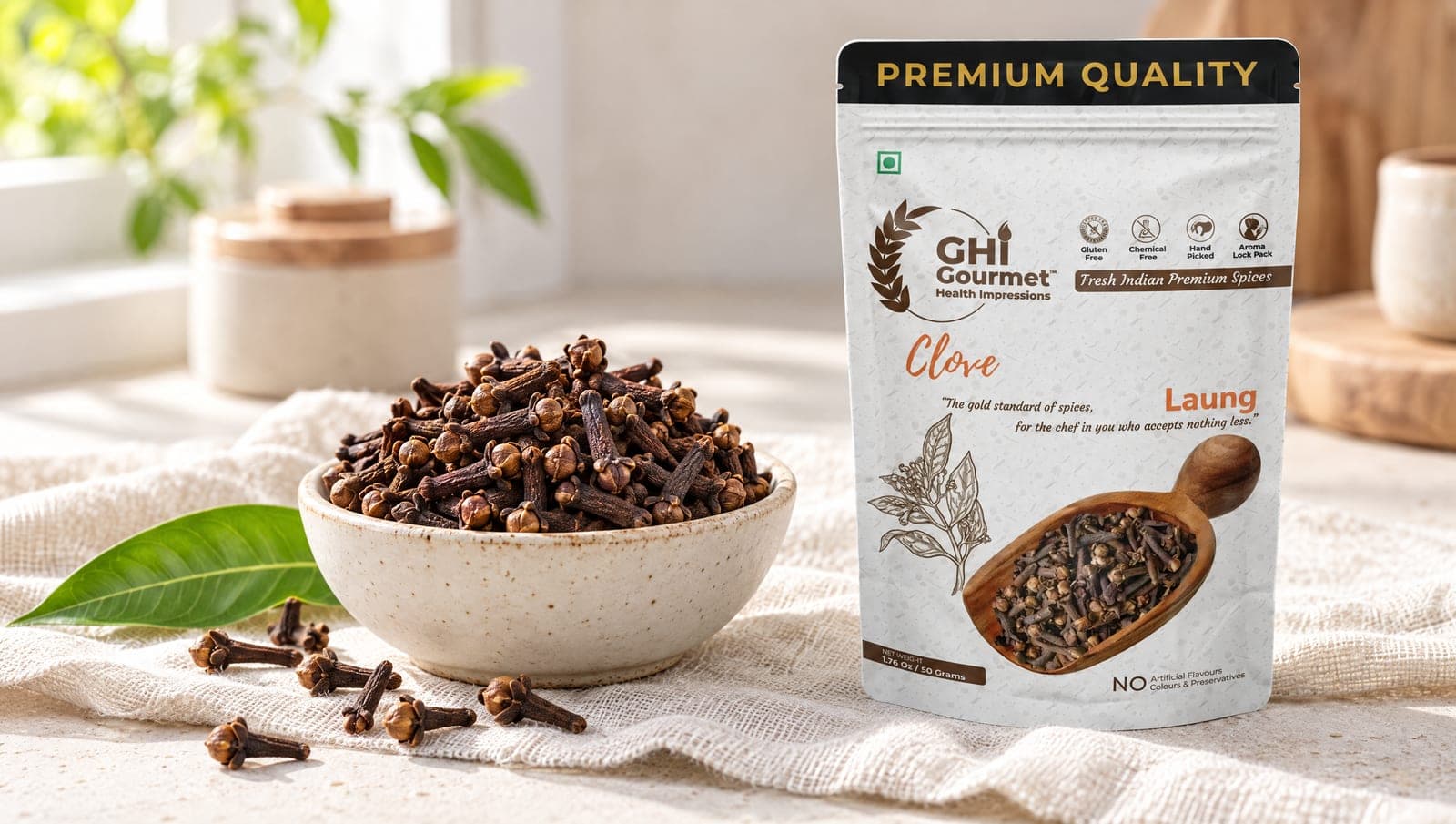
- Smell it immediately. A good clove smells sweet and warm, a good cardamom smells bright and almost floral, good pepper has a sharp bite.
- If you have to put your nose right into the jar to smell anything, use it up quickly in long-cooked dishes where it is less noticeable, and restock.
Colour is another clue. Cardamom pods fade from green to a pale straw colour as they age, and powders turn dull and dusty.
How to use a resealable pouch properly
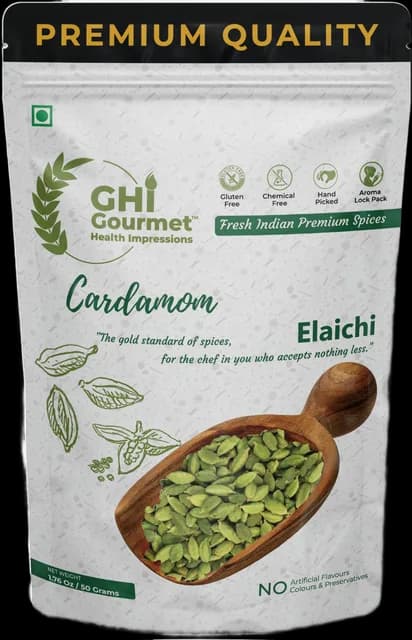
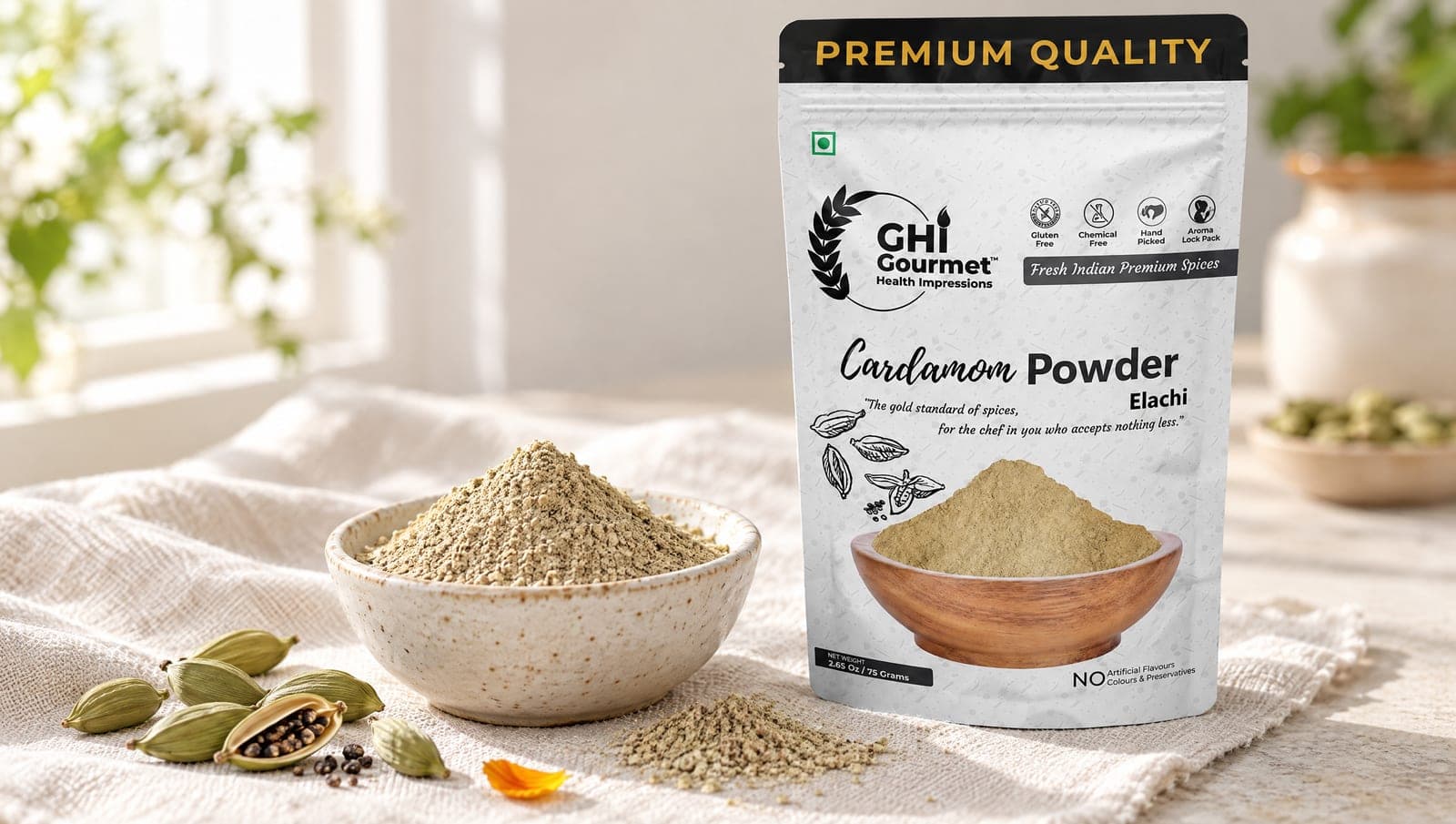
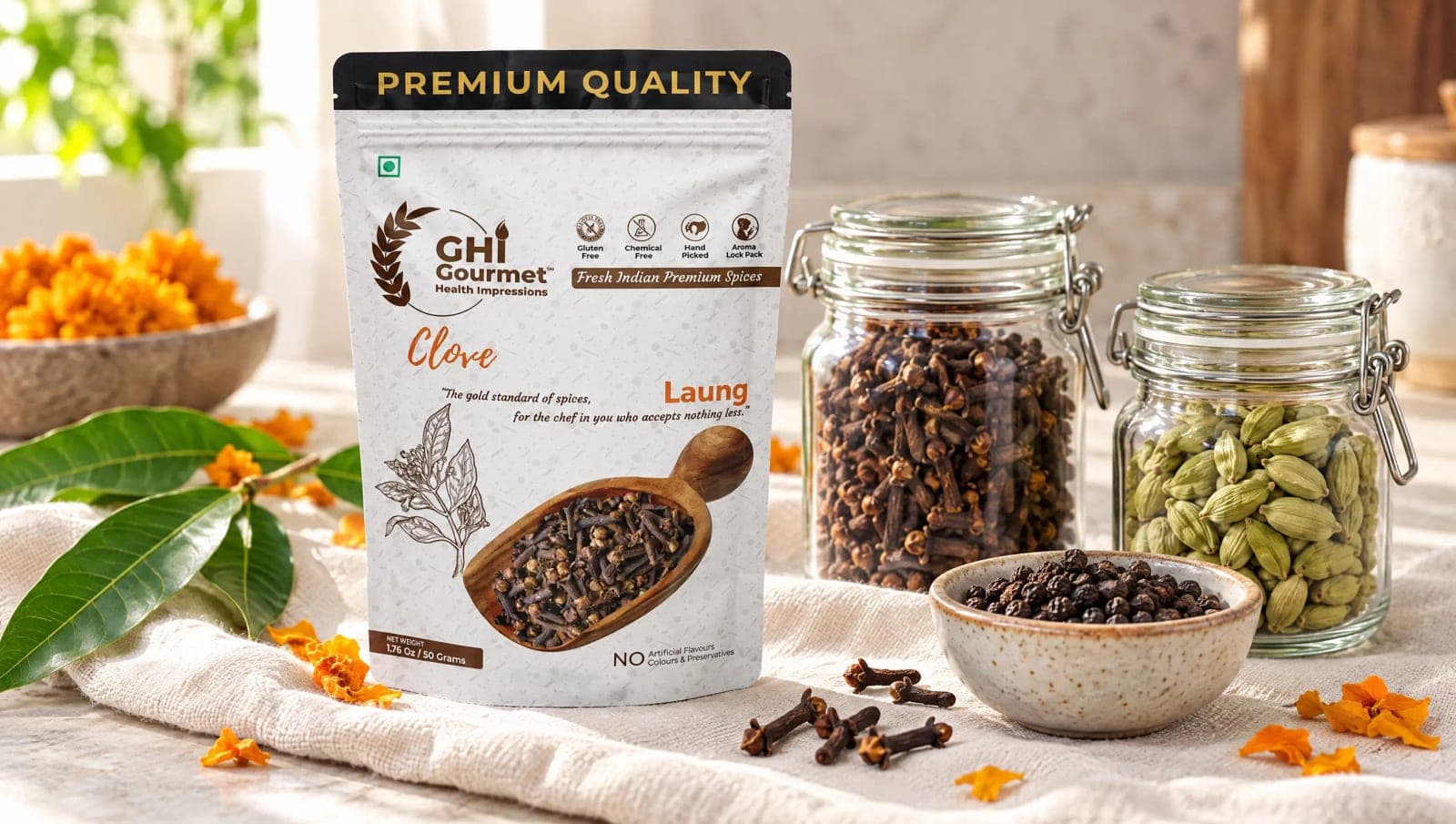
Most good spices now come in stand-up pouches with a zip seal. At GHI we pack our whole and ground spices in resealable pouches marked "Aroma Lock Pack", and the pouch is designed to be your storage, not just packaging. A few habits make a big difference:
- Press the air out before sealing. Lay the pouch flat, push the air gently towards the top, then run your fingers along the zip from one end to the other.
- Check the zip is fully closed. Run your thumb along it twice. A zip that is closed in the middle but open at one corner is not sealed.
- Roll the top down as the pouch empties, so there is less trapped air above the spice.
- Keep the zip clean. Powder caught in the zip stops it from closing. Tap the pouch before sealing and wipe the track with a dry cloth if needed.
- Store the pouch in a cupboard, not on the counter, and away from the stove.
If you prefer jars, decant a small amount into a jar for daily use and keep the rest sealed in the pouch. That way the bulk of the spice is opened far less often.
A quick setup for a typical Indian kitchen
You do not need a spice rack from a catalogue. Try this:
- One masala dabba with a tight lid for the six or seven spices you use every day, filled with a two to three week supply.
- Original resealable pouches or airtight jars for the refills, in a closed cupboard away from the stove.
- A small mortar and pestle, or a dedicated spice grinder jar, for crushing whole spices fresh.
- A marker to write the date you opened each pouch or jar.
If you are restocking, our whole spices keep longest, while ground spices are handy for quick cooking and baking. Buy powders in sizes you will finish within a few months.
Common mistakes to avoid
- Storing spices in the drawer right beside the stove.
- Shaking jars directly over boiling dal or sabzi.
- Using a wet spoon, or the same spoon for haldi and then for elaichi powder.
- Buying a year's worth of powder in one go.
- Pouring a new pack on top of old spice in the same jar. Finish the old first, or use it separately.
Frequently asked questions
Is it better to store spices in glass or steel?
Both work well if the lid is truly airtight. Glass lets you see what is left, but keep it in a dark cupboard. Steel blocks light completely, which is useful if your kitchen gets a lot of sun.
Should I keep cardamom and cloves in the fridge?
For daily use, no. A cool, dark cupboard is better, because taking a cold jar in and out of the fridge lets moisture condense inside. Only consider the freezer for a large bulk stock that stays sealed for months.
How do I know if my spices are too old to use?
Check the best before date on the pack, then trust your nose. Crush a little between your fingers. If the aroma is weak or the colour has faded, the spice is past its best for flavour, even if it is not unsafe.
Can I store spices in the pouch they came in?
Yes, if it is a resealable pouch. Press out the air, close the zip fully, roll the top down as it empties and keep it in a cupboard away from heat and light.
Do whole spices really last longer than powders?
Yes. The whole seed or pod protects its oils until you break it. That is why many cooks buy whole cardamom, pepper and cloves and grind small amounts as they need them.