30 May 2026
How Whole Spices Are Processed: From Harvest to Pack
A single cardamom pod or peppercorn looks simple, but it has passed through many hands and machines before it reaches your kitchen. Understanding how whole spices are processed, from harvest to pack, makes it much easier to judge what you are buying. At every stage there is a choice between doing things carefully and doing them quickly, and that choice shows up in the aroma, colour and cleanliness of the finished spice.
Harvesting: timing sets the ceiling on quality
No amount of careful processing can put back flavour that was never there. Harvest timing decides the best quality a spice can ever reach.
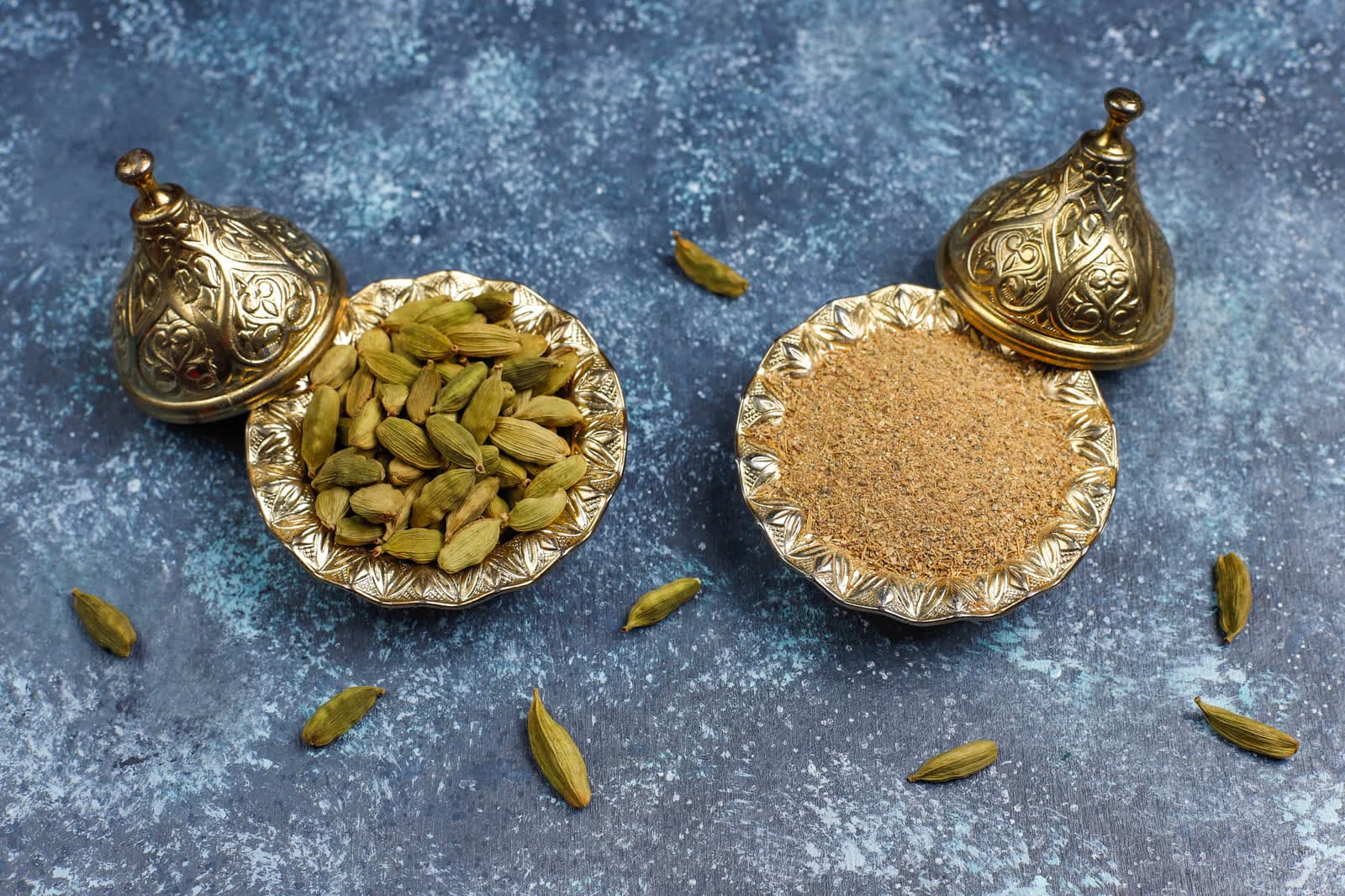
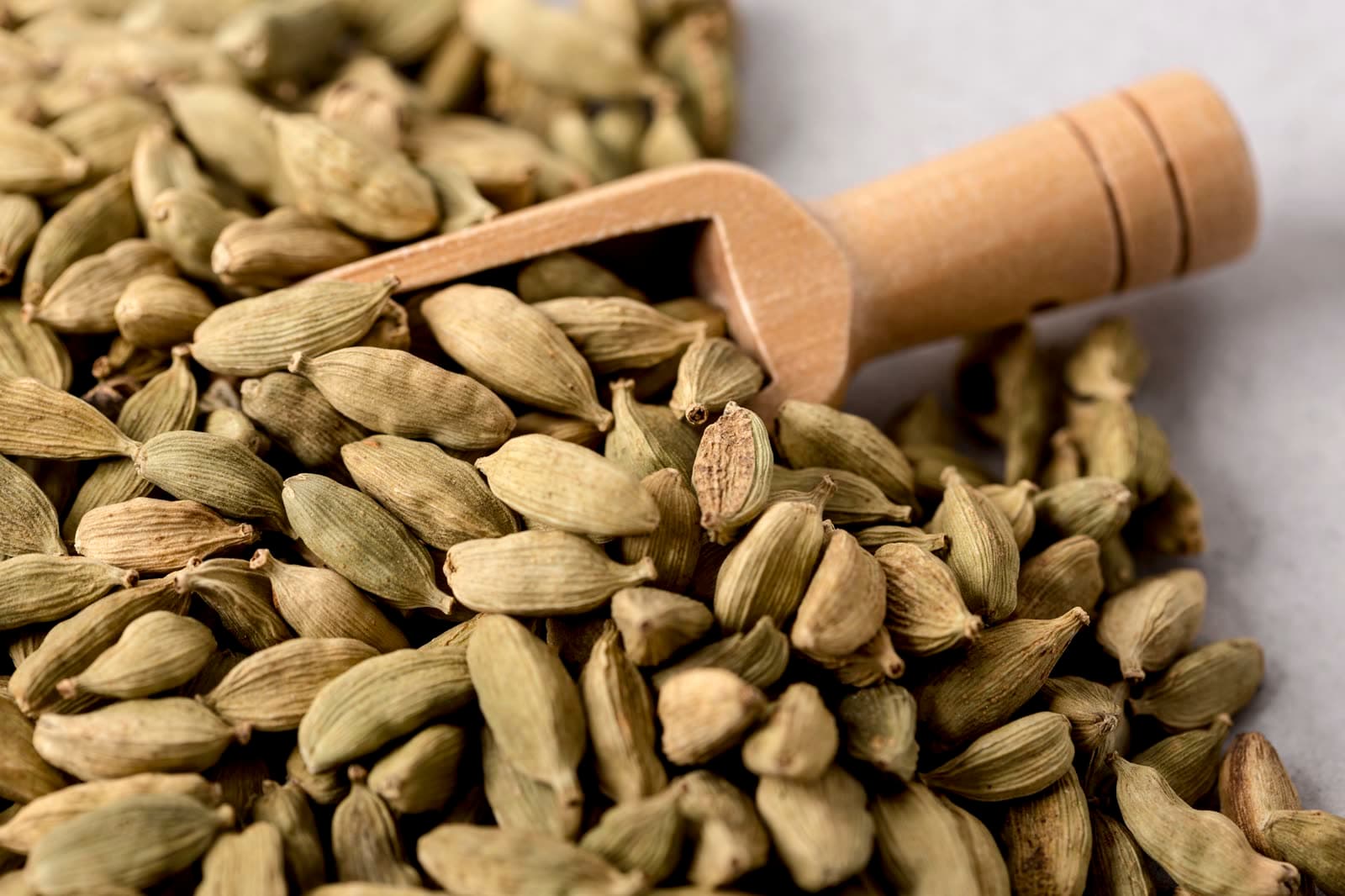
- Green cardamom is usually picked by hand in several rounds, because capsules on the same plant ripen at different times. Pickers aim for pods that are mature but still green.
- Black pepper is harvested as whole spikes once the berries are fully developed, commonly when one or two berries on a spike begin to turn yellow or red.
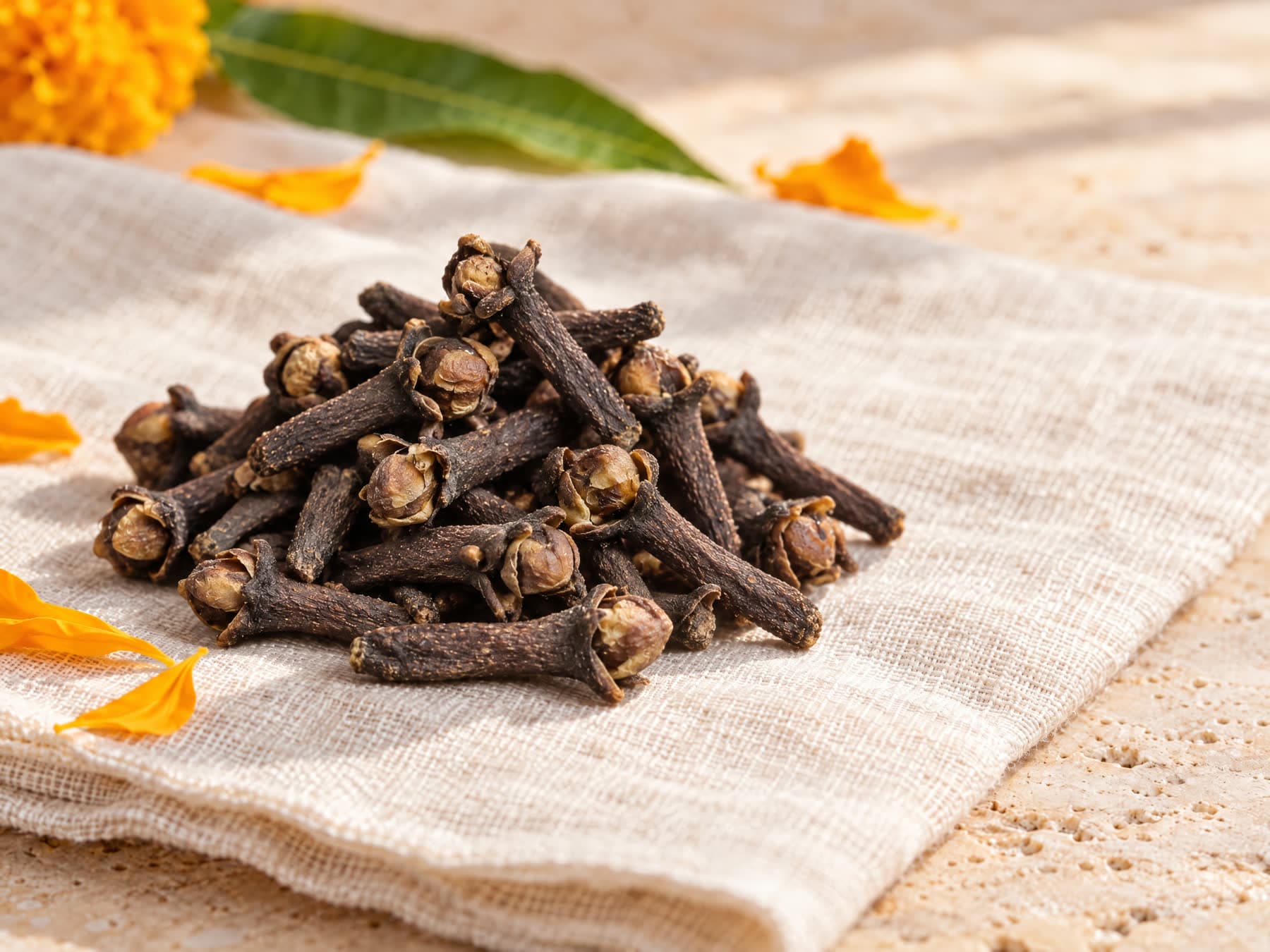
- Cloves are the unopened flower buds of the clove tree, picked when they turn pinkish, just before they bloom.
- Cinnamon is the inner bark of the tree, peeled from young shoots at a time when the bark comes away easily.
Where quality is lost at harvest
Picking too early is the most common shortcut, especially when prices are high and growers want to sell quickly. Immature cardamom shrivels, immature pepper dries light and hollow, and early cloves lack oil. Picking too late brings its own problems: split cardamom, overripe pepper that sheds its skin, and clove buds that have already opened into flowers.
Curing and drying: the most delicate step
Freshly picked spices hold a lot of water. Drying brings that down to a safe level so the spice can be stored without mould, while keeping as much essential oil as possible. It is the step where the most quality is gained or lost.
How different spices are dried
| Spice | Common method | What careful drying protects |
|---|---|---|
| Green cardamom | Cured in heated drying chambers with controlled temperature and airflow | Green colour and volatile aroma |
| Black pepper | Separated from spikes, sometimes dipped briefly in hot water, then sun-dried or machine-dried | Even dark colour, clean skin and pungency |
| Cloves | Spread on mats and sun-dried until the buds turn dark reddish brown | Oil content and intact heads |
| Cinnamon | Bark rolled into quills and dried slowly, first in shade | Sweet aroma and unbroken quills |
Where quality is lost during drying
Drying spices directly on bare earth or by the roadside exposes them to dust, stones, animal contamination and ground moisture. Clean mats, raised platforms or mechanical dryers make a real difference. Drying too slowly, for instance through a spell of damp, cloudy weather, gives mould a chance to start. Drying too hot or too fast drives off the very oils that give a spice its value, and in cardamom it pushes the colour from green towards yellow or brown. Under-dried spices can look fine at first, then turn musty in storage weeks later.
Cleaning: removing what does not belong
Dried spices straight from the field often carry stalks, leaves, stones, dust, light immature berries and sometimes bits of metal or plastic picked up along the way. Cleaning removes these in several passes:
- Sieving and winnowing separate dust, chaff and light material.
- Destoning removes stones and heavy particles that are close in size to the spice.
- Magnetic separation pulls out stray metal fragments.
- Manual picking on sorting tables catches what machines miss, such as discoloured or damaged pieces.
Where quality is lost during cleaning
Skipping cleaning passes saves time and keeps the weight up, since stones and stalks are paid for by the kilo along with the spice. Some lots are also "cleaned" in ways that do harm, such as polishing with oil or treating with colour to hide dull, low-grade material. Real cleaning removes impurities rather than disguising them. Our look at whole spices and the essence of black pepper describes what clean, well-handled pepper should look and smell like.
Grading: sorting by size, weight and appearance
Once clean, spices are graded. Grading groups similar pieces together so that a buyer knows what to expect, and so that the best material is not averaged down by the worst.
- Cardamom is commonly graded by pod size using sieves with holes of set diameters, along with colour and the share of split or immature pods.
- Black pepper is graded by berry size and by bulk density, meaning how much a fixed volume weighs. Heavier, denser berries usually indicate mature, well-filled pepper, while very light berries are often immature.
- Cloves are graded by head size, whether the heads are intact, and the share of loose stems and damaged buds.
- Cinnamon is graded by quill thickness, colour and how unbroken the pieces are.
Where quality is lost during grading
Mixing grades is the classic trick: a layer of bold pods on top of smaller or split ones, or immature pepper blended in to lower the average cost. Grading done honestly, whether by machine, by hand or both, is what allows a label to mean something.
Packing and storage: protecting what has been achieved
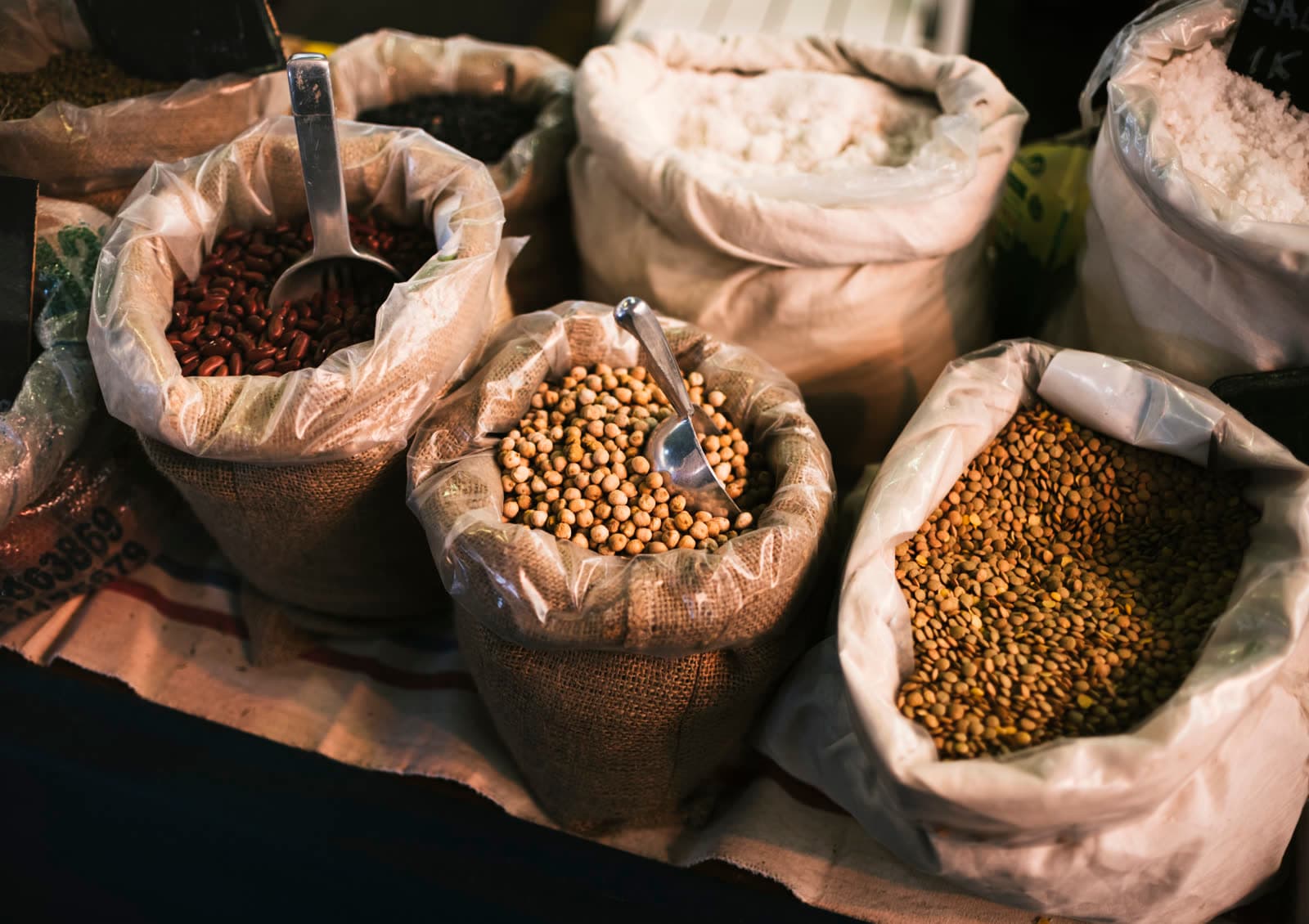
After all this work, the final step decides whether the spice reaches your kitchen in the same condition. Good packing typically involves checking moisture again, filling into food-grade materials that keep out air, light and humidity, and labelling each batch so it can be traced.
Where quality is lost after packing
Storing spices for long periods in open sacks, in humid warehouses or next to strong-smelling goods lets them absorb moisture and odours and slowly lose their oils. With the monsoon approaching in many parts of India, this is exactly the season when poor storage does the most damage. Thin, non-barrier packaging does the same on a shop shelf. Resealable packs matter once the spice is in your home, because every time a bag is left open, aroma escapes.
Certified food safety systems, such as FSSAI licensing and ISO 22000, exist to make handling at these stages consistent and traceable. A certificate does not guarantee flavour on its own, but it does tell you that hygiene and handling are being checked against a recognised standard.
What this means when you buy whole spices
You cannot watch the journey yourself, but the result leaves clues you can read at home:
- Uniform size suggests genuine grading.
- Natural, even colour suggests careful drying and no cosmetic treatment.
- A strong aroma when crushed tells you the essential oils survived harvest, drying and storage.
- No dust, stones or stalks in the pack points to thorough cleaning.
- Clear labels, with a packing date, a food safety licence and certifications, show accountability.
Buying whole rather than pre-ground also keeps more of that effort intact, since the pod, bud or bark goes on protecting the oils until you crack it. Browsing a range of whole spices, or simply opening a pack of whole cloves and checking for intact heads and a sharp, warm smell, is a good way to practise spotting these signs.
Frequently asked questions
How are whole spices processed after harvest?
Most whole spices are dried or cured, cleaned to remove stones, dust and stalks, graded by size and quality, and then packed in protective packaging with batch labels.
Why is green cardamom dried in heated chambers instead of the sun?
Controlled heat and airflow help cardamom keep its green colour and aroma. Direct sun tends to bleach the pods and can dry them unevenly.
What does grading mean for spices?
Grading sorts spices by size, density, colour and defects, so each batch is consistent and buyers know what quality they are getting.
Why do some spices smell weak even when they look fine?
The essential oils may have been lost through early harvest, overheated drying, poor storage or simple age. Appearance alone does not show oil content.
Do certifications guarantee spice quality?
Certifications such as FSSAI and ISO 22000 show that food safety and handling are managed to a standard. Flavour still depends on grading and freshness.
Every good spice is the sum of many small, careful decisions made long before it reaches you. GHI packs its graded whole spices without additives or preservatives in resealable packs, so the aroma a spice carries stays sealed in until you are ready to use it.