6 May 2026
Masala Dabba Guide: How to Set Up an Indian Spice Box
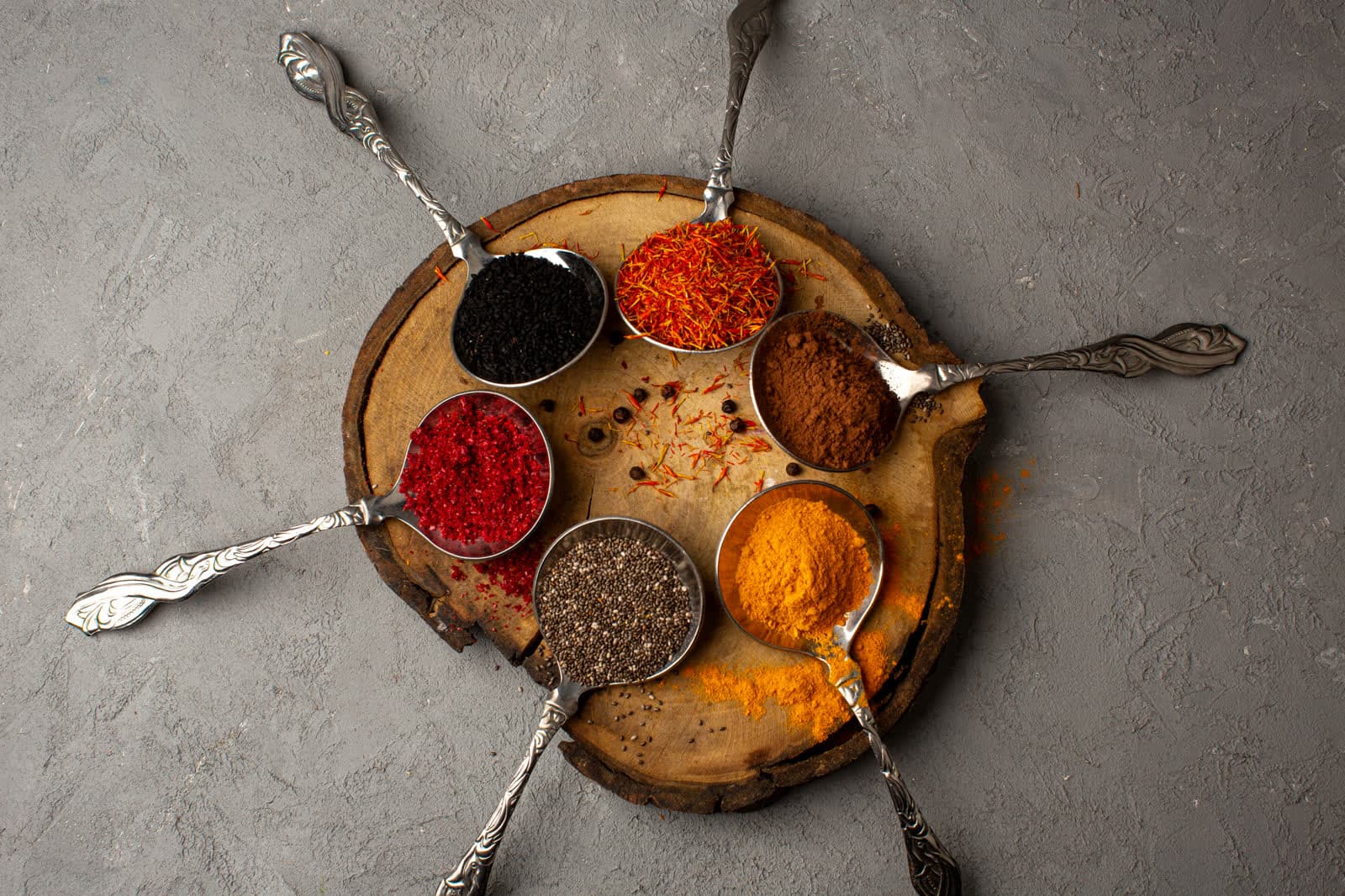
Few kitchen objects are as familiar as the masala dabba, the round steel tin with seven little bowls that sits beside the stove in so many Indian homes. After years of being swapped for rows of mismatched jars, it is quietly back in fashion, turning up in new kitchens, on wedding gift lists and in countless cooking videos. Here is how to set one up properly, fill it wisely and keep it working for you every day.
Why the masala dabba is making a comeback
The appeal is simple. One lid, one reach, and every spice you need for a dal or sabzi is right in front of you. When you are tempering, where seconds matter, that speed is a real advantage over opening five separate jars.
Younger cooks setting up their first kitchens are rediscovering what their grandmothers knew: a compact dabba encourages you to cook with a small, well-chosen set of spices and to use them up quickly. It also looks good on an open shelf, which matters in smaller city kitchens where storage is on show. And because it holds only a week or two of supply, the spices in it tend to stay fresher than those in a large jar opened every day for months.
Choosing the right spice box
Most dabbas are stainless steel, with a tight outer lid, often an inner glass or steel lid, seven katoris and one or two small spoons. Wooden and brass versions exist, but steel is the easiest to clean and does not hold on to odours.
What to check before buying
- A snug lid: it should close firmly, because a loose lid lets in steam and humidity from the stove.
- An inner lid: a second lid keeps powders from scattering when you open the box and adds another layer against moisture.
- A sensible size: an outer diameter of roughly 18 to 22 cm suits most families. Larger boxes tempt you to overfill.
- Removable bowls: they should lift out easily for refilling and washing.
- Food-grade steel with smooth, rounded edges inside the bowls, so powder does not cake in the corners.
The seven spices that commonly go in a masala dabba
There is no single correct set. The contents shift by region and by family, and that is part of the charm. Still, a typical North or West Indian dabba often looks something like this:
| Spice | Whole or ground | Typical everyday use |
|---|---|---|
| Mustard seeds | Whole | Tempering dals, poha and vegetables |
| Cumin seeds | Whole | Tadka for dal, jeera rice and sabzi |
| Turmeric | Ground | Colour and earthiness in almost everything |
| Red chilli powder | Ground | Heat and colour |
| Coriander powder | Ground | Body and mild sweetness in gravies |
| Garam masala | Ground | Finishing warmth |
| Asafoetida or fenugreek seeds | Ground or whole | Depth in dals and pickles |
Regional swaps
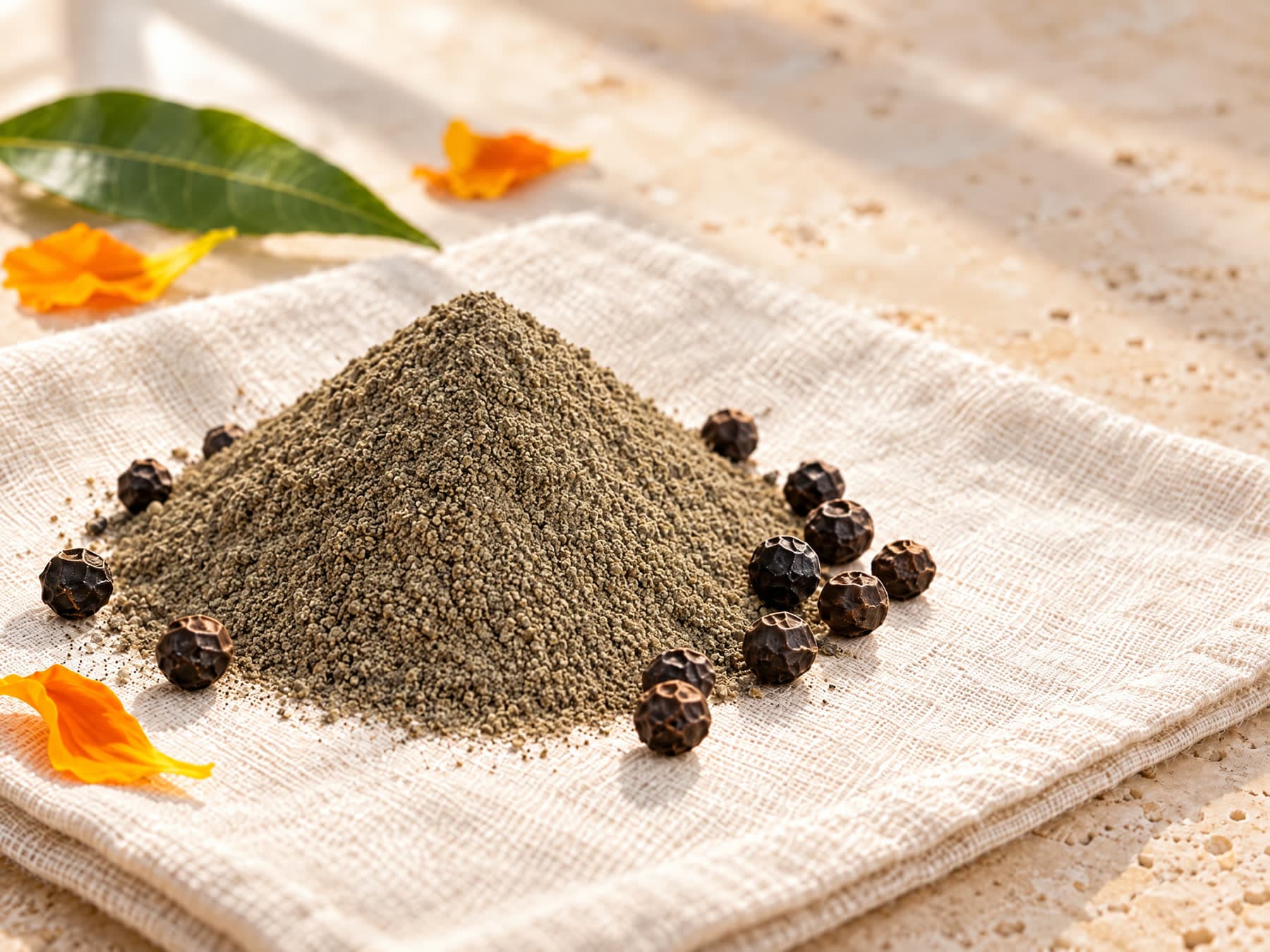
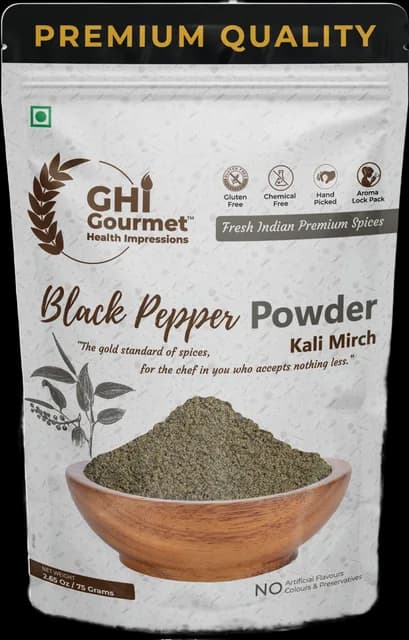
A South Indian dabba might hold urad dal and chana dal for tempering, dried red chillies and black peppercorns. A Bengali kitchen may keep panch phoron ready-mixed in one bowl. Gujarati homes often include ajwain and sesame seeds. Cooks who make a lot of rasam, egg bhurji or pepper chicken sometimes give the seventh bowl to freshly ground black pepper instead. Fill your dabba with what you actually reach for every week, not what you think a dabba ought to contain.
Whole vs ground spices in the dabba
A good dabba usually mixes both. Whole seeds such as mustard and cumin go straight into hot oil for tadka, and they hold their flavour well for several weeks. Ground spices such as turmeric, chilli and coriander blend into gravies and are the ones you measure most often.
Because ground spices lose aroma faster once exposed to air, keep the ground bowls filled only with what you will use in about two weeks. Seeds can go a little longer. If your coriander powder smells of almost nothing when you lift the lid, that is your signal to put in less at each refill.
A simple refill rhythm
- Weekly: glance at the ground spice bowls and refill any that are nearly empty.
- Every two to three weeks: refill whole seeds.
- Monthly: empty, wash and dry the whole box.
Refilling and cleaning your spice box
Refilling the right way
- Do not top up. Pouring fresh spice on top of old leaves stale powder at the bottom indefinitely. Use up what is there, then refill.
- Fill each bowl about two-thirds full, so the spoon works cleanly and the lid closes without pressing on the spice.
- Refill from sealed stock. Keep your larger packs closed, in a cool cupboard away from the stove, and decant only small amounts.
- Use a dry spoon every time. A wet or oily spoon introduces moisture that leads to clumping and, eventually, mould.
Cleaning routine
Once a month, or whenever you notice caking, empty the dabba completely. Wash the bowls and the box in warm soapy water, rinse well and dry everything fully. The strong May sun is ideal for this: an hour on a sunny windowsill leaves steel bone dry. Even a trace of moisture can make turmeric or chilli clump. Wipe the lid rim too, where oily fingerprints and powder collect, and only refill once every surface is completely dry.
Keep the dabba near the stove but not right beside the flame or directly above it, since steady heat and steam speed up the loss of aroma.
Keeping a second box for whole spices
Many households, especially those that cook pulao, biryani, chole or festive dishes often, keep a second dabba just for whole spices. These are the aromatics used less often but in bigger bursts: cardamom, cloves, cinnamon sticks, black peppercorns, bay leaves, star anise and dried red chillies.
Whole spices keep their essential oils locked inside the pod, bud or bark, so they last much longer than powders, and a second box can be refilled less often, perhaps every month or two. A typical set might hold:
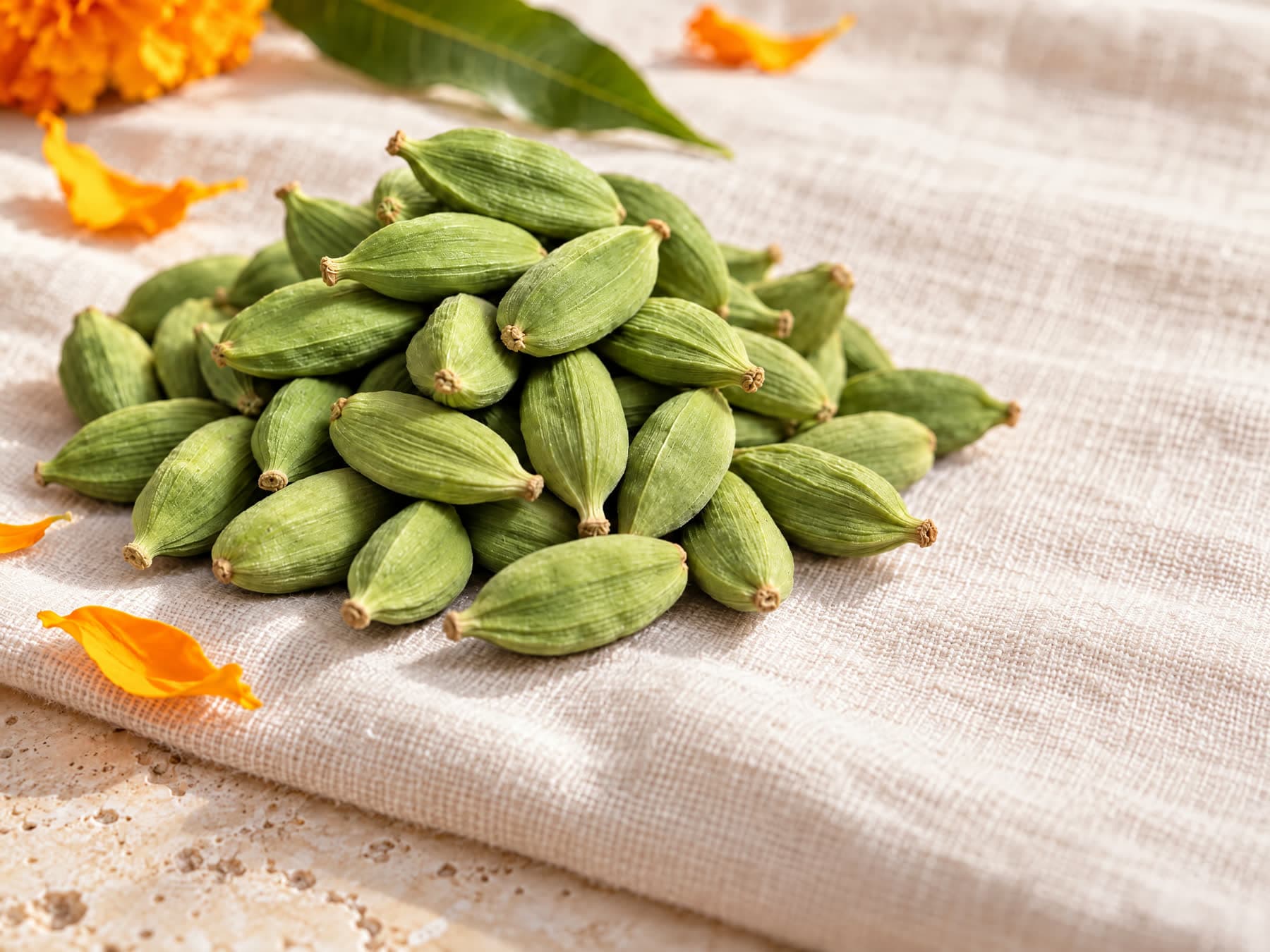
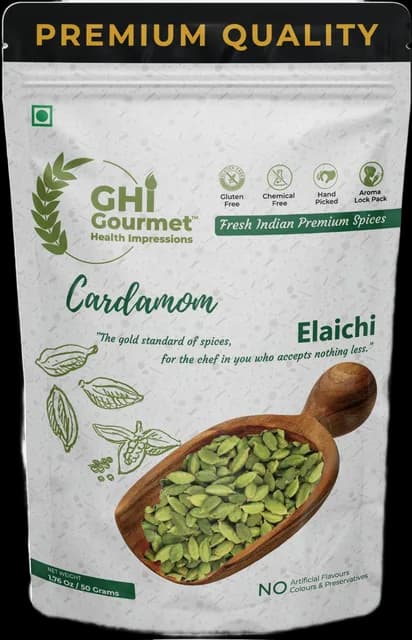
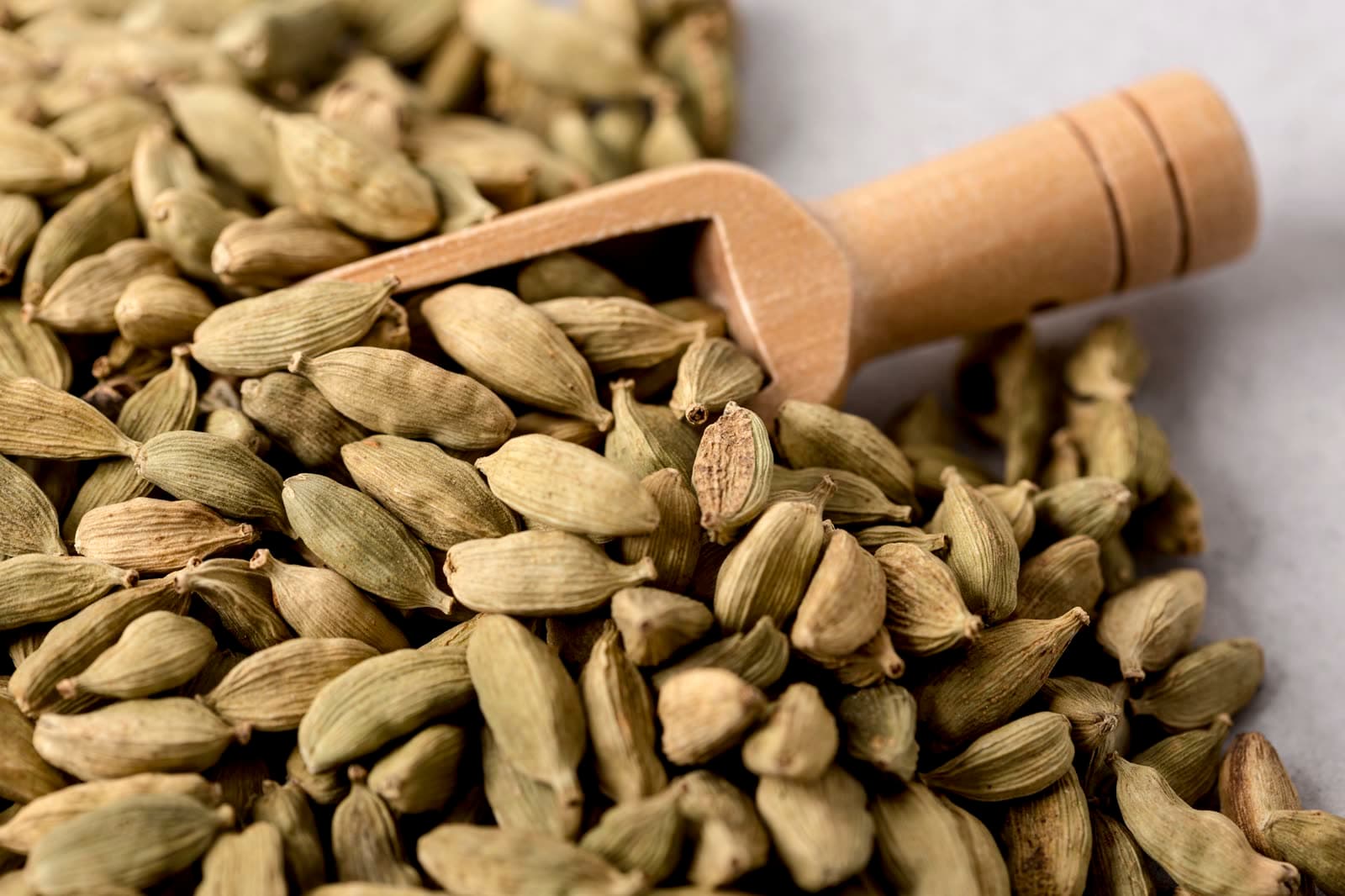
- Whole green cardamom for chai, kheer and pulao
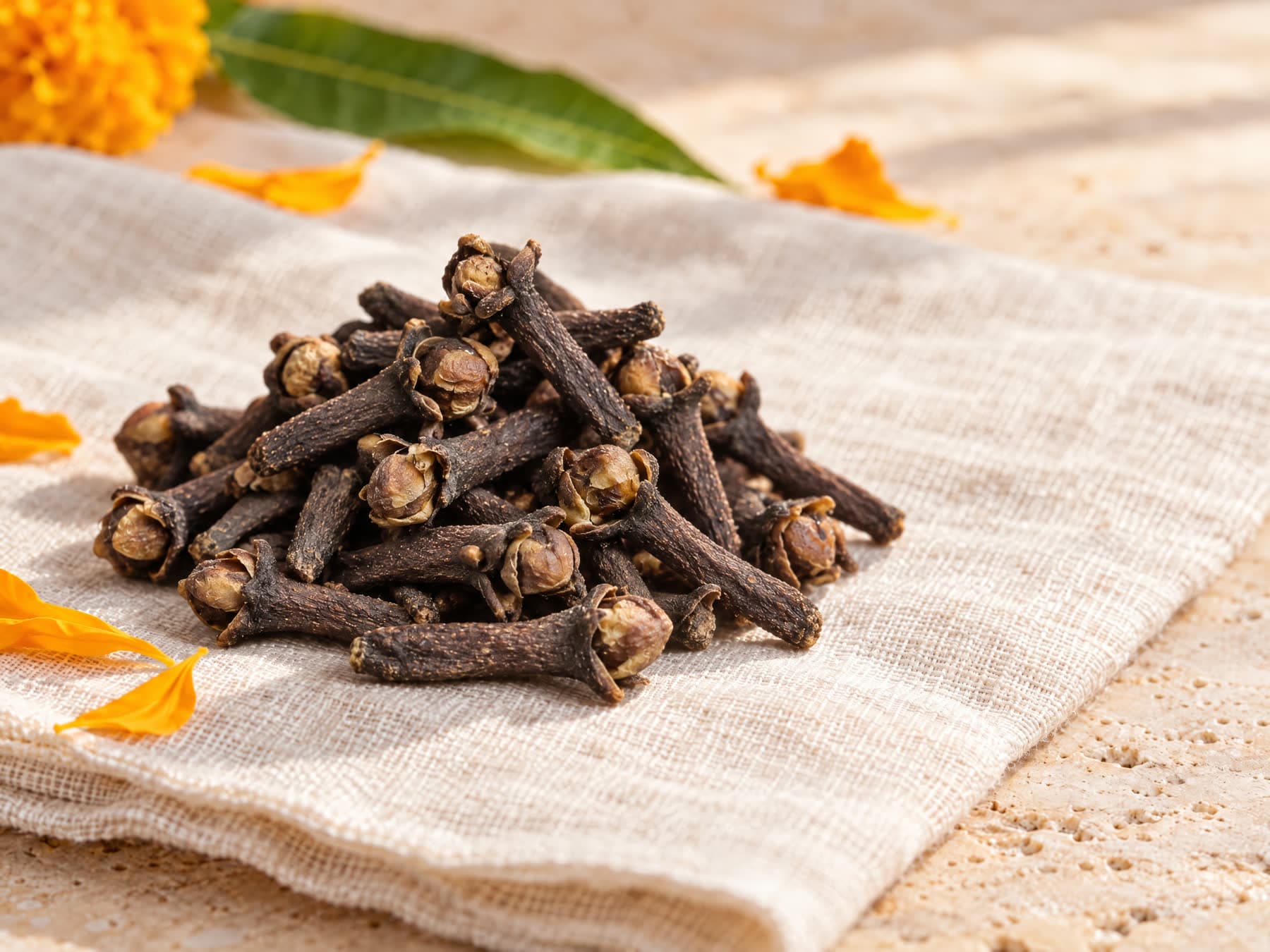
- Whole cloves for rice dishes, masala tea and pickles
- Cinnamon sticks for pulao, chole and baking
- Black peppercorns for crushing fresh
- Bay leaves and dried red chillies
- Star anise or black cardamom for richer gravies
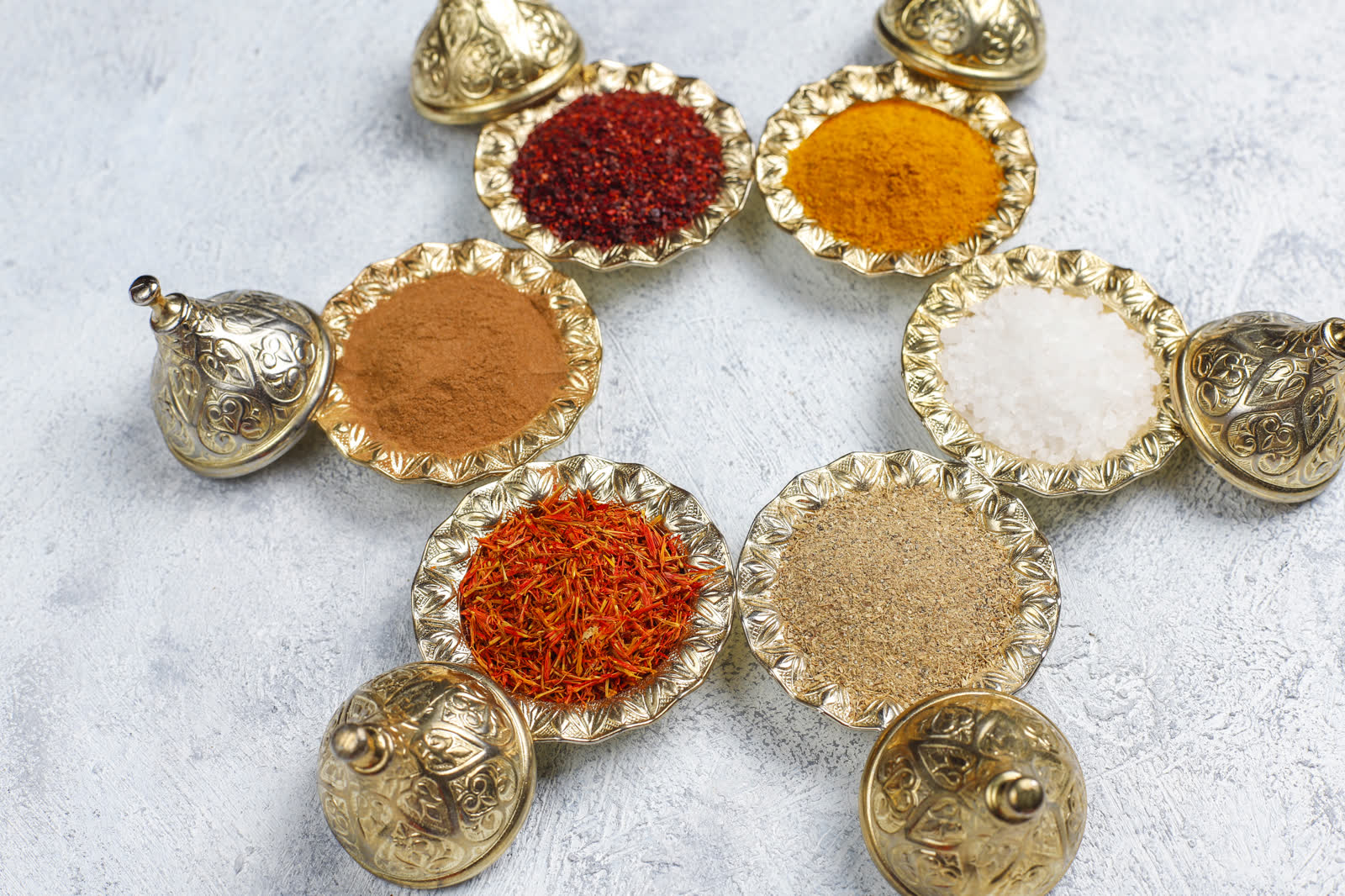
Because these spices cost more per gram, quality shows here. Look for well-graded pods and buds that smell strong when crushed, and buy in quantities you will finish while the aroma is still vivid. A selection of whole spices is a good starting point for building your second box.
Frequently asked questions
What spices go in a masala dabba?
A common set is mustard seeds, cumin seeds, turmeric, red chilli powder, coriander powder, garam masala and asafoetida or fenugreek. Adjust it to the spices your family uses most.
How often should I refill my masala dabba?
Refill ground spices every one to two weeks and whole seeds every few weeks. Empty each bowl before refilling rather than topping up.
How do I stop spices clumping in the spice box?
Keep the box away from steam, always use a dry spoon and make sure the bowls are fully dry after washing. A snug inner lid helps too.
Which is better, a steel or wooden masala dabba?
Stainless steel is easier to wash, does not absorb odours and seals well, which is why most home cooks prefer it. Wooden boxes look lovely but need more care.
Can I keep whole spices in the same masala dabba?
You can, but many cooks keep a second box for whole aromatics like cardamom, cloves and cinnamon, so the daily box stays focused on tempering spices.
A masala dabba is only as good as what goes into it, so fill it from fresh, well-sealed stock. GHI's graded whole and powdered spices come in resealable packs, which suits the small, frequent refills a dabba needs.