20 May 2026
Cardamom Powder vs Whole Cardamom Pods: When to Use Which
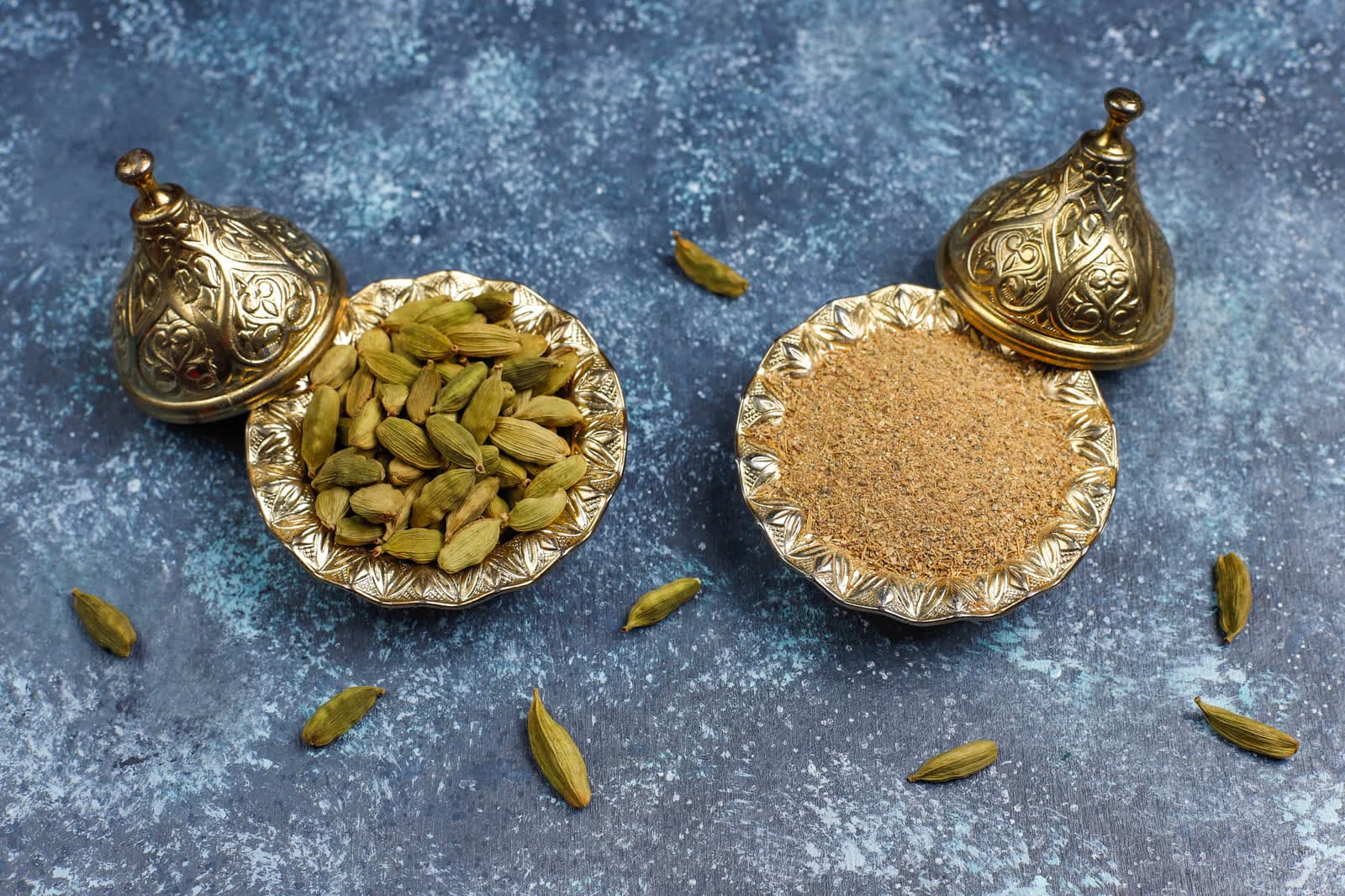
Cardamom powder vs whole cardamom pods is one of the most common questions in an Indian kitchen, and the answer changes depending on whether you are making biryani, chai or a bowl of chilled aamras. Both come from the same green pod, yet they behave very differently in the pan. Here is a practical guide to choosing between them, converting one to the other and keeping both fragrant through the summer.
Same spice, two very different forms
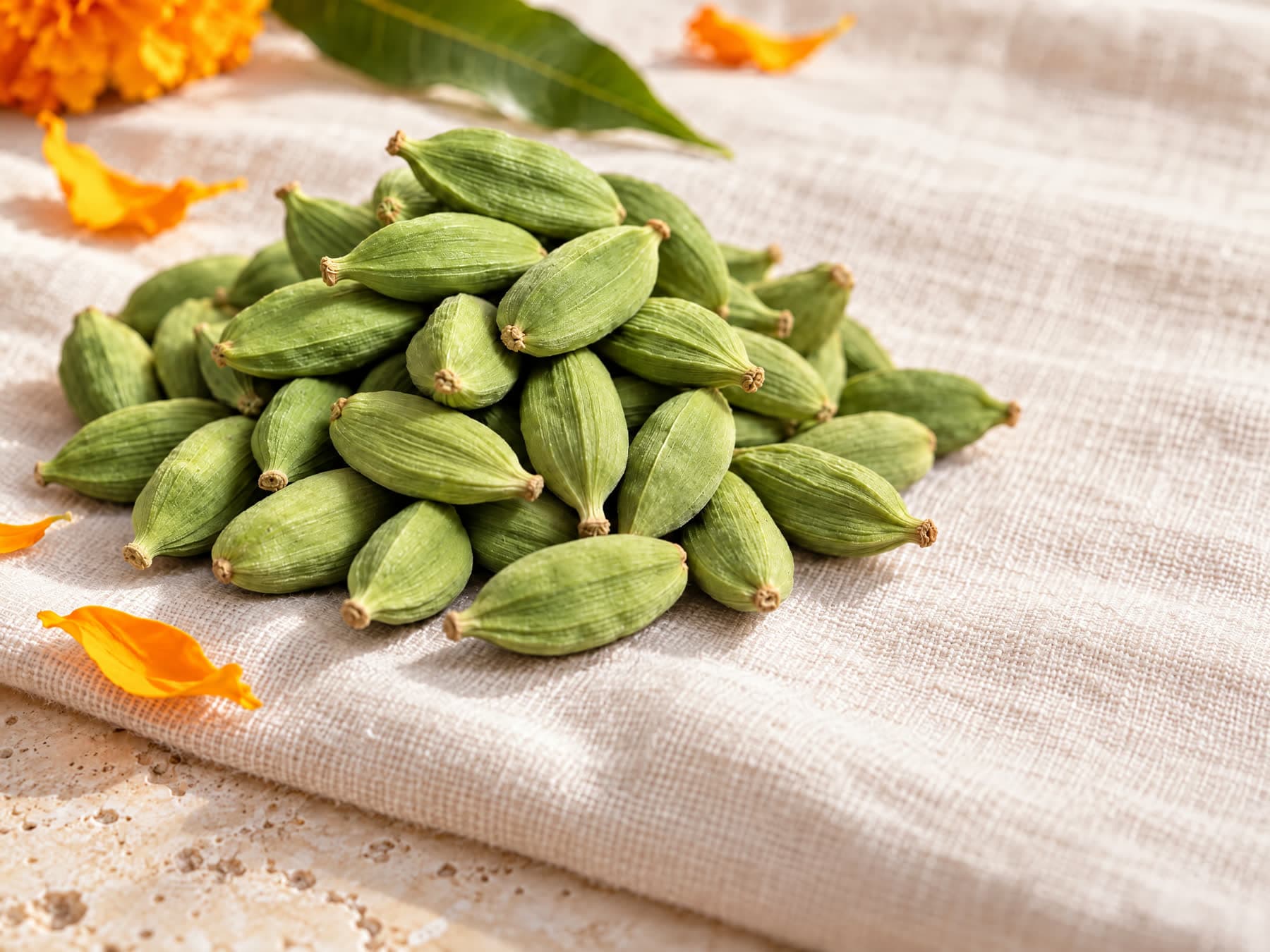
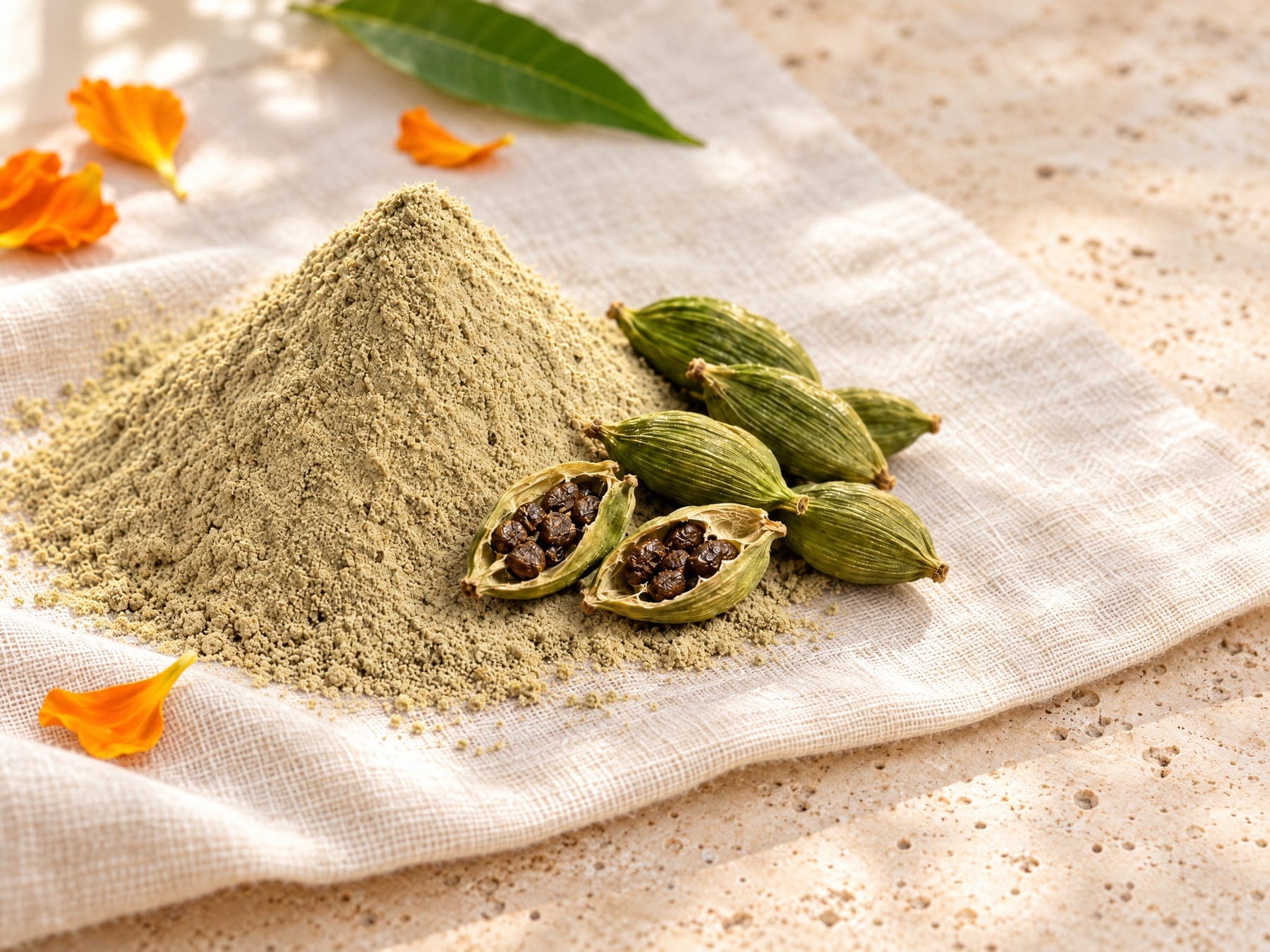
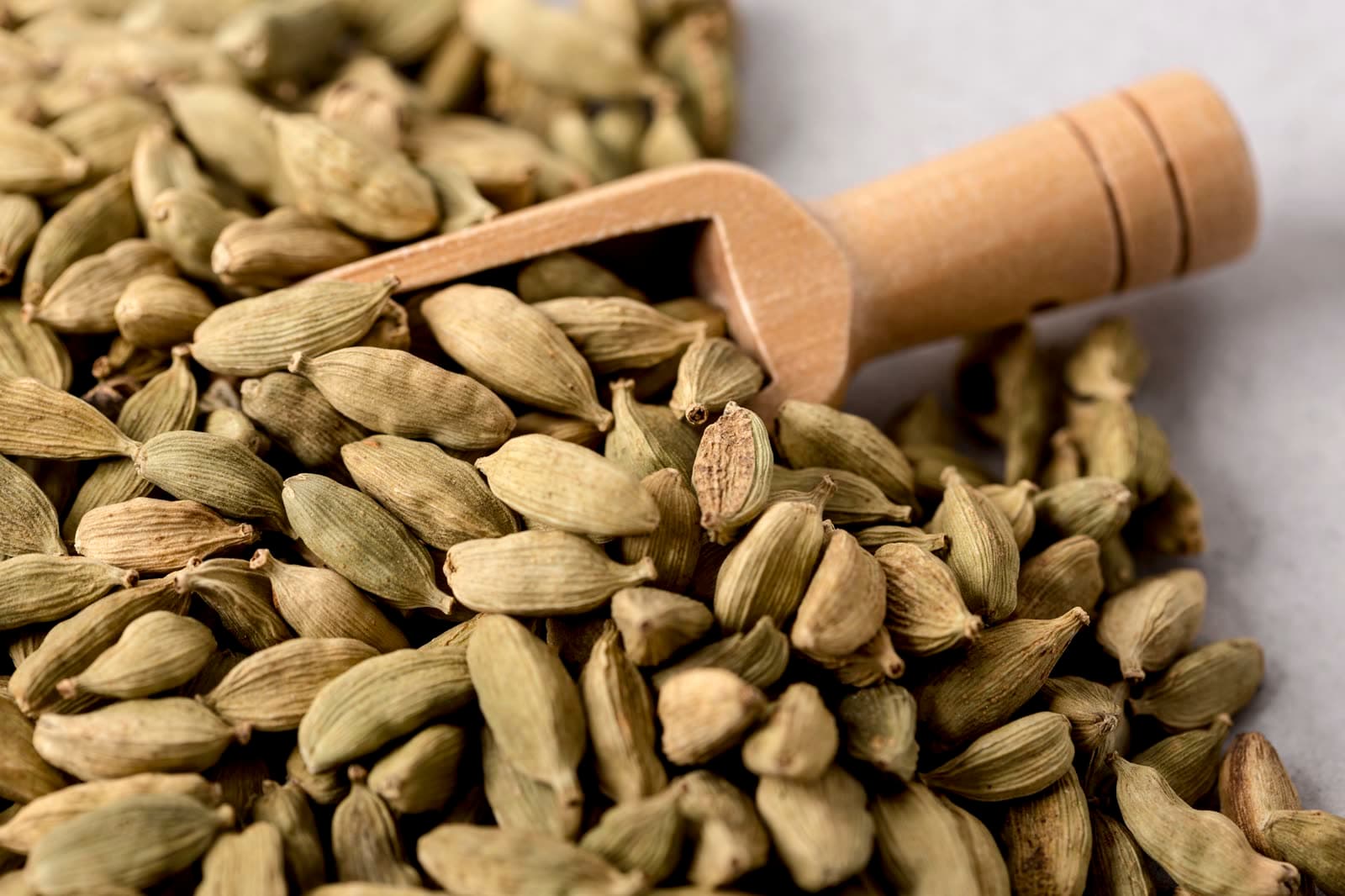
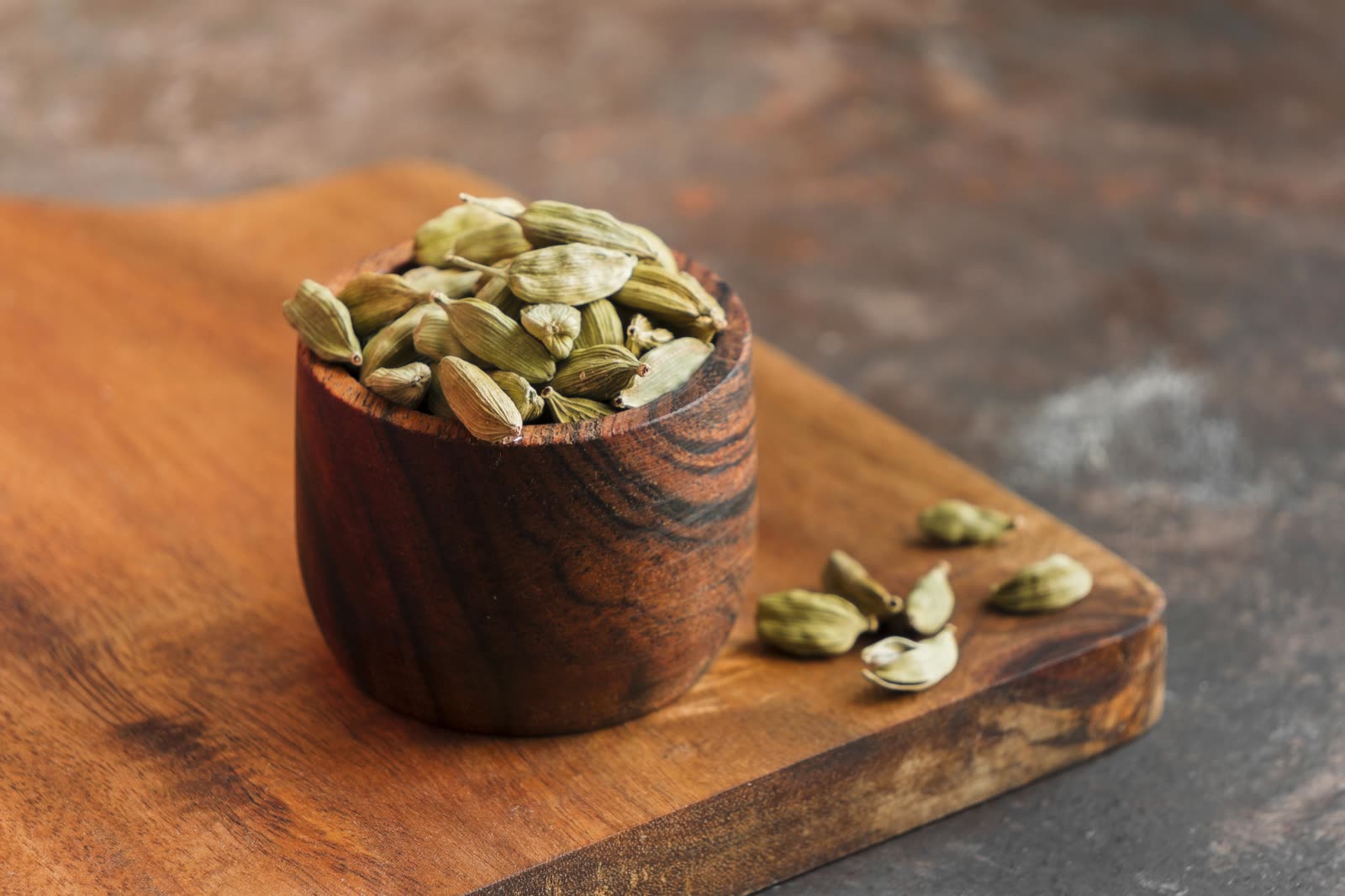
Green cardamom, or elaichi, is the dried fruit of a plant in the ginger family. Each papery pod holds a cluster of small, sticky, dark seeds, and those seeds carry almost all of the flavour. The husk protects them, keeping the aromatic oils sealed in until you crack the pod open.
Cardamom powder is those seeds, sometimes with part of the husk, ground fine. That makes it instantly usable, but it also exposes the aromatic oils to air. Grinding is the moment cardamom starts to fade.
So the choice is really a trade-off between convenience and keeping quality. Whole pods hold their aroma longer; powder saves you a step and blends in seamlessly.
How whole cardamom and cardamom powder taste different
Freshly crushed cardamom seeds smell bright, sweet and slightly cooling, with notes that remind many people of eucalyptus and citrus. That brightness comes from volatile compounds that evaporate easily.
Good cardamom powder, used within a reasonable time after opening, tastes warm and rounded, and it disperses evenly through milk, batter or sugar. Powder that has sat open for months tastes flatter and slightly dusty, because the lighter, fresher notes are the first to go.
Whole pods simmered in liquid release flavour gently and steadily. That is why a pod or two in a pot of rice perfumes the whole dish without overpowering it, whereas the same amount as powder would give a stronger, more immediate hit.
A note on husk
Some cardamom powders are made from whole pods, husk and all, while others use only the seeds. Husk adds bulk and a milder, slightly woody taste. The label or the brand should tell you which you are buying; if a powder looks pale and fibrous, it probably includes a good share of husk.
When to use whole cardamom pods
Reach for whole pods when the dish cooks slowly in liquid or fat, and when you want the cardamom to perfume rather than dominate.
- Biryani and pulao: 3 to 4 lightly bruised pods in the ghee or boiling water.
- Curries and kormas: 2 to 3 pods in the tempering alongside cloves and cinnamon.
- Masala chai: crush 2 pods for two cups and boil with the tea leaves. Crushing matters, as an unbroken pod gives very little.
- Kheer and payasam: simmer 3 to 4 crushed pods in the milk, then fish out the husks.
- Syrups and sherbets: pods simmered in sugar syrup give a clean flavour with no specks.
Pod size and grade matter here more than people realise. Large, evenly sized pods, such as hand-selected 8 mm whole green cardamom, tend to be well filled with seed, so each pod delivers more. Split one open: the seeds should be dark brown to black and slightly sticky, not pale and dry.
When cardamom powder is the better choice
Powder shines where texture matters or where there is no time for pods to infuse.
- Baking: cakes, cookies and nankhatai need cardamom evenly spread through the dough.
- No-cook sweets and drinks: shrikhand, mango lassi, thandai, cold coffee and aamras, where there is no simmering to draw flavour out of a pod.
- Ladoos and barfi: stirred in at the end so it stays fragrant.
- Quick finishing: a pinch over halwa, sheera or a glass of warm milk.
- Spice blends: homemade garam masala or chai masala.
With mangoes at their best this month, a pinch of cardamom powder stirred into chilled aamras or a mango lassi is one of the simplest pleasures of an Indian summer. Add it just before serving, since cardamom's lighter notes fade on standing.
The best of both: grind your own
If you want the aroma of whole pods with the convenience of powder, grind small batches. Peel the pods, crush the seeds with a pinch of sugar in a mortar (the sugar gives grip), and use within a couple of weeks. Keep the husks: dropped into your tea caddy or a jar of sugar, they still add a gentle perfume.
Converting pods to cardamom powder: an approximate guide
Recipes rarely agree on conversions, because pod size, how full the pods are and how finely you grind all change the answer. Treat this as a starting point and adjust to taste.
| Whole green pods | Approximate ground seed | Typical use |
|---|---|---|
| 2 to 3 pods | About 1/4 teaspoon | Two cups of chai, a small bowl of kheer |
| 5 to 6 pods | About 1/2 teaspoon | Mango lassi for four, a batch of ladoos |
| 10 to 12 pods | About 1 teaspoon | A cake, a large pot of kheer |
Large, full pods sit at the lower end of each range, while small or partly empty pods sit at the higher end. Freshly ground seeds also taste stronger than older powder, so when swapping fresh for shop-bought, start with a little less and taste.
Swapping powder into slow-cooked dishes
Whole pods in a biryani or curry only release part of their flavour into the dish, so a direct swap using the table above would be too strong. If a recipe calls for whole pods and you only have powder, use roughly 1/8 teaspoon for every 2 pods and add it later in the cooking so it does not scorch or turn bitter.
How to store whole cardamom and cardamom powder
Cardamom's enemies are air, light, heat and moisture, and an Indian summer brings plenty of the last three.
- Keep both forms in airtight containers, away from the stove and sunny windowsills.
- If your pack is resealable, press out the air before closing it each time.
- Use a dry spoon. A damp spoon in powder causes clumps and can lead to mould.
- Skip the fridge unless the container is truly airtight, because condensation does more harm than good.
As a rough guide, whole pods stored well stay aromatic for a year or more, while powder is at its best within a few months of opening. The simplest test is your nose: good cardamom should greet you the moment you open the jar. If you have to put your nose right in and still find little, it is time to replace it.
If you are curious about the other member of the family, our guide to black and green cardamom explains how the smoky black variety differs from the green pods discussed here.
Frequently asked questions
How many cardamom pods equal one teaspoon of powder?
As an approximate guide, the seeds of 10 to 12 green pods ground fine give about 1 teaspoon. Large, full pods need fewer; small ones need more.
Can I use cardamom powder instead of whole pods in biryani?
You can, but use a light hand, about 1/8 teaspoon for every 2 pods, and add it to the rice water or between the layers rather than frying it hard in ghee, where it can scorch.
Should I remove cardamom pods before serving?
It is a good idea in kheer, chai and syrups. In biryani and pulao many people leave them in, but it is kind to warn guests, because biting into a whole pod is intense.
How long does cardamom powder last after opening?
It stays usable for a long time if kept dry, but its aroma is best within a few months of opening. Whole pods keep their fragrance much longer.
Is it fine to have cardamom every day?
Many people enjoy cardamom daily in chai and sweets in normal cooking amounts. Anyone who is pregnant, on medication or managing a health condition should check with their doctor before taking any spice in larger, supplement-style amounts.
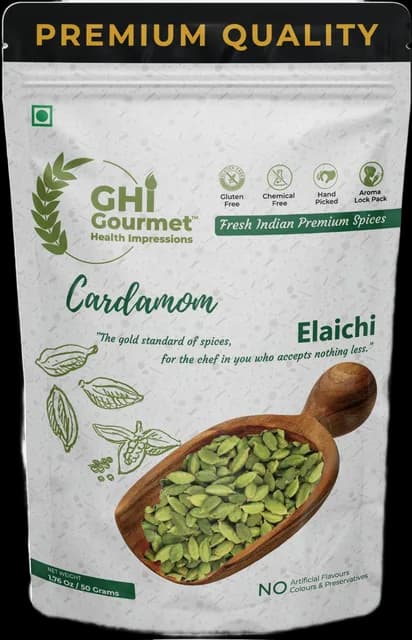
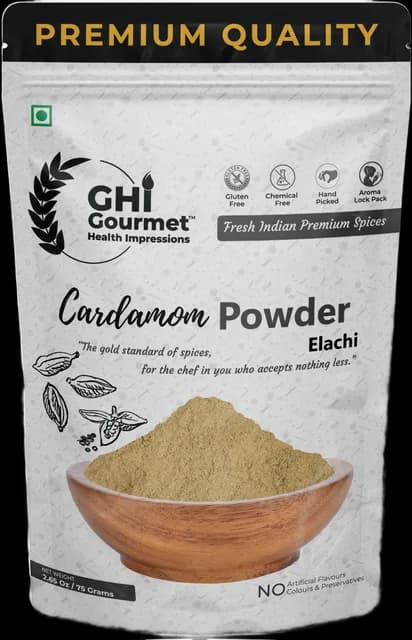
Whichever form you reach for, freshness is what makes cardamom sing. GHI offers both whole green pods and cardamom powder in resealable packs, so you can keep one of each and use them where they work best.