24 June 2026
Papaya Seeds in Black Pepper: How to Spot the Fake
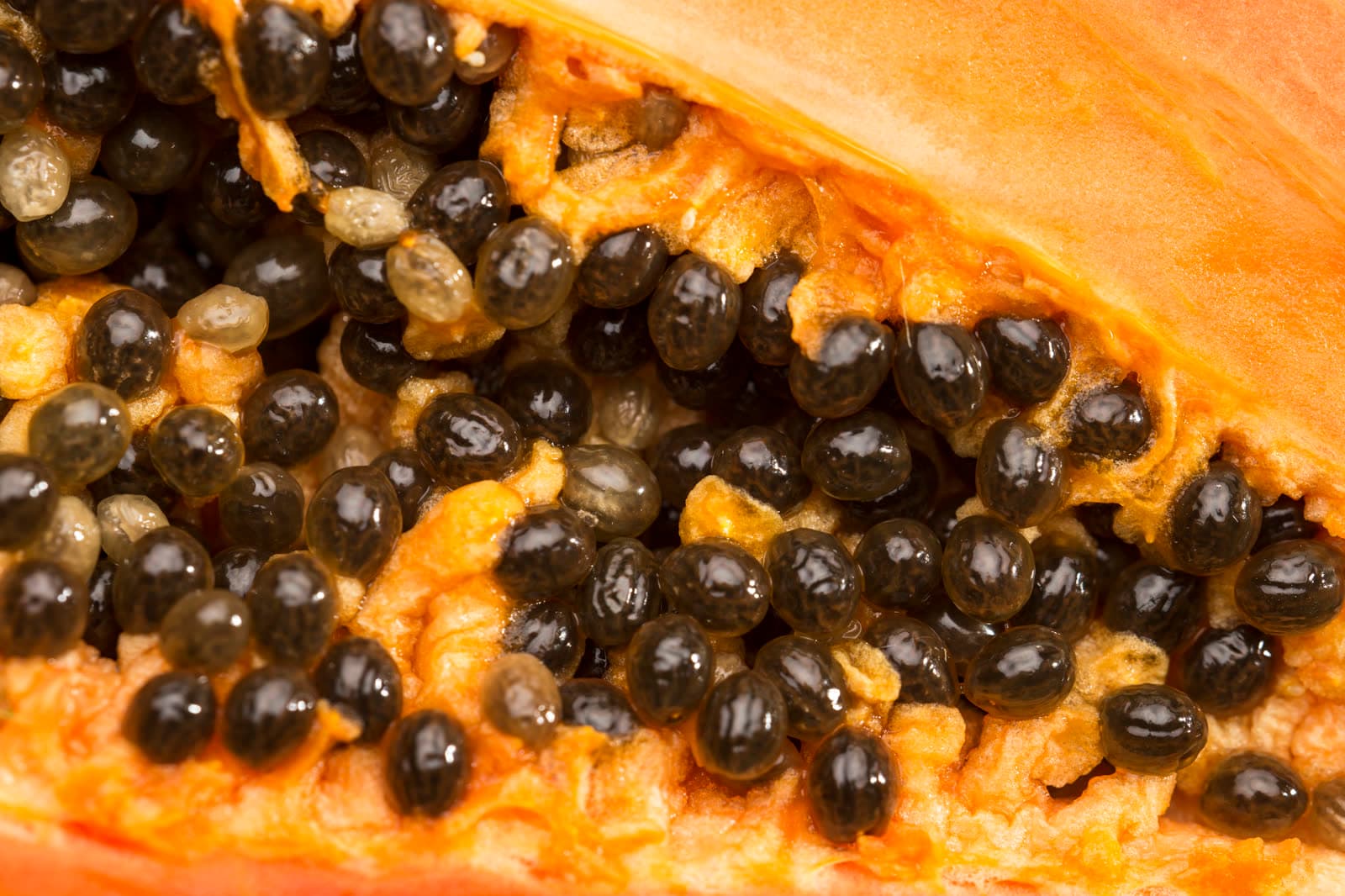
Papaya seeds in black pepper are one of the oldest tricks in the spice trade, and one of the easiest to miss. Dried papaya seeds look remarkably like peppercorns at a glance, and once they are mixed into a jar, most of us never think to check. The good news is that a few minutes at the kitchen counter, with a glass of water and a steel spoon, will tell you a great deal.
Why papaya seeds end up in black pepper
The reason is simple economics. Black pepper is a valuable spice sold by weight, while papaya seeds are a by-product that fruit sellers and juice counters usually throw away. Dried in the sun, the seeds shrivel, darken and take on a wrinkled surface that passes for pepper to a casual eye.
Mixing even a modest share of seeds into loose pepper stretches the stock and lowers the cost for the seller. It is most likely in unbranded, open or loosely packed pepper, where there is no batch number, no licence number and nobody who has to answer for what is inside.
There is a quieter cousin of this problem too: light berries. These are immature or hollow peppercorns with little oil and little heat. They are genuine pepper, only poorly graded, and they behave a lot like papaya seeds in the tests below. That is why grading matters as much as purity.
Papaya seeds vs black pepper: look, smell, taste and texture
Before any test, pour a spoonful of your pepper onto a white plate under good daylight. Spread it into a single layer and take a slow look. Most adulteration gives itself away to a patient eye.
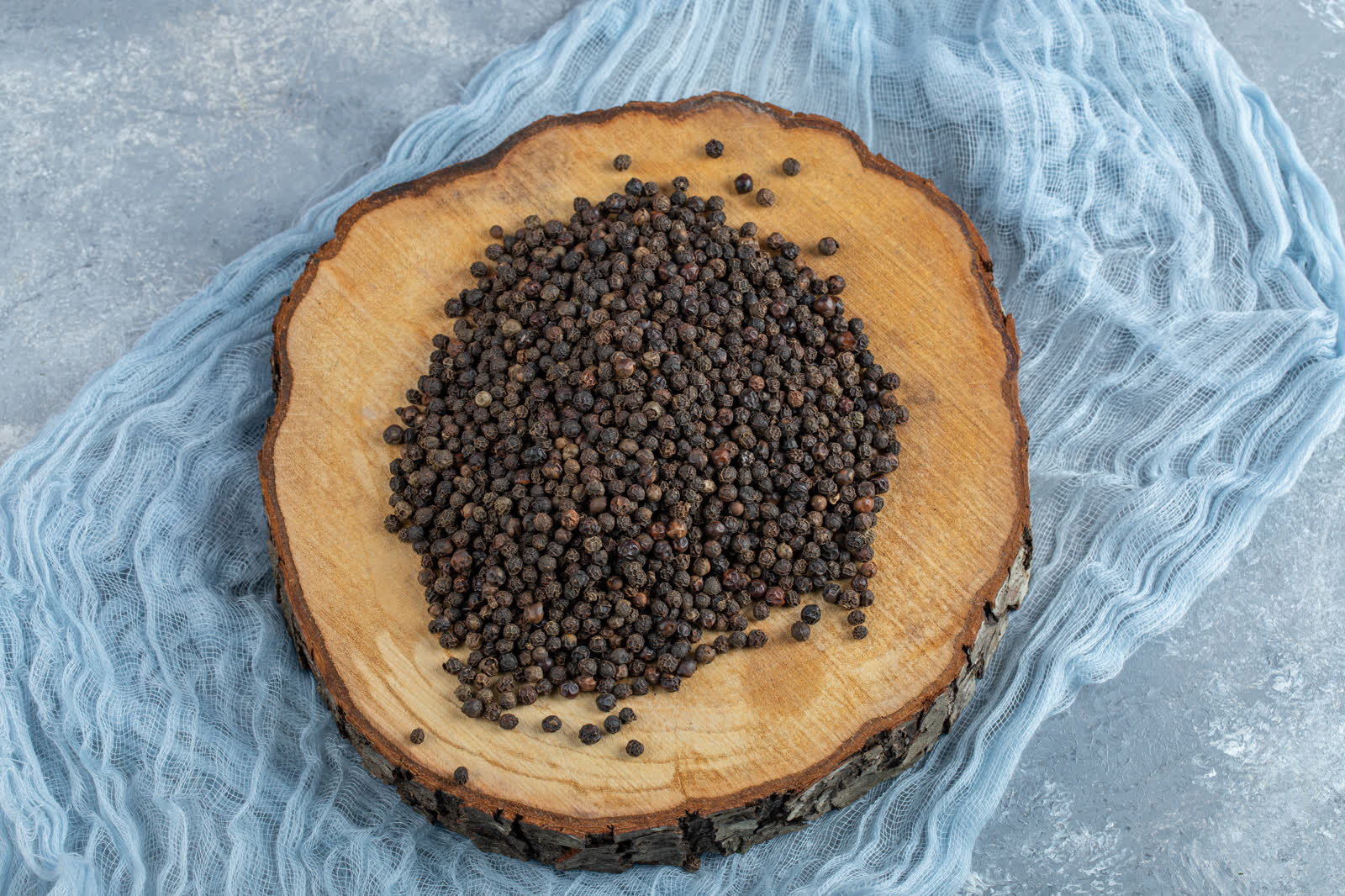
Look
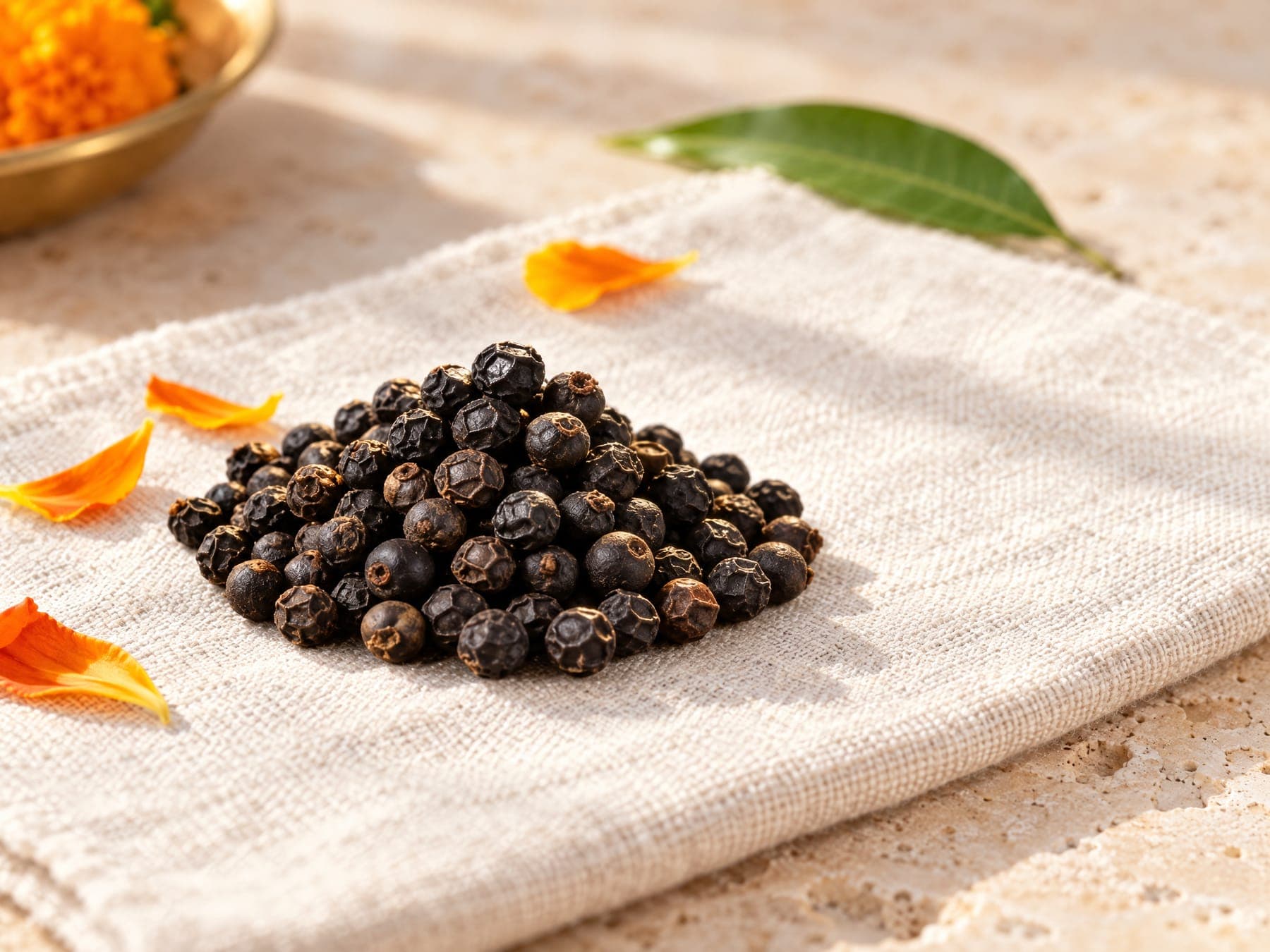
Good peppercorns are close to round, with a deep, net-like pattern of wrinkles and an even dark brown to black colour. Dried papaya seeds tend to be slightly oval or egg-shaped, often a touch smaller, and their colour leans greenish, greyish or dull brown rather than a rich black. Their wrinkles are finer and less sharply ridged. In a mixed sample you will usually notice a handful of grains that simply do not match their neighbours.
Smell
Rub a few grains firmly between your palms and smell. Black pepper releases a sharp, woody, slightly citrusy and piney aroma that comes from its essential oils. Papaya seeds smell faint and flat, sometimes a little like mustard greens. If a whole jar of pepper smells of very little, treat that as a warning sign, whether the cause is adulteration or simply tired, old stock.
Taste
Bite a single suspect grain. Papaya seeds do have a peppery, cress-like bite, which is exactly why they work as a filler, but the heat is bitter and fades quickly. Real pepper builds a warm, rounded heat that lingers, with that fragrant top note. Taste one grain you trust alongside one you doubt and the difference becomes clear.
Texture
Peppercorns are hard. Press one with your thumbnail and it barely gives. Many dried papaya seeds feel lighter in the palm and softer under pressure, and some have a papery outer coat that flakes away when rubbed.
| Feature | Black peppercorn | Dried papaya seed |
|---|---|---|
| Shape | Almost perfectly round | Slightly oval or egg-shaped |
| Colour | Even dark brown to black | Greenish, greyish or dull brown |
| Surface | Deep, net-like wrinkles | Finer, shallower wrinkles, sometimes a papery coat |
| Aroma when rubbed | Sharp, woody, citrusy | Faint, flat, slightly mustardy |
| Taste | Warm heat that lingers | Bitter bite that fades fast |
| Under a spoon | Cracks with a crunch | Squashes or splits more easily |
| In water | Mature corns sink | Tends to float |
The float test for black pepper at home
This is the classic check, and it takes under five minutes.
- Fill a clear glass with room-temperature drinking water.
- Drop in one level tablespoon of peppercorns.
- Stir gently once and leave it for 2 to 3 minutes.
- Look at what has sunk and what is floating.
Dense, mature peppercorns settle at the bottom. Papaya seeds, being lighter, tend to float or hover near the surface. Scoop the floaters out with a spoon and set them on a plate.
Here is the important caveat: light, immature peppercorns also float. So a floater is not automatically a papaya seed. Treat the float test as a sorting step rather than a verdict, and move on to the crush test for whatever rose to the top.
A few floaters in a tablespoon is not unusual in lower grades of pepper. A thick layer of them, especially grains that look oval or greenish, deserves a much closer look.
The crush test: the most telling check
Place the floaters, plus a few of the sinkers for comparison, on a clean chopping board. Press each one firmly with the back of a steel spoon and note what happens.
- Genuine peppercorn: resists, then cracks with a distinct crunch. Inside you will see a pale, cream-coloured core, and the aroma rises immediately.
- Papaya seed: tends to squash or split with less of a crack. The inside looks darker and the smell stays weak.
- Light pepper berry: cracks, but may be hollow or nearly empty inside, with a thin, dull aroma.
If the grains you crushed are mostly light berries, you have genuine but poorly graded pepper. If they are papaya seeds, you have adulteration. Either way, you now know what you actually paid for.
What about ground pepper?
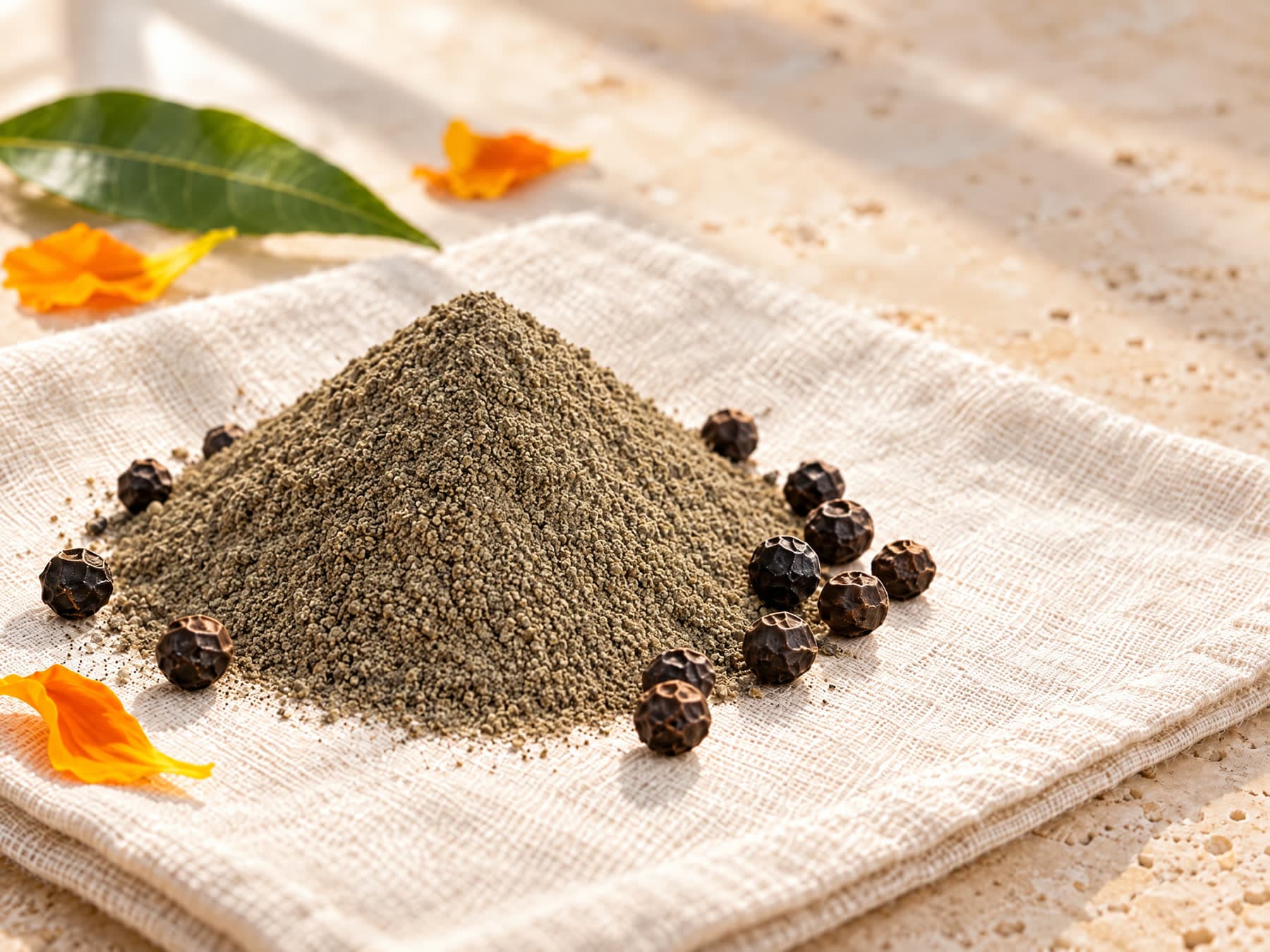
These tests work on whole peppercorns. Once pepper is ground, papaya seeds and other fillers vanish into the powder and are very hard to identify at home. If you prefer the convenience of powder, choose a sealed, labelled pack you can trace, such as a certified black pepper powder with a clear batch number and packing date, rather than loose powder of unknown origin.
What to do if you suspect adulteration
Finding papaya seeds in your pepper is annoying, but it is worth handling properly rather than quietly throwing the jar away.
- Stop using it. Set the pepper aside in a closed container, away from your other spices.
- Keep the evidence. Hold on to the original pack, the bill and a sample in a sealed jar. Note the batch number, packing date and the seller's name.
- Contact the seller or brand. Share clear photos of the float and crush results. A responsible brand will want to know and should respond.
- Raise it with the regulator. India's food regulator, FSSAI, runs consumer grievance channels and publishes consumer guidance on detecting common adulterants in food. Your local food safety officer can also advise you on next steps.
- Change where you buy. Loose, unlabelled pepper is where this problem lives. Move to sealed, traceable packs.
If you have eaten pepper you now suspect and feel unwell, or if you are pregnant, on medication or managing a health condition, please check with your doctor rather than relying on home guesswork.
How to buy black pepper that passes every test
The simplest defence is to buy pepper that has already been sorted properly. A few habits make a real difference:
- Choose whole over ground for everyday use. You can see, smell and test whole corns, and they hold their essential oils far longer. Keep a small stock of whole spices and grind only what you need.
- Look for grading. Bold, uniformly sized corns with very few light berries are a sign of careful sorting. A graded pack of whole black pepper should look even from top to bottom.
- Read the label. An FSSAI licence number, a batch number and a packed-on date mean someone is accountable. Food safety certifications such as ISO 22000 point to controlled handling.
- Trust your nose. Freshly opened pepper should smell lively the moment the pack is cut.
- Store it well. With the monsoon on its way, keep pepper in an airtight, resealable pack or glass jar, away from the stove and steam.
Frequently asked questions
How can I tell if black pepper is mixed with papaya seeds?
Spread the pepper on a white plate and look for oval, greenish or dull brown grains. Then drop a tablespoon into water: floaters that squash easily under a spoon and smell weak are likely papaya seeds.
Do papaya seeds float in water?
Dried papaya seeds usually float or hover near the surface, while mature peppercorns sink. Light, immature peppercorns can also float, so always follow up with the crush test before drawing conclusions.
Is black pepper mixed with papaya seeds harmful?
The main problem is that you are not getting what you paid for, and adulterated spices often come from supply chains with little hygiene control. If you are worried about something you have eaten, speak to your doctor.
Why does my black pepper have no smell?
Weak aroma usually means old stock, pepper stored in heat or humidity, a high share of light berries, or fillers such as papaya seeds. Fresh, well-graded pepper smells sharp and woody as soon as you rub or crack it.
Can I test black pepper powder for papaya seeds at home?
Not reliably. Once ground, fillers blend into the powder and simple kitchen tests stop working. Buy powder only in sealed, labelled packs from a traceable brand, or grind whole corns yourself.
At GHI, we pack graded whole pepper in resealable packs so it reaches your kitchen dense, dark and fragrant. Whatever brand you choose, a glass of water and a steel spoon will always tell you the truth.