10 June 2026
Biryani Whole Spices: What to Use and How Much Per Kilo
The smell of a biryani pot being opened after dum is one of the great moments of Indian cooking, and most of it comes from a handful of whole spices. Getting biryani whole spices right is less about adding more and more about balance: the right number of pods, cloves and peppercorns for your rice, added at the right stage. This guide gives you practical quantities per kilo of rice and explains how different regional styles use them.
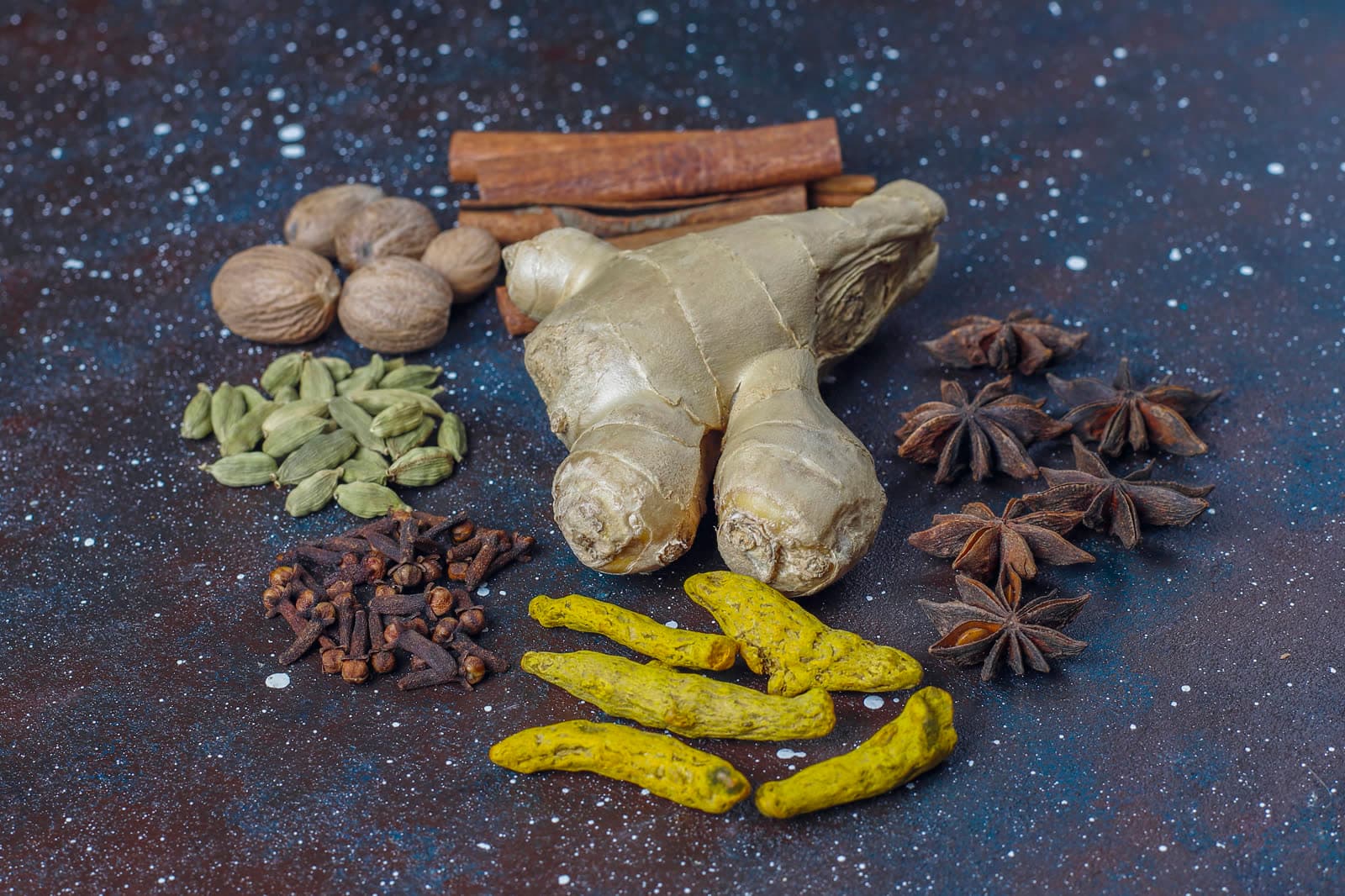
The core whole spices in biryani
Almost every biryani starts from the same small group of aromatics, with regional styles adding or removing a few.
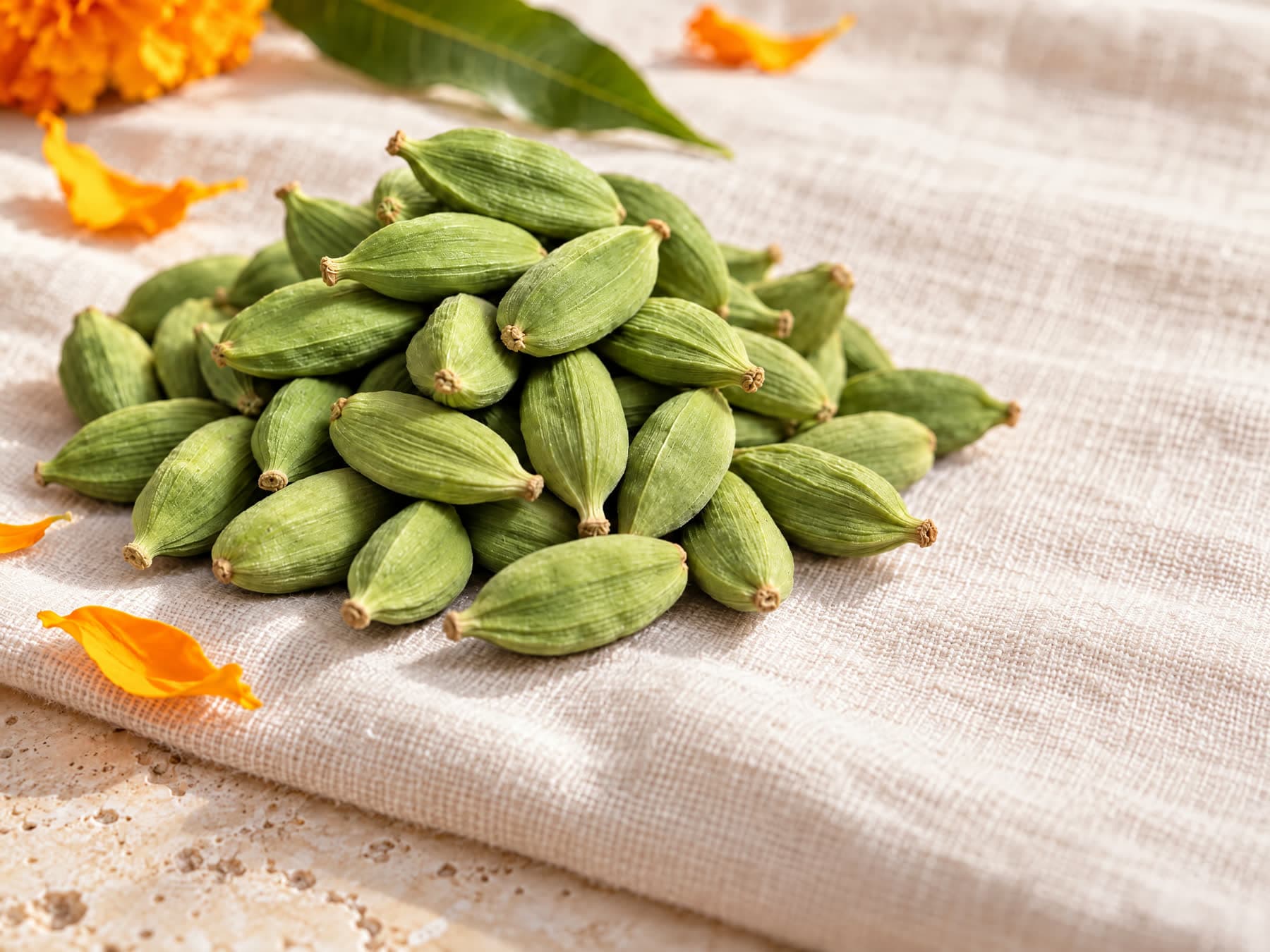
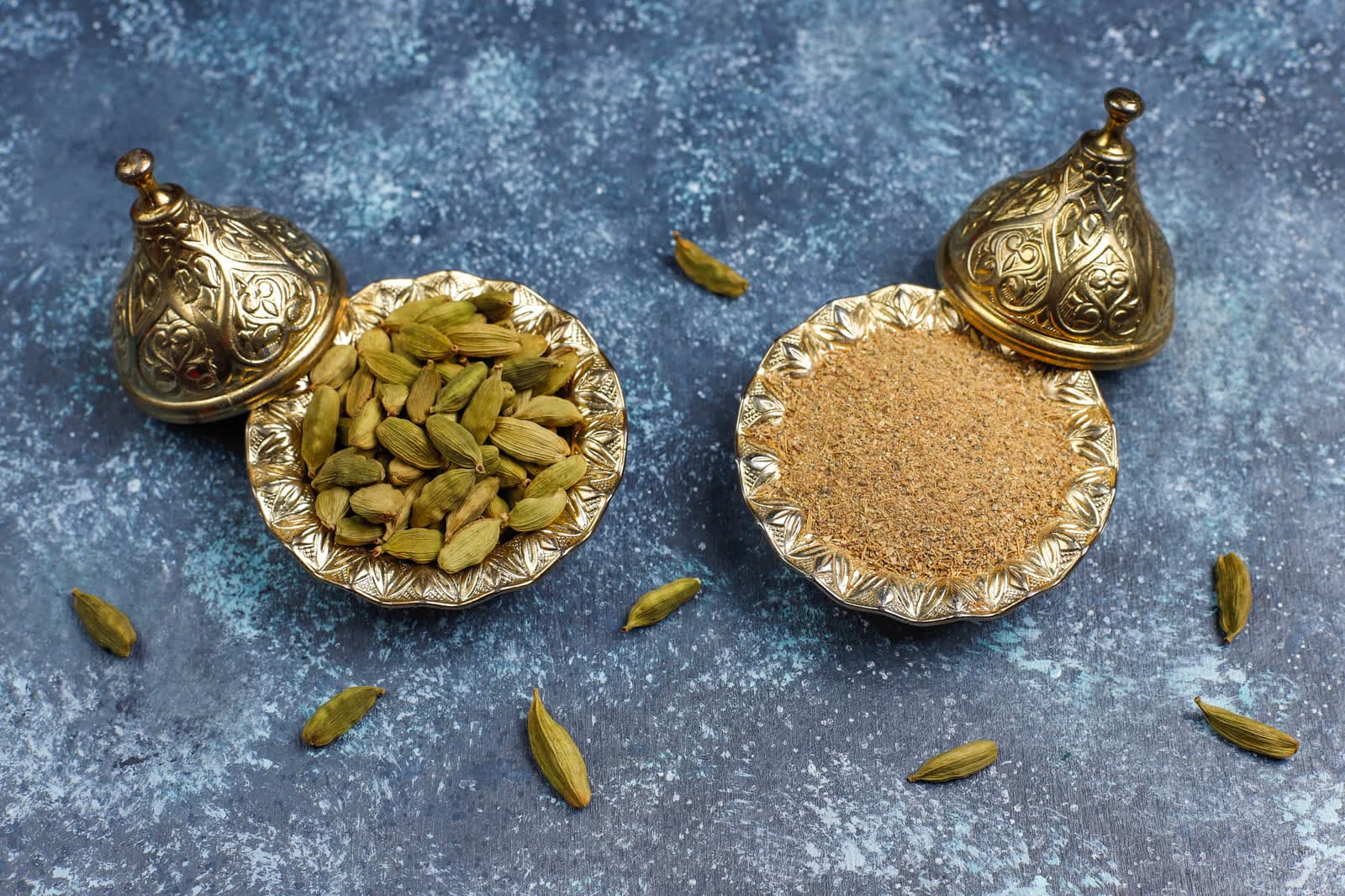
- Green cardamom: the signature sweet, floral aroma. It is the spice most people recognise first when the pot opens.
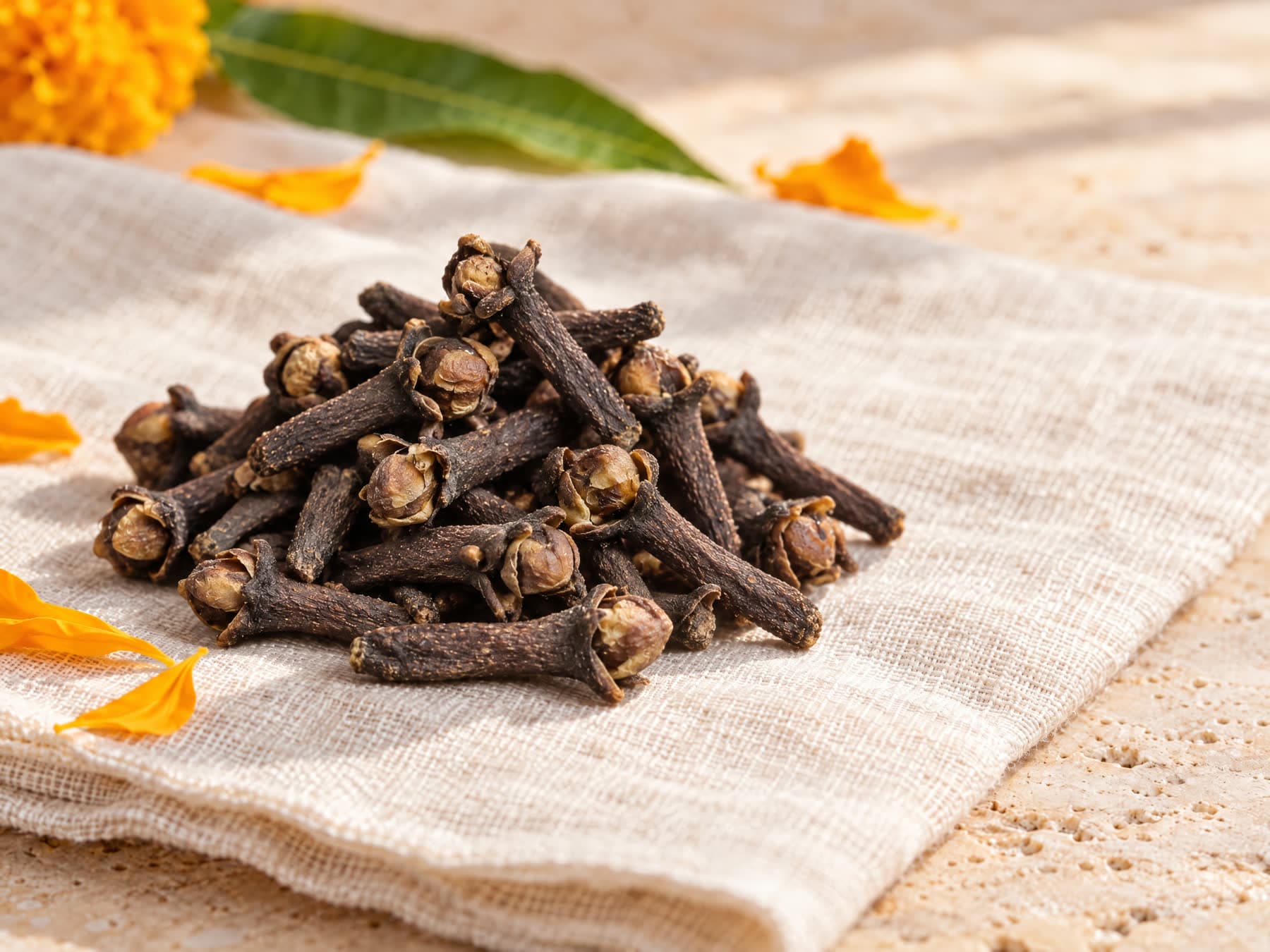
- Cloves: warm and slightly numbing. A few go a long way, and too many can make rice taste medicinal.
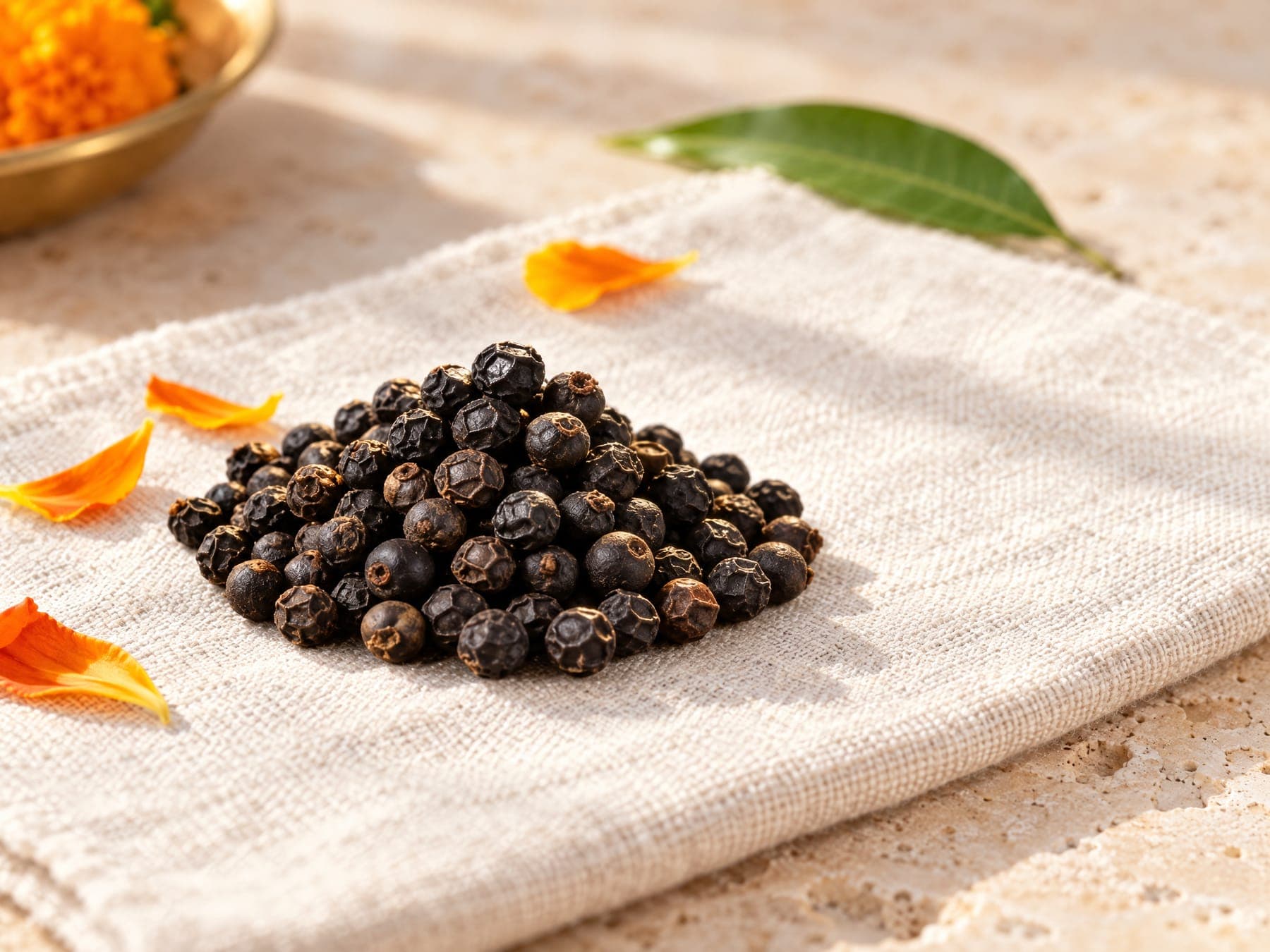
- Black peppercorns: gentle heat and depth without colour, especially important in milder styles.
- Cinnamon: sweet, woody warmth, usually as one or two short sticks.
- Bay leaves: a subtle herbal background note.
- Shahi jeera (black cumin): smoky and finer than regular cumin, common in North Indian and Hyderabadi styles.
- Optional extras: black cardamom, star anise, mace and a little nutmeg, depending on the region.
Because biryani cooks slowly under a sealed lid, whole spices have plenty of time to release their oils. That is also why their quality matters so much. Old, weak pods give little back, while fresh, well-graded whole green cardamom perfumes every layer.
How many cloves, cardamom pods and peppercorns per kilo of rice
These are starting quantities for 1 kg of basmati rice cooked with about 1 kg of meat or mixed vegetables, which serves around eight to ten people. Adjust to your family's taste, and scale down proportionally for smaller batches.
| Whole spice | Total per 1 kg rice | In marinade or masala | In rice water | At layering |
|---|---|---|---|---|
| Green cardamom | 10 to 12 pods | 4 to 5 | 4 to 5 | 2, lightly crushed |
| Cloves | 8 to 10 | 4 to 5 | 4 | 1, optional |
| Black peppercorns | 12 to 15 (about 1 teaspoon) | 8 | 5 to 6 | None |
| Cinnamon | 2 sticks, about 5 cm each | 1 | 1 | None |
| Bay leaves | 2 to 3 | 1 | 1 to 2 | None |
| Shahi jeera | 1 to 1½ teaspoons | ½ teaspoon | 1 teaspoon | None |
| Black cardamom | 1 to 2 | 1 to 2 | None | None |
| Star anise | 1, optional | 1 | None | None |
| Mace | 1 to 2 small blades | 1 | None | A pinch, ground |
For a 500 g batch of rice, simply halve everything, but keep at least one cinnamon stick and one bay leaf in the rice water so the flavour does not disappear.
When to add whole spices to biryani
Stage 1: marinade or masala base
In most homes, whole spices first go into hot ghee or oil before the onions are fried or the meat is added. Let them sizzle for 30 to 40 seconds, until the cardamom puffs slightly and the cloves swell, without letting them darken. This blooming releases oils into the fat, which then carries flavour through the whole dish.
For a kacchi-style biryani, where raw marinated meat goes into the pot, many cooks lightly crush 3 or 4 cardamom pods and 2 or 3 cloves straight into the curd marinade, alongside ground biryani masala. The spices flavour the meat during the long marination.
Stage 2: the rice water
This is the step people most often skip, and it makes a big difference. Boil plenty of water, roughly 5 to 6 litres for 1 kg of rice, with salt, a bay leaf, a small cinnamon stick, 4 to 5 cardamom pods, 4 cloves, a few peppercorns and shahi jeera. Let the spices boil for 5 minutes before adding the soaked rice, so the water is already fragrant. Each grain then absorbs aroma as it parboils.
Drain the rice when it is about 70 percent cooked for a kacchi biryani, or a little more for a pakki biryani. The spices from the rice water can go into the pot with the rice; just let your guests know to look out for them.
Stage 3: layering and dum
At layering, the goal is a final lift of fresh aroma. A couple of lightly crushed cardamom pods tucked between layers, along with ghee, saffron milk, fried onions and mint, adds a top note that survives the dum. Some cooks sprinkle a pinch of ground cardamom or mace instead. Seal the pot and cook on the lowest heat, usually 20 to 45 minutes depending on the style and whether the meat went in raw.
How biryani whole spices differ by region
India has many biryanis, and each one uses whole spices a little differently.
Hyderabadi biryani
Usually made kacchi style, with raw marinated meat layered under parboiled rice and cooked together on dum. The spicing is bold: plenty of green cardamom, cloves and shahi jeera, with mint, fried onions and saffron. Whole spices go into both the marinade and the rice water.
Lucknowi or Awadhi biryani
Typically pakki style, with meat first cooked in a yakhni, a stock simmered with whole spices. The flavour is refined rather than fiery. Green cardamom, mace and a little clove lead, while chilli is kept in the background. Kewra or rose water is often added at layering.
Kolkata biryani
A descendant of the Awadhi style, known for potatoes and eggs. It is lightly spiced, with a delicate, faintly sweet aroma from cardamom, mace and nutmeg, and very little chilli.
Malabar or Thalassery biryani
Made with short-grain, fragrant rice rather than long basmati. Cardamom, cloves and cinnamon are used generously in ghee, often with fennel, and the dish is finished with fried cashews, raisins and onions. The masala is usually cooked separately and layered with the rice.
Tamil Nadu styles
Ambur and Dindigul biryanis are typically made with small-grain seeraga samba rice. Ambur biryani gets its colour and heat from dried red chilli paste, while Dindigul biryani is known for a sharper, more pepper-forward masala. Here, freshly crushed whole black pepper really earns its place.
Tips for better biryani aroma
- Buy whole, crush fresh. Pre-ground spices lose aroma over the long cooking time, while whole pods and whole cloves release theirs slowly under the lid.
- Check your spices first. Crush one cardamom pod and one clove. If the smell is faint, they will not carry a biryani.
- Do not burn the tadka. Blackened cloves and cardamom turn bitter. Take the pan off the heat if they start to darken.
- Balance cloves carefully. They are the easiest spice to overdo. Stay within the table above until you know your preference.
- Store well between uses. As the monsoon arrives, humidity dulls whole spices faster, so keep them in airtight, resealable packs.
Frequently asked questions
How many cardamom pods do you put in biryani?
About 10 to 12 green cardamom pods per kilo of rice is a good starting point, split between the masala, the rice water and a couple at layering.
How many cloves should go in biryani for 1 kg rice?
Around 8 to 10 cloves per kilo of rice is typical. Cloves are strong, so start at the lower end and adjust next time.
Which whole spices go in biryani rice water?
Bay leaf, a small cinnamon stick, 4 to 5 cardamom pods, 4 cloves, a few peppercorns and shahi jeera are the usual choices, boiled with salt before the rice goes in.
Should I remove whole spices from biryani before serving?
It is not necessary, and many families leave them in. If you prefer, pick out the cinnamon and bay leaves, which are the hardest to eat.
Can I use biryani masala powder instead of whole spices?
You can use both. Ground masala flavours the meat, while whole spices give the rice its layered aroma. Using only powder usually gives a flatter result.
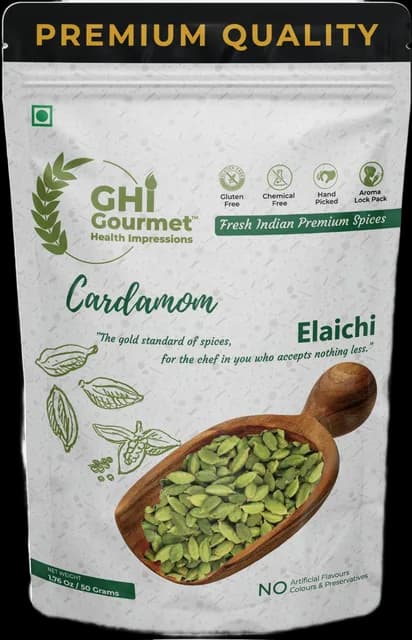
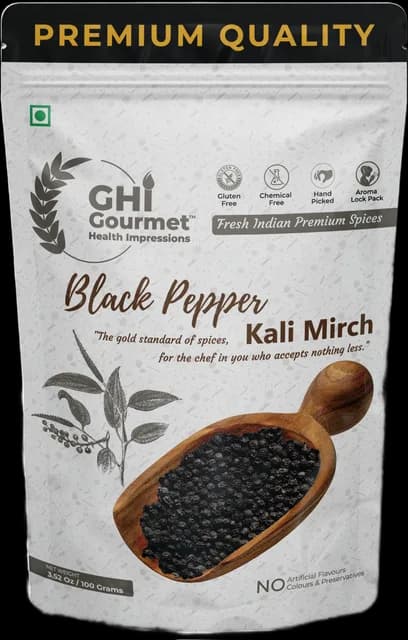
A great biryani rewards fresh, well-graded whole spices more than almost any other dish. If you are restocking before your next weekend biryani, GHI's cardamom, cloves and black pepper come in resealable packs that help keep their aroma ready for the pot.