12 August 2026
Regional Indian Spices: How 7 Kitchens Use Them
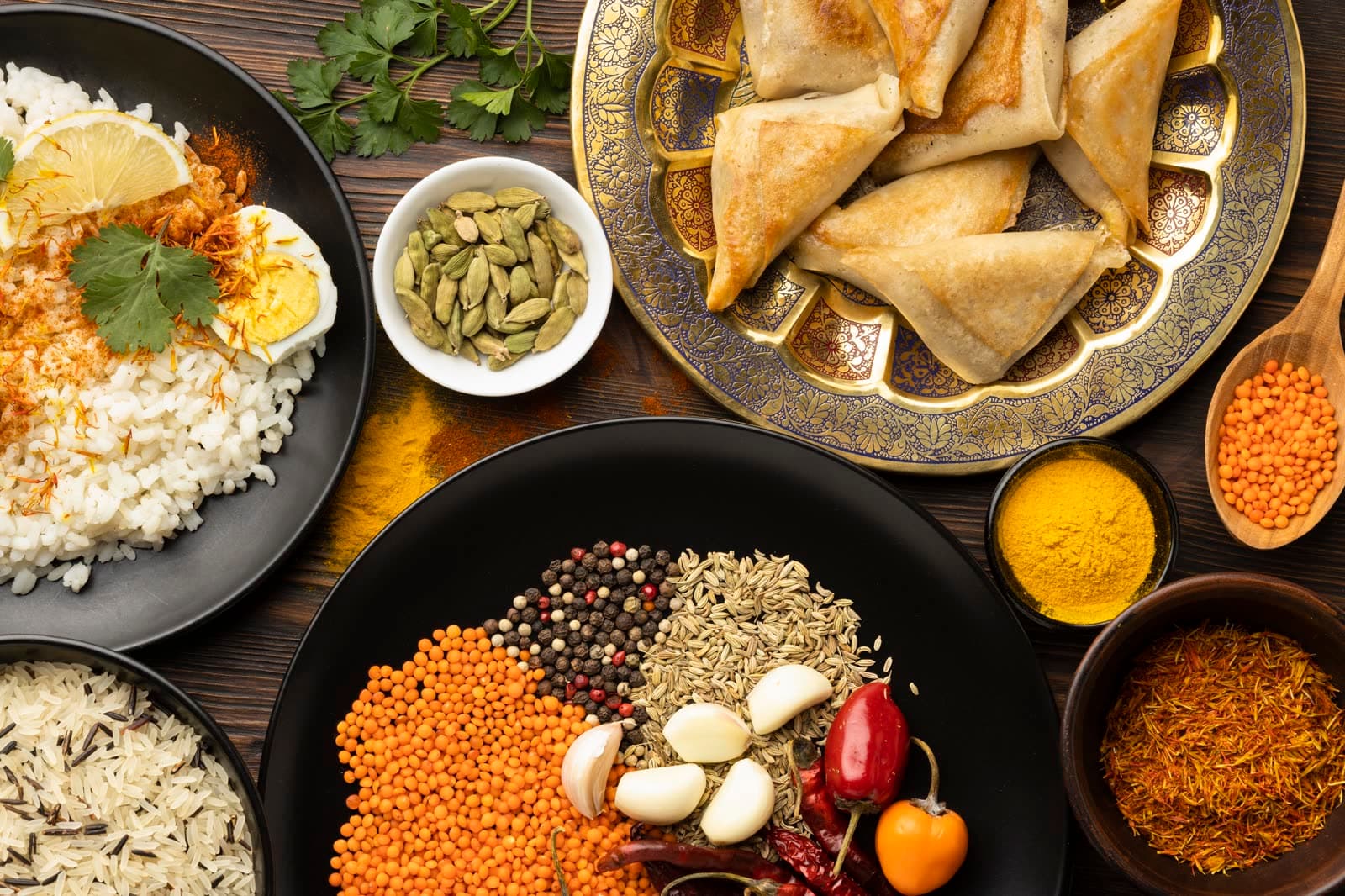
Regional Indian spices tell the story of a country better than any map. The same four spices, cardamom, black pepper, clove and cinnamon, travel from Kerala to Punjab, yet each kitchen uses them in its own way, in its own quantities and at its own moment in the pot. As Independence Day approaches, here is a tour of seven regional kitchens and what they do with these four familiar jars.
One country, many ways with the same four spices
Every Indian home seems to own cardamom, pepper, clove and cinnamon, but the way they are handled changes every few hundred kilometres. In some kitchens they are fried whole in ghee; in others they are dry-roasted and ground; elsewhere they are pounded fresh for a single dish.
What unites them is respect for aroma. Across regions, cooks traditionally buy whole spices, judge them by smell, and grind or crush them close to cooking time. That habit alone is worth borrowing, whichever region you cook from.
Kerala: pepper and cardamom at home
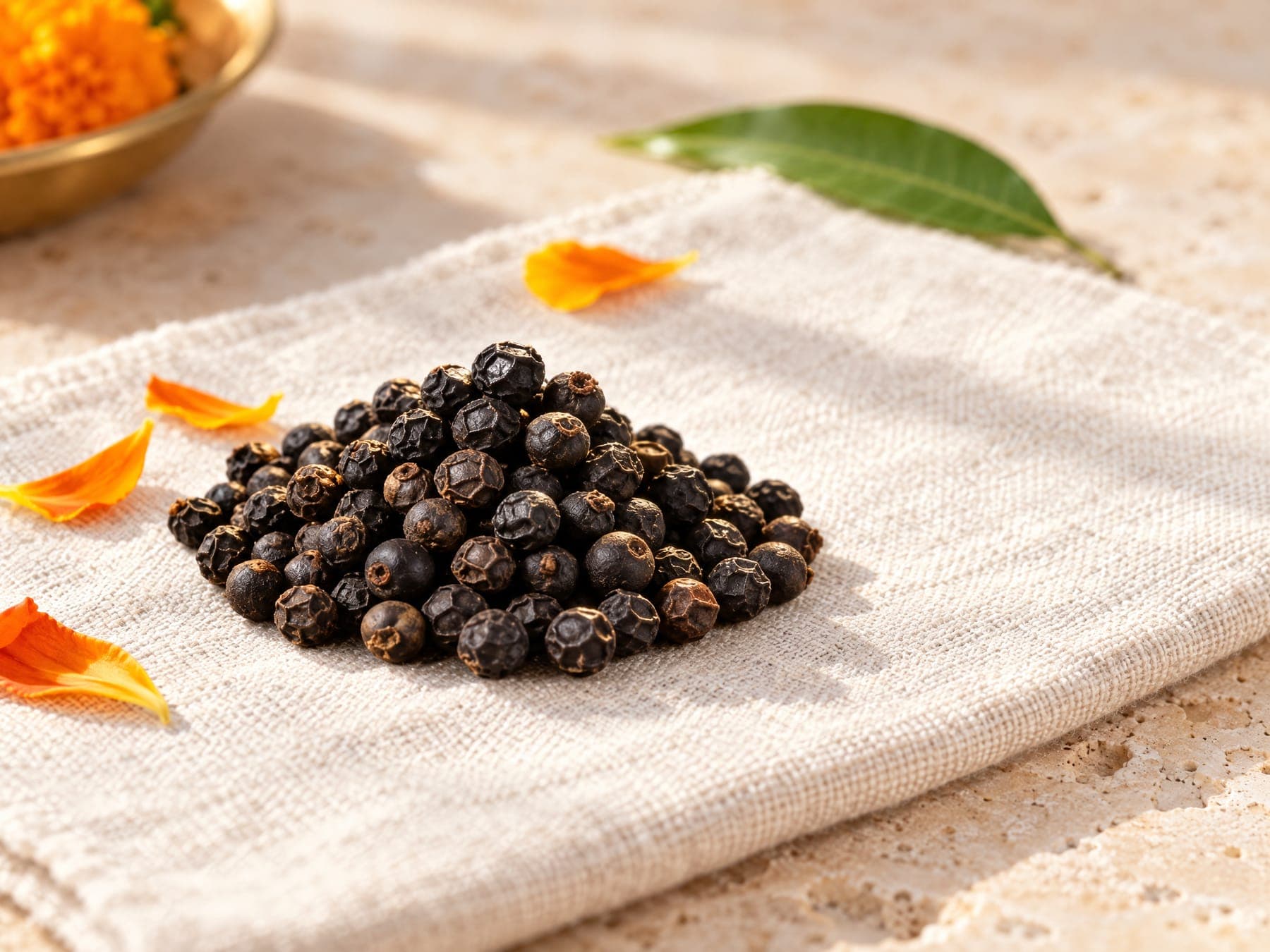
Kerala's hills and plains have long been associated with black pepper and green cardamom, and the local cooking uses both generously but thoughtfully.
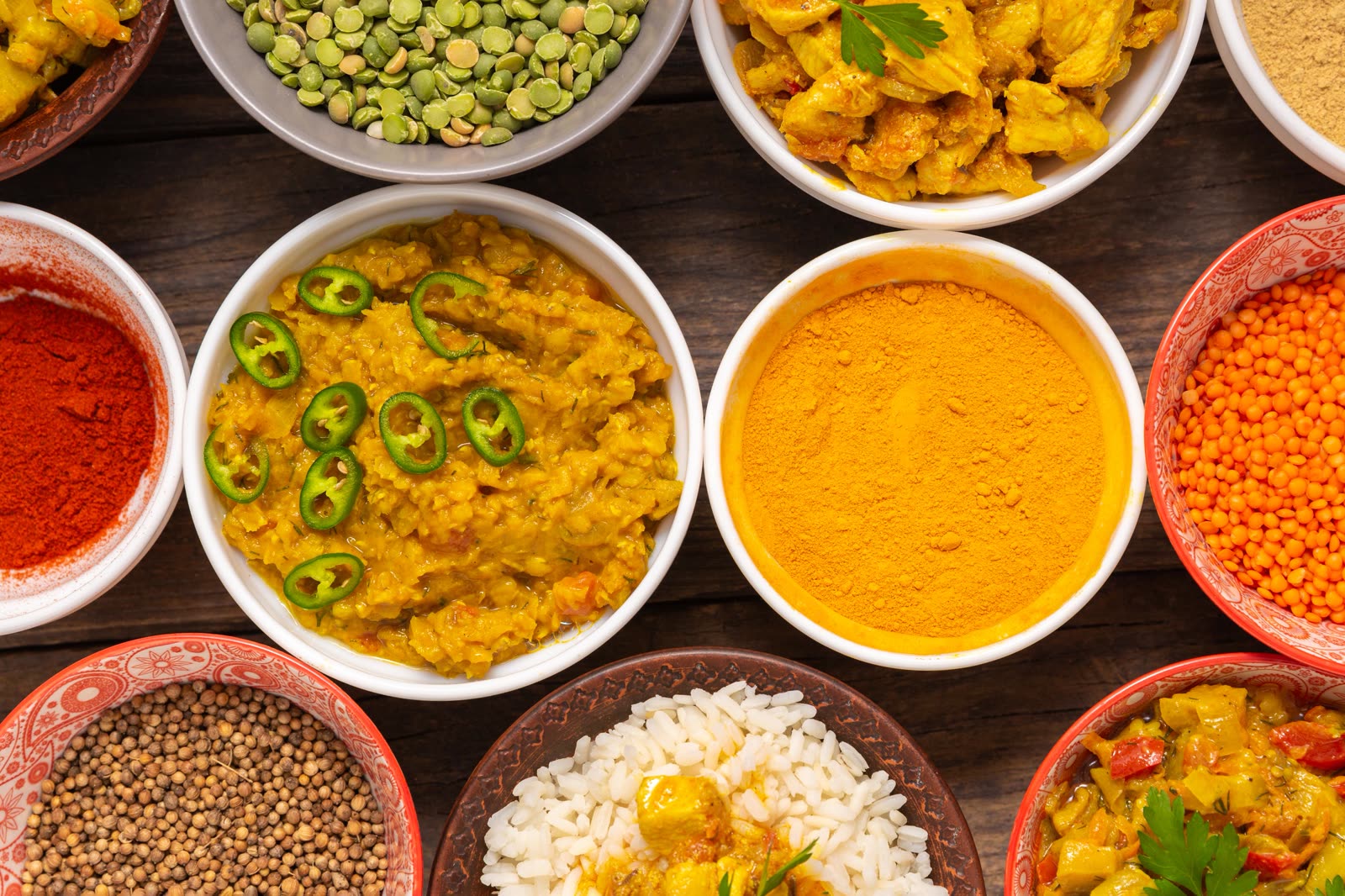
Dish to try: chicken or vegetable stew (ishtu). A mild coconut milk curry where whole cardamom, cloves and cinnamon are fried in coconut oil with sliced onion, green chilli and ginger, then simmered gently. Crushed black pepper gives it a quiet warmth rather than chilli heat. For a stew serving four, 4 cardamom pods, 4 cloves, a 5 cm stick of cinnamon and 1 teaspoon of crushed pepper is a good start.
Also try: pepper chicken roast, where a tablespoon or more of freshly crushed pepper coats the meat, and payasam finished with cardamom powder.
Tamil Nadu: black pepper in everyday comfort food
Tamil cooking treats black pepper as an everyday seasoning rather than a garnish. It appears in rasam, pongal, kootu and, most famously, in the Chettinad style of cooking, where freshly roasted and ground spice mixes give food a deep, layered heat.
- Milagu rasam: a thin, tangy pepper broth. About 1 teaspoon of peppercorns is dry-roasted and coarsely pounded for four servings, and the aroma rises the moment it hits the hot tamarind water.
- Ven pongal: rice and moong dal cooked soft and tempered with ghee, whole peppercorns, curry leaves and cashews. Here pepper is left whole so you meet it as little bursts of heat.
- Chettinad pepper chicken: pepper, cinnamon and cloves are roasted and ground into the masala, giving a dark, fragrant gravy.
Rajasthan: cloves, smoke and slow-cooked warmth
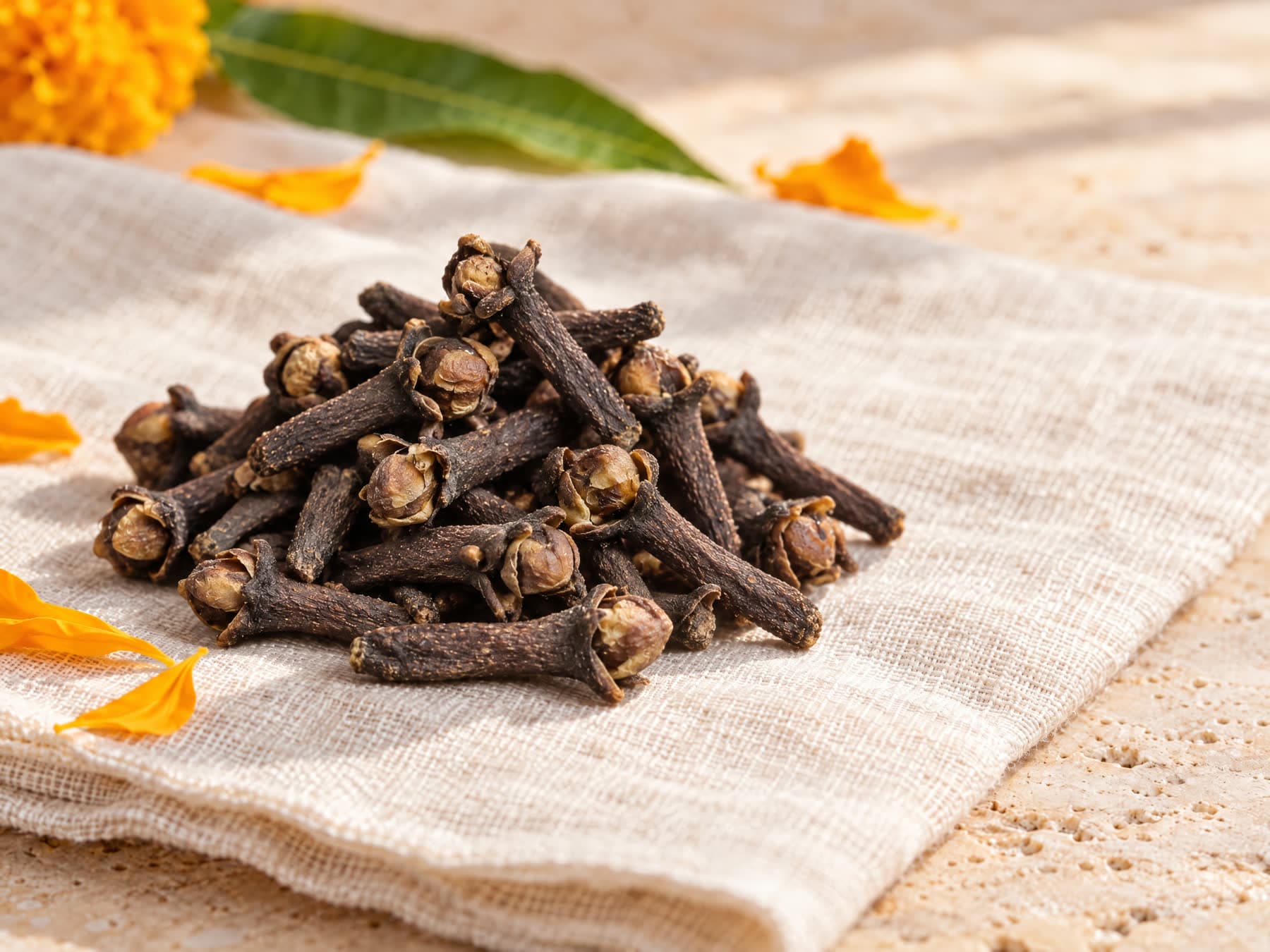
In Rajasthan's dry climate, cooks have long relied on long-keeping whole spices, and cloves play a starring role.
Dish to try: laal maas. This fiery mutton curry is famous for its red chilli, but whole cloves, cardamom and cinnamon fried in ghee at the start give it depth beneath the heat. Many families finish it with the dhungar method: a piece of hot charcoal is placed in a small bowl inside the pot, a few drops of ghee and a clove or two are added, and the lid goes on for a few minutes to trap the smoke. Please do this in a well-ventilated kitchen and keep the charcoal well away from children.
Also try: gatte ki sabzi, and sweet treats like ghevar with cardamom-scented syrup.
Punjab: robust, generous and ghee-rich
Punjabi cooking is hearty, and its use of warm spices matches the richness of butter, cream and slow-simmered legumes.
- Chole: chickpeas are often simmered with a small bundle of whole spices, including cinnamon and cloves, which gives the gravy its deep, dark warmth.
- Rajma: red kidney beans cooked with a whole-spice tadka and finished with a pinch of warm spice powder.
- Phirni and kheer: rice puddings scented with freshly crushed green cardamom, a pleasant close to a heavy meal.
Punjabi kitchens also love a pinch of black pepper in raita and on buttery parathas. The key lesson from Punjab is balance: bold spices, but always with enough fat and slow cooking to round them off.
Bengal, Gujarat and Hyderabad: sweet, subtle and royal
Bengal: the three-spice gorom moshla
Bengali kitchens have a signature blend called gorom moshla that is built only from green cardamom, cloves and cinnamon, ground together in small batches. It is added in pinches towards the end of cooking, so its fragrance stays fresh. It lifts kosha mangsho, the slow-cooked spiced mutton, and cholar dal, a sweet-savoury Bengal gram dal. Try 6 cardamom pods, 6 cloves and a 5 cm stick of cinnamon, lightly warmed and ground: enough for several meals.
Gujarat: warmth in sweet-sour dals
Gujarati cooking balances sweet, sour and spicy, and cloves and cinnamon quietly hold that balance together. The everyday Gujarati dal and kadhi are often tempered with 2 or 3 cloves and a small piece of cinnamon, which pair beautifully with the gentle sweetness of jaggery. Shrikhand, the strained yoghurt dessert, is classically scented with cardamom.
Hyderabad: royal, layered and aromatic
The Hyderabadi kitchen, shaped by its Nizami heritage, uses all four spices lavishly. Haleem, the slow-cooked wheat and meat dish, carries warmth from cloves, cinnamon, cardamom and pepper. Double ka meetha, the bread pudding, is perfumed with cardamom, and many homes add a pod or two to their chai.
| Kitchen | Signature use | Dish to try |
|---|---|---|
| Kerala | Whole spices in coconut milk, crushed pepper | Stew (ishtu), pepper chicken roast |
| Tamil Nadu | Pepper as an everyday seasoning | Milagu rasam, ven pongal |
| Rajasthan | Cloves in ghee and smoke | Laal maas |
| Punjab | Whole spice bundles in legumes | Chole, phirni |
| Bengal | Three-spice gorom moshla | Kosha mangsho, cholar dal |
| Gujarat | Clove and cinnamon in sweet-sour tadka | Gujarati dal, kadhi, shrikhand |
| Hyderabad | All four, layered and lavish | Haleem, double ka meetha |
Cooking a regional thali this Independence Day
A lovely way to mark 15 August is to cook a small thali that borrows one dish from several regions. It is a celebration of how different kitchens share the same spice jars. Here is a simple plan for four people:
- Start the day before by grinding a small batch of Bengali gorom moshla.
- Soak chickpeas overnight for Punjabi chole.
- On the day, make milagu rasam and a Gujarati dal while the chole simmers.
- Cook plain rice and finish with shrikhand or phirni scented with cardamom.
Because the same spices appear across every dish, quality really shows. Whole black pepper and whole cloves that smell strong when crushed will carry flavour through each recipe, whereas stale spices simply fade into the background. If cardamom is your favourite of the four, our piece on cardamom's aromatic journey is worth a read.
Frequently asked questions
Which Indian region uses the most black pepper?
South Indian kitchens, especially in Kerala and Tamil Nadu, use black pepper most prominently, in dishes such as rasam, pongal and pepper chicken, where it is often the main source of heat.
What is Bengali gorom moshla made of?
Traditional Bengali gorom moshla is a simple blend of green cardamom, cloves and cinnamon, ground in small batches and added near the end of cooking for fragrance.
Why do Gujarati dals use cloves and cinnamon?
Cloves and cinnamon add a gentle warmth that balances the sweet and sour notes of jaggery and kokum or tamarind, which are common in Gujarati dals and kadhi.
What is the dhungar method in Rajasthani cooking?
Dhungar is a smoking technique where hot charcoal, ghee and a clove are placed in a small bowl inside a covered pot for a few minutes, giving the dish a smoky aroma.
What can I cook for Independence Day with regional spices?
A mini regional thali works well: chole from Punjab, milagu rasam from Tamil Nadu, Gujarati dal and a cardamom-scented dessert like shrikhand or phirni.
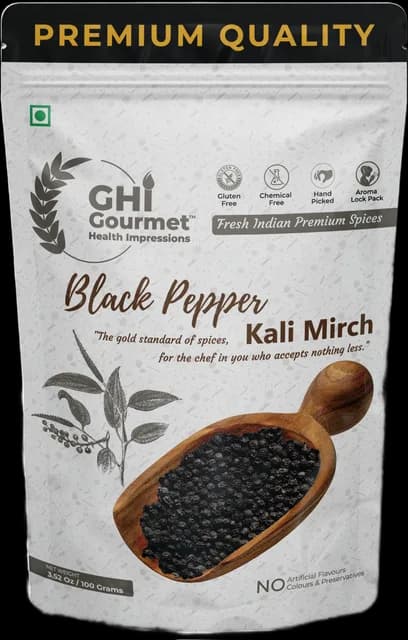
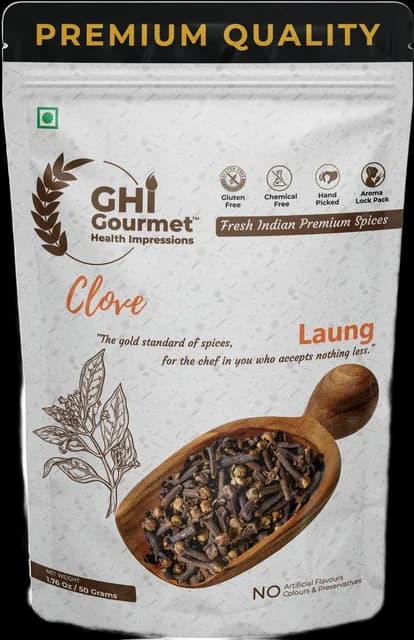
Whichever region you cook from, fresh, well-graded whole spices make every dish taste more like itself. GHI's resealable packs of whole and powdered spices are one easy way to keep all four jars ready for your own regional thali.