15 July 2026
Spice Pairing Chart: Cardamom, Pepper, Clove, Cinnamon
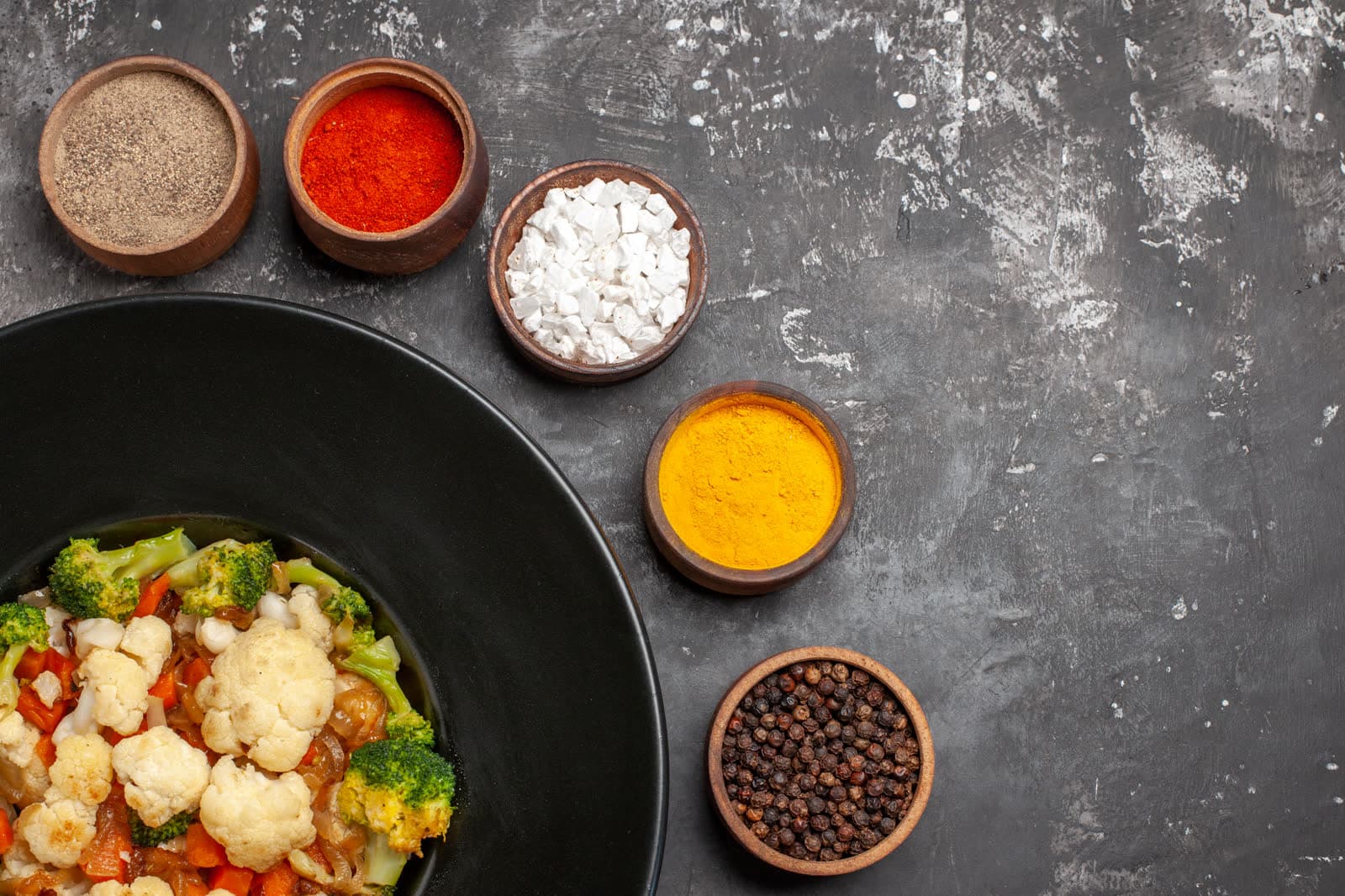
A good spice pairing chart takes the guesswork out of weeknight cooking. Instead of reaching for the same masala every time, you can match cardamom, black pepper, clove and cinnamon to whatever is actually on your chopping board. This guide gives you a clear table, simple starting quantities and the reasoning behind each pairing, so you can improvise with confidence.
How cardamom, black pepper, clove and cinnamon behave in food
Before matching spices to ingredients, it helps to know what each one brings. Think of them as four personalities in the same kitchen:
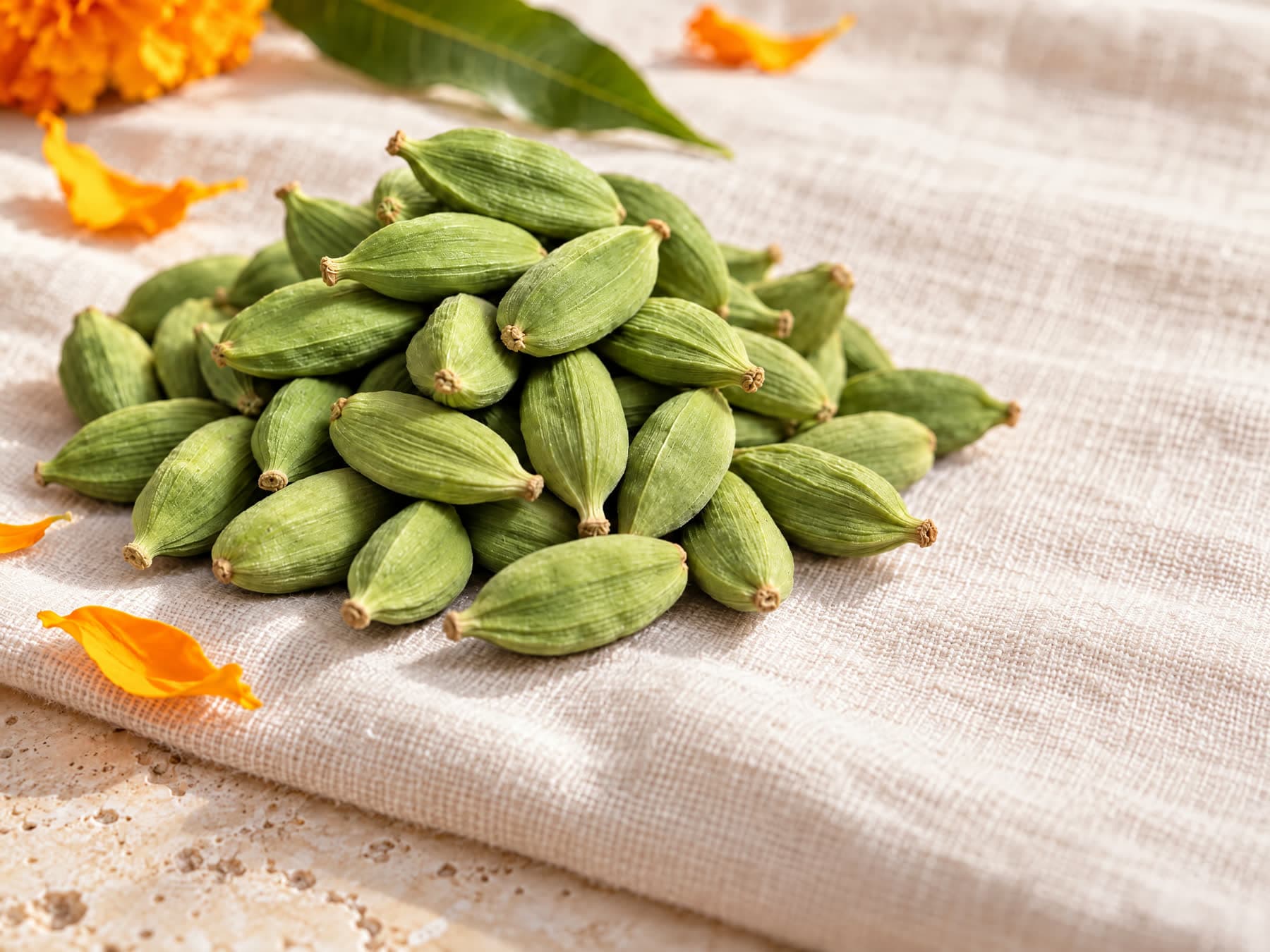
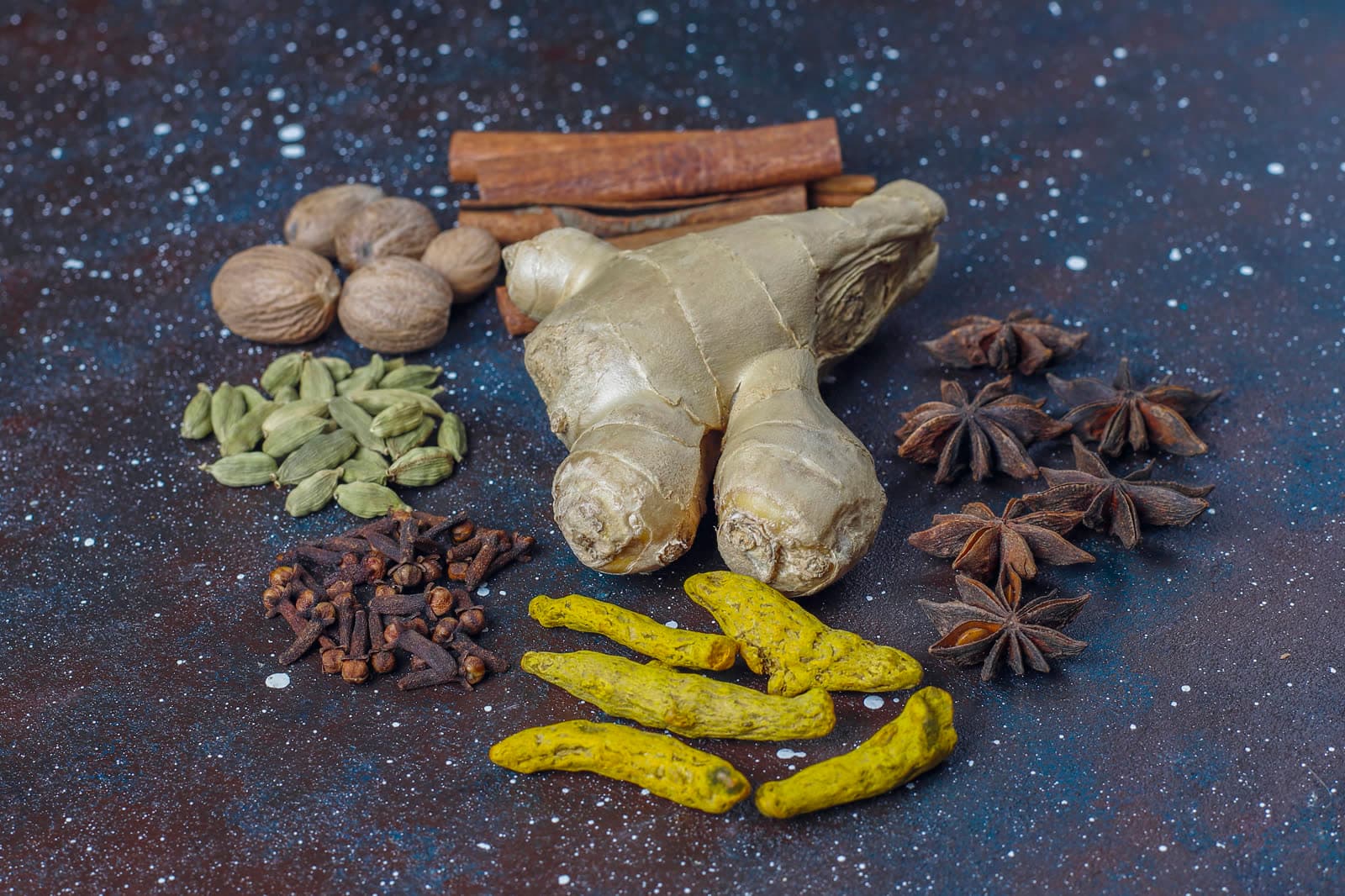
- Green cardamom: floral, sweet-savoury and cooling on the palate. It lifts rich, creamy and mild foods and softens heavy ones.
- Black pepper: clean heat with a woody, citrusy aroma. It sharpens flavour, cuts through fat and wakes up bland ingredients.
- Clove: the strongest of the four, warm, sweet and slightly numbing. One or two go a long way, and too many turn a dish medicinal.
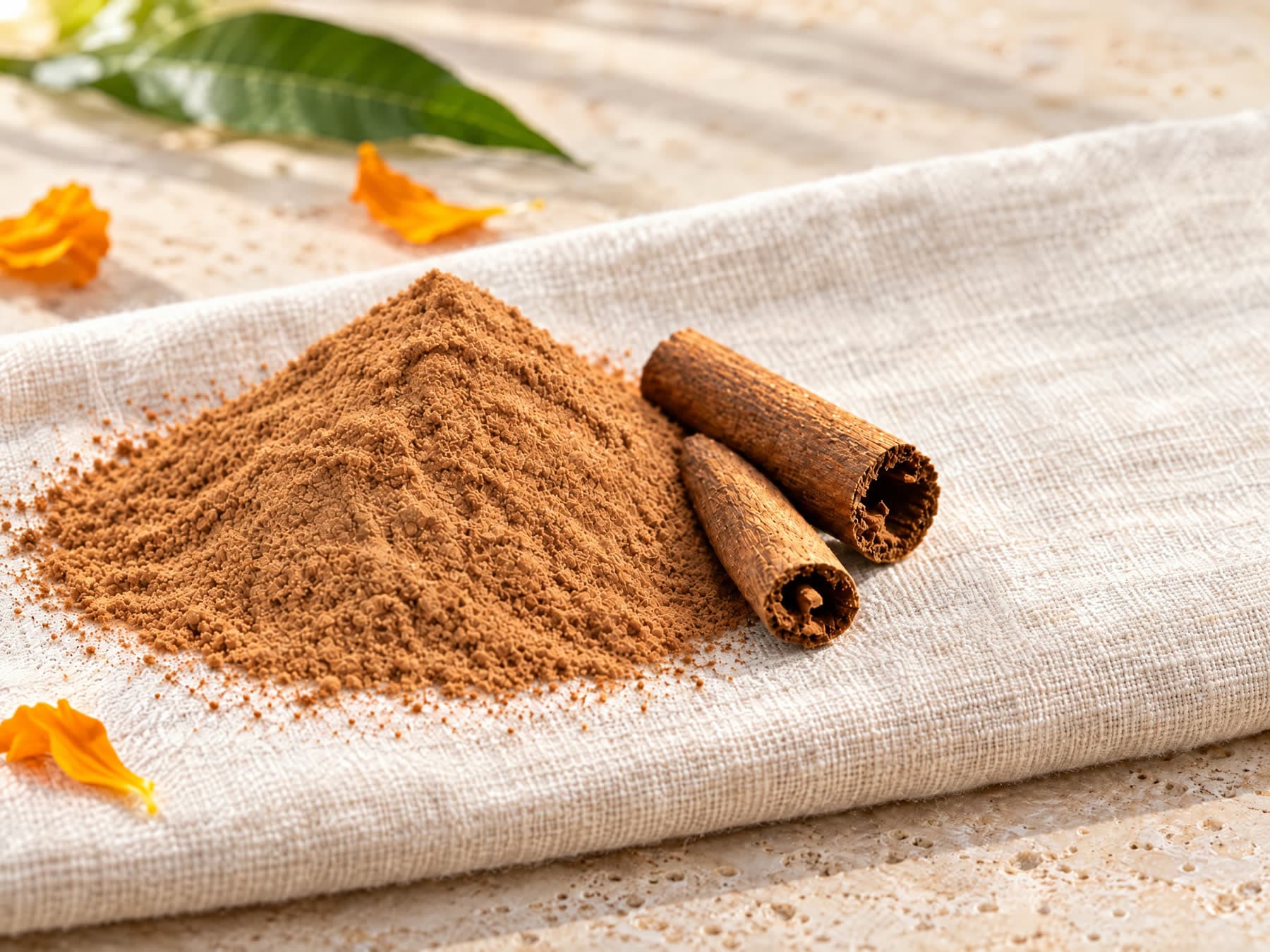
- Cinnamon: gentle, woody sweetness. It rounds off sharp or sour notes and has a natural affinity with anything already sweet.
A useful rule of thumb follows from this. Pepper and cardamom are the most forgiving, cinnamon sits in the middle, and clove needs a light hand. When in doubt, start with less, taste, and add more.
The spice pairing chart at a glance
Use this table as a starting point. Quantities are for a dish that serves about four people, and they assume fresh, aromatic spices. Old spices need more to do the same job, which is one quiet reason fresh stock is worth it.
| Food | Best partners | Try this | Starting amount |
|---|---|---|---|
| Leafy greens, gourds | Black pepper | Palak or lauki sabzi finished with cracked pepper | 1/2 tsp freshly cracked pepper |
| Pumpkin, carrot, sweet potato | Cinnamon, black pepper | Roasted pumpkin with a cinnamon and pepper dusting | 1/4 tsp cinnamon powder, 1/2 tsp pepper |
| Cauliflower, cabbage, peas | Clove, black pepper | Gobhi or cabbage tadka with cloves in hot oil | 2 cloves, 1/2 tsp pepper |
| Dals and lentils | Clove, cinnamon, pepper | Toor dal tadka with a clove and cinnamon stick | 2 cloves, 2.5 cm cinnamon |
| Rice and grains | Cardamom, clove, cinnamon | Ghee rice or pulao with whole spices | 3 pods, 3 cloves, 2.5 cm cinnamon per cup of rice |
| Paneer | Cardamom, black pepper | Malai paneer or paneer tikka | 1/4 tsp cardamom powder, 1/2 tsp pepper |
| Chicken | All four | Pepper chicken, or a mild white chicken curry | 1 tsp pepper, 4 pods, 3 cloves, 2.5 cm cinnamon |
| Fish | Black pepper, a little clove | Pepper fish fry or a light coconut fish curry | 1 tsp pepper, 1 to 2 cloves |
| Eggs | Black pepper, a pinch of cardamom | Egg bhurji or a pepper omelette | 1/4 tsp pepper per 2 eggs |
| Fruit | Cinnamon, cardamom, pepper | Stewed apple, banana, pineapple or guava | A pinch to 1/4 tsp |
Spice pairings for vegetables
Sweet vegetables love cinnamon
Pumpkin, carrot, sweet potato and beetroot already carry natural sugar, and cinnamon echoes it without making the dish taste like dessert. The trick is to pair it with something sharp. A dusting of cinnamon powder plus cracked black pepper over roasted pumpkin, with salt and a squeeze of lime, is simple and surprisingly good.
Greens and gourds want black pepper
Mild vegetables such as lauki, tori, spinach and methi can taste flat on their own. Pepper adds lift and aroma without covering their delicate flavour. Add it at the very end, off the heat, so its fragrance stays bright.
Brassicas can handle clove
Cauliflower, cabbage and peas have a sulphurous edge that stands up to the intensity of clove. Crackle 2 cloves in hot oil for about 20 seconds before adding the vegetables. With monsoon vegetables such as corn in season, a roasted bhutta rubbed with lime, salt and cracked pepper follows the same logic.
Lentils and grains: the warm backbone
Dals and rice are the canvas of the Indian meal, and whole spices do their best work here because long, gentle cooking draws out their oils.
- Toor and moong dal: 2 cloves and a small piece of cinnamon in the tadka give a gentle warmth, especially in the slightly sweet dals of western India.
- Chana and rajma: these heartier legumes take more body, so use a 5 cm stick of cinnamon, 3 cloves and 1/2 tsp freshly cracked pepper in the onion-tomato masala.
- Rice: for every cup of basmati, 3 green cardamom pods, 3 cloves and a 2.5 cm stick of cinnamon fried in ghee give a fragrant pulao base.
- Millets and broken wheat: a little black pepper and cardamom suit savoury upma and khichdi styles.
Lightly bruise cardamom pods before they go in, and fry whole spices only until they smell fragrant, usually 20 to 30 seconds. Burnt cloves taste bitter and cannot be rescued.
Paneer, chicken, fish and eggs
Paneer
Paneer is mild and milky, so it pairs beautifully with cardamom. In a malai or white gravy, 1/4 teaspoon of cardamom powder added in the last few minutes gives a restaurant-style fragrance. For tikka, pepper does the heavy lifting in the marinade.
Chicken
Chicken is the one ingredient that happily takes all four spices at once. Whole cardamom, clove and cinnamon go into the oil first, and freshly cracked pepper goes into the masala. A South Indian-style pepper chicken can use a full teaspoon or more of pepper for 500 g of meat.
Fish
Fish is delicate, so keep the list short. Black pepper suits almost every fish, from a simple tawa fry to a coconut curry. If you add clove, stop at one or two, since its strength can overwhelm a mild fillet.
Eggs
Eggs and black pepper are a classic for good reason. For a change, add a tiny pinch of cardamom to a creamy egg curry: it smooths the sulphur note of the yolks.
Spice and fruit pairings
This is where many home cooks hold back, yet fruit and warm spices have a long history together in Indian kitchens.
- Apple and pear: stew with a small stick of cinnamon and 1 clove.
- Banana: a pinch of cardamom in a banana smoothie or sheera.
- Pineapple and guava: a sprinkle of black pepper and chaat-style salt makes them sing.
- Jamun and plums: a pinch of pepper balances their tartness in a monsoon fruit bowl.
Pepper with sweet flavours is a particularly happy match, and our piece on black pepper with honey explores that idea further.
Pairing rules that rarely fail
- Whole spices early, ground spices late. Whole ones need heat and time; powders lose aroma if cooked too long.
- Fat carries flavour. Blooming spices in ghee or oil spreads their aroma through the whole dish.
- Balance the strong with the gentle. One clove to three cardamom pods is a safe ratio in most savoury dishes.
- Match intensity. Delicate foods get one spice; robust ones can take three or four.
- Freshness changes the maths. Graded, freshly packed spices with their oils intact give more flavour per gram. Crush a cardamom seed or a peppercorn: if it smells of little, it will taste of little.
Whole spices such as whole green cardamom and cloves keep their aroma far longer than powders, so they are the most reliable base for this chart. Store everything in airtight containers, especially in the humid months.
Frequently asked questions
Which spices go best with vegetables?
Black pepper suits almost every vegetable. Cinnamon works with sweet vegetables such as pumpkin and carrot, while clove suits stronger ones like cauliflower and cabbage. Cardamom is best kept for creamy vegetable gravies.
Can I use cardamom in non-vegetarian dishes?
Yes. Cardamom is widely used in chicken and mutton curries, kormas and biryanis. Two to four pods in the oil at the start give a gentle floral background without making the dish taste sweet.
How many cloves should I use in dal?
For a dal that serves four, 2 cloves in the tadka are usually enough. Clove is intense, so start with fewer and add more next time if you want a stronger warmth.
Does cinnamon go with savoury food?
Very well. Cinnamon is a core part of pulao, curries and many dals across India. In savoury food it adds a rounded warmth rather than obvious sweetness, especially when paired with pepper or clove.
What spices go well with fruit?
Cinnamon and cardamom suit cooked fruit such as apple, pear and banana. Black pepper brightens fresh fruit like pineapple, guava and jamun, especially with a little salt.
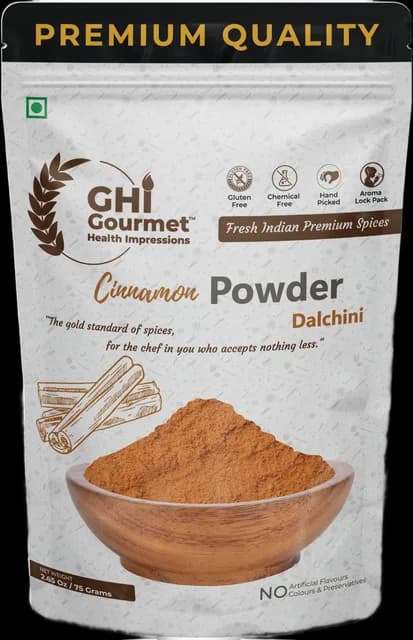
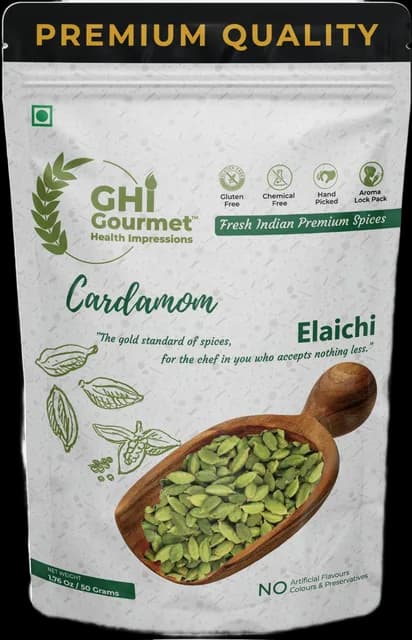
Keep this chart handy near your stove and experiment one pairing at a time. If you are restocking the four essentials, GHI's graded whole and powdered spices come in resealable packs that make it easy to keep them fresh between meals.