1 July 2026
How to Tell If Spices Are Fresh: A Practical Home Guide
How to tell if spices are fresh is a question most of us only ask when a dal tastes flat for no obvious reason. A spice can look perfectly fine and still have lost most of what made it worth adding. With the monsoon settling in and kitchens turning humid, this is the right time to understand what "fresh" really means for spices, and how to check it at home in under a minute.
What "fresh" really means for a spice
Dried spices do not go off the way milk or vegetables do. They are low in moisture, so they rarely become unsafe in a hurry. What they lose is flavour and aroma, and that loss is gradual, which is why it is so easy to miss.
So when we call a spice fresh, we mean one that still holds most of its aromatic compounds. Freshness is not about the date alone. A spice packed recently but handled badly can be staler than an older one that was stored with care.
Essential oils: where a spice's aroma lives
Much of a spice's aroma comes from its essential oils, also called volatile oils. "Volatile" is the key word: these compounds evaporate easily, which is exactly why you can smell them, and exactly why they escape over time.
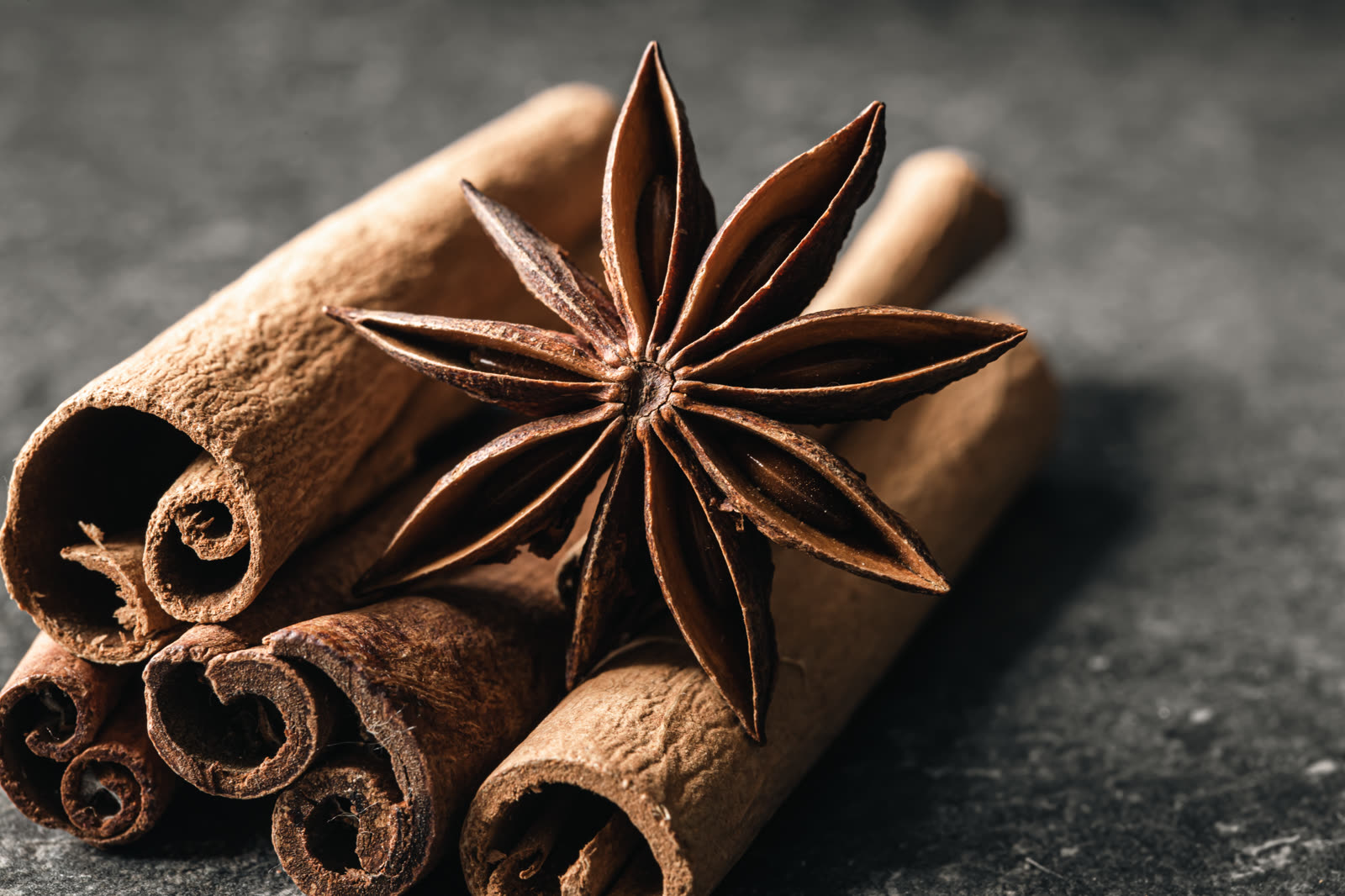
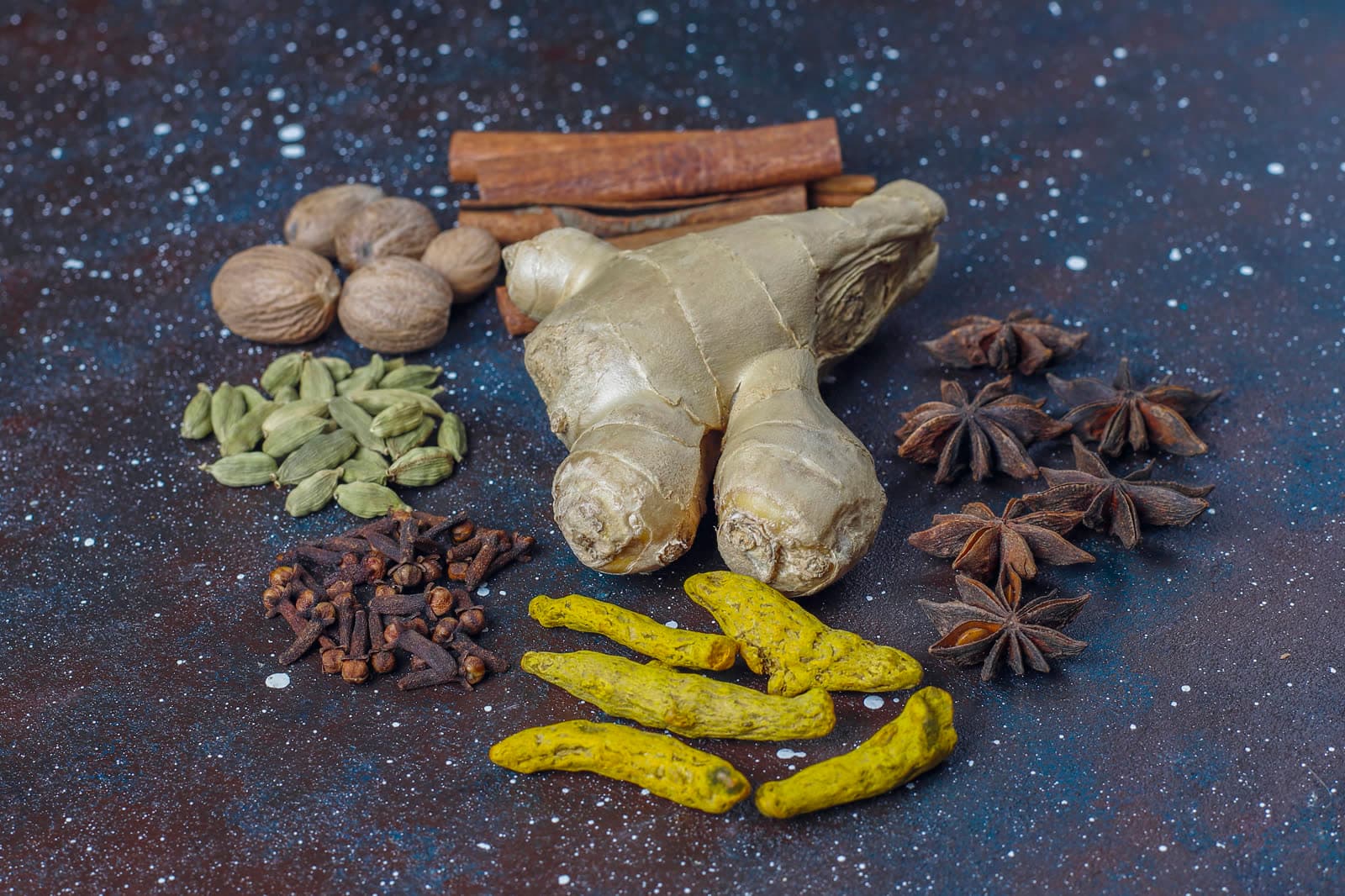
Each spice has its own signature compounds. Cardamom's cool, sweet fragrance comes largely from compounds such as 1,8-cineole. Clove owes its warm, slightly numbing character to eugenol. Cinnamon's sweetness comes from cinnamaldehyde. Black pepper gets its heat from piperine and its fresh, piney top notes from the volatile oils in the berry.
The heavier compounds tend to linger longer than the light, bright ones. That is why a stale spice often tastes one-note: pepper that is hot but not fragrant, or cinnamon that is sweet but dull. The top notes left first.
Why whole spices stay fresh longer
A whole pod, berry or bud is its own container. The oils sit inside cells, behind a husk or skin. Grinding breaks all of that open and hugely increases the surface exposed to air. This is why ground spices fade much faster than whole ones, and why freshly ground spice tastes so much livelier.
That does not make powder bad. It simply means powder needs to be fresher when you buy it, better sealed while you store it and used sooner. For a closer look at one spice in its whole form, our piece on whole black pepper makes a good companion read.
How to test spice freshness at home
You do not need a laboratory. Your nose, eyes and fingers will tell you most of what you need to know.
1. The smell test
Open the jar and smell from a normal distance, not with your nose inside it. A fresh spice announces itself immediately. If you have to sniff hard to catch anything, or it smells dusty, musty or like cardboard, it is past its best. For powders, rub a pinch between your palms to warm it, then smell your hands.
2. The colour test
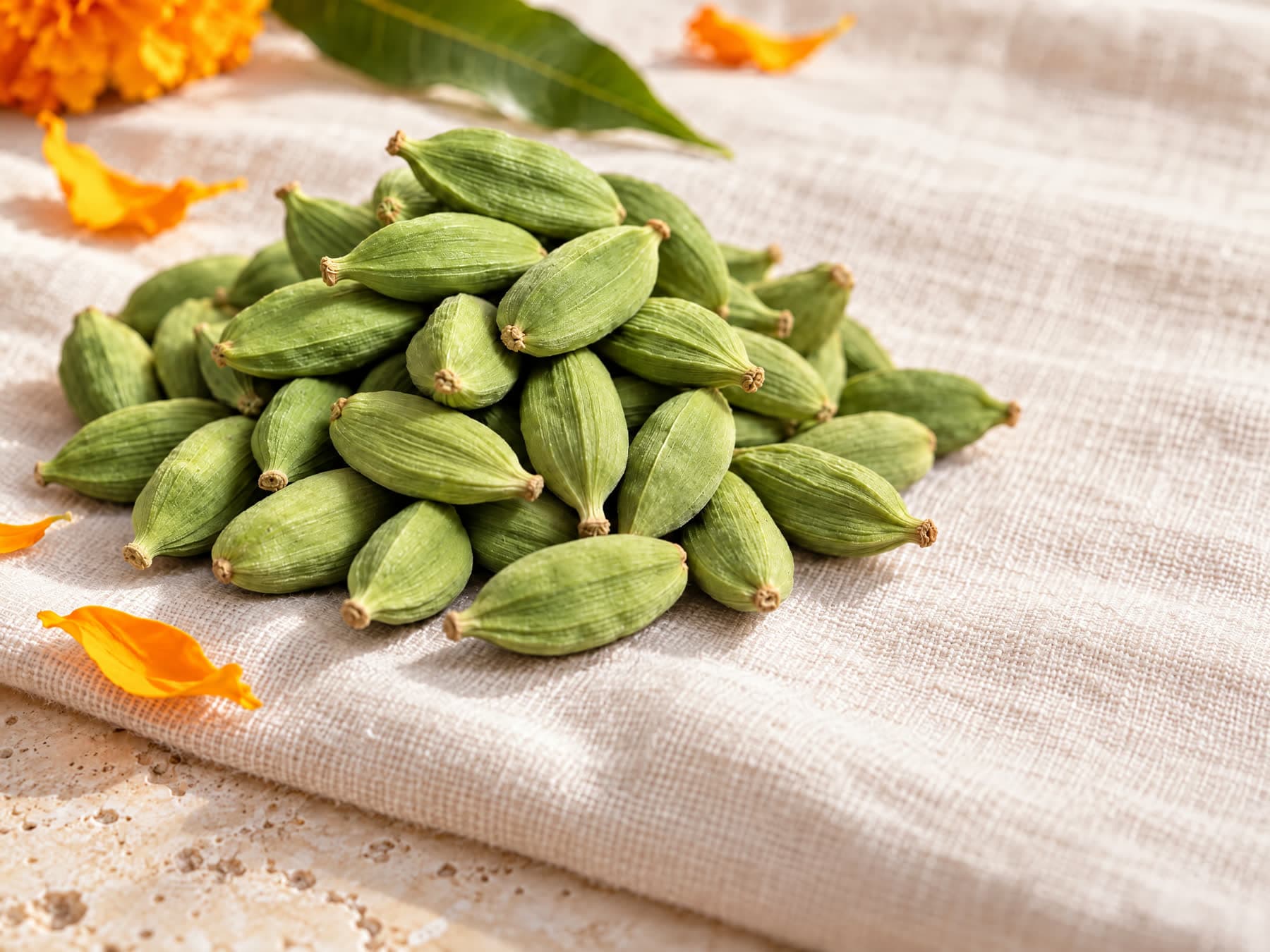
- Green cardamom should be a clear green. Pods that have turned pale, yellowish or straw-coloured have usually been exposed to light or simply aged.
- Black pepper should be dark, deeply wrinkled and even in colour, without a grey, dusty film.
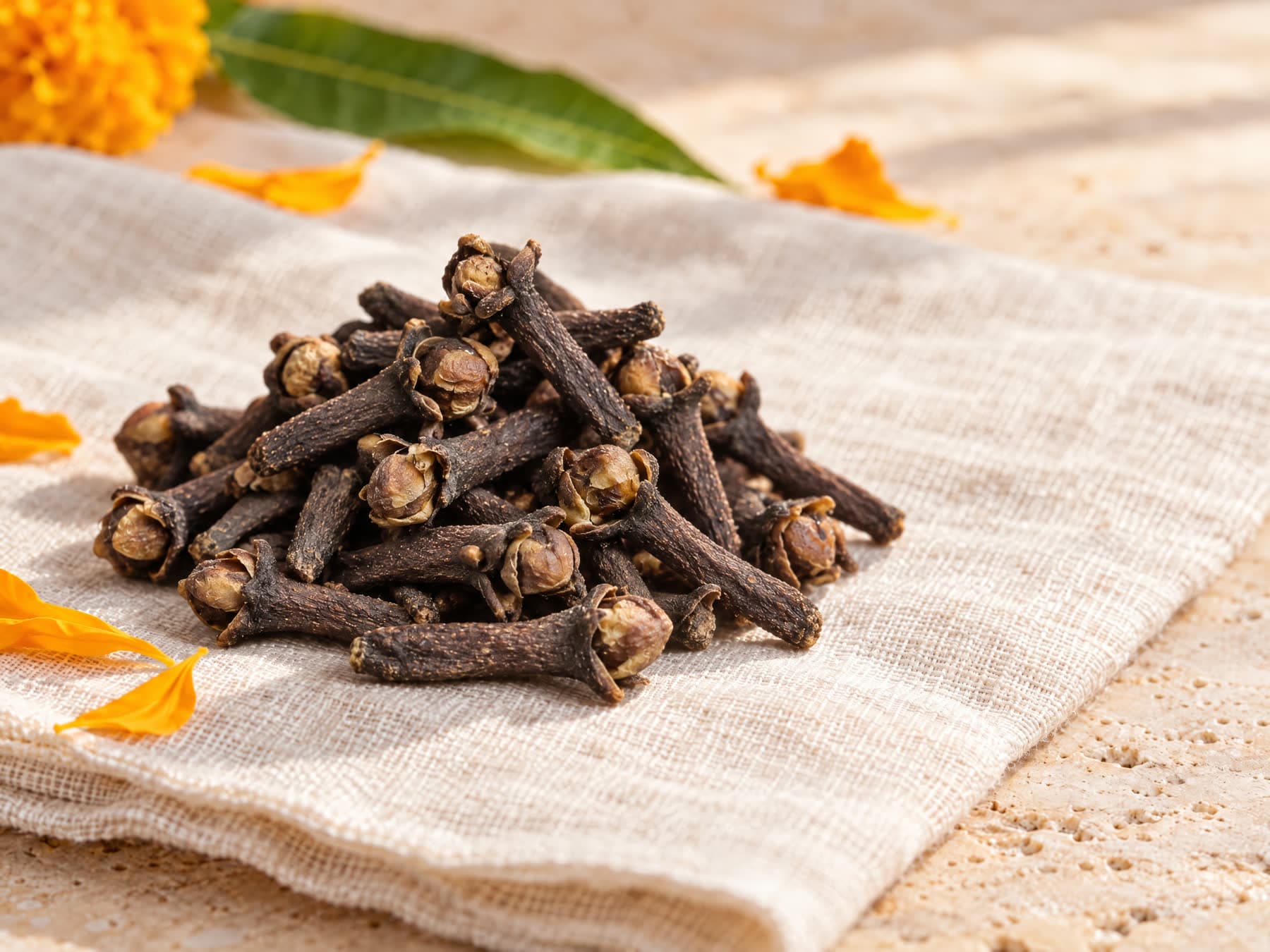
- Cloves should be a rich reddish brown, with most of the round heads intact.
- Powders such as cinnamon should look vivid, not faded. A lighter band at the top of a clear jar is a sign of light damage.
3. The crush test
This is the most revealing check for whole spices. Crack a cardamom pod: the seeds inside should be dark, slightly sticky and intensely fragrant. Crush a peppercorn under a spoon and it should release a sharp, fresh smell straight away. Press a fingernail into the stem of a clove and you may see a tiny sheen of oil. Dry, crumbly spices with little smell have lost much of their oil.
4. The texture test for powders
Powder should flow freely. Clumps usually mean moisture has got in, which in the monsoon can quickly lead to mould or insects. Any musty smell, webbing or visible mould means the spice should go straight in the bin.
Some cooks also use a traditional float test for cloves, dropping a few in water on the idea that oil-rich cloves sink or bob upright while dry ones lie flat on the surface. Treat it as a handy hint rather than a rule, and use it alongside the smell and crush tests.
Why packing and sealing matter so much for spices
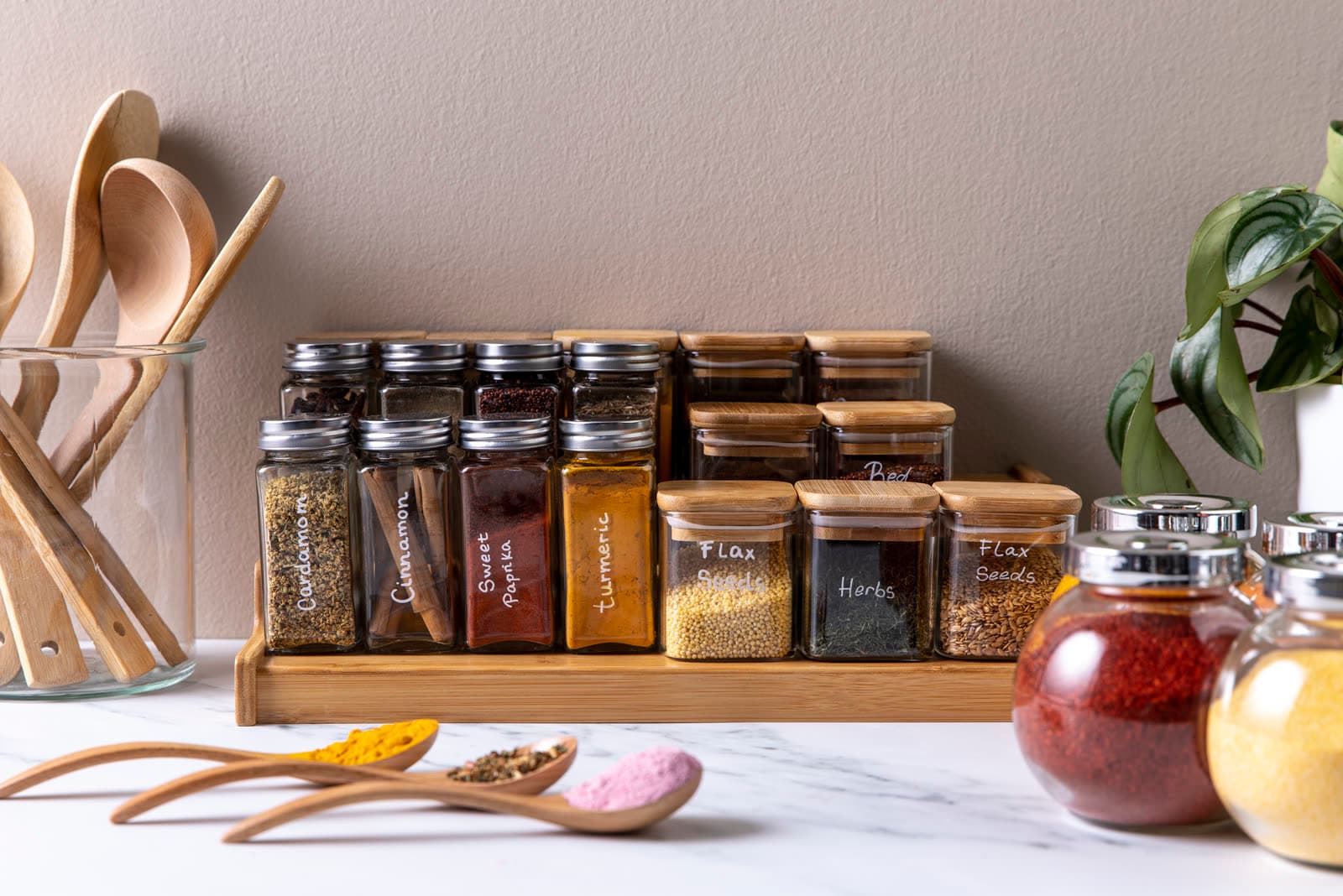
Four things drain a spice's aroma: air, light, heat and moisture. Good packing is really about keeping those four out.
| Enemy | What it does | What helps |
|---|---|---|
| Air | Carries away volatile oils and slowly oxidises them | Airtight, resealable packs; pressing air out before sealing |
| Light | Fades colour and breaks down aroma compounds | Opaque packs, or jars kept inside a cupboard |
| Heat | Speeds up the loss of oils | Storage away from the stove, oven and sunny windows |
| Moisture | Causes clumping, mould and insects | Dry spoons, tight lids, no sprinkling over steaming pots |
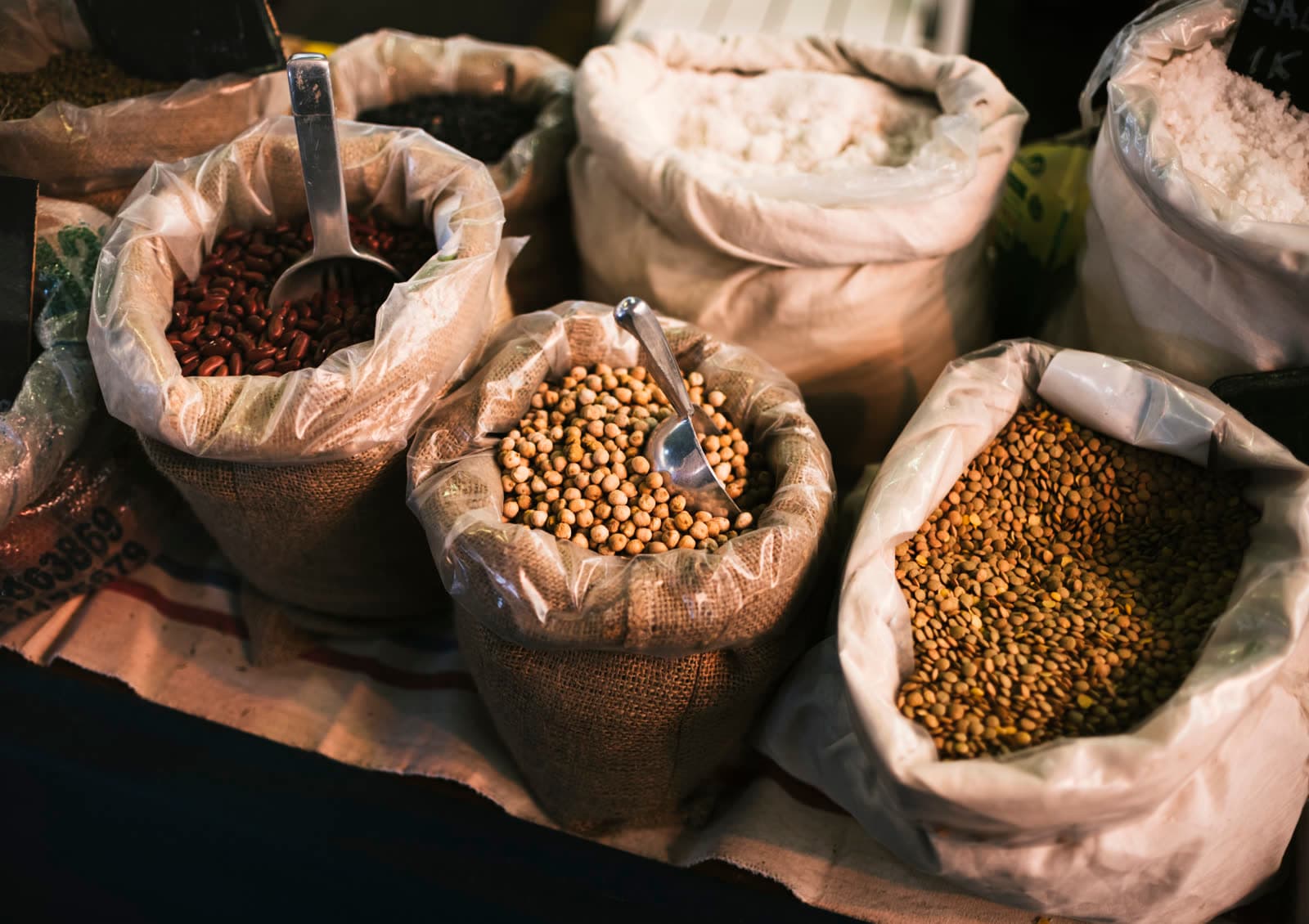
This is also why the journey before a spice reaches you matters. Spices that are cleaned, graded and packed promptly in sealed, food-grade packaging, under a certified food safety system, have simply had fewer chances to lose their oils or pick up contamination. Loose spices sold from open sacks in a hot market may be perfectly honest, but they have been exposed to all four enemies from the start.
Grading is a freshness clue too
Well-graded whole spices are sorted by size and quality, which removes broken, shrivelled and empty pieces. Those damaged pieces tend to be the ones that dry out and lose aroma first. An even, bold-looking batch of whole green cardamom or whole cloves is usually a good sign that care went into the handling.
How long spices stay fresh after opening
There is no single number, because storage and climate change everything. As a rough guide for a well-sealed pack kept in a cool, dark cupboard:
- Whole spices such as cardamom, cloves, peppercorns and cinnamon sticks: often a year or more, sometimes up to two, before the aroma noticeably fades.
- Ground spices such as cardamom powder, pepper powder and cinnamon powder: best within about three to six months of opening.
- Homemade blends and freshly ground spice: best within a few weeks.
In a humid monsoon kitchen, err on the shorter side for powders. Buying smaller packs and finishing them is better than buying in bulk and letting half go dull.
Monsoon habits that keep spices fresh
- Keep a small jar for daily use and refill it from the sealed pack, so the main stock is opened less often.
- Never shake spices directly over a steaming pan, because steam carries moisture into the jar.
- Always use a completely dry spoon.
- Write the opening date on each jar or pack.
- Do a quick smell check at the start of each season and replace anything that has gone quiet.
Frequently asked questions
How can I tell if my spices are still good?
Smell them first. Fresh spices smell strong as soon as you open the jar. Then check the colour and, for whole spices, crush one. Weak aroma, faded colour or a musty smell mean it is time to replace them.
Do spices expire?
Dry spices rarely become unsafe quickly, but they do lose flavour steadily. Any spice with mould, insects, webbing or a musty smell should be thrown away.
Are whole spices fresher than ground spices?
Whole spices hold their essential oils far longer because the oils stay sealed inside. Grinding exposes them to air, so ground spices fade faster and should be used sooner.
Should I store spices in the fridge during the monsoon?
Usually not. Taking a cold jar out into humid air causes condensation, which lets moisture in. An airtight container in a cool, dark cupboard is generally the better choice.
How long does spice powder last after opening?
As a rough guide, three to six months for the best aroma, and less in hot, humid weather. Keep the pack tightly sealed between uses.
Freshness is something you can check for yourself, every time, and your senses are worth trusting over any promise on a pack. At GHI we pack our graded whole and powdered spices, with no additives or preservatives, in resealable packs for exactly the reasons above, and our powder spices are there whenever your jars need a refresh.