11 September 2026
How to Check Black Pepper Adulteration at Home: 5 FSSAI Tests
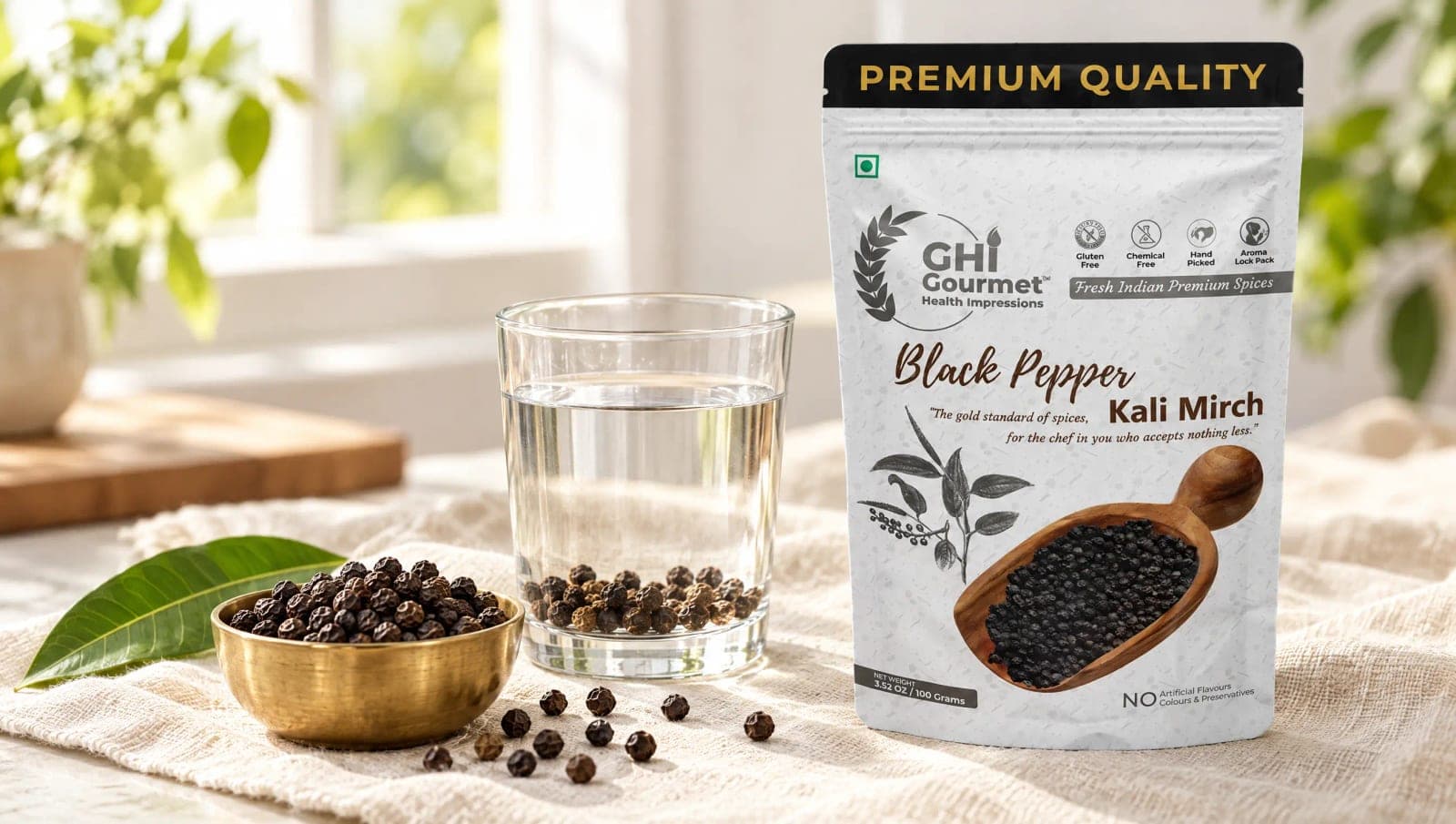
Kali mirch is one of the most used spices in an Indian kitchen, and one of the easiest to cheat on. Dried papaya seeds look a lot like peppercorns, cost far less, and can be mixed into a heap without most people noticing. The good news is that you do not need a lab to check. FSSAI, India's food regulator, publishes simple home tests in its DART manual (Detect Adulteration with Rapid Test). Here is how to check black pepper adulteration at home in a few minutes, using a glass of water and your own eyes, nose and fingers.
How black pepper adulteration happens
Whole black pepper is sold by weight, so anything cheaper that looks similar can be added to bulk it up. The most common problems FSSAI's DART tests look for are:
- Papaya seeds. Dried papaya seeds are round, dark and wrinkled enough to pass as pepper at a glance.
- Light berries. Immature or hollow pepper berries that have little flavour. They are real pepper, but poor quality, and are sometimes mixed into better lots.
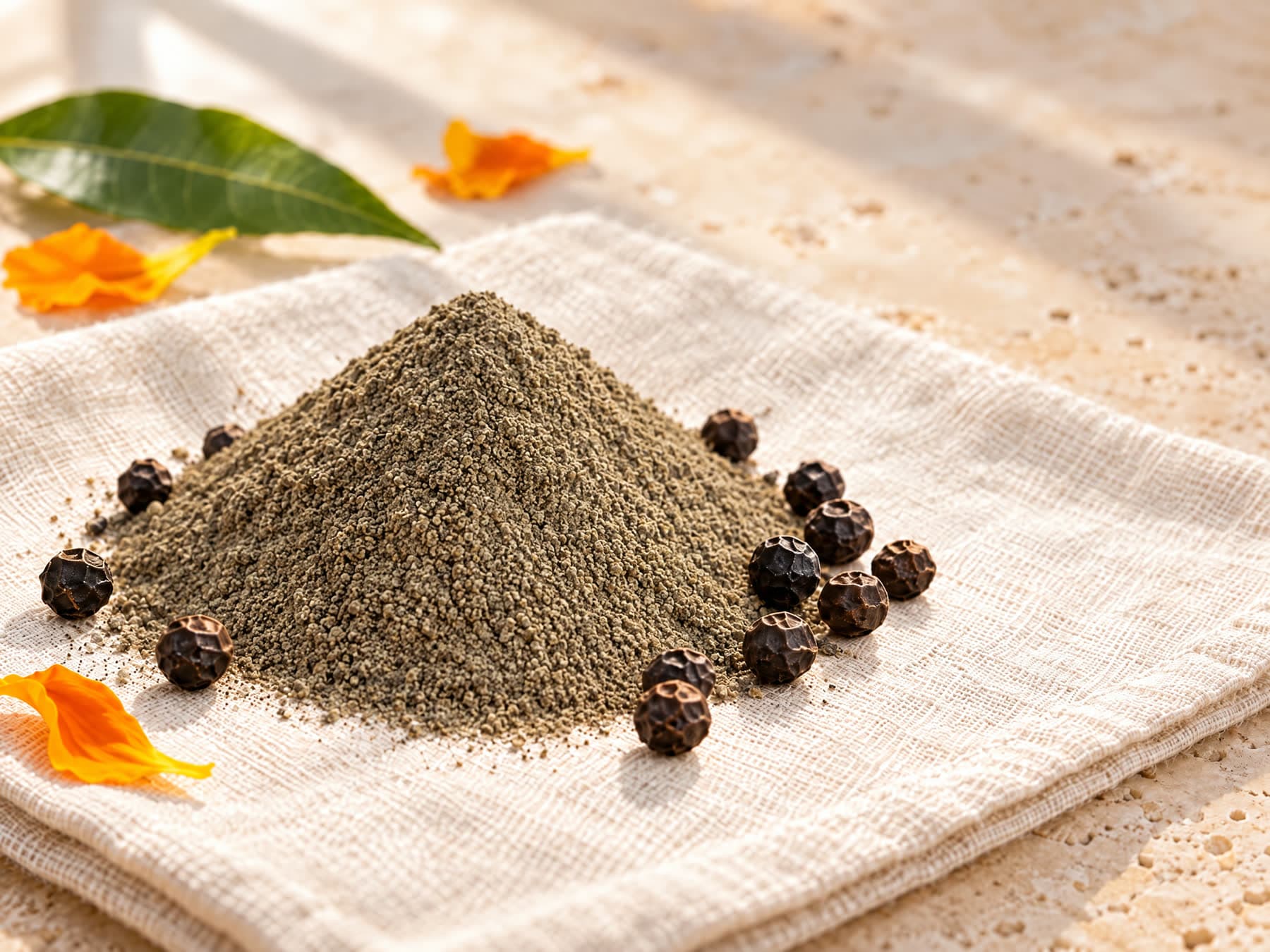
- Bran, husk or sawdust in pepper powder. Once pepper is ground, fillers are much harder to see.
Test 1: the papaya seed float test (water)
This is the best known of FSSAI's DART tests for pepper, and the easiest.
- Fill a clear glass with plain water at room temperature.
- Drop in a spoonful of whole black pepper.
- Stir gently and wait a minute.
- Look at the surface and the bottom of the glass.
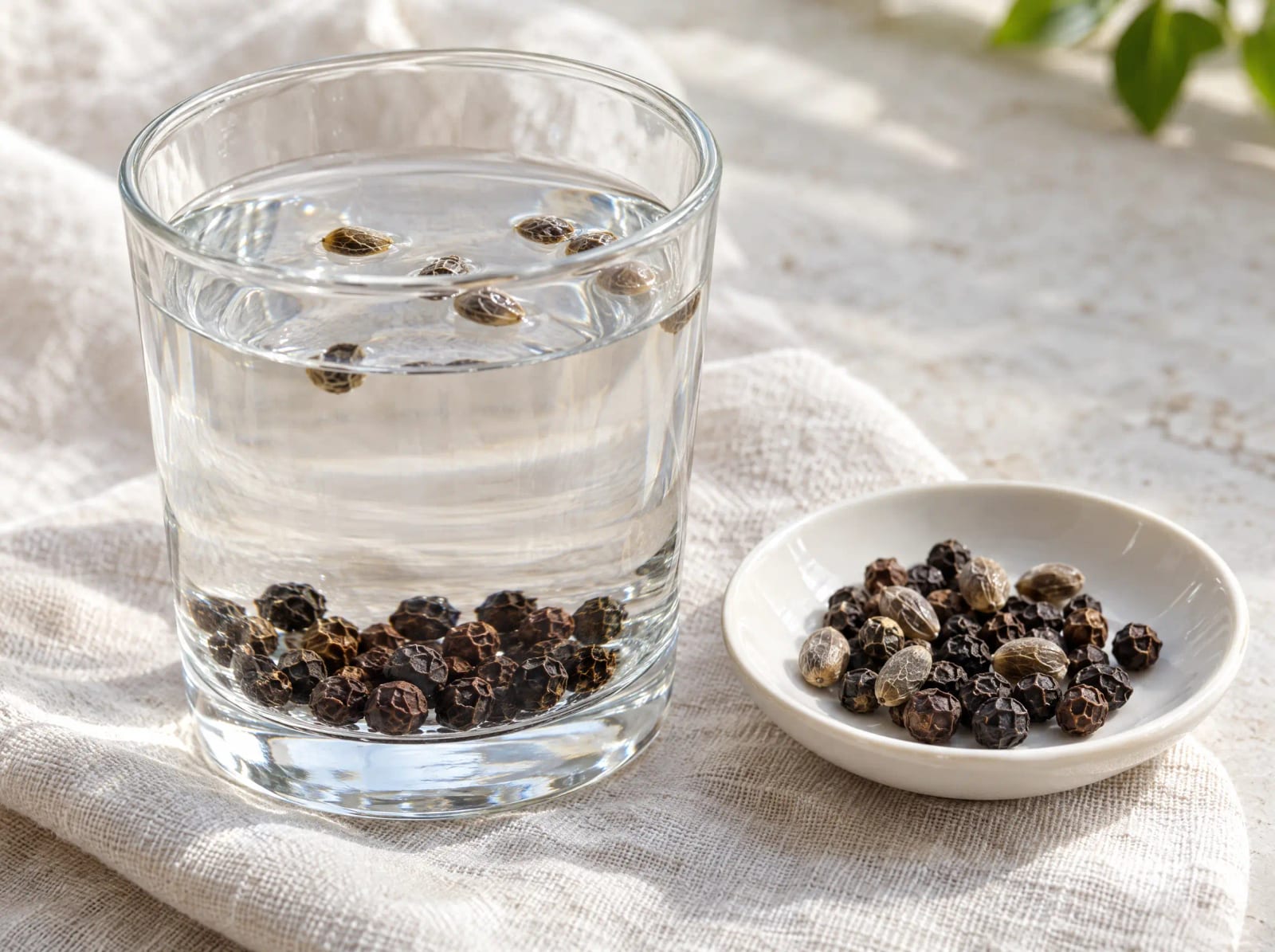
What it means: good, mature peppercorns are dense and sink to the bottom. According to FSSAI, papaya seeds float on the surface. If a noticeable number of pieces stay floating, take a closer look at them.
Tips for a fair float test
- Use plain water, not salt water. Salt makes water denser, so more berries float and the test becomes misleading.
- Test at least a heaped tablespoon, so a single odd berry does not decide the result.
- Give it a minute or two. Dry berries can trap a little air at first and then sink.
- Scoop out anything that floats and look at it closely, using Test 2 below.
A floating berry is not always papaya
Light, immature pepper berries can float too. That is why FSSAI lists them as a separate problem. A few floaters in a large sample are not unusual. A lot of floaters, or floaters that look different from the rest, are a warning sign either way, because you are paying pepper prices for something with little flavour.
Test 2: look closely (magnifying glass test)
FSSAI's second check for papaya seeds needs only a white sheet of paper and, ideally, a magnifying glass.
- Spread a handful of peppercorns on white paper.
- Look at each one under good daylight.
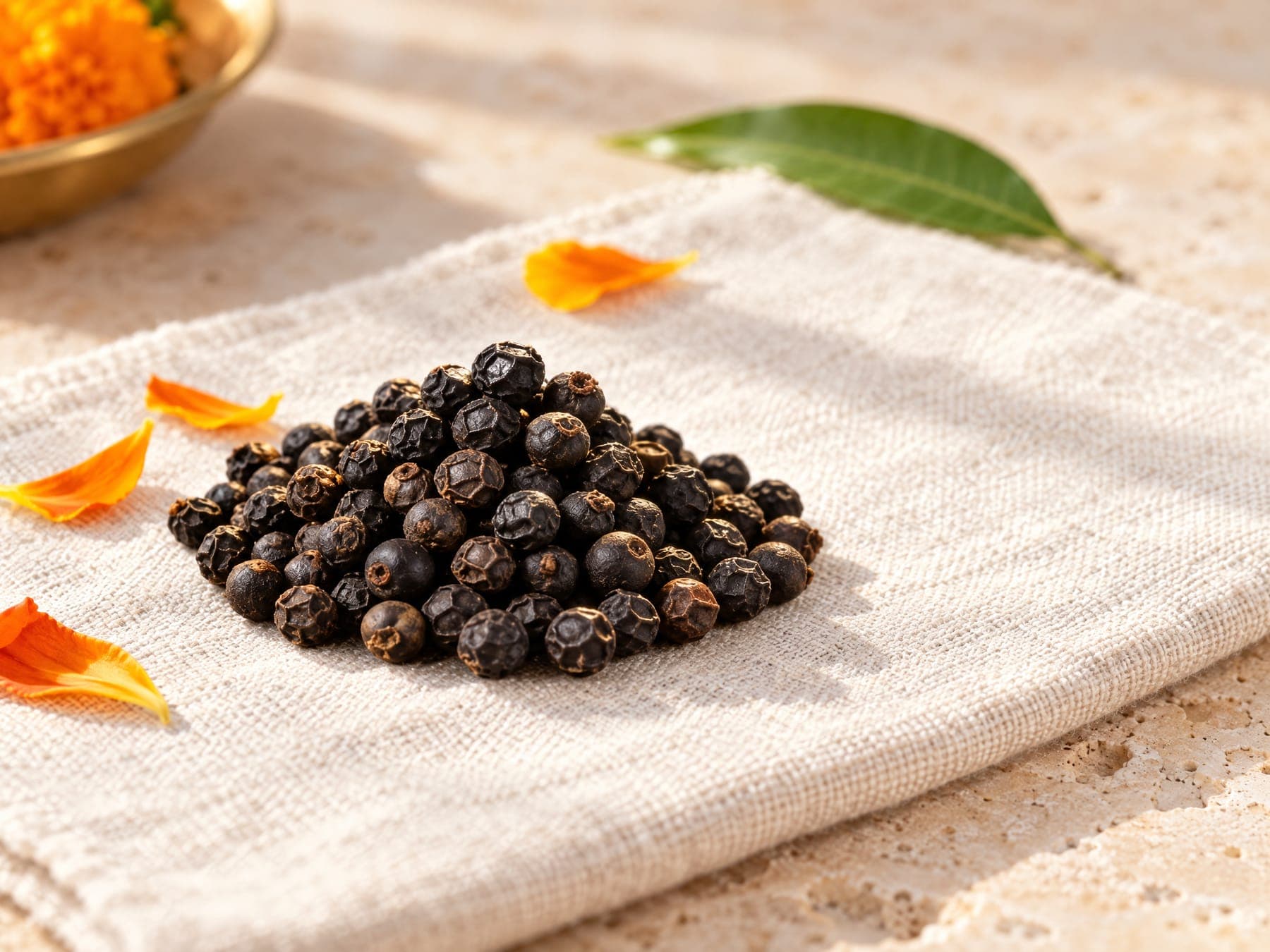
What it means: black pepper has a deeply wrinkled, net-like surface and is almost round. DART describes papaya seeds as oval, with a shrunken but smoother surface, and they are often a more greenish-brown or yellowish-brown colour. Once you have seen the two side by side, the difference is easy to spot.
Test 3: the finger press test for light berries
- Pick up a few peppercorns, including any that floated.
- Press each one firmly between your finger and thumb.
What it means: according to FSSAI, light berries break easily, while good black pepper berries do not break under finger pressure. Mature peppercorns feel hard and heavy for their size.
Test 4: the alcohol float test (optional)
DART also describes a float test in rectified spirit, a type of alcohol, for spotting light berries. Mature black pepper sinks, while light berries float. Most homes will not have rectified spirit, and the water and press tests usually tell you enough, so treat this one as optional.
Test 5: sprinkle test for black pepper powder
Ground pepper is harder to judge because you cannot see individual berries. FSSAI's DART test for powdered spices is simple:
- Take a glass of water.
- Sprinkle a small pinch of pepper powder gently on the surface.
- Watch for a minute without stirring.
What it means: according to DART, sawdust and powdered bran float on the surface of the water. If a light, fibrous layer stays floating on top, the powder deserves a closer look.
Your senses are a test too
Before any glass of water, trust your nose and tongue:
- Smell: crush one peppercorn. Good pepper gives a sharp, woody, almost citrus aroma at once.
- Taste: bite a fragment. The heat should build quickly and linger.
- Weight: a spoonful of good whole pepper feels heavy and rattles firmly.
- Dust: very little dust or broken bits should be left at the bottom of the pack.
Black pepper has traditionally been used in Indian home cooking and in kadha-style home remedies, which is one more reason to make sure what you are adding is actually pepper.
What to do if your pepper fails the test
- Stop using it and keep the pack, with its batch number and dates.
- Take clear photos of the test and the label.
- Write to the brand or seller. A responsible brand will want to know.
- Report it to FSSAI through its Food Safety Connect portal or app, or the toll-free helpline 1800112100.
Before you buy, it also helps to check the pack's FSSAI licence number. Our guide to reading the FSSAI licence number on a spice pack shows you how.
How to buy black pepper you can trust
- Buy whole and grind it at home. It is the easiest way to see what you are getting, and it keeps the aroma longer.
- Look for bold, even berries with little dust.
- Buy from a licensed, certified brand with a batch number and packing date on the pack.
- Store it airtight, away from heat and moisture.
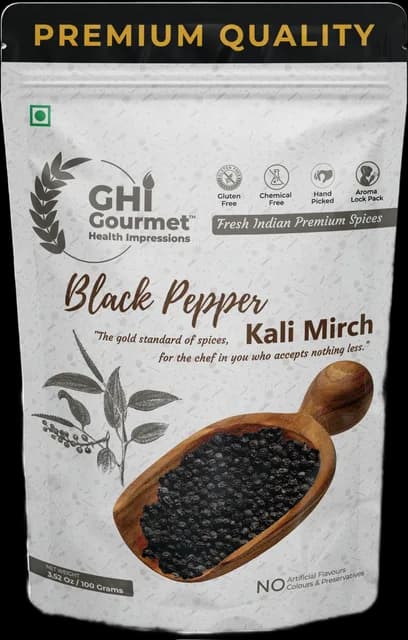
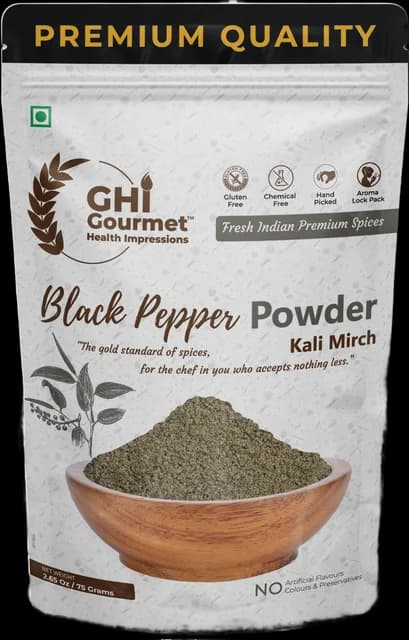
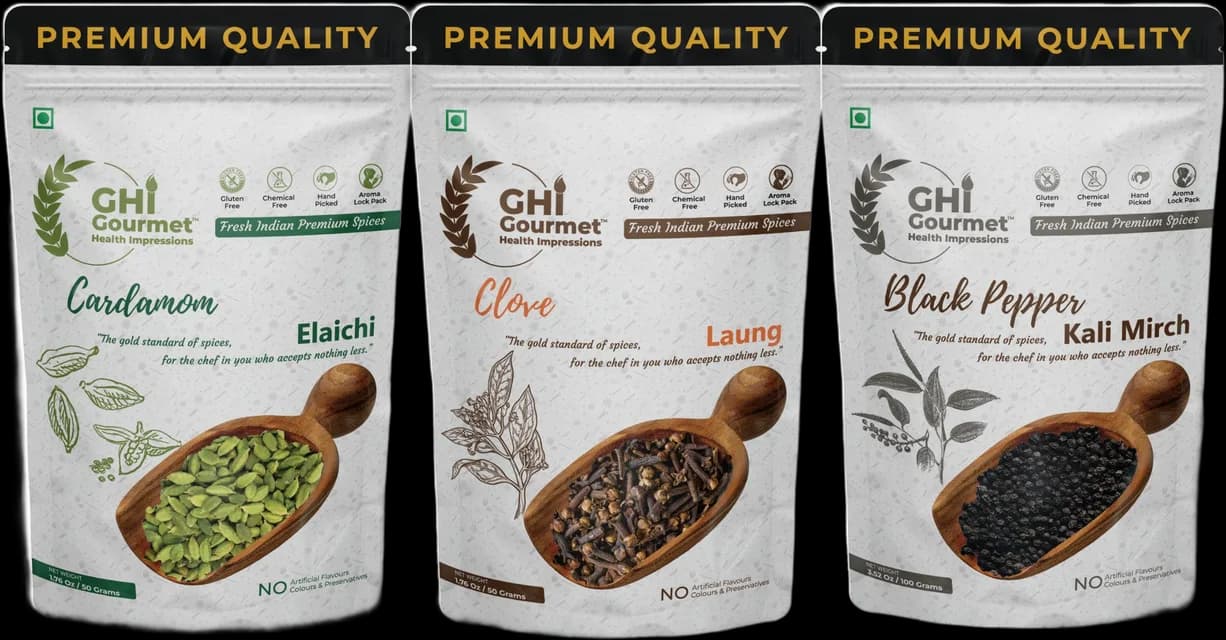
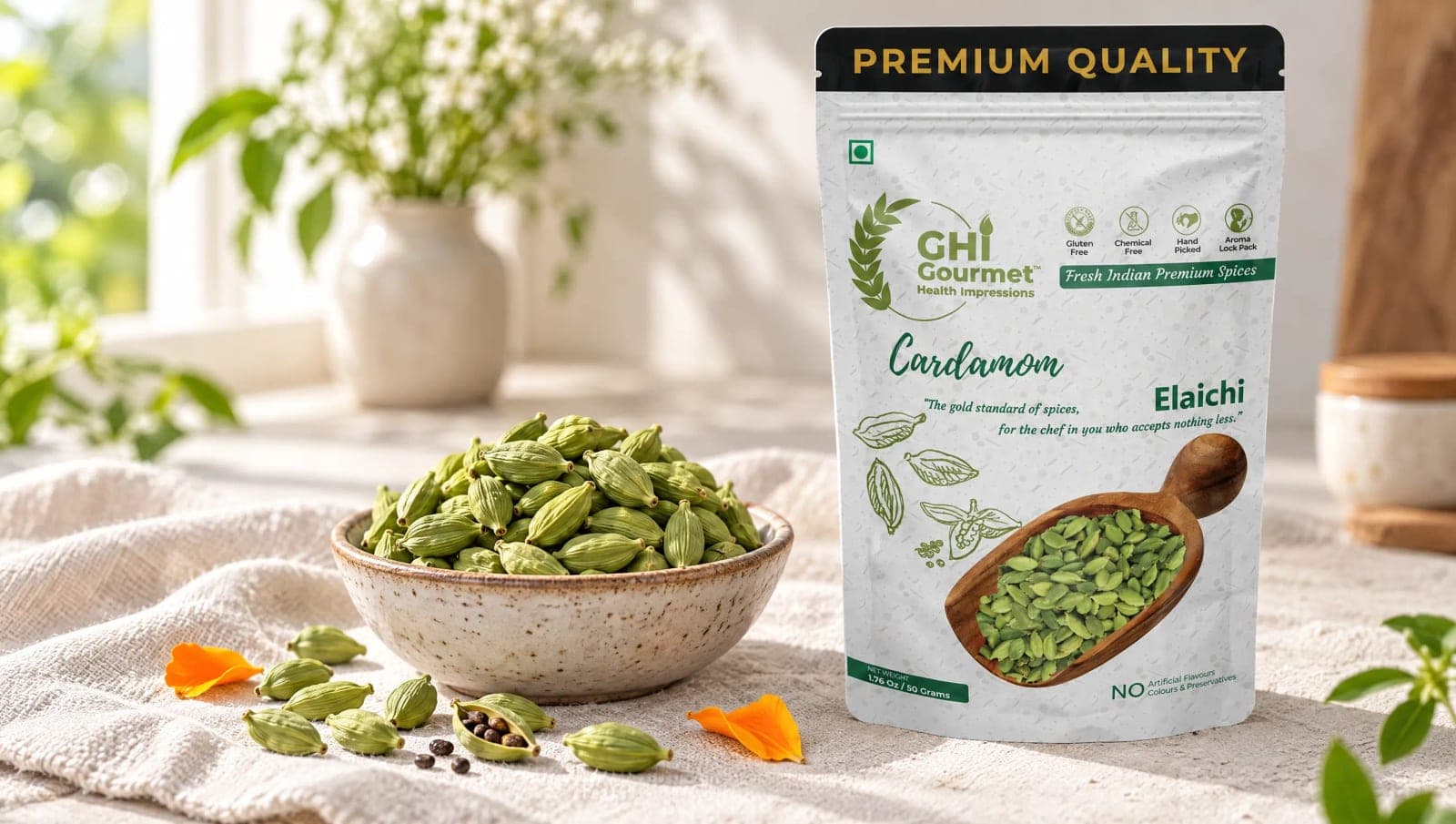
At GHI Foods, our Whole Black Pepper is picked for a robust aroma and a proper pungent bite, and sealed fresh in a resealable aroma-lock pouch. We are happy for you to put it through every test on this page. If you prefer ready ground pepper, our Black Pepper Powder is finely ground with no additives or preservatives. And the Whole Spice Trio puts our whole pepper, 8 mm green cardamom and cloves in one box.
Frequently asked questions
How do I know if black pepper has papaya seeds?
Drop a spoonful of peppercorns into a glass of water. According to FSSAI's DART manual, papaya seeds float while pure black pepper sinks. Under a magnifying glass, papaya seeds also look more oval and smoother than the deeply wrinkled, round peppercorns.
Why do some peppercorns float even in good pepper?
Light or immature berries can float. A few floaters in a big sample are normal. Many floaters, or floaters that look different from the rest, suggest either papaya seeds or a poor lot with many light berries.
How can I check black pepper powder for adulteration?
Sprinkle a pinch on the surface of a glass of water. FSSAI's DART test notes that sawdust and bran float on the surface. Buying whole pepper and grinding it yourself is the surest way to avoid fillers.
Is adulterated pepper harmful?
Papaya seeds and light berries mainly cheat you on flavour and value, but any adulterated food is unsafe to trust, since you cannot know what else has been added. If a pack fails a test, stop using it and report it.
Where can I find FSSAI's DART tests?
FSSAI publishes the DART manual and videos through its Eat Right India initiative. It includes simple home checks for many foods, including spices, milk, oils and sweeteners.