22 January 2025
Whole vs Ground Spices: Which Keeps Flavour Longer?
Open a masala dabba in January and you can often smell the difference between jeera ground last week and jeera ground before Diwali. The whole vs ground spices debate comes down to one question: how long does the aroma stay locked inside? Here is what really happens when a spice is ground, and how to decide which form deserves a place in your kitchen.
Whole vs ground spices: what is the real difference?
Grinding does not turn a spice into something new. The peppercorn, pod, seed or bark is exactly the same. What changes is surface area. A whole spice keeps its aromatic compounds sealed inside a protective husk, skin or bark. Grind it, and you suddenly expose thousands of tiny particles to air, light and moisture.
Most of the flavour we value in spices comes from essential oils. These oils are volatile, which means they evaporate easily, and they are delicate, which means they react with oxygen. The very property that makes a spice smell wonderful the moment you crush it is the same property that makes that smell disappear.
- Whole spices are like a sealed bottle. The oils stay inside until you break the seal by crushing, tempering or grinding.
- Ground spices are like an open bottle. Every particle is exposed, so aroma slowly drifts away from the first day.
Why essential oils fade after grinding
Three things work against a ground spice from the moment it leaves the grinder: air, heat and moisture. Light adds to the damage, especially for colourful spices.
Air and oxidation
Oxygen reacts with aromatic compounds and changes them. Fresh cardamom powder smells sweet, floral and almost minty. Old cardamom powder smells flat and dusty because many of those bright top notes have oxidised or evaporated.
Heat and light
Warmth speeds up evaporation. A jar kept next to the gas stove or on a sunny window sill loses aroma far faster than one kept in a cool, dark cupboard. Light also fades colour, which is why turmeric and red chilli powder can turn dull when stored in clear jars.
Moisture
Powders absorb moisture from the air and from steam. A damp powder clumps, loses its free-flowing texture and can develop off smells. Whole spices resist this much better thanks to their natural outer layer.
One useful thing to remember: colour often survives long after aroma has gone. A powder can look perfectly fine and still taste of very little, so always trust your nose over your eyes.
Which keeps flavour longer?
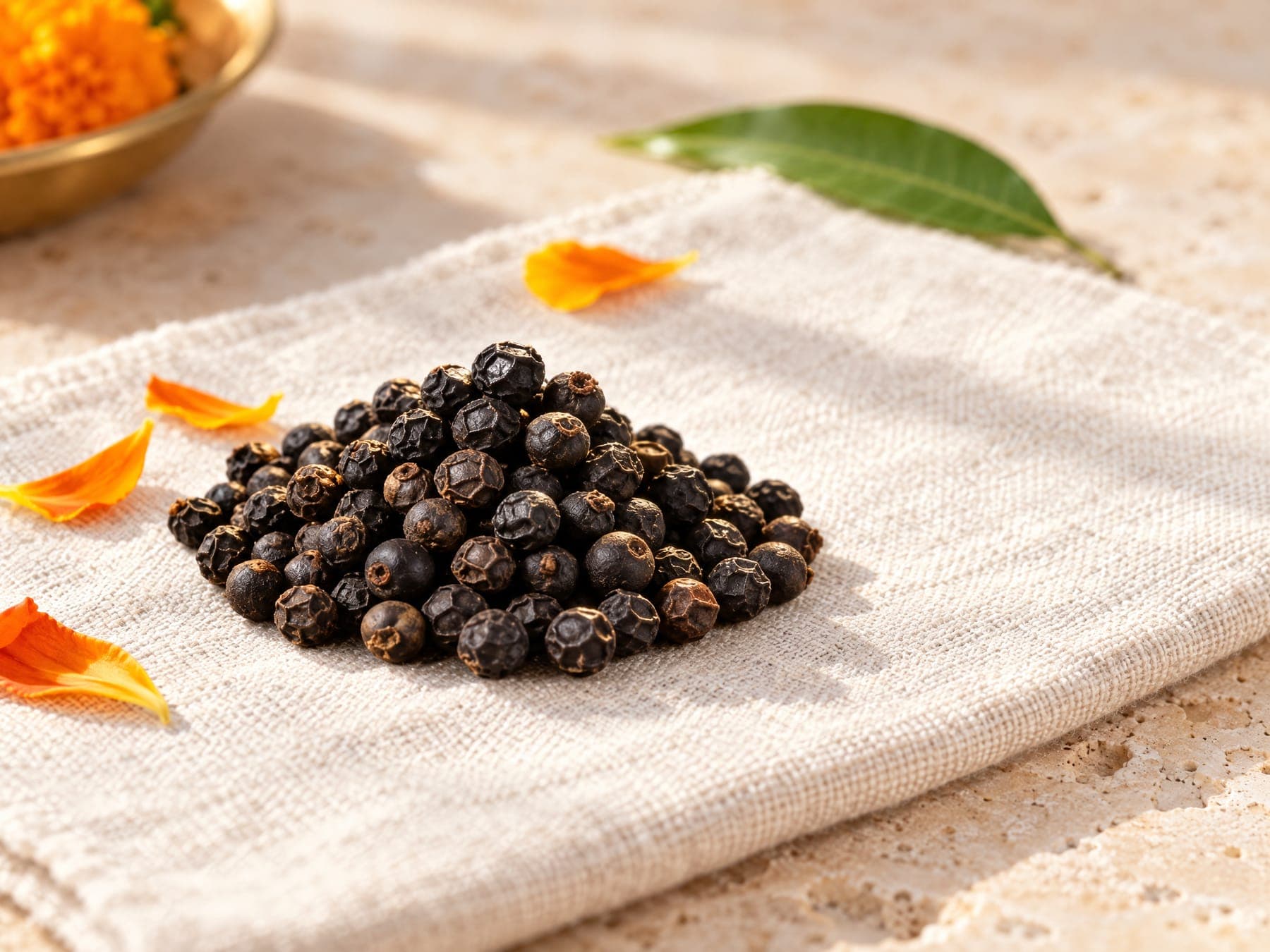
Whole spices, almost every time. As a rough guide, well-stored whole spices keep good flavour for a year or more, while most ground spices taste their best within a few months of opening. Hard spices such as whole black pepper, cloves and cinnamon sticks are especially long-lasting because their oils are well protected.
That said, the starting point matters as much as the form. A whole spice that was old, badly dried or poorly stored before it reached you will not magically be fresh. Equally, a powder made from well-graded spice, ground cleanly and sealed quickly in a good pack can taste far better than whole spices that have sat in an open bag for months.
This is why grading matters. Graded whole spices are sorted by size and appearance, so you get bold, even peppercorns or plump, uniform cardamom pods rather than a mix of shrivelled, broken and dusty pieces. Uniform spices also roast and grind evenly, which gives a more balanced flavour.
When to grind spices at home
Grinding at home gives you the freshest possible flavour, and it takes only a few minutes. It is worth the effort when:
- The spice is the star of the dish, such as black pepper in pepper rasam or pepper chicken.
- You are making a spice blend like garam masala, sambar powder or chai masala.
- You want a coarse texture, for example cracked pepper on eggs or crushed coriander seeds in a dry sabzi.
- You use the spice in small amounts and rarely, so a large pack of powder would go stale before you finish it.
Tips for grinding at home
- Dry roast first for most Indian blends. Roast on low heat for 2 to 3 minutes, stirring, until fragrant. Let the spices cool completely before grinding, otherwise the powder turns pasty.
- Grind small batches. Make only what you will use in two to three weeks.
- Use the right tool. A mortar and pestle is ideal for cardamom seeds and a few peppercorns. A small mixer jar works well for blends.
- Keep a dedicated jar or clean it well. Grinding a spoonful of dry rice after spices helps clear lingering oils and smells.
A small-batch garam masala
- 2 tablespoons coriander seeds
- 1 tablespoon cumin seeds
- 1 teaspoon black peppercorns
- 8 to 10 green cardamom pods
- 6 cloves
- One 2-inch piece of cinnamon, broken
- 1 small bay leaf
Roast everything except the cardamom on low heat for 2 to 3 minutes. Add the cardamom for the last 30 seconds. Cool, grind to a fine powder and store in a small airtight jar. This makes enough for a couple of weeks of regular cooking.
When ground spice is the right choice
Powders are not a compromise. There are many situations where a good ground spice is simply the better tool for the job.
- Spices that are hard to grind at home. Dried turmeric root, dry ginger and cinnamon bark are tough and fibrous, and a home mixer rarely gets them truly fine.
- Smooth textures. In kheer, halwa, cakes and batters, a fine cardamom or cinnamon powder blends in evenly without gritty bits of husk.
- Even seasoning. Marinades, rubs and dry mixes need a powder that spreads uniformly.
- Everyday convenience. On busy weekday mornings, a spoon of good powder is better than skipping the spice altogether.
When buying powders, choose smaller or resealable packs so you finish them while they are fresh. Check the packing and best-before dates, and look for clean labels with no fillers, added colours or anti-caking agents. Certified handling, such as FSSAI licensing and food safety systems like ISO 22000, is a reasonable sign that the spice was processed and packed with care. You can browse a range of powder spices with this checklist in mind.
| Spice | Best bought whole | Powder works well for |
|---|---|---|
| Black pepper | Rasam, cracked pepper finishes, blends | Soups, marinades, everyday seasoning |
| Green cardamom | Chai, biryani, pulao, fresh grinding | Kheer, halwa, baking, sweets |
| Cloves | Tempering, rice dishes, blends | Baking, spice rubs |
| Cinnamon | Biryani, pulao, whole-spice tadka | Desserts, baking, beverages |
| Cumin | Tadka, roasted jeera powder at home | Quick raita and chaas |
| Turmeric | Rarely used whole in home kitchens | Almost all everyday cooking |
How to get the most from both forms
A sensible kitchen keeps both. Stock the spices you use often in whole form and grind them as needed, and keep a few good powders for convenience and texture. A few habits help both last longer:
- Store spices in airtight containers away from the stove, sunlight and steam.
- Always use a dry spoon, and never shake a jar directly over a steaming pot.
- Write the opening date on the pack or jar.
- Do a quick rub test: crush a pinch between your fingers. If the aroma is faint, it is time to replace it.
If you are curious about how one whole spice can transform a dish, our piece on the aromatic world of whole black pepper is a good next read.
Frequently asked questions
Do whole spices really last longer than ground spices?
Yes. Whole spices keep their essential oils protected inside the husk or bark, so they hold flavour much longer. Ground spices lose aroma faster because every particle is exposed to air, heat and moisture.
Should I roast spices before grinding them?
For most Indian blends, yes. A short dry roast on low heat deepens the flavour and makes grinding easier. Always cool the spices fully before grinding. For delicate spices like cardamom, roast very briefly or not at all.
Can I grind spices in a mixer grinder?
Yes, a small dry jar works well for blends and seeds. Grind in short pulses to avoid heating the spices, and clean the jar with a spoonful of dry rice afterwards.
How can I tell if ground spices have gone stale?
Rub a pinch between your fingers and smell it. If the aroma is weak or dusty, the spice has lost much of its flavour. Clumping, a musty smell or any sign of insects means it should be thrown away.
Is it better to buy whole spices or powder?
Buy whole for spices you use often and can grind easily, like pepper, cardamom, cumin and coriander. Choose good powders for turmeric, smooth desserts and baking, and buy them in quantities you will finish within a few months.
Whichever form you choose, freshness starts with how the spice is graded, handled and packed. At GHI, our graded whole and powdered spices come in resealable packs, so you can enjoy them in whichever form suits the dish. You can explore our whole spices whenever you are ready to start grinding.