11 December 2024
Winter Kadha Recipe with Clove, Black Pepper and Cinnamon
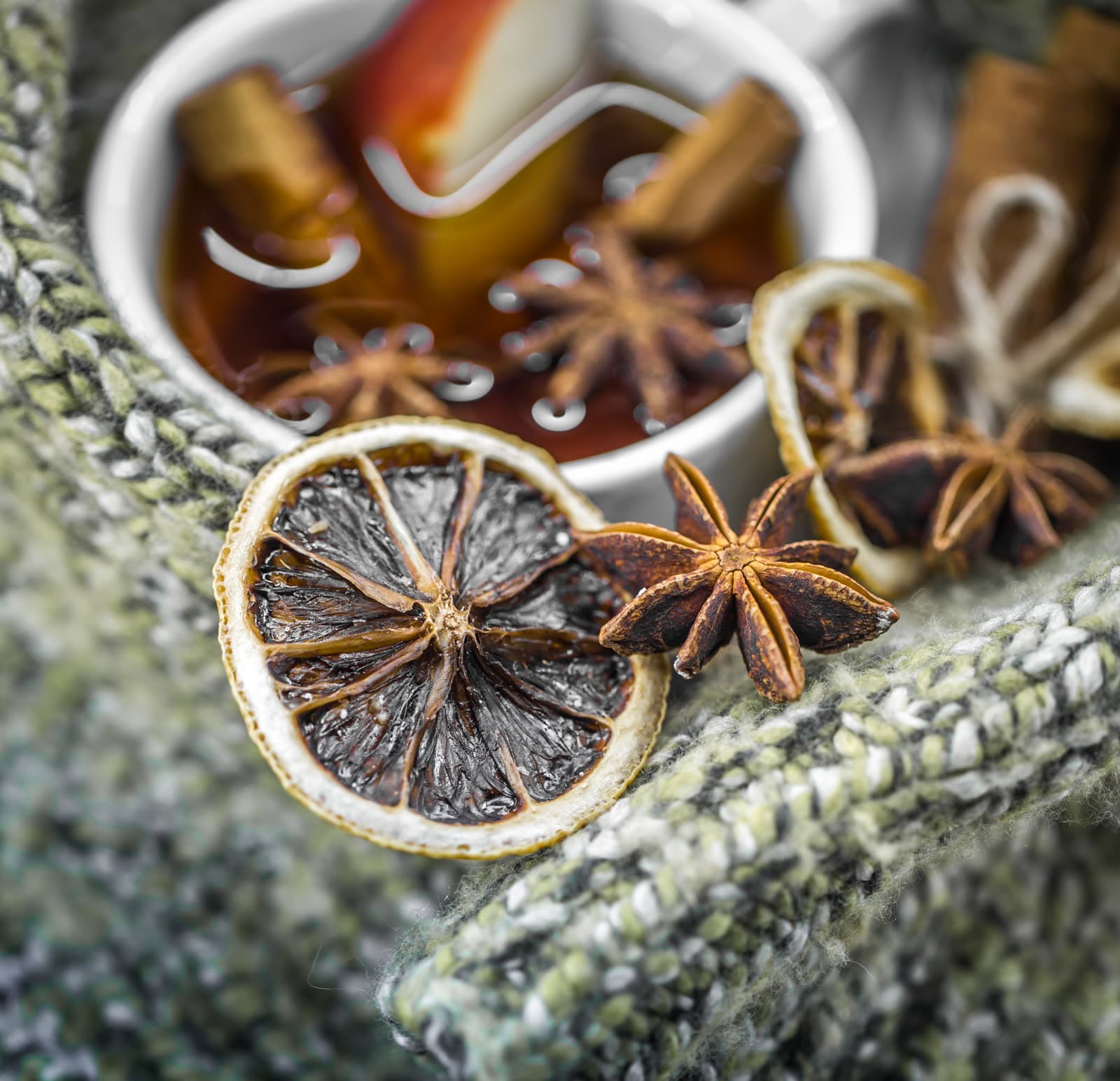
As December mornings turn misty and the razai comes out of storage, many Indian kitchens return to an old winter ritual: a small pot of kadha bubbling on the stove. This winter kadha recipe uses four everyday spices, clove, black pepper, cinnamon and cardamom, with fresh ginger and tulsi, for a warm, comforting drink that takes about 15 minutes. Here is how to make it, how strong to keep it, and why these spices have long been part of winter at home.
What Is Kadha and Why It Belongs to Winter
Kadha is a simple decoction: spices and herbs simmered in water until the liquid reduces and takes on their flavour. It is not tea, since there are usually no tea leaves, and it is not a masala milk. It is closer to a spiced infusion, strong, warming and meant to be sipped slowly.
Almost every household has its own version. Some add turmeric, some mulethi, some a spoon of honey or a squeeze of lemon. What most share is a base of warming spices that have traditionally been used in Indian homes when the weather turns cold. Many people find a cup of kadha on a chilly evening deeply comforting, and for many of us it carries the memory of a grandmother insisting we finish it.
It is worth being clear from the start: kadha is a traditional home drink, not a medicine. It can be a pleasant part of a winter routine, but it does not replace medical care.
The Four Warming Spices in a Winter Kadha
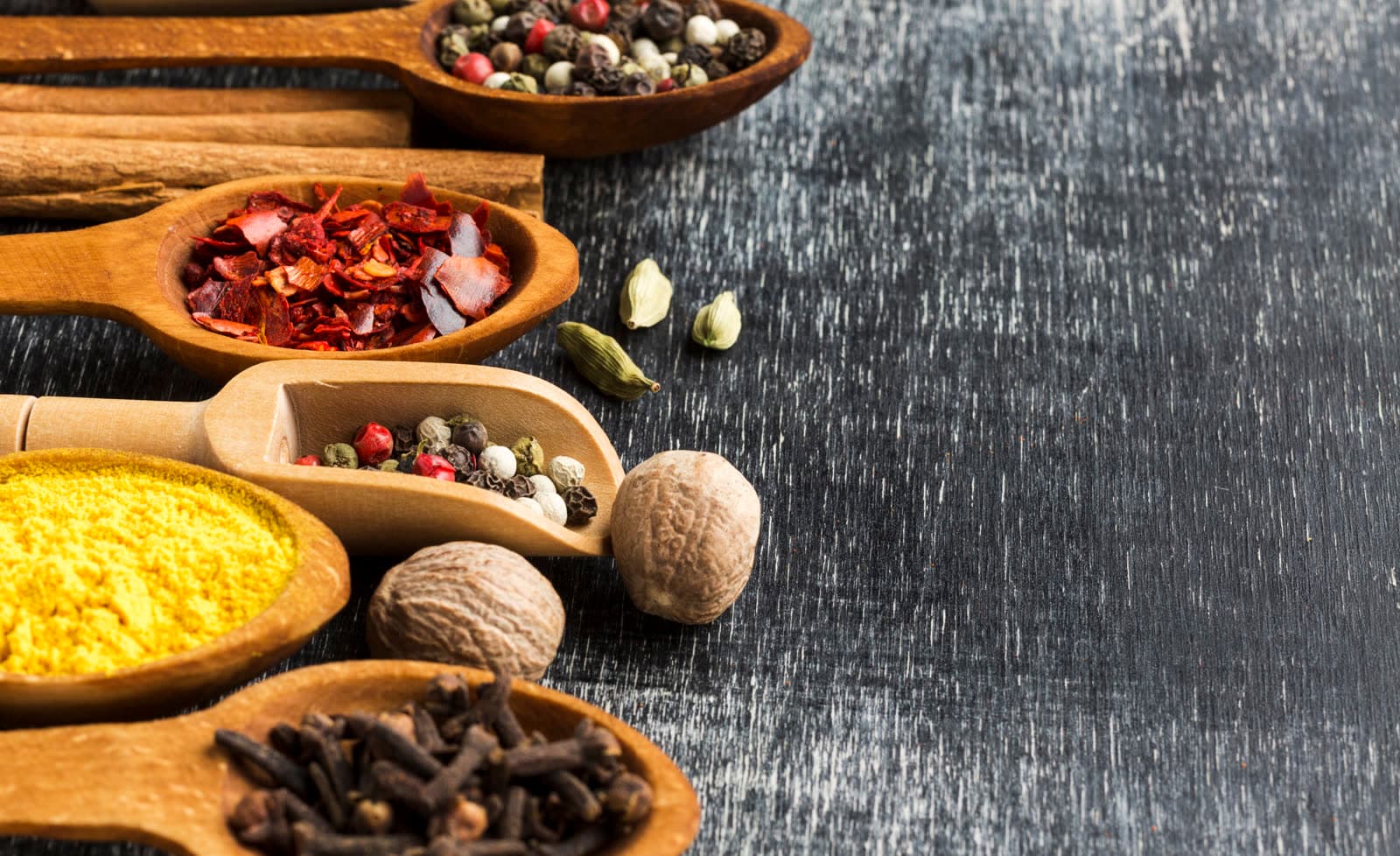
Each spice brings its own character to the pot. Together, they make a drink that is warm, slightly sharp, gently sweet and fragrant, rather than one that tastes of any single ingredient.
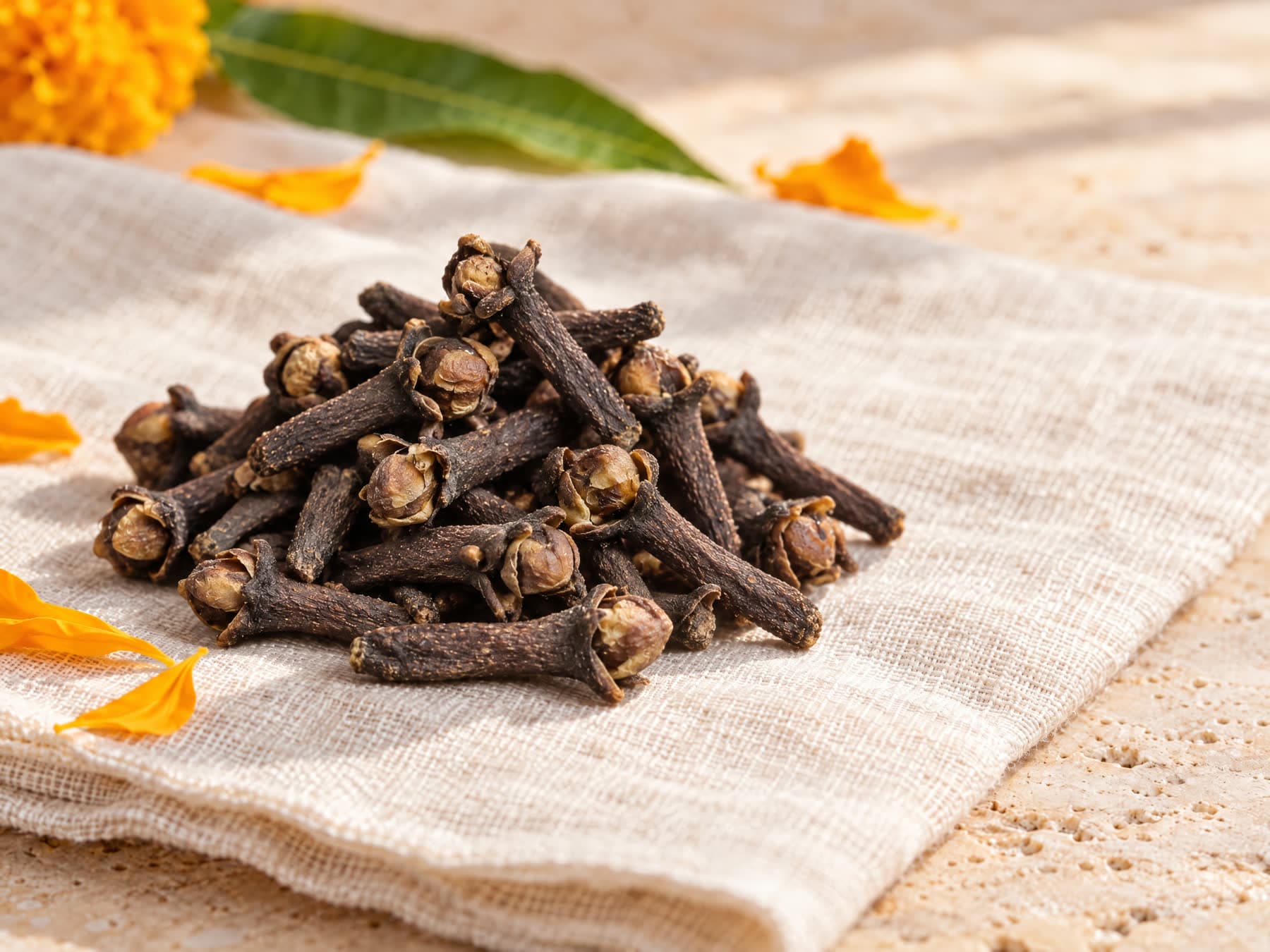
Clove
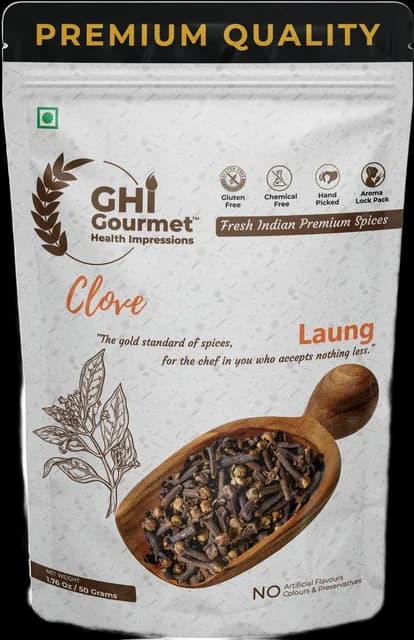
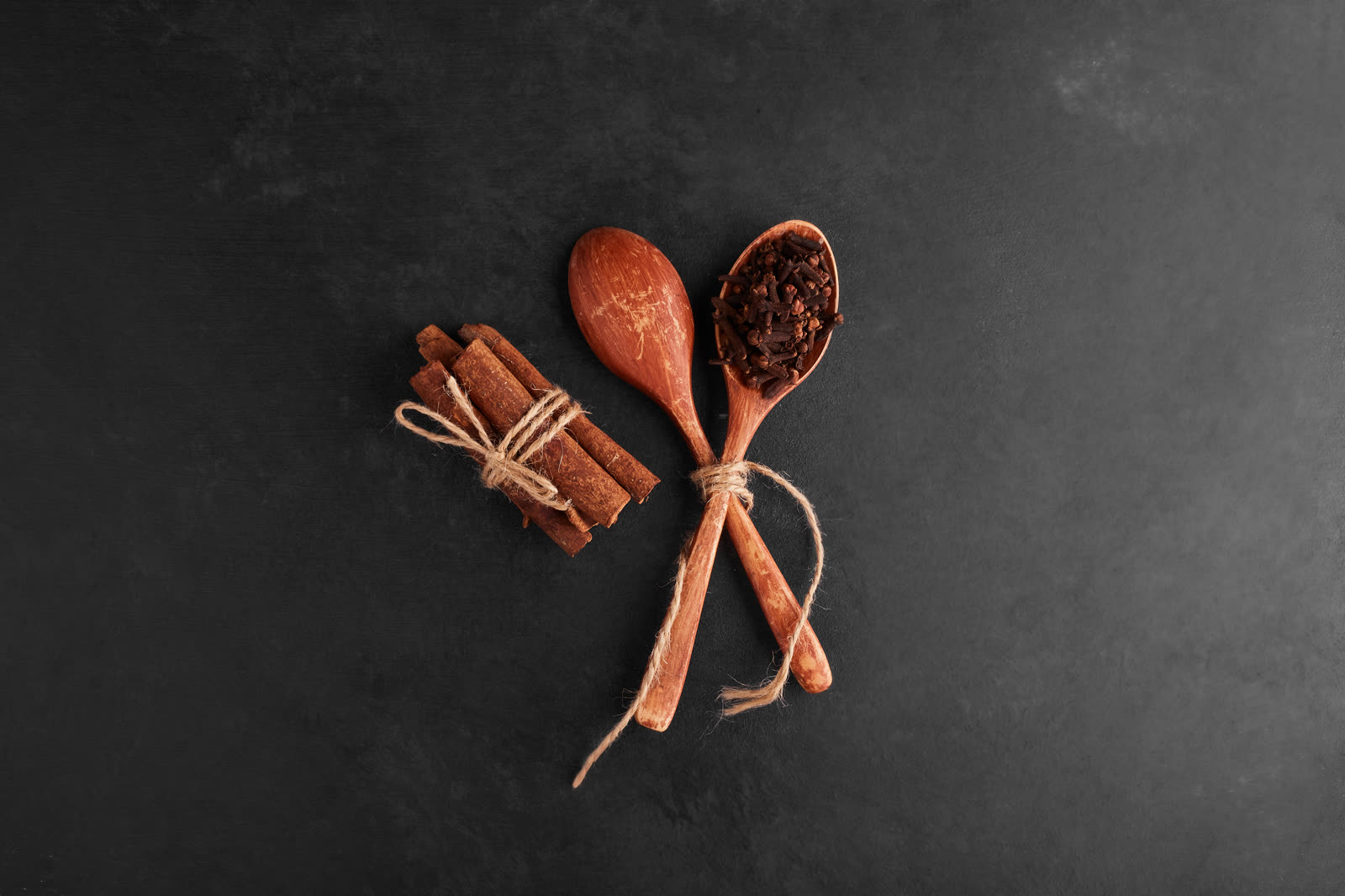
Clove is the strongest spice in the pot, with a deep, warm and slightly numbing flavour. In Indian households it has traditionally been used in winter drinks and home remedies for the throat. A little goes a long way, and two cloves are enough for two cups.
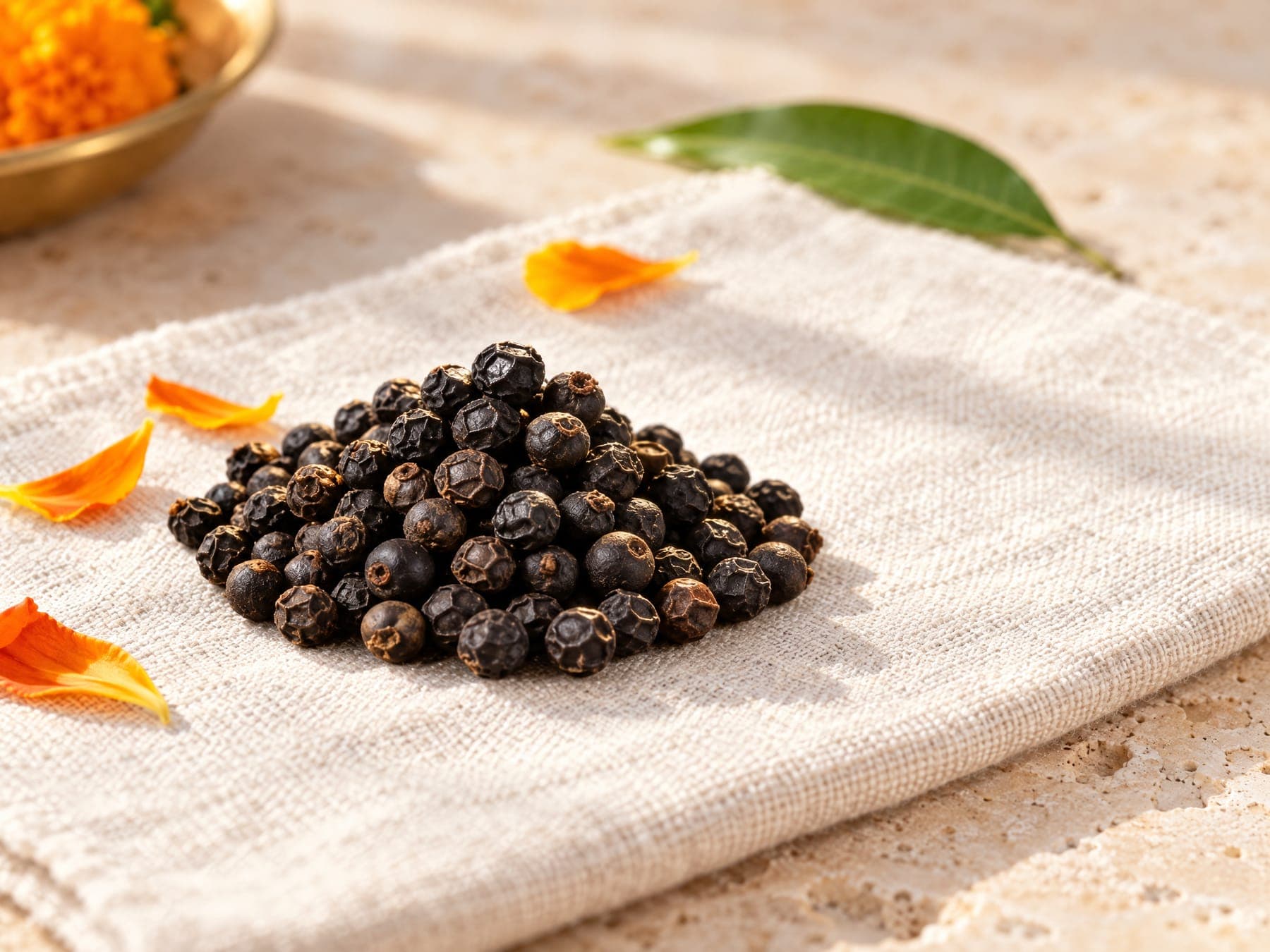
Black pepper
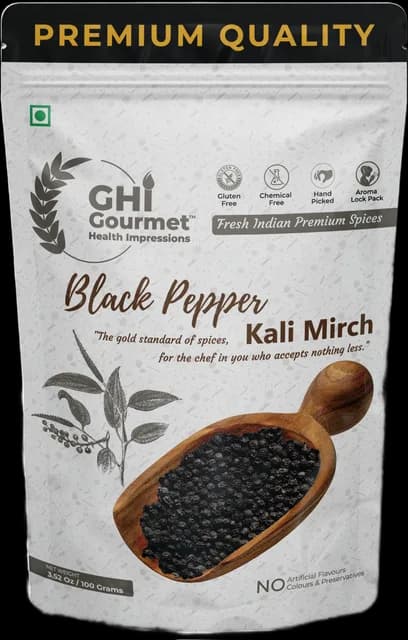
Black pepper gives kadha its gentle heat, the warmth you feel at the back of your throat. It has long been paired with honey and ginger in traditional winter preparations. Crushing the peppercorns just before use releases their sharp, woody aroma.
Cinnamon
Cinnamon brings natural sweetness and a soft, woody warmth that balances the sharper spices. It makes kadha easier to drink, especially for people who find clove and pepper intense on their own.
Green cardamom
Cardamom adds a cool, floral fragrance that lifts the whole drink. Many people find it makes kadha feel lighter and more aromatic, rather than heavy and medicinal.
Winter Kadha Recipe: Ingredients and Quantities
This recipe makes two small cups. The water reduces as it simmers, which is what gives kadha its depth.
| Ingredient | Quantity for 2 cups | Notes |
|---|---|---|
| Water | 3 cups (about 750 ml) | Reduces to roughly 2 cups |
| Cloves | 2 | Lightly crushed |
| Black peppercorns | 5 to 6 | Coarsely crushed |
| Cinnamon | A 2.5 cm stick, or 1/4 tsp powder | Powder goes in during the last 2 minutes |
| Green cardamom | 2 pods | Cracked open |
| Fresh ginger | 2 cm piece | Crushed or grated |
| Tulsi leaves | 6 to 8 | Optional, torn |
| Jaggery or honey | 1 to 2 tsp | To taste; honey only once the kadha is warm, not boiling |
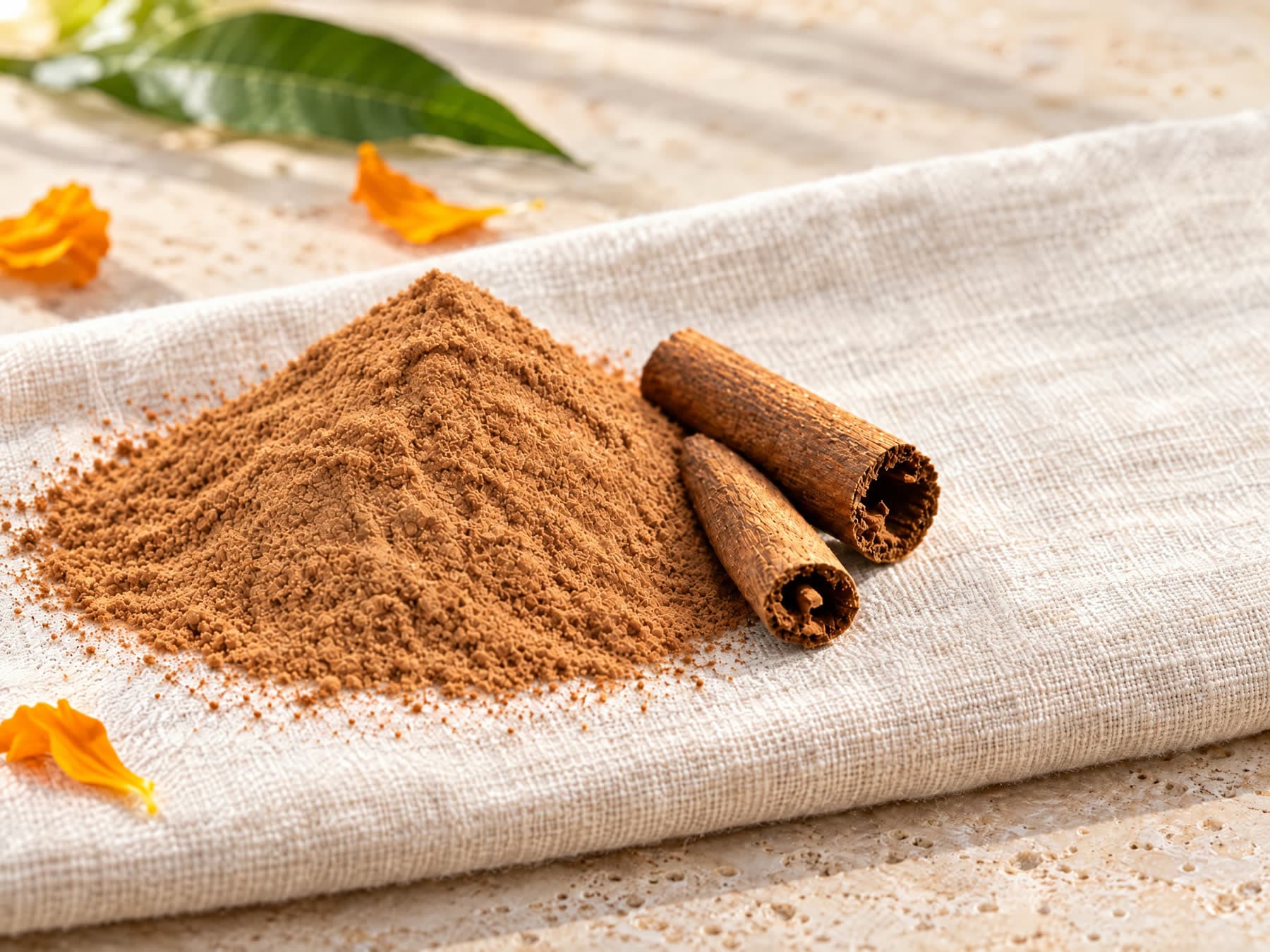
The quality of whole spices matters more in kadha than almost anywhere else, because there is nothing else in the pot. Plump, well-graded whole cloves with full heads and dark, heavy whole black pepper give a clean, rounded flavour. If you do not have cinnamon sticks, a good cinnamon powder works well, added towards the end.
How to Make Kadha at Home, Step by Step
- Crush the cloves, peppercorns, cardamom pods and cinnamon stick lightly in a mortar and pestle. You want them cracked, not powdered.
- Bring 3 cups of water to a boil in a small saucepan.
- Add the crushed spices and ginger. Lower the flame and let it simmer gently for 10 to 12 minutes, until the water has reduced by about a third and turned a warm amber.
- Add the tulsi leaves, and the cinnamon powder if you are using it instead of a stick, and simmer for 2 more minutes.
- If you are using jaggery, stir it in now until dissolved.
- Switch off the heat, cover the pan and let it rest for 2 minutes so the flavours settle.
- Strain into cups. If you prefer honey, let the kadha cool until comfortably warm before stirring it in. Traditionally, honey is not added to boiling liquids.
Easy variations
- Gentler kadha: use 3 peppercorns and 1 clove, and increase the cinnamon slightly. This suits anyone who finds the full version too sharp.
- Turmeric kadha: add 1/4 teaspoon of turmeric with the spices for an earthy, golden version.
- Lemon kadha: squeeze in a little lemon juice just before serving for brightness.
- Honey and pepper: if you enjoy that classic pairing, our post on black pepper with honey has more ideas.
How Much Kadha Is Enough? Keeping It Gentle
Kadha is meant to be strong in flavour, not strong in quantity. Traditionally, it is sipped as a small cup of about 100 to 150 ml, often once a day, rather than drunk by the glassful.
Warming spices in large amounts can feel heavy on the stomach for some people, and a very concentrated kadha may cause acidity or discomfort. If you notice this, reduce the clove and pepper, dilute with a little hot water, or have it after a light meal instead of on an empty stomach.
Anyone who is pregnant, breastfeeding, on medication or managing a health condition should check with their doctor before making kadha a daily habit. For children, families usually prepare a much milder version, and it is best to ask your paediatrician first.
Why Whole, Fresh Spices Make Better Kadha
In kadha, the spices are not a seasoning, they are the drink. That makes freshness easy to taste.
Whole spices release their essential oils slowly during a 10 to 12 minute simmer, giving a clear, layered flavour. Old or pre-ground spices tend to release a quick burst and then a dull, dusty taste, and they leave a muddy sediment at the bottom of the cup. A spice that has been sitting open for months may have lost much of the aroma that made it worth using in the first place.
When buying for winter, look for spices that are graded for size and maturity, free from added colour, fillers and preservatives, and handled by certified brands with clear labelling. Store them in resealable packs or airtight jars, away from the steam of the stove, and crush them just before you simmer.
Frequently asked questions
How do you make kadha at home with clove and black pepper?
Simmer 2 crushed cloves, 5 to 6 crushed peppercorns, a small cinnamon stick, 2 cardamom pods and 2 cm of ginger in 3 cups of water for 10 to 12 minutes until reduced by a third. Add tulsi for the last 2 minutes, strain, and sweeten with jaggery or honey.
Can I drink kadha every day in winter?
Many families enjoy a small cup of mild kadha regularly during winter. Keep it to about 100 to 150 ml, reduce the spices if it feels too strong, and check with your doctor if you are pregnant, on medication or have a health condition.
Can I add honey to hot kadha?
Traditionally, honey is added only once the kadha has cooled to a comfortably warm temperature, never while it is boiling. If you want to sweeten it while hot, use jaggery instead.
Can I use cinnamon powder instead of a cinnamon stick in kadha?
Yes. Use about 1/4 teaspoon of cinnamon powder for two cups and add it in the last 2 minutes of simmering. Powder can make the kadha slightly cloudy, so strain it through a fine sieve or muslin.
How long can I store homemade kadha?
Kadha tastes best fresh. If you make extra, cool it, keep it covered in the fridge and use it within 24 hours, reheating gently without bringing it to a hard boil.
A small pot of kadha on a cold evening is one of winter's simple comforts. At GHI, our graded whole cloves, black pepper and cardamom come in resealable packs, so the spices you reach for in December still smell the way they should.