26 August 2026
Cardamom in Savoury Cooking: Pulao, Korma, Dal and More
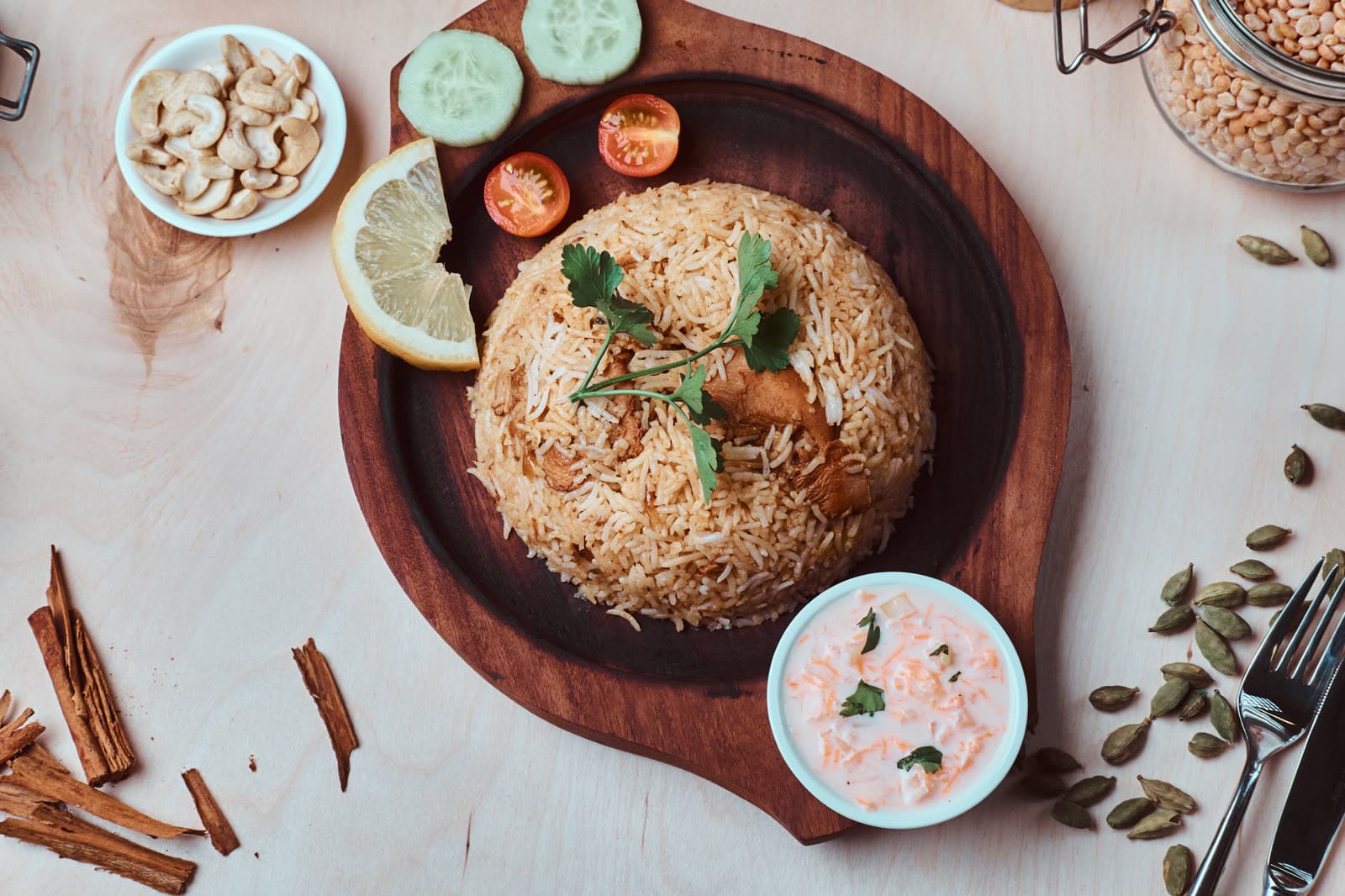
Cardamom in savoury cooking is one of the quiet secrets of good Indian food. Most of us think of it as the spice of kheer, halwa and festive sweets, yet a few pods in hot ghee can transform a plain pulao, a creamy korma or a humble dal. With festival cooking just around the corner, this is a good moment to give cardamom a bigger role on the savoury side of the menu too.
Why cardamom works in savoury dishes
Green cardamom has a floral, slightly minty, sweet-savoury aroma that rounds off rich ingredients. In savoury food it does three useful jobs: it lifts heavy, fatty dishes so they feel lighter, it softens the sharpness of onion and garlic, and it adds a gentle perfume that makes a dish smell special before the first bite.
The key is quantity and timing. In sweets, cardamom is often the star. In savoury cooking it works best as a supporting voice, alongside black pepper, cloves and cinnamon, so that nobody can quite name it but everyone notices when it is missing.
Whole pods, seeds or powder: when to use which
How you add cardamom changes what it does. Each form has a moment in the cooking process where it shines.
| Form | Best for | When to add | Typical amount (4 servings) |
|---|---|---|---|
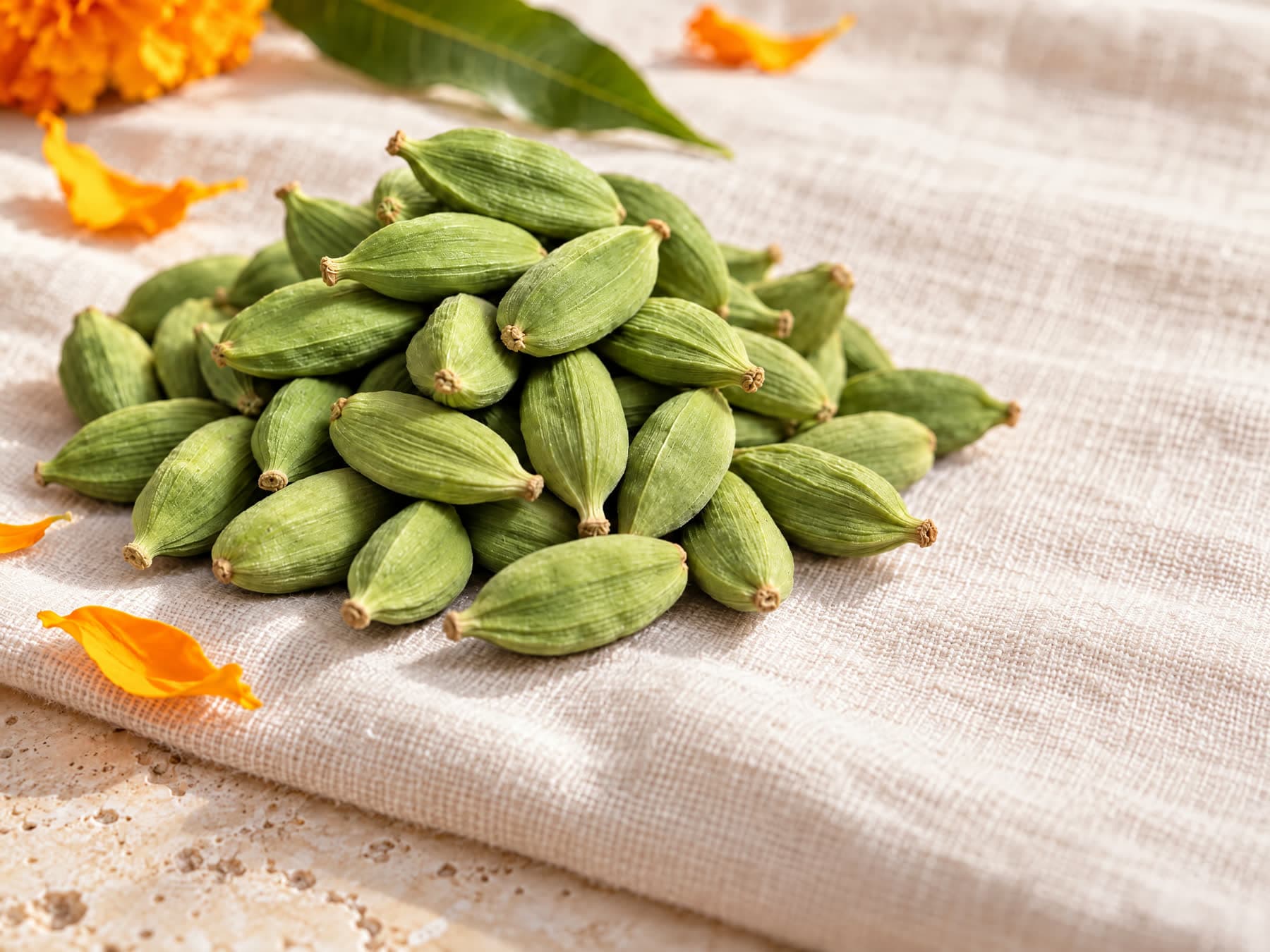
| Whole pods, lightly bruised | Pulao, curries, dals, stocks | At the start, fried in ghee or oil | 3 to 5 pods |
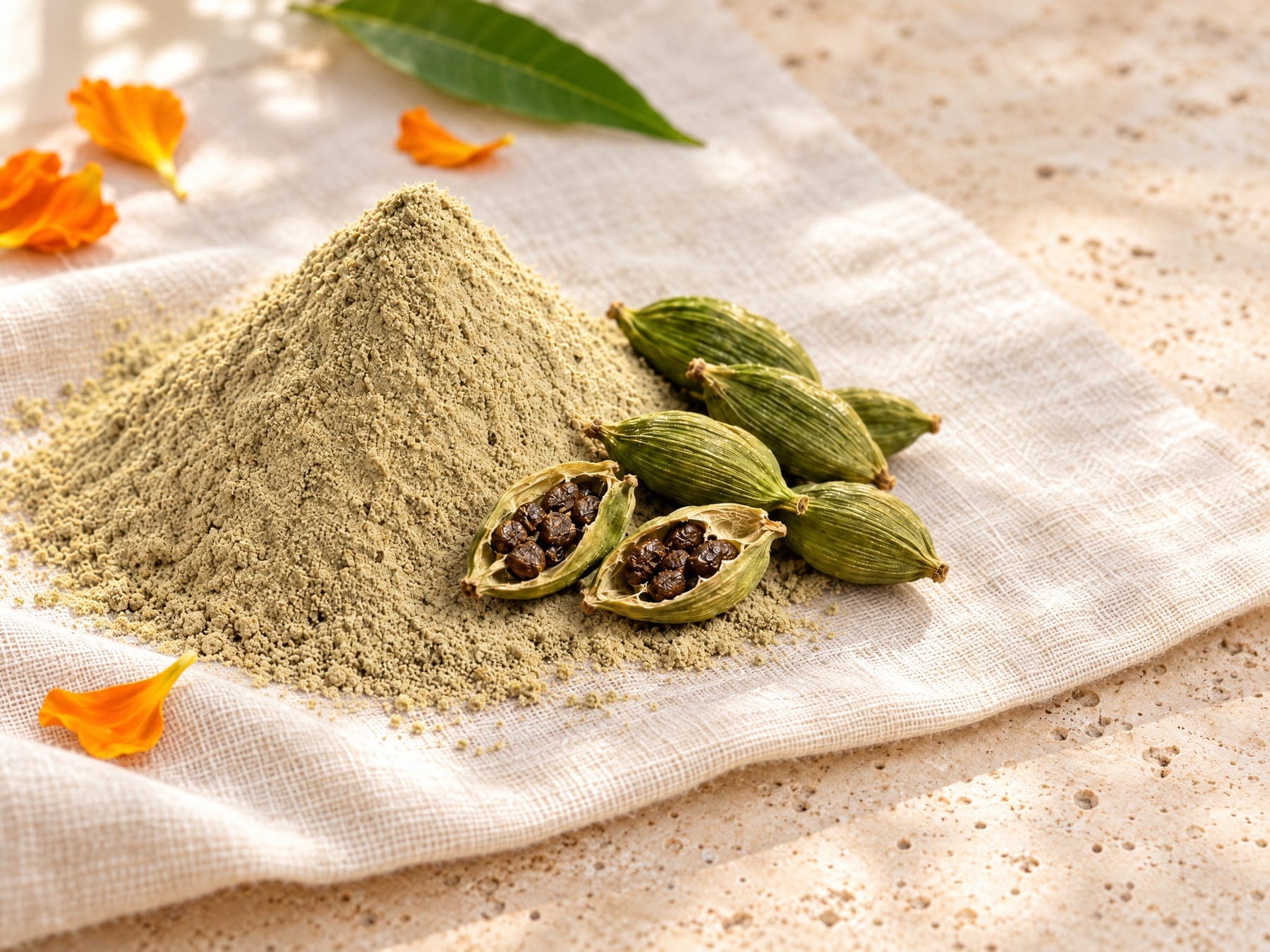
| Seeds, freshly crushed | Marinades, masala pastes, spice blends | Ground into the paste before cooking | Seeds from 4 to 6 pods |
| Powder | Kormas, gravies, finishing | In the last few minutes of cooking | 1/4 to 1/2 tsp |
Whole pods release their aroma slowly and gently, which suits long cooking. Freshly crushed seeds give the strongest hit and are best for marinades. Powder is convenient for finishing a gravy, but add it late, since prolonged cooking dulls its fragrance. Graded pods such as 8 mm whole green cardamom are plump with seeds, so you get more aroma from each one, while a good cardamom powder saves time on busy days.
Cardamom in pulao and rice dishes
A simple ghee pulao is the best place to start, because it lets cardamom's aroma come through clearly.
Simple cardamom pulao (serves 3 to 4)
- Rinse 1 cup of basmati rice and soak it for 20 minutes, then drain.
- Heat 1 tablespoon of ghee in a heavy pan. Add 4 lightly bruised cardamom pods, 3 cloves, a 2.5 cm stick of cinnamon and 6 black peppercorns.
- Fry for about 30 seconds, until fragrant. Add 1 thinly sliced onion and cook until golden.
- Add the rice and stir gently for a minute so every grain is coated in ghee.
- Pour in 1 3/4 cups of hot water with salt to taste, bring to a boil, then cover and cook on the lowest heat for 12 to 15 minutes.
- Rest for 5 minutes before fluffing with a fork.
For a vegetable version, add a handful of peas and diced carrot with the rice. Remind everyone at the table that the whole spices are for aroma and not for chewing.
Cardamom in korma and creamy gravies
Korma is where cardamom feels most at home in savoury cooking. The creamy base of yoghurt, cashew or coconut carries its fragrance beautifully.
For a chicken, vegetable or paneer korma serving four, use 4 to 5 whole pods in the oil at the start with cloves and cinnamon. Build the gravy with onion, ginger, garlic, yoghurt and cashew paste. Then, in the last 3 to 4 minutes, stir in 1/4 teaspoon of cardamom powder and a pinch of freshly ground black pepper. This two-stage method gives a deep background warmth from the pods and a bright top note from the powder.
The same approach works for shahi paneer, white chicken curry and navratan korma. If the gravy tastes flat, a tiny extra pinch of cardamom powder at the end often fixes it better than more salt.
Pepper-cardamom marinades for chicken, paneer and fish
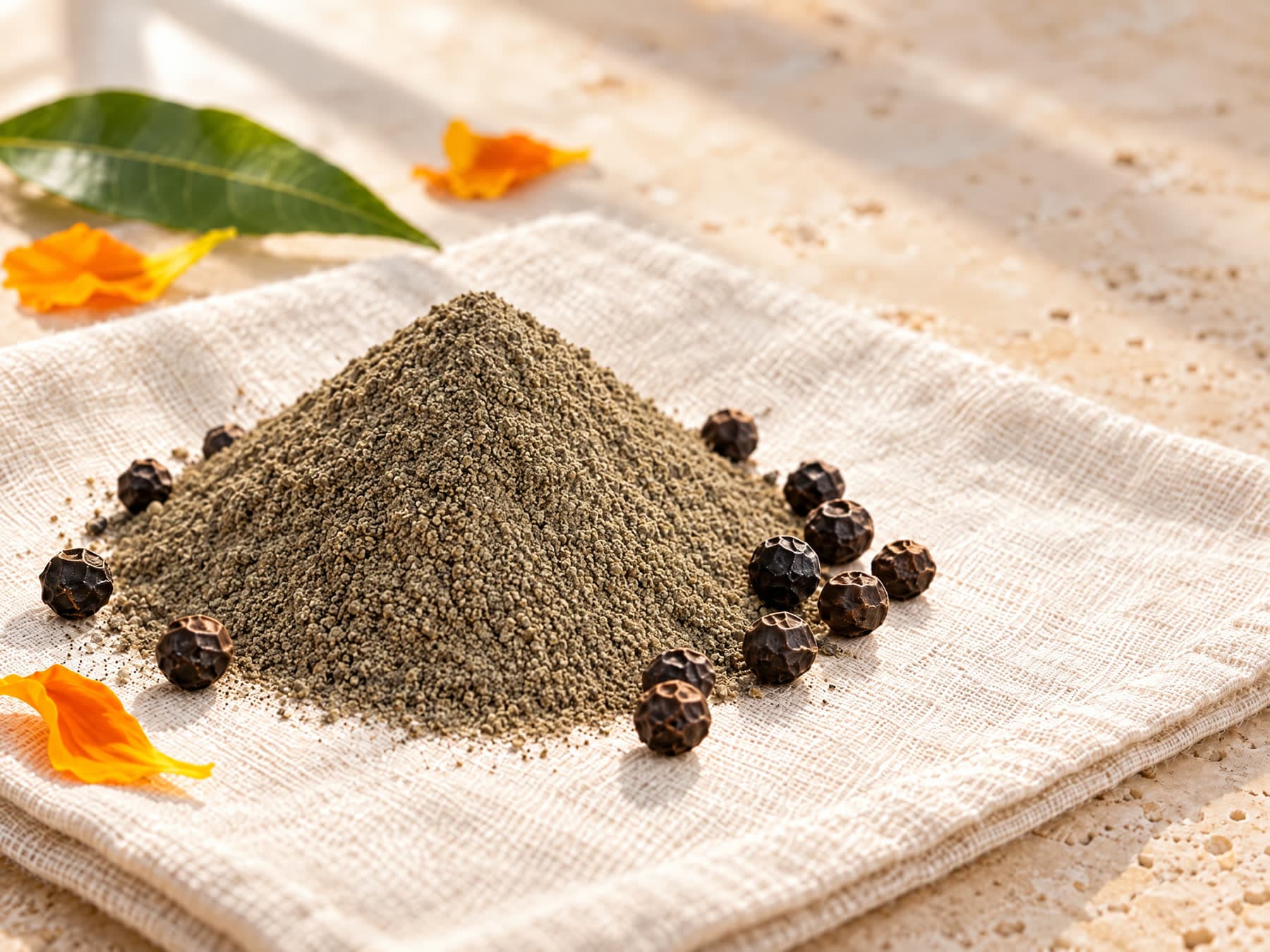
Black pepper and cardamom are natural partners. Pepper brings heat and sharpness, cardamom brings perfume, and together they make a marinade that tastes rich without needing much chilli.
Basic pepper-cardamom marinade (for 500 g chicken or paneer)
- 1/2 cup thick hung curd
- 1 tsp freshly cracked black pepper, or black pepper powder if you are short on time
- Seeds from 5 cardamom pods, crushed, or 1/2 tsp cardamom powder
- 1 tbsp ginger-garlic paste
- 1 tbsp lemon juice and salt to taste
- 1 tbsp oil or melted butter
Marinate chicken for at least 2 hours, or overnight in the fridge. Paneer needs only 30 minutes. For fish, halve the cardamom and marinate for 20 minutes, as fish is delicate and absorbs flavour fast. Grill, bake or pan-sear, and finish with a little more cracked pepper.
Cardamom in dal and meat curries
Dal
Cardamom is an unexpected but lovely addition to dal. For 1 cup of toor or masoor dal, add 1 or 2 bruised pods to the ghee tadka along with the other tempering spices. It gives a gentle, rounded fragrance that pairs especially well with slightly sweet or tangy dals. Black cardamom is more common in heavier dals such as dal makhani, but green cardamom works beautifully in lighter everyday dals.
Meat curries
In mutton and chicken curries, cardamom balances the richness of the meat. Use 4 to 6 pods in the oil at the start, along with 4 cloves and a 5 cm stick of cinnamon. For slow-cooked mutton, the pods infuse the gravy gently over an hour or more. A pinch of cardamom powder at the end can freshen the aroma after long cooking.
Homemade chai masala
Cardamom is also the backbone of a good chai masala, the spice mix many homes keep ready for their daily cup. A simple blend:
- 20 g green cardamom pods
- 10 g whole black peppercorns
- 5 g whole cloves
- 2 tsp cinnamon powder
- 20 g dry ginger powder
Lightly warm the cardamom, pepper and cloves in a dry pan for 1 to 2 minutes, cool completely, then grind finely and mix with the cinnamon and ginger powders. Store in an airtight jar and use about 1/4 teaspoon per cup of chai. Make small batches every few weeks, since ground spices lose aroma quickly.
Many people find cardamom-rich food comforting, but if you are pregnant, on medication or have a health condition, check with your doctor before using large amounts of any spice regularly.
Frequently asked questions
Can I use cardamom in savoury dishes?
Yes. Cardamom is widely used in pulao, biryani, korma, dal and meat curries across India. In savoury dishes it adds a gentle floral aroma and balances rich, heavy ingredients.
How many cardamom pods should I use in pulao?
For 1 cup of basmati rice, 3 to 4 lightly bruised green cardamom pods are usually enough. Fry them in ghee with cloves and cinnamon before adding the rice.
Should I add cardamom powder or pods to korma?
Both work well together. Add whole pods at the start for background warmth, and a small pinch of cardamom powder in the last few minutes for a fresh, fragrant finish.
Does cardamom go with black pepper?
Very well. Pepper adds heat and sharpness while cardamom adds perfume, which is why the pair is common in marinades, kormas and chai masala.
Can I put green cardamom in dal?
Yes. One or two bruised pods in the ghee tadka give everyday dals like toor or masoor a gentle, rounded fragrance without making them taste sweet.
Once you start using cardamom beyond sweets, it quickly becomes one of the most versatile spices in your kitchen. Fresh, plump pods make all the difference, and GHI's hand-selected cardamom comes in resealable packs to keep that aroma intact from pulao to chai.